Beginner Camera Buying FAQ: Budget, Used vs New, and Key Features
Starting your photography journey is exciting—but the first camera choice can feel overwhelming. At Unique Photo, we help beginners match realistic budgets with the right features, lenses, and accessories so you buy once and grow confidently.
How much should a beginner spend on a first camera?
There’s no single right number—it’s about balancing learning goals with longevity. As a rule of thumb, reserve part of your budget for lenses and essentials. For many beginners, a smart breakdown looks like:
- 60–70% on the camera and kit lens (or body if you already know your lens plan)
- 20–30% on a versatile second lens or prime
- 10–20% on accessories (bag, strap, power, memory, warranty)
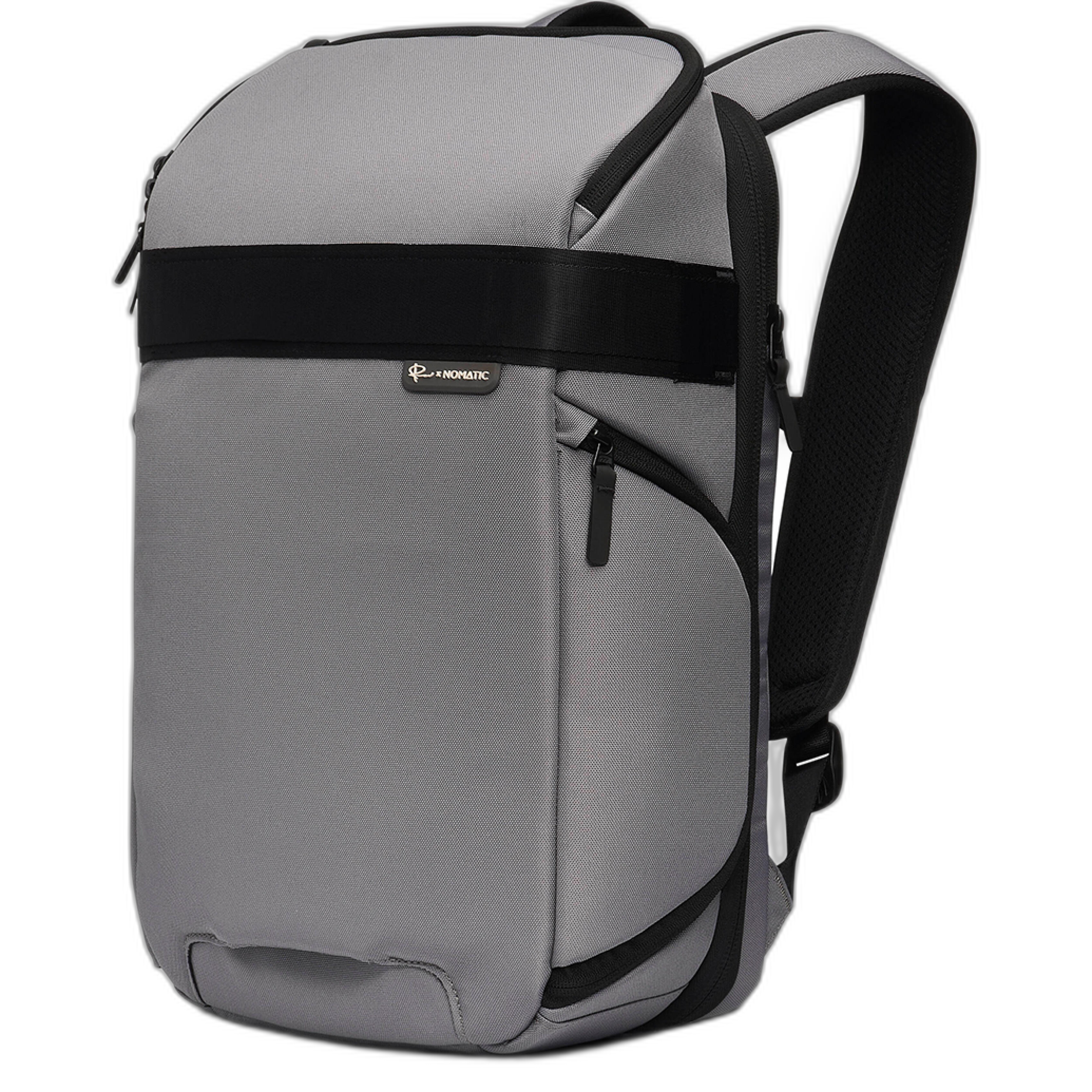
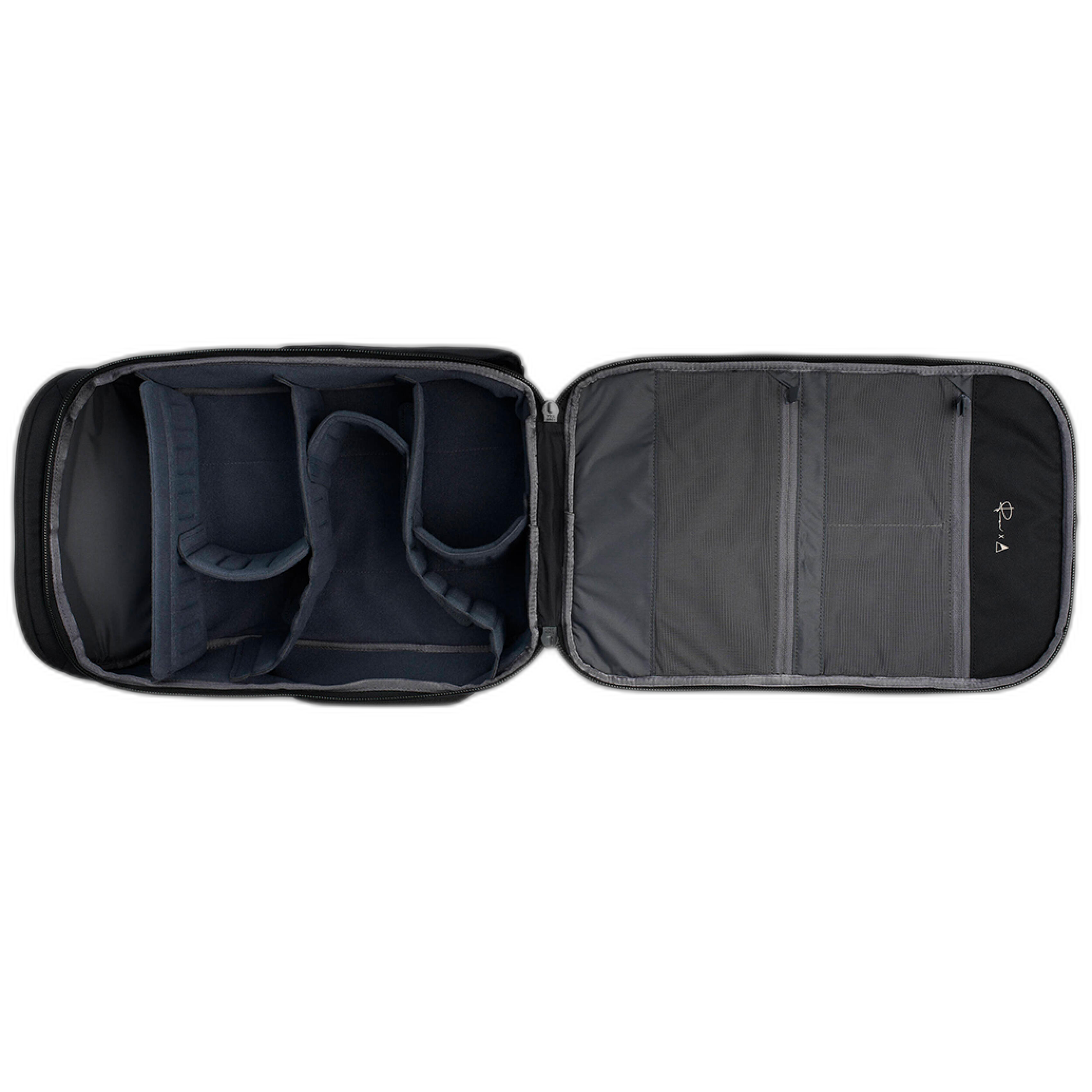
A well-built bag protects your investment and keeps you shooting. A compact, everyday-friendly pack like the Nomatic Luma Camera Pack 18L carries a body, lenses, and daily essentials without bulk.
Should I buy used or new? What should I check if buying used?
Buying used can stretch your budget and access higher-tier gear. New offers full manufacturer warranty and the latest features. If you go used, inspect carefully and buy from a reputable dealer:
- Mechanical/electronic health: Confirm shutter count (for digital), clean sensor, accurate autofocus, and working IBIS if applicable.
- Optics: Check for fungus, haze, decentering, or excessive dust in lenses.
- Operational test: Take sample images at various apertures/shutter speeds; verify ports, buttons, and hot shoe.
- Return policy and grading: Understand the grading language and return window before finalizing.
Curious about film? Used classics like a Polaroid SX‑70 are fun creative tools. Conversely, vintage listings marked “as is”—for example, an Ernemann Ermanox noted as needing a shutter replacement—are best for collectors or experienced tinkerers who plan for repairs.
What features matter most for beginners?
Prioritize the features that impact your daily shooting:
- Autofocus performance: Reliable face/eye AF helps you nail sharp portraits and action.
- Stabilization (IBIS or lens IS): In-body or lens stabilization increases keeper rate in low light.
- Sensor and image quality: APS‑C and full-frame both deliver excellent results; choose based on size, lens ecosystem, and budget.
- Ergonomics and viewfinder: Comfortable grip, clear EVF/OVF, and a tilting screen make learning easier.
- Video tools (if needed): 4K capture, mic/headphone jacks, and reliable power options.
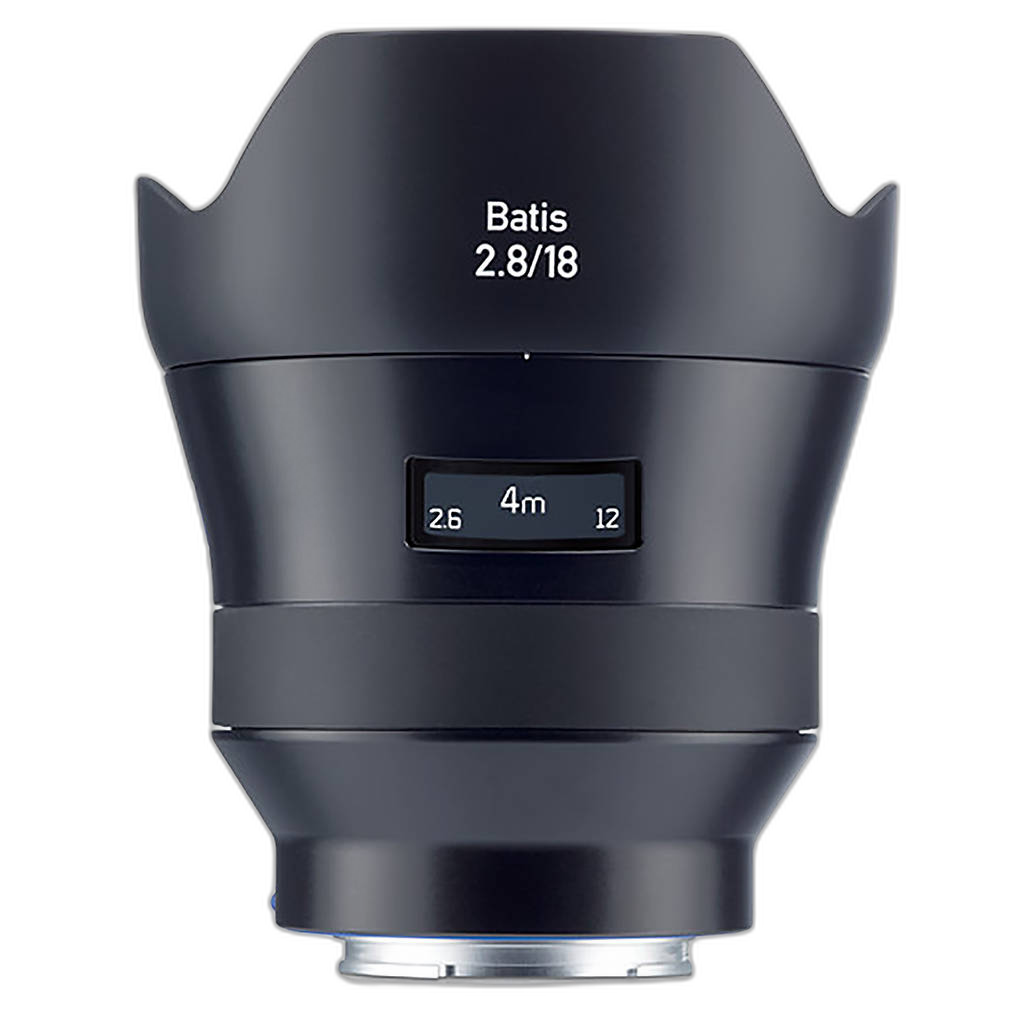
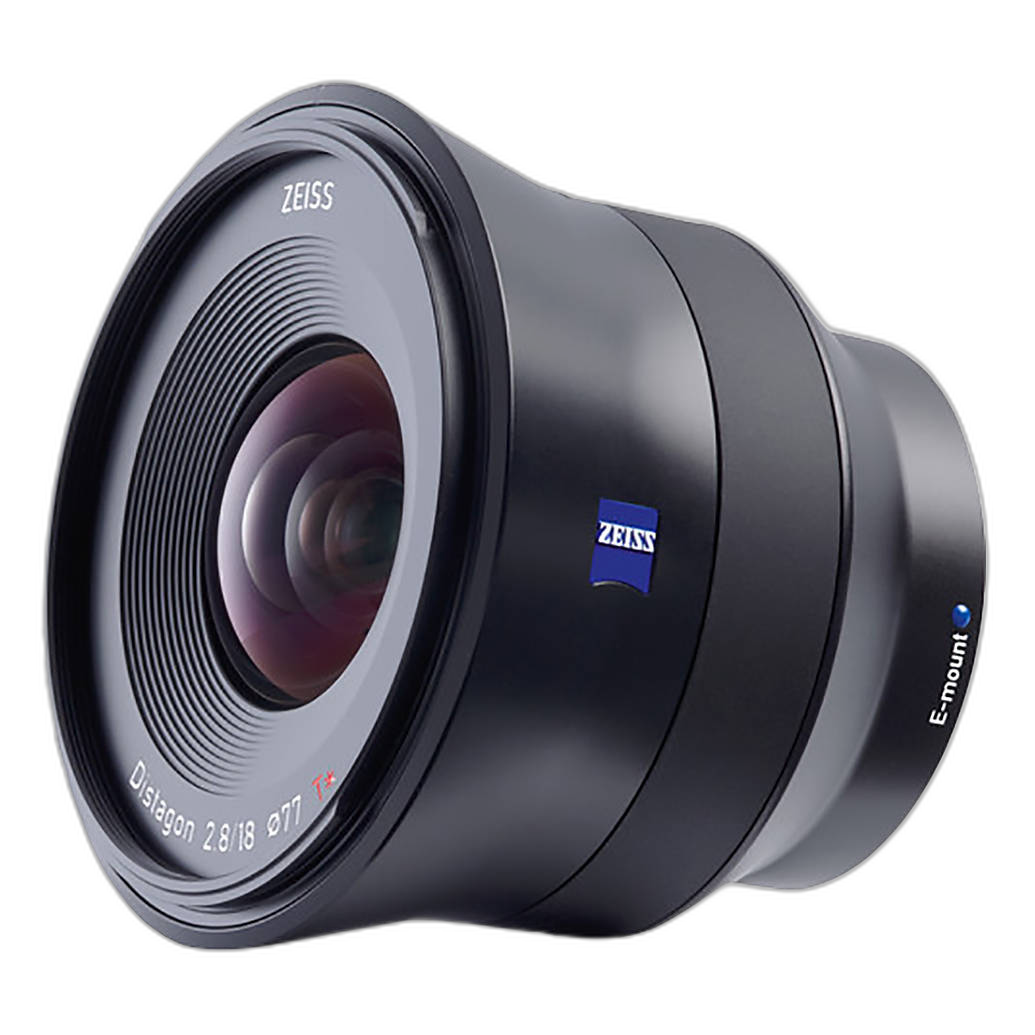
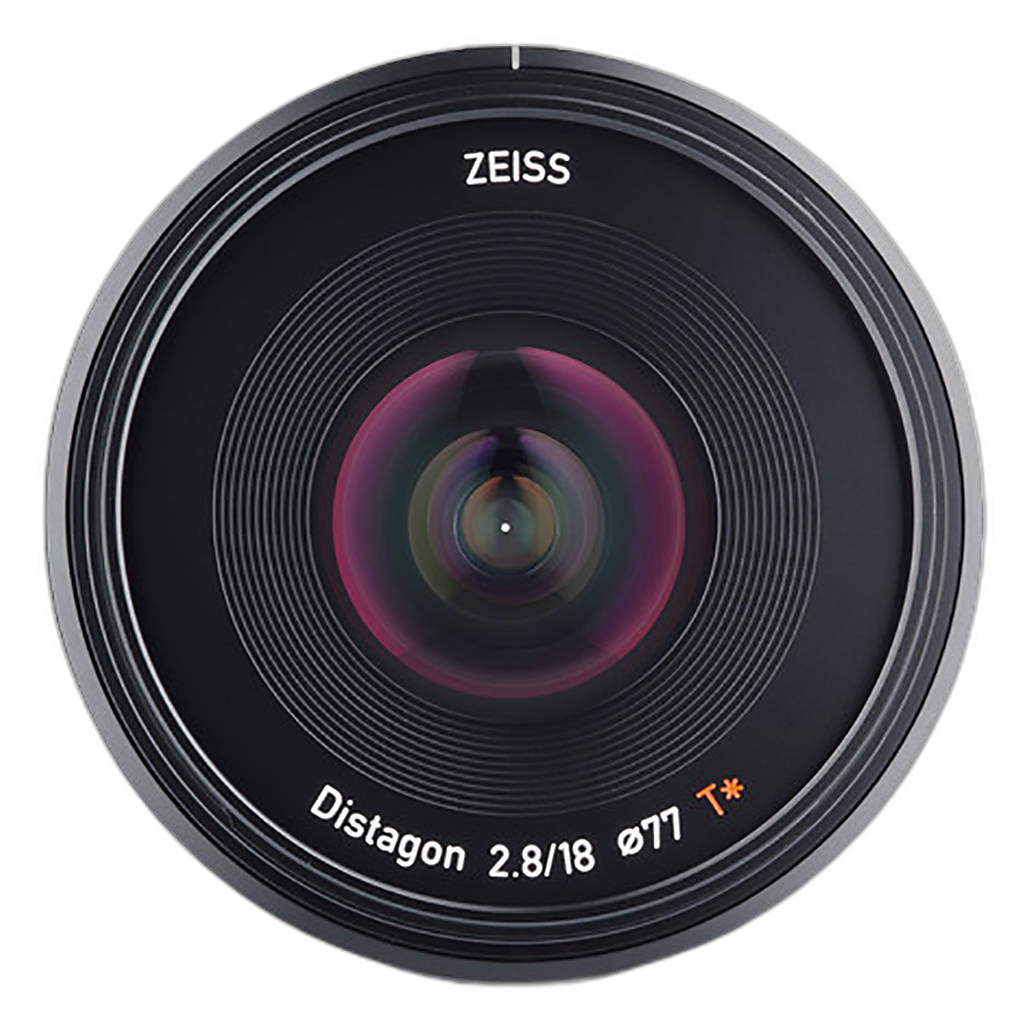
If landscapes, interiors, or architecture are on your list, adding a quality wide-angle lens sets you up for success. For Sony full-frame shooters, the Zeiss Batis 18mm f/2.8 is a premium ultrawide option known for excellent sharpness and weather sealing.
Mirrorless, DSLR, cinema, or film—what’s right for me?
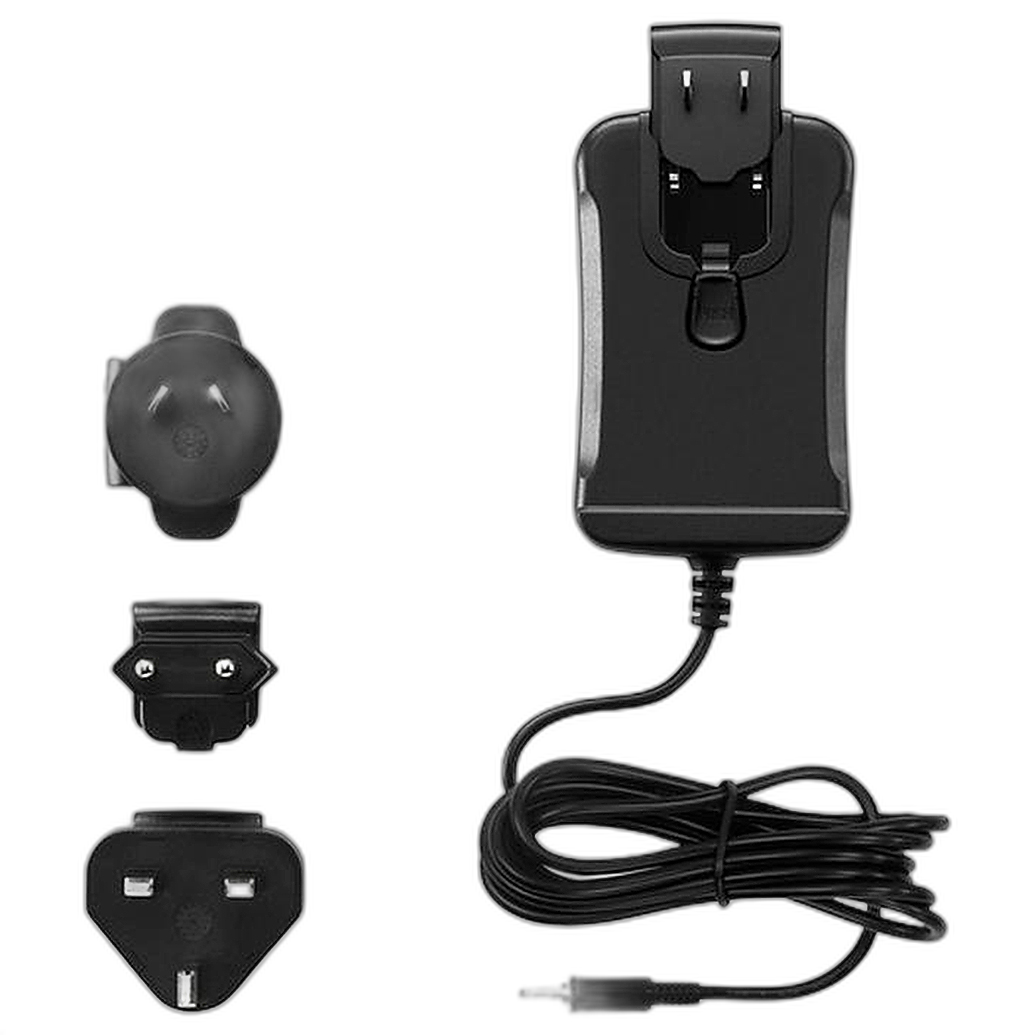
Mirrorless cameras are the current standard, offering advanced autofocus, compact bodies, and strong video features. DSLRs remain capable and can be great value used. If you’re video-first, a cinema-oriented body offers better codecs and pro I/O—just plan for robust power. For Blackmagic Pocket Cinema Camera users, an OEM power supply is an affordable reliability boost for studio and desk work.
Film cameras deliver a unique creative experience and can teach exposure fundamentals—just factor in ongoing film and processing costs.
Which first lenses should I consider?
Start with versatility, then add lenses that fit your style:
- Walkaround zoom: A compact standard zoom (e.g., 24–70mm equivalent) covers everyday scenes.
- Fast prime: A 35mm or 50mm prime improves low-light shooting and teaches composition with a single focal length.
- Ultrawide or telephoto: Add based on your interests—ultrawide for landscapes/architecture, telephoto for sports/wildlife.
For Sony full-frame E‑mount users, an ultrawide like the Zeiss Batis 18mm f/2.8 pairs beautifully with a standard zoom to round out a two‑lens beginner kit.
What accessories are essential on day one?
Don’t overlook the small things that make cameras easier to use and safer to carry:
- Comfortable strap: A low‑profile strap like the PGYTECH Camera Strap Slim helps you keep your camera ready without neck strain.
- Protective, organized carry: The Nomatic Luma Camera Pack 18L balances camera organization with daily carry space for chargers and a tablet.
- Power and media: Extra battery, reliable charger, and fast, brand‑appropriate memory cards.
- Basic protection: A rain cover or small dry bag if you shoot outdoors frequently.
Do I need an extended warranty?
Extended coverage is smart if you shoot frequently, rely on your camera for work or travel, or want long-term peace of mind. Brand-backed plans keep your gear operational and protect resale value. Nikon shooters can add manufacturer coverage with Nikon Care plans, while RED users shooting with KOMODO‑X can extend factory protection with RED’s Extended Warranty (when purchased within the eligible window).
How do I plan an upgrade path and preserve resale value?
Pick a lens mount with a healthy roadmap, buy lenses you can keep across body upgrades, and keep boxes, caps, and paperwork. Maintain your gear, get sensors cleaned periodically, and consider Unique Photo’s trade‑in program when you’re ready to move up—strong condition and complete kits bring better trade values.
What’s a good first‑week practice plan with a new camera?
Set your camera to Aperture Priority, learn exposure compensation, and practice in varied light. Try a portrait session (eye AF), a low‑light walk (high ISO + stabilization), and a short video clip (check audio and focus). Review your images, note where the camera helped or struggled, and adjust custom buttons to speed up your workflow.
Ready to find your first camera and build a kit that lasts? Visit Unique Photo online or stop by our New Jersey superstore for hands‑on advice, trade‑in options, and classes to accelerate your skills.