If you enter photo contests, the question usually is not whether editing is allowed, but how much editing is acceptable. That makes ethics just as important as technique. This guide is for photographers who want to compete confidently, avoid disqualification, and build a workflow that supports honest image-making from capture through submission. While ethics starts with reading the rules, the right gear can also help you rely less on heavy manipulation and more on strong in-camera results.
Below, we look at common ethical concerns around Photoshopping contest entries, what kinds of edits are usually acceptable, and a few smart gear options that can help you get closer to the final image at the moment of capture.
Why Photoshopping Contest Entries Can Become an Ethical Issue
Most contests separate editing into a few broad categories: basic corrections, creative interpretation, and deceptive alteration. Exposure balancing, white balance adjustment, contrast tuning, dust-spot removal, and modest cropping are often acceptable. Replacing skies, adding or removing subjects, compositing multiple frames without disclosure, or changing the factual content of a scene can quickly cross the line in documentary, wildlife, journalism, and many general-interest contests.
The ethical concern is usually not Photoshop itself. It is whether the edit misrepresents reality, violates published rules, or gives one entrant an unfair advantage over others who followed stricter standards. In other words, contest ethics are about transparency, intent, and category expectations.
How Better Capture Technique Reduces Ethical Risk
One of the easiest ways to stay on solid ground is to create stronger files in camera. If you can fill the frame better, preserve more detail, and avoid aggressive crops, you may not feel pressure to “fix” the image later in ways a contest might question. That is especially true for wildlife, sports, nature, and distant-subject categories where teleconverters and long-lens setups can help you maintain authenticity while improving composition.
These product picks are not Photoshop tools. They are image-making tools that can help you capture more contest-ready images cleanly and honestly.
Recommended Gear for Stronger, More Ethical In-Camera Results
Nikon AF-S TC-14E III 1.4x Teleconverter Lens - Black
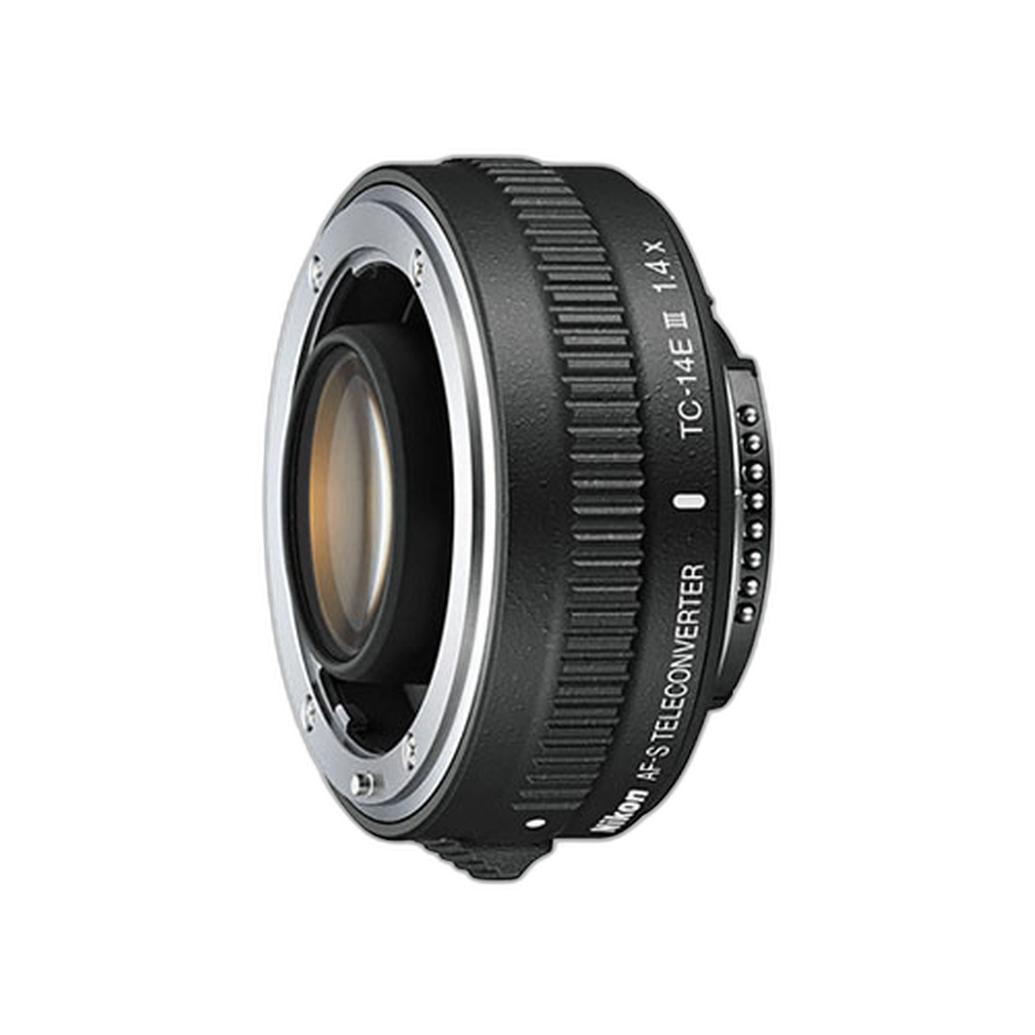
For photographers shooting Nikon super-telephoto or compatible telephoto lenses, the TC-14E III is a smart tool for contest work where preserving subject integrity matters. A 1.4x teleconverter helps you get tighter framing in camera, which can reduce the need for dramatic cropping later. That matters because severe crops can sometimes raise questions about image quality, overprocessing, or whether the image has been pushed too far in post.
This is a particularly strong choice for wildlife and outdoor photographers who want reach without stepping into manipulation. If the contest allows standard tonal edits but frowns on heavy digital reconstruction, getting physically closer through optics is the cleaner solution.
Best for: Nikon shooters entering wildlife, birding, outdoor, and sports contests.
Why it fits this guide: Better framing at capture can mean less reliance on questionable post-processing.
Hasselblad XCD 135mm f/2.8 Lens with 1.7x Teleconverter
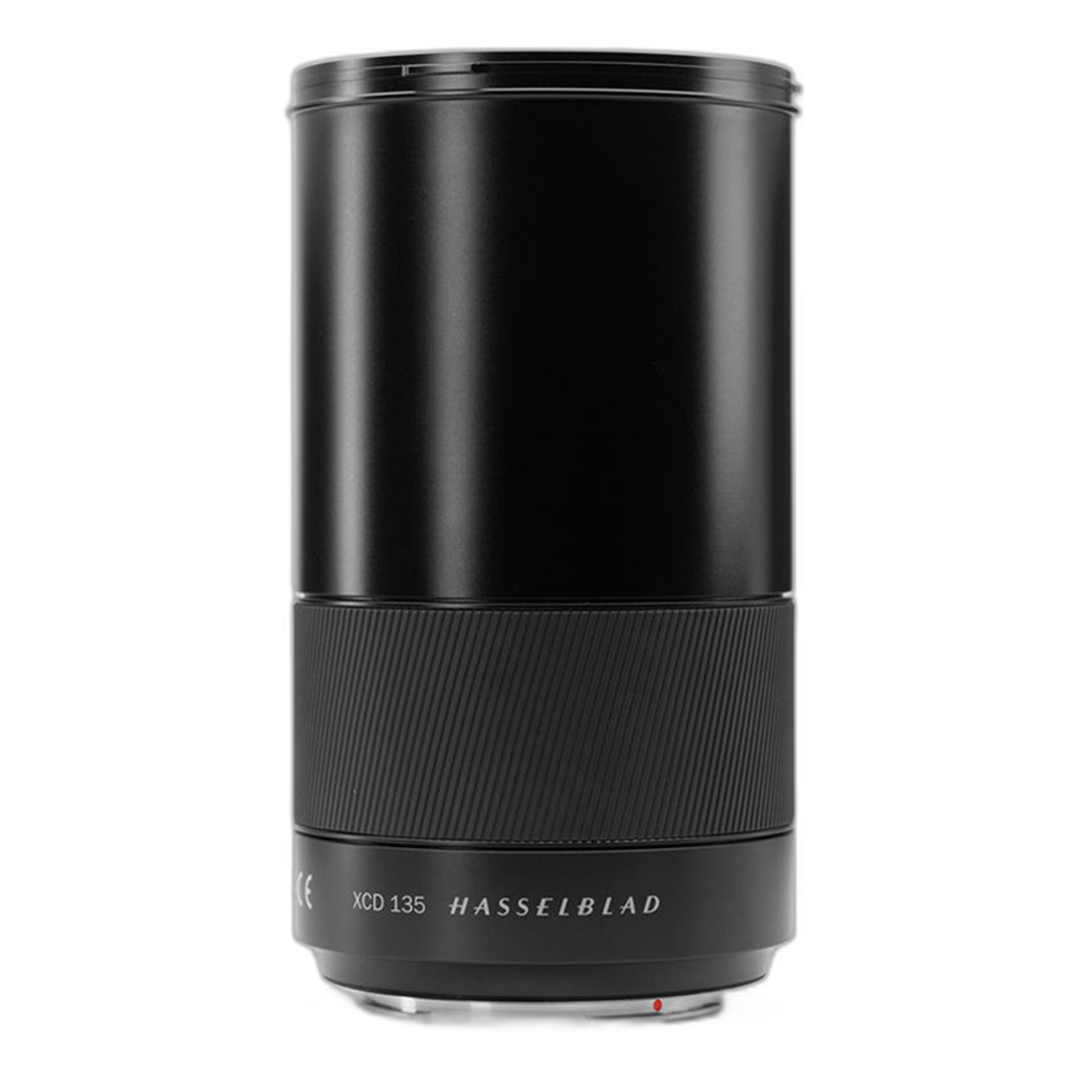
This Hasselblad combination is ideal for photographers who prioritize image quality and detail from the outset. In contests where judges value technical excellence but also authenticity, starting with an exceptionally strong file can reduce the temptation to over-edit. The included 1.7x teleconverter adds flexibility for portrait, landscape detail, and compressed-perspective work while preserving a disciplined, capture-first workflow.
For fine art contests, the rules may allow broader interpretation, but even there, starting with premium optical quality gives you more room for subtle edits rather than rescue edits. That difference often shows.
Best for: Medium format photographers pursuing fine art, portrait, and detail-focused competition work.
Why it fits this guide: High-quality capture supports restrained, credible editing.
Fujifilm FUJINON XF 200mm f/2 R LM OIS WR Lens with XF1.4x Teleconverter
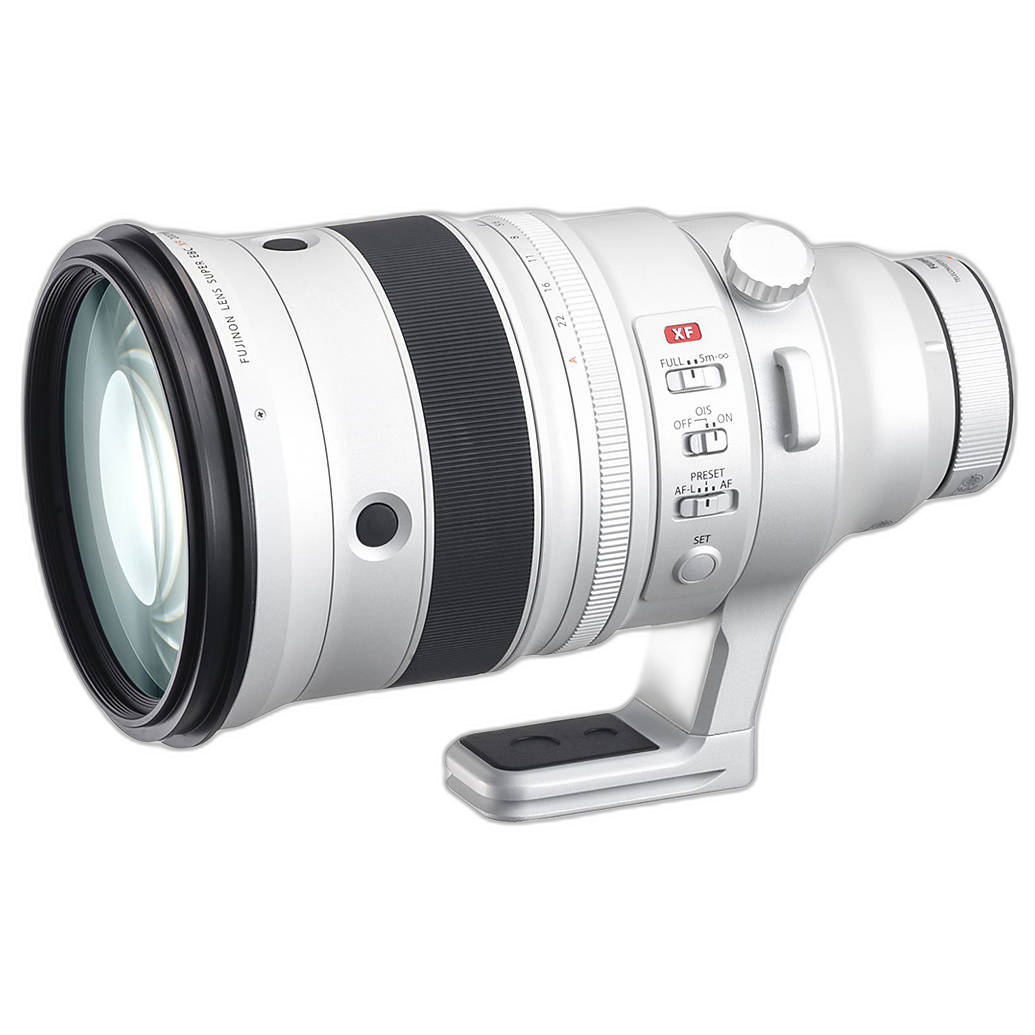
This Fujifilm setup is an excellent example of using the right optics instead of relying on aggressive digital enlargement or manipulation. The fast 200mm f/2 design paired with the included 1.4x teleconverter gives Fujifilm shooters a powerful contest-ready combination for action, wildlife, and selective-subject compositions. Cleaner subject isolation in camera can reduce the urge to use heavy background blurring, edge masking, or other edits that may look unnatural under scrutiny.
In contests where original RAW files may be requested, images made with strong optics and clear intent often hold up better than files that depend on extensive reworking.
Best for: Fujifilm users shooting sports, wildlife, and high-impact portraiture.
Why it fits this guide: Strong optics help you create dramatic images honestly at capture.
Used Nikon AF-S TC-14E III 1.4x Teleconverter - Excellent
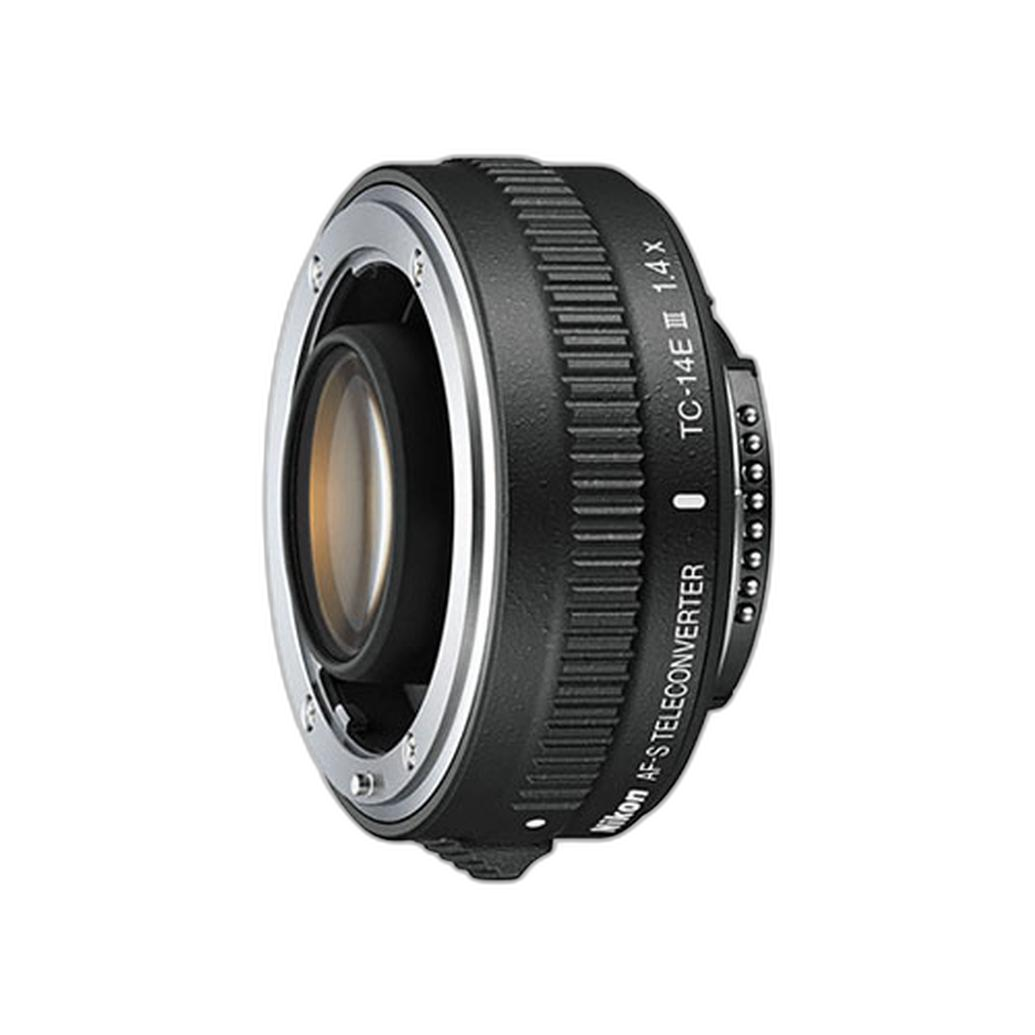
If you want the ethical benefits of tighter in-camera framing without stretching your budget, a used teleconverter is a practical choice. Contest photographers often spend heavily on travel, printing, entry fees, and backup storage, so finding value in used gear can make sense. This Nikon option offers the same basic workflow advantage as the new version: more reach, less need for severe cropping, and a more transparent path from capture to final submission.
Best for: Budget-conscious Nikon photographers building a contest kit.
Why it fits this guide: Ethical capture practices do not have to require a brand-new setup.
For most photographers thinking practically about contest ethics, this is the clearest recommendation. It directly supports a more honest workflow by helping you compose tighter in camera, especially in wildlife and sports scenarios where over-cropping can lead to heavier editing later.
Quick Comparison
| Product | Best Use | Main Ethical Advantage | Ideal User |
|---|---|---|---|
| Nikon AF-S TC-14E III 1.4x | Wildlife, sports | Reduces need for heavy crops | Nikon DSLR/telephoto users |
| Hasselblad XCD 135mm f/2.8 with 1.7x TC | Fine art, portrait, detail work | Exceptional file quality for subtle editing | Medium format photographers |
| Fujifilm XF 200mm f/2 with XF1.4x TC | Action, wildlife, portrait | Strong subject isolation and reach in camera | Fujifilm X shooters |
| Used Nikon AF-S TC-14E III 1.4x | Budget contest kit | Affordable way to avoid over-cropping | Value-focused Nikon users |
What Edits Are Usually Ethical in Photo Contests?
Always check the rules first, but these edits are commonly allowed in many contests:
- Exposure, contrast, and color correction
- White balance adjustment
- Moderate cropping and straightening
- Sharpening and noise reduction
- Sensor dust removal
These edits are more likely to create ethical concerns, especially without disclosure:
- Adding, moving, or removing subjects
- Sky replacement
- Compositing multiple images where not permitted
- AI-generated or AI-expanded content if rules prohibit it
- Manipulations that alter documentary truth in journalism, wildlife, or nature categories
How to Protect Yourself From Disqualification
A careful submission workflow is just as important as your edit itself. Keep the RAW file, preserve your edit history where possible, and export a final version that matches the contest specifications exactly. If a contest asks whether elements were removed or combined, disclose fully. Judges and organizers are often more receptive to transparent entrants than to technically strong images with questionable provenance.
It also helps to choose categories correctly. A heavily stylized image may work in open creative competition but fail immediately in documentary or natural-world categories.
Should You Avoid Photoshop Entirely?
No. Photoshop and other editing tools are part of modern photography. The ethical issue is not using software, but using it in a way that breaks the contest's standards or misleads viewers. In many contests, careful post-processing is expected. The safest approach is simple: enhance, do not deceive.
Conclusion
If you are concerned about the ethics of Photoshopping contest entries, the best answer is to combine rule awareness with a capture-first workflow. Get the image as close as possible in camera, use editing to refine rather than reinvent, and keep your original files organized. For photographers who want to reduce reliance on aggressive post-processing, gear such as the Nikon AF-S TC-14E III 1.4x Teleconverter Lens is an especially practical investment. If you are ready to build a contest-ready setup that supports cleaner, more credible results, Unique Photo is a great place to start.