Great portrait photography does not require the most expensive lens in the store. What matters more is choosing a focal length that flatters your subject, understanding how aperture changes the look of your background, and shopping smart when you are considering third-party or used gear. If you are building a portrait kit on a budget, there are plenty of excellent options that can deliver polished, professional-looking results without overspending.
Below are practical tips to help you compare affordable portrait lenses, think through focal lengths, and decide when a used lens from Unique Photo can be the right move.
Start with a focal length that matches your portrait style
1. Use short telephoto lenses for classic portraits
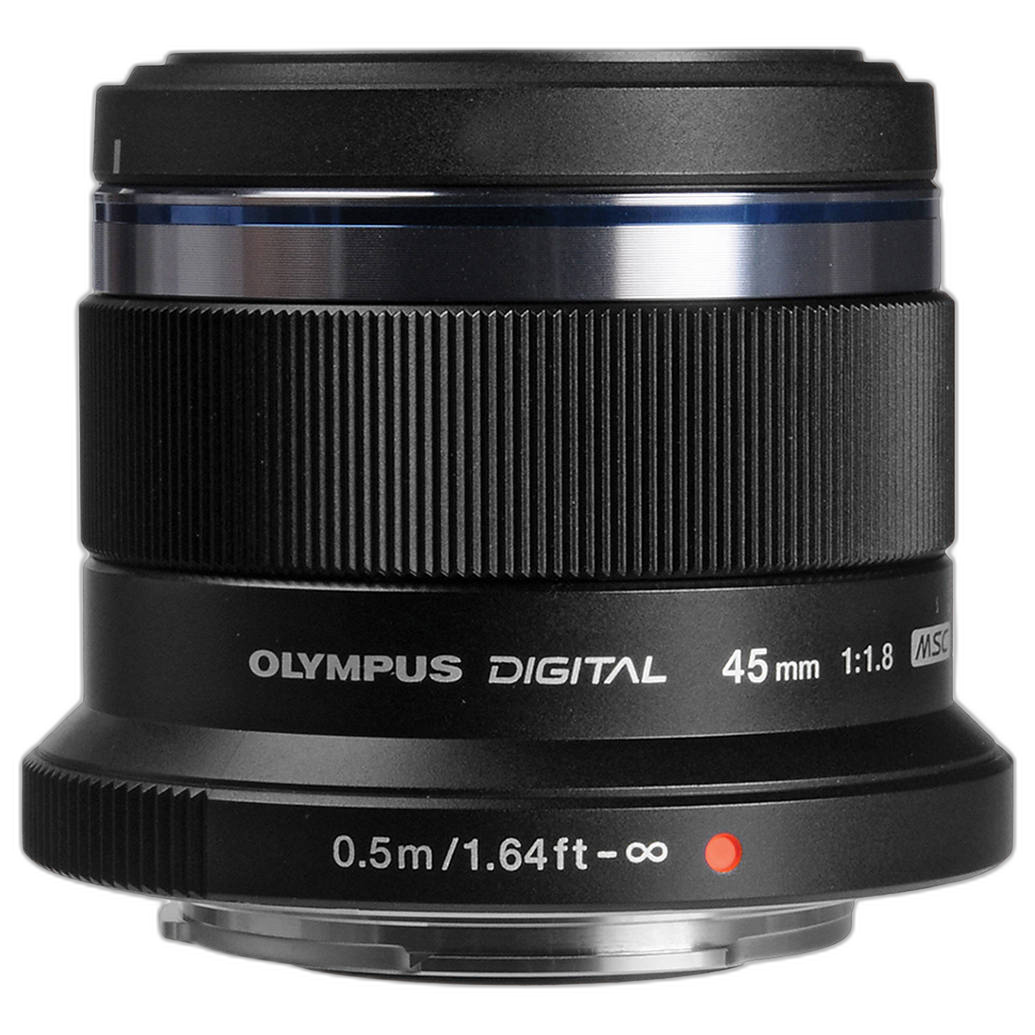
For many photographers, the sweet spot for portraits is somewhere around 45mm to 85mm depending on sensor size. These focal lengths give faces a natural look and make it easier to create pleasant subject separation. A lens like the Used Olympus M.Zuiko Digital 45mm f/1.8 Portrait Lens is a perfect example of an affordable, lightweight option that many portrait shooters love because it gives flattering compression on Micro Four Thirds while staying compact and approachable for newer photographers.
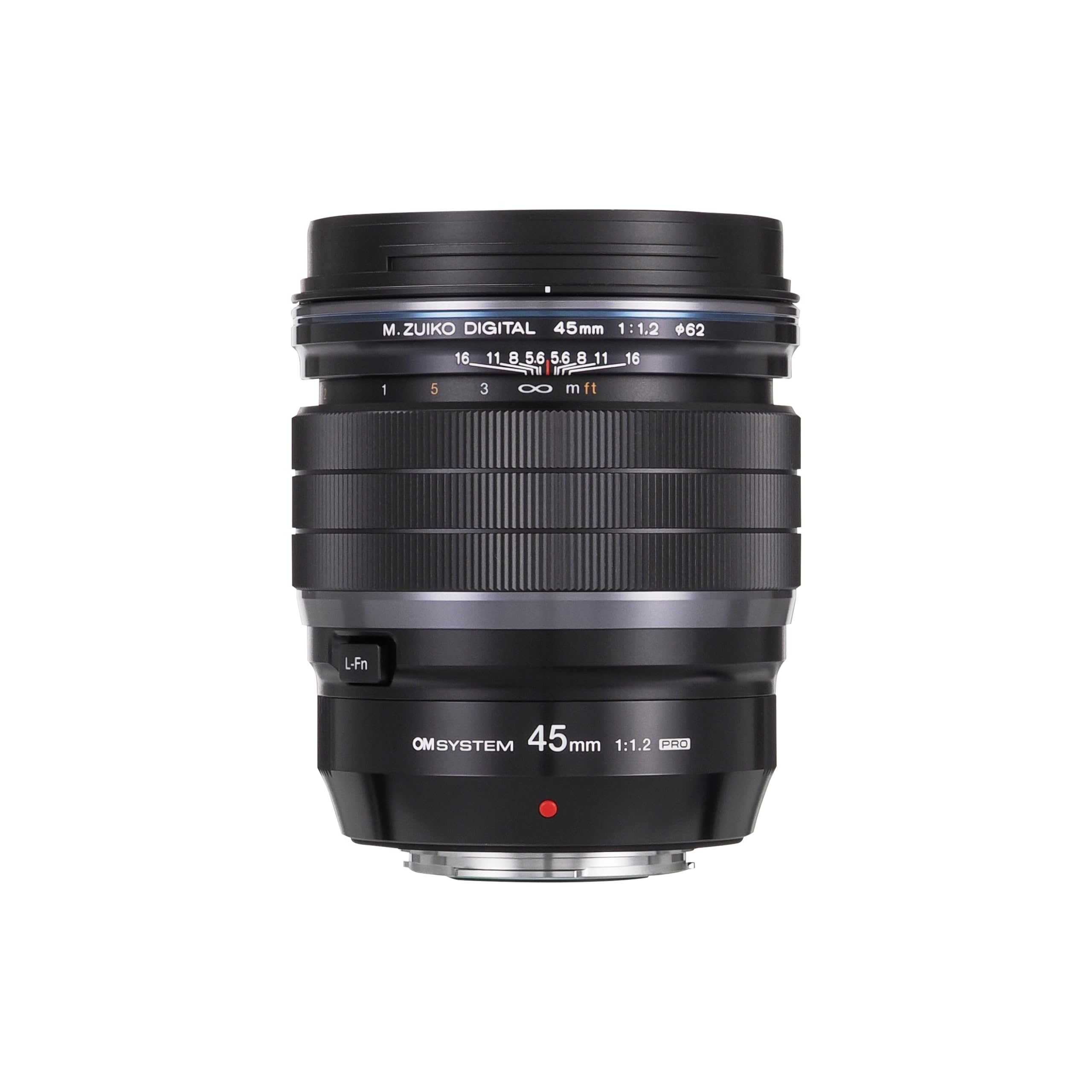
If you want to step up to a faster premium option in the same general portrait-friendly range, the OM SYSTEM M.Zuiko Digital ED 45mm f/1.2 PRO Lens offers even more background blur and stronger low-light flexibility.
2. Use wider focal lengths for environmental portraits
Not every portrait has to be tightly framed. If you like showing more of the location, wardrobe, or atmosphere, a wider lens can be a smart buy. The Used Olympus M.Zuiko Digital 17mm f/1.8 is a good example of a lens that works well for environmental portraits, street portraits, and storytelling images where the background matters as much as the person.
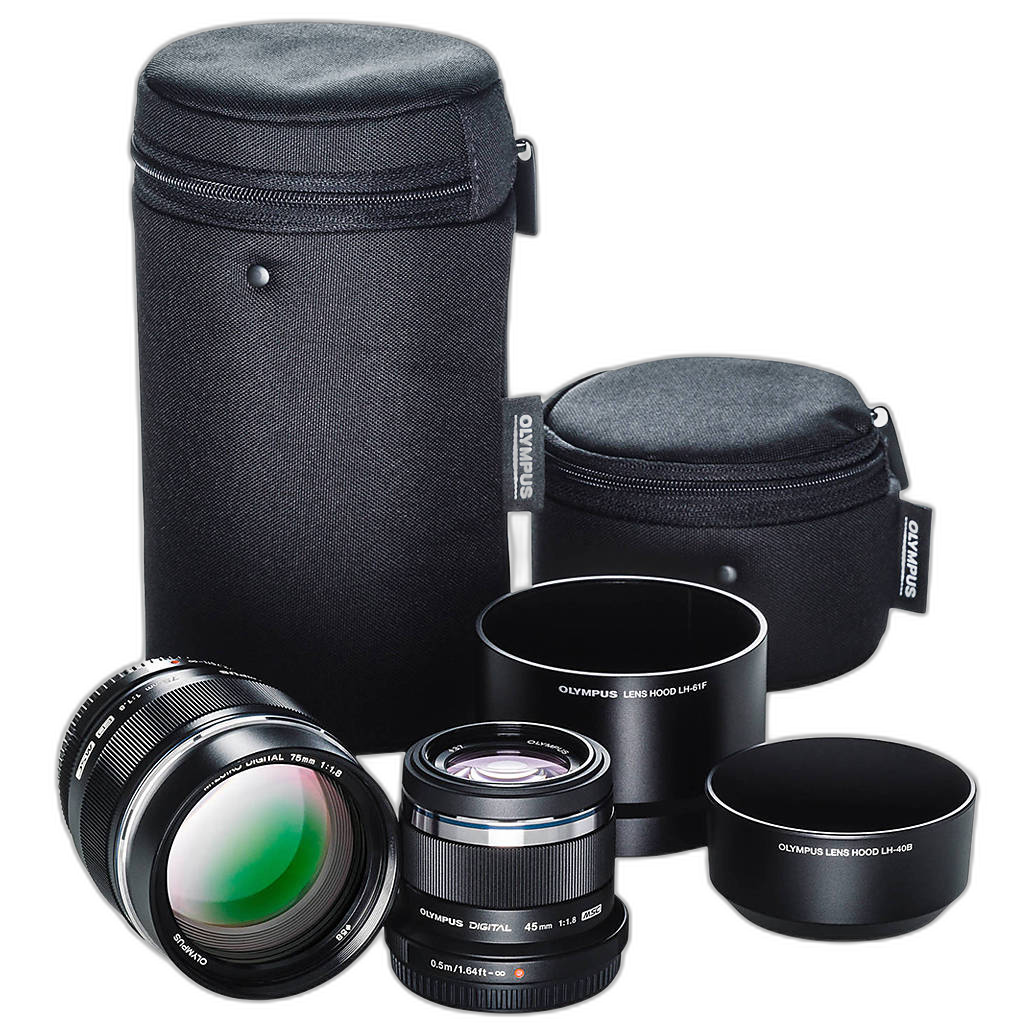
The key with wider portrait lenses is distance and framing. Get too close and facial features can distort, so they are usually best for half-body or full-body portraits rather than extreme close-ups.
Understand why aperture matters so much in portraits
3. Fast apertures help your subject stand out
One reason portrait photographers chase lenses like f/1.8, f/1.7, or f/1.2 is the ability to separate the subject from the background. That shallow depth of field can turn a busy location into a softer, cleaner backdrop. Even an affordable lens can create a beautiful portrait look when shot wide open with good subject-to-background distance.
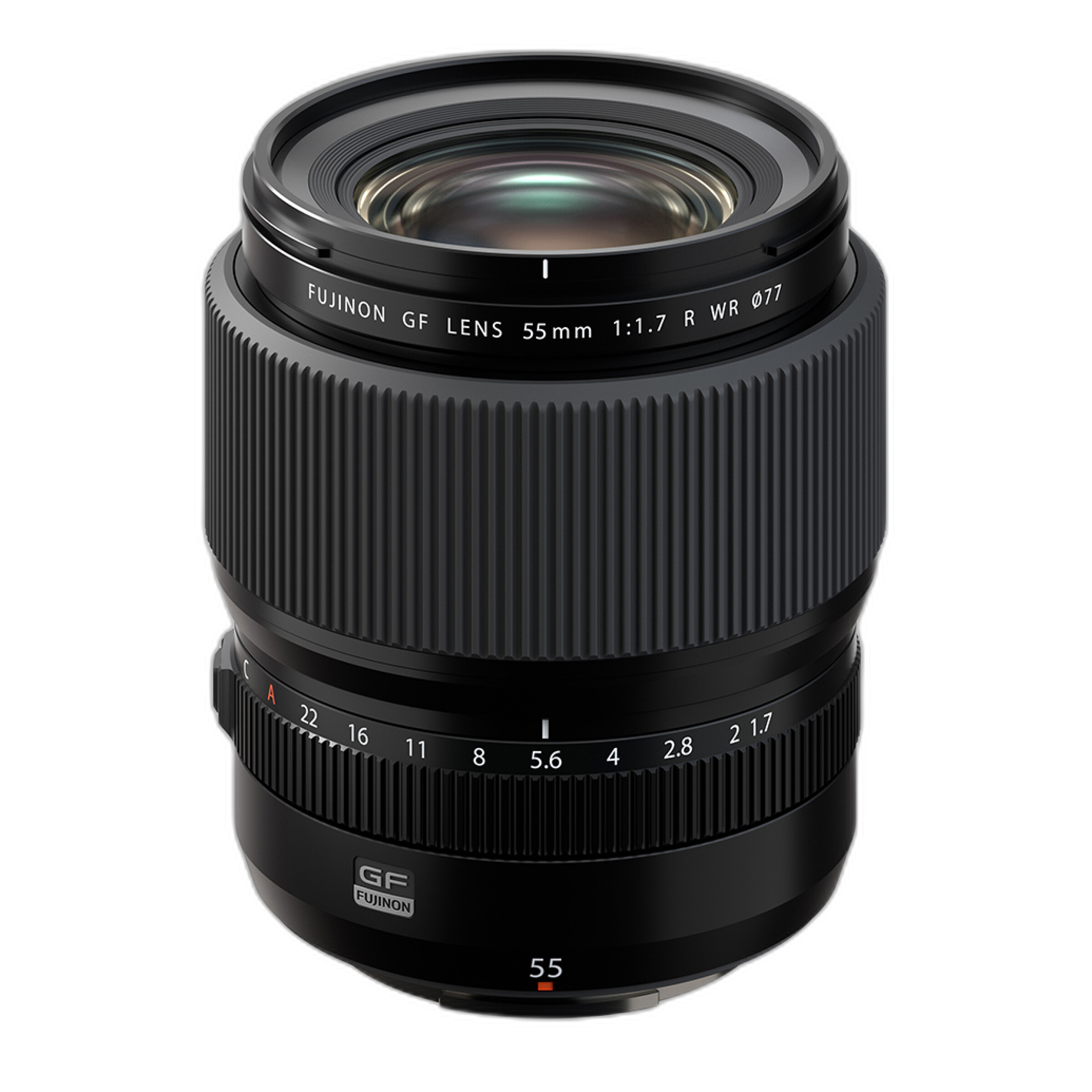
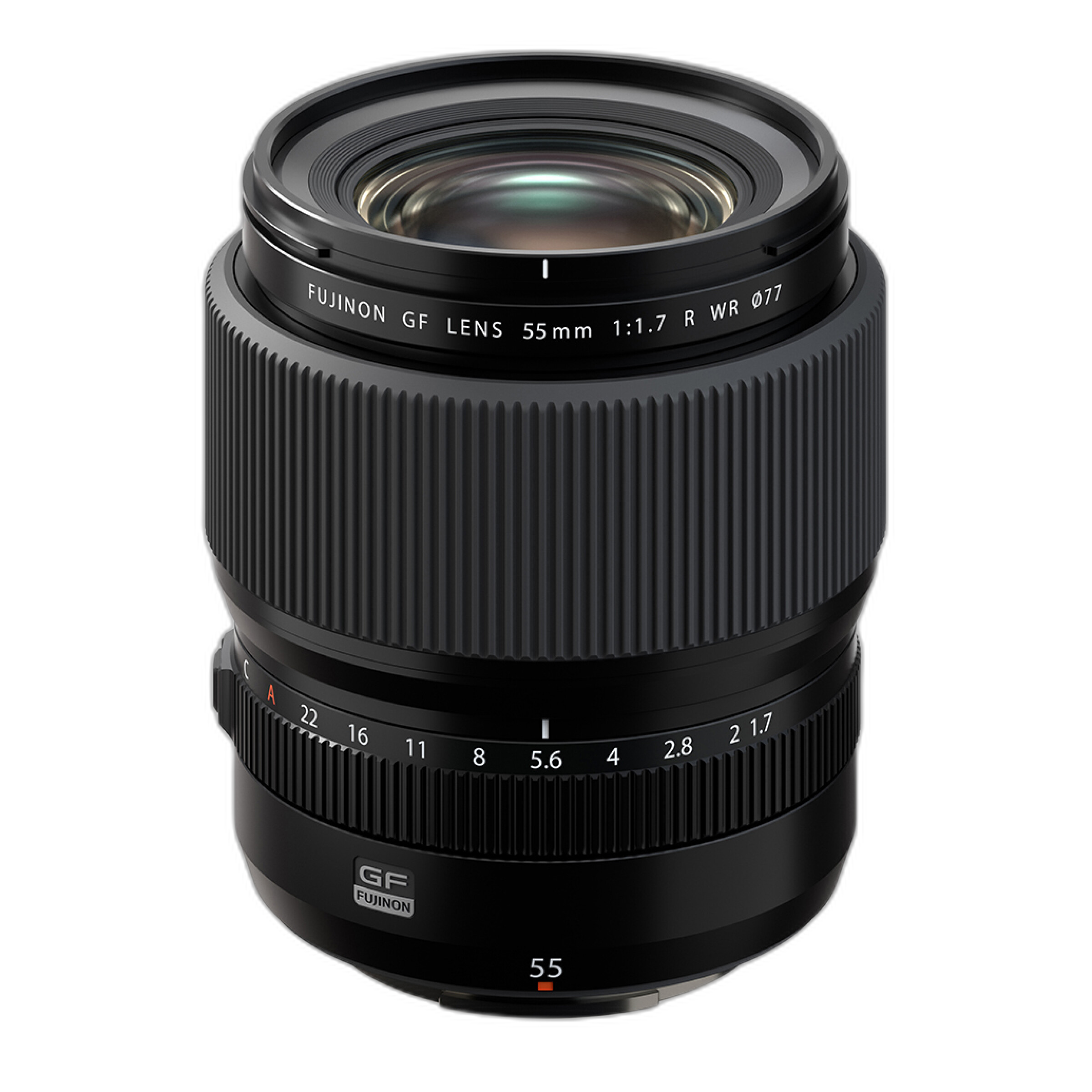
For example, the Fujifilm FUJINON GF 55mm f/1.7 R WR Lens is a standout choice for medium format portrait shooters who want a fast aperture and a refined rendering style.
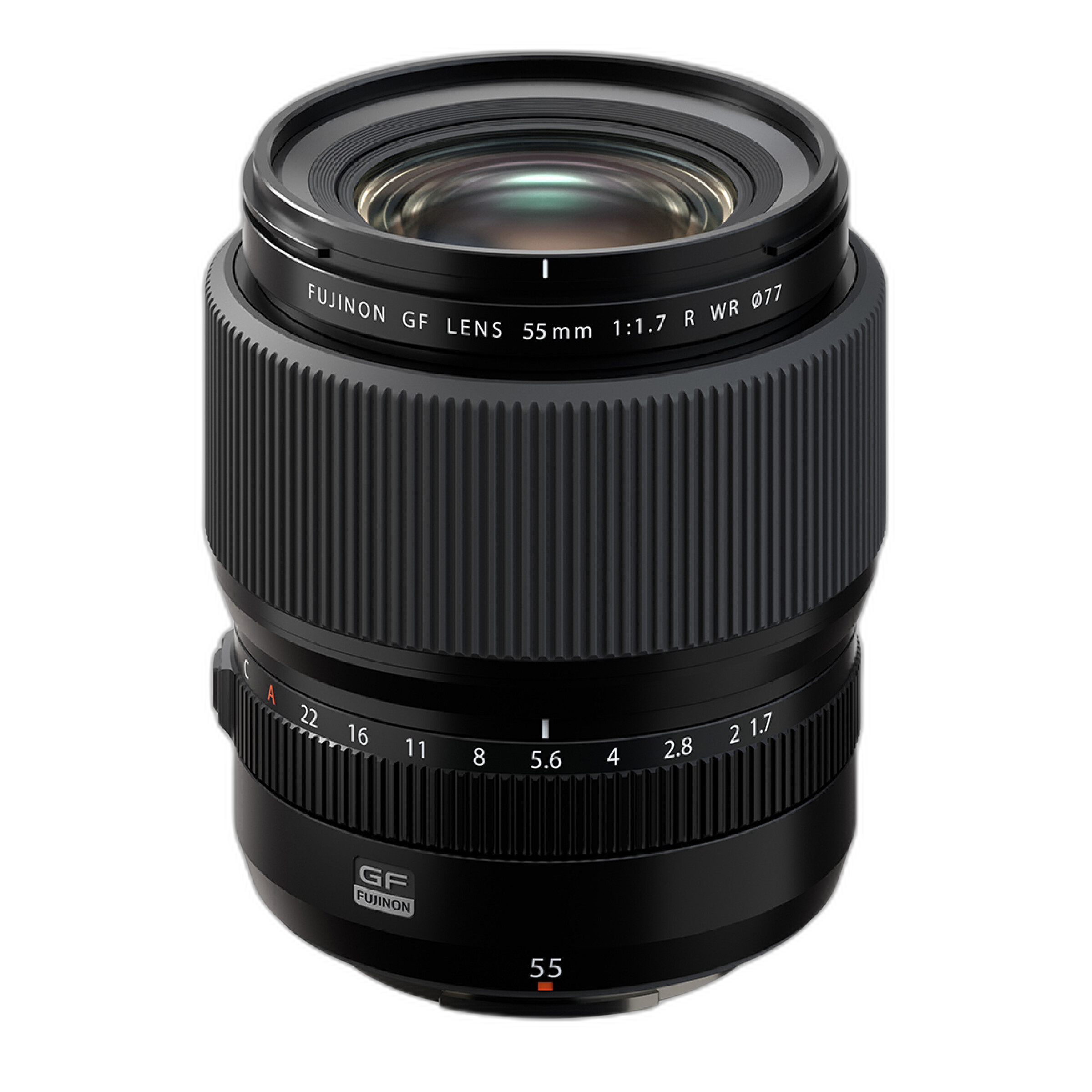
If budget is a major factor, comparing the new version with a Used Excellent Fujifilm FUJINON GF 55mm f/1.7 R WR Lens or a Used Good Fujifilm FUJINON GF 55mm f/1.7 R WR Lens can be a smart way to access the same focal length and optical design at a lower price point.
4. Remember that fast is helpful, but technique still matters
A lens with a wide maximum aperture is useful, but shooting every portrait at the widest setting is not always ideal. If one eye is sharp and the other is soft, stopping down slightly can improve consistency. Fast lenses are best viewed as flexible tools: use them for creamy backgrounds when you want them, then stop down when you need more of the face in focus.
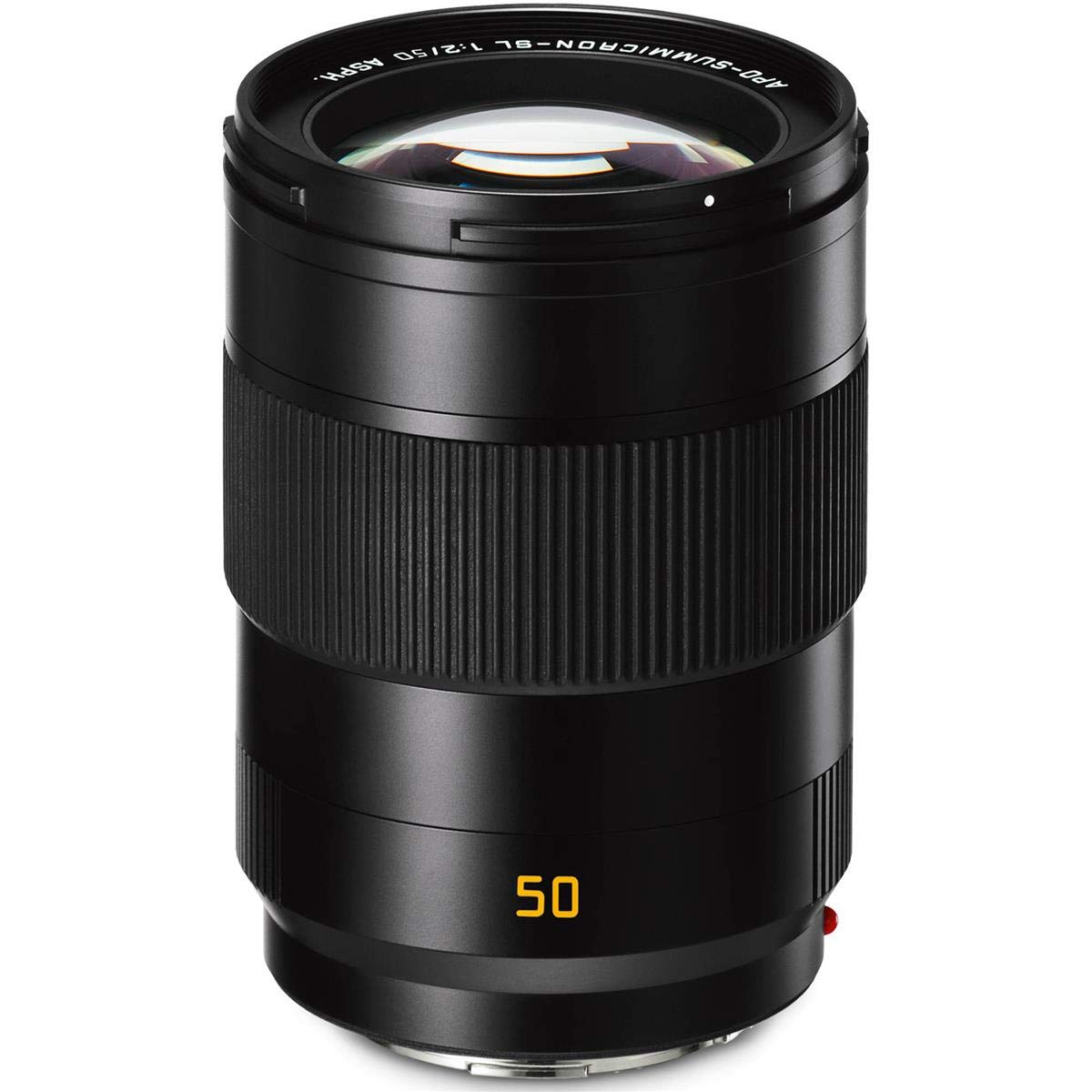
That is part of what makes high-end portrait lenses like the Used Leica APO-Summicron-SL 50mm f/2 ASPH Lens so appealing. Even at f/2, a lens like this can deliver impressive separation, clean detail, and smooth rendering, proving that portrait quality is about more than just the smallest f-number.
Buy used gear strategically to stretch your portrait budget
5. Used lenses can offer some of the best value in portrait photography
Portrait lenses tend to hold their usefulness for a long time. Unlike camera bodies, lenses do not become outdated nearly as quickly, which is why buying used can be such a practical move. A well-kept used portrait prime often delivers the same image quality and handling you would expect from a new copy, but at a more accessible price.
The Used Olympus M.Zuiko Digital 45mm f/1.8 Portrait Lens is a great example of a budget-friendly entry into portrait photography, while used options like the Used Leica APO-Summicron-SL 50mm f/2 ASPH Lens or the used Fujifilm GF 55mm f/1.7 versions can help photographers reach into more premium categories without paying full new-lens pricing.
6. Check condition grades and think about real-world priorities
When comparing used gear, condition labels such as Like New, Excellent, or Good can tell you a lot about cosmetics and wear. For portrait work, mild exterior wear may not matter much if the glass is clean and autofocus performs properly. That is why a lens graded Good can sometimes be a fantastic value if your main goal is image quality rather than display-case appearance.
For instance, choosing between the Used Excellent Fujifilm FUJINON GF 55mm f/1.7 R WR Lens and the Used Good Fujifilm FUJINON GF 55mm f/1.7 R WR Lens may come down to how much you value cosmetic condition versus savings.
Be careful when considering third-party lenses
7. Third-party can be excellent, but compatibility should come first
Third-party portrait lenses can be a very smart way to save money, especially if you are looking for fast apertures at a lower cost. Still, before buying, make sure autofocus performance, firmware support, and camera-body compatibility are where you need them to be. Portrait photographers who rely on eye-detection AF should pay especially close attention to how a lens performs in real use, not just on paper.
Even if you ultimately decide to stay with native glass, this comparison mindset helps. Lenses like the Olympus 45mm f/1.8 or OM SYSTEM 45mm f/1.2 PRO show how native options can range from budget-friendly to premium while offering dependable communication with the camera system.
8. Think about size, weight, and how often you will actually carry the lens
An affordable portrait lens is only a good value if you enjoy using it. Smaller primes are often easier to carry to family sessions, events, travel shoots, or casual portrait walks. That is one reason lenses like the Used Olympus M.Zuiko Digital 45mm f/1.8 remain so popular. They are easy to pack, easy to handle, and capable of beautiful results.
At the other end of the spectrum, larger lenses such as the Fujifilm GF 55mm f/1.7 may reward you with a premium look, but they make more sense for photographers who are comfortable working with a bigger setup.
Match the lens to the kind of portraits you actually shoot
9. Build around your most common subjects and locations
- Headshots and tighter framing: look toward short telephoto options like a 45mm on Micro Four Thirds or a 50mm equivalent style lens.
- Lifestyle and environmental portraits: a wider option like the Olympus 17mm f/1.8 can help include more context.
- Low-light portraits: prioritize fast apertures such as f/1.8, f/1.7, or f/1.2.
- Premium rendering and detail: lenses like the Leica 50mm f/2 or Fujifilm GF 55mm f/1.7 may be worth the investment, especially if purchased used.
Buying with your real shooting style in mind will save you more money than chasing specs alone.
Conclusion
The best affordable portrait lens is not always the newest or the fastest one. It is the lens that fits your camera system, your budget, and the way you like to photograph people. Whether you start with a compact favorite like the Used Olympus M.Zuiko Digital 45mm f/1.8, explore environmental portraits with the Used Olympus 17mm f/1.8, or move into premium portrait rendering with a Leica or Fujifilm option, smart lens choices can make a real difference in your images.
If you are ready to upgrade your portrait kit, Unique Photo is a great place to compare new and used lenses, weigh your options, and find a lens that helps you shoot with more confidence.