Photo contests can be exciting, frustrating, motivating, and occasionally humbling—all at once. If you have ever wondered whether entering is really worth the fee, the effort, or the emotional roller coaster, the short answer is: yes, if you approach contests as a tool for growth rather than a guaranteed path to recognition. Some photographers collect awards quickly; others rack up rejections before finally landing a shortlist. Both experiences can be valuable.
Below are practical tips for deciding when to enter, how to prepare, and how to make the most of both successes and failures.
1. Enter contests for feedback, focus, and momentum—not just prizes
Know what a contest can really do for you
The biggest benefit of entering contests is often not the trophy or cash award. It is the discipline of editing your work, choosing your strongest images, and seeing how your photography stacks up against a theme or standard. A good contest forces you to ask: Does this image say something clearly? Is it technically strong? Is it memorable?
If you are trying to build a more intentional body of work, attending programs like EXPO: Stories from the Road - Photography Across Worlds w. Matthew Borowick can help sharpen the storytelling side of your submissions. Many contests reward not only a striking single image but also a point of view.

2. Read the rules like an editor, not an optimist
Many contest failures happen before judging even begins
- Double-check file size, dimensions, and naming requirements.
- Confirm whether heavy compositing, AI elements, or object removal are allowed.
- Pay attention to capture dates and eligibility windows.
- Read model release and location-use requirements carefully.
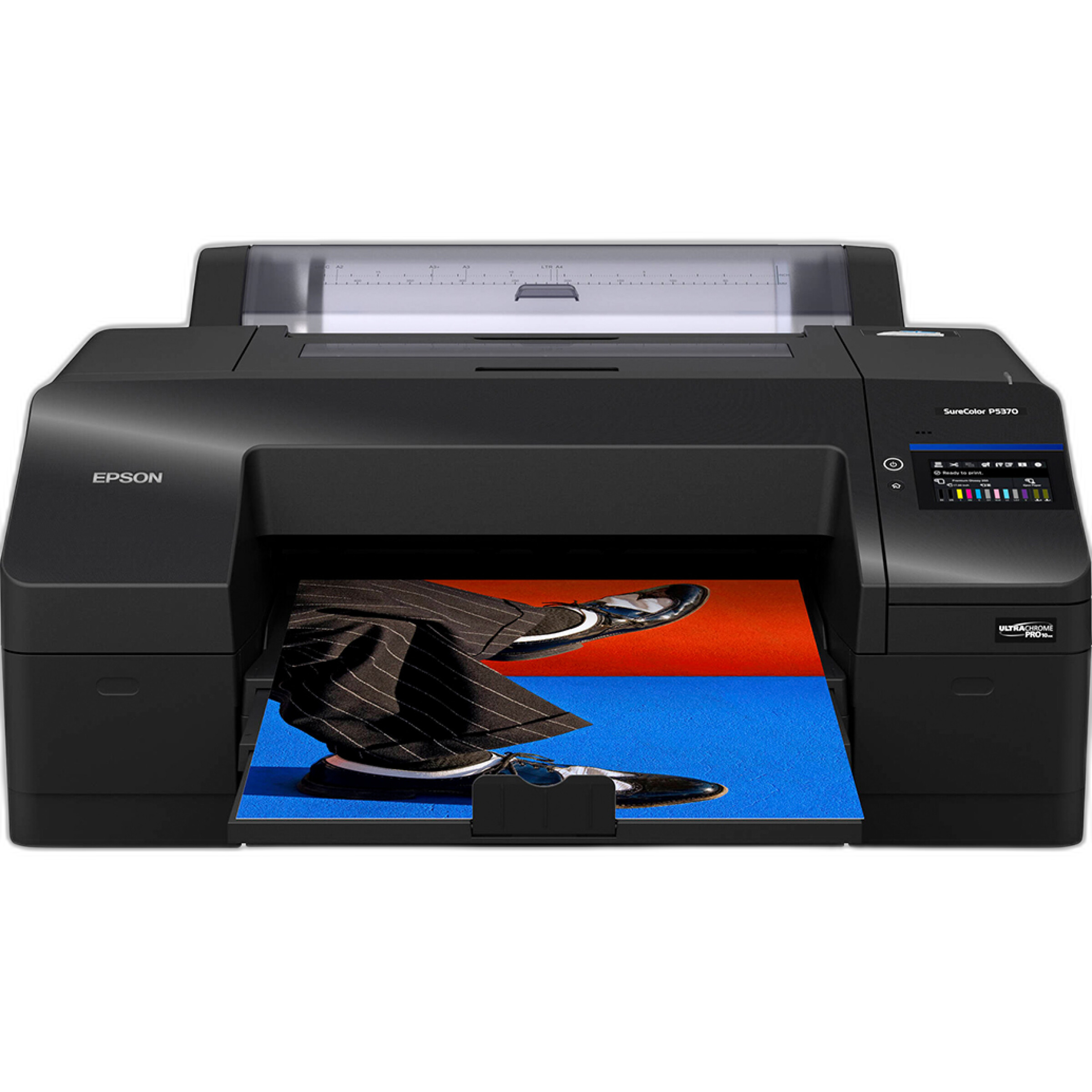
A surprising number of strong entries are disqualified for technical reasons. If a contest calls for prints, presentation matters too. A polished print from the Epson SureColor P5370 17-Inch Professional Photographic Printer can give you more control over color and finish when a competition includes physical judging or exhibition display.
3. Match your image to the contest, not the other way around
Great photos still lose when they enter the wrong category
One of the most common mistakes photographers make is submitting a favorite image everywhere. A beautiful landscape may not perform in a documentary category. A dramatic portrait may not fit a travel brief. Before entering, study past winners and finalists. Look for patterns in mood, composition, storytelling, and editing style.
If you are building category-specific work, workshops and excursions can be useful for creating contest-ready images with intention. For example, Macro and Landscape Photography at Duke Farms with Michael Downey can help you produce stronger nature and landscape entries, while Photograph Fluorescent Zinc Ore at Sterling Hill Mine offers a chance to create unusual visual material that could stand out in abstract, fine art, or science-themed categories.


4. Print your finalists before you submit
Seeing your work off-screen changes your editing decisions
Even if a contest accepts only digital files, printing your top picks can reveal issues that are easy to miss on a monitor: weak edges, distracting highlights, over-sharpening, muddy shadows, or slightly awkward crops. A simple set of Unique Photo Lab 4x6 Print Glossy prints is an affordable way to compare options side by side before committing to your final choices.
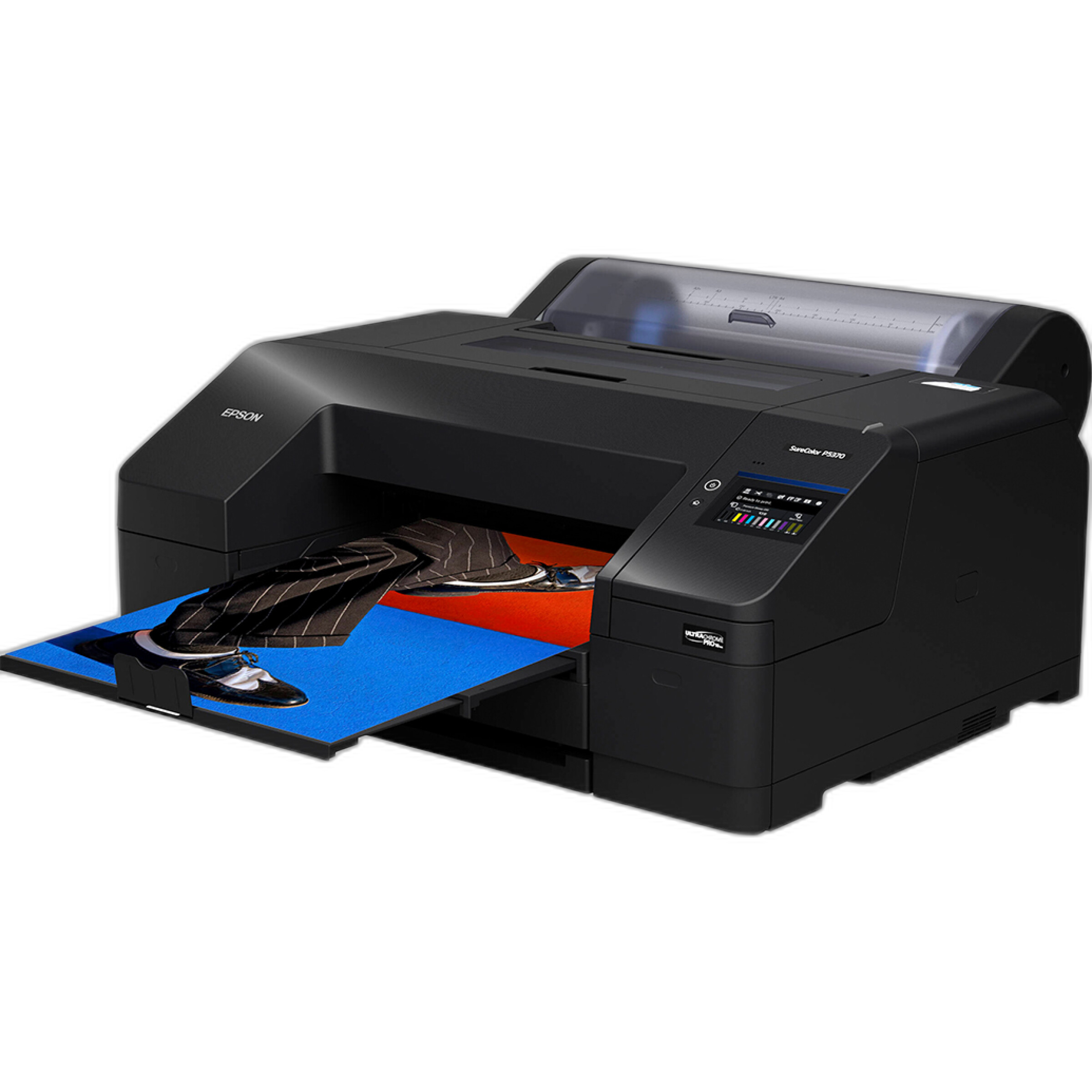
If you print frequently at home, the Epson SureColor P5370 is a strong option for photographers who want dependable color and gallery-quality output for competition prep, portfolios, and exhibition prints.
5. Keep a record of what you entered—and what happened
Your losses become useful when you track them
Most photographers remember their wins but forget the patterns in their rejections. Start keeping a contest archive with the images you submitted, the category, the date, the result, and any notes about why you chose them. Over time, you may notice that your black-and-white work performs better than your color work, or that your environmental portraits consistently place higher than your street images.
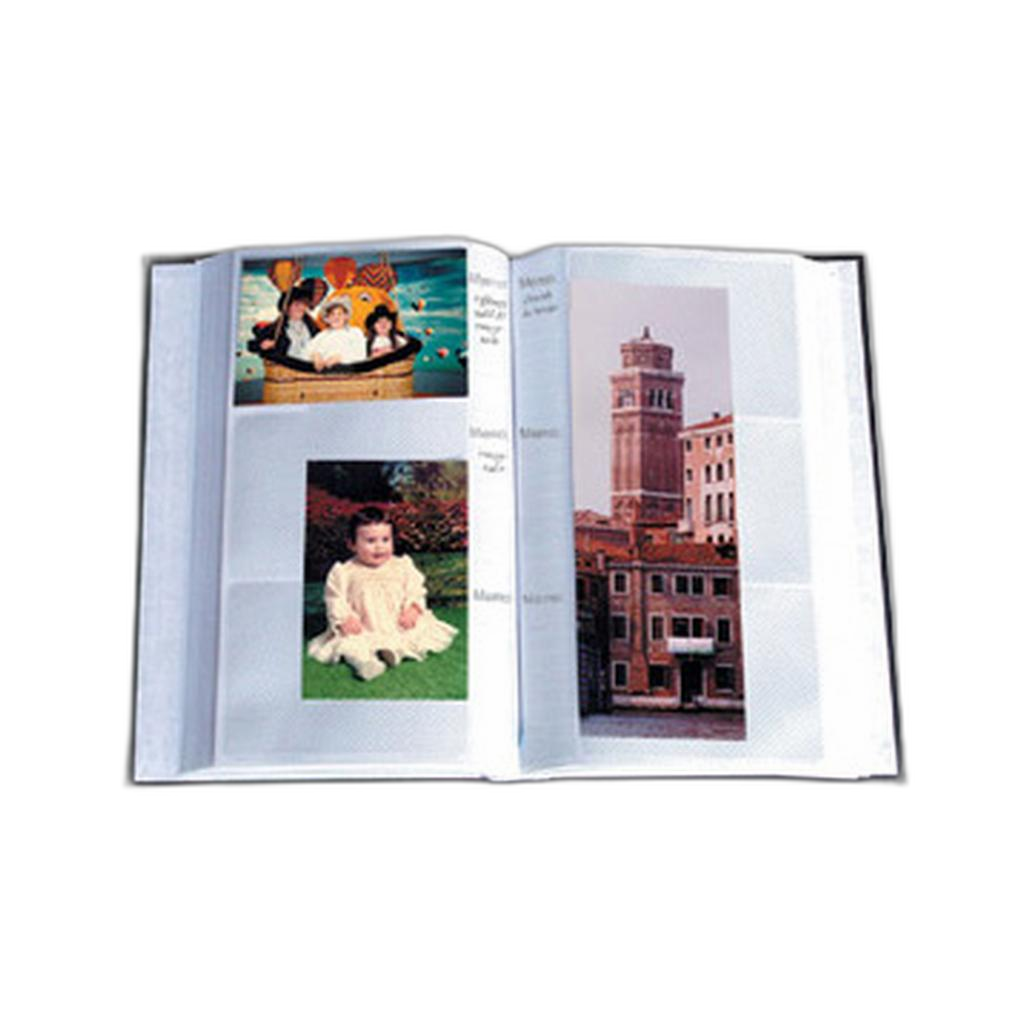
A physical archive can be surprisingly motivating. A Pioneer 4 x 6 In. Bi-Directional Memo Photo Album makes it easy to keep printed finalists and notes together, and the memo area is perfect for recording contest names, judges, and outcomes. If you need more room as your submissions grow, Pioneer Album Refill Pages for BP-200 Album are a practical addition.

6. Treat rejection as editing data, not a verdict on your talent
Failure is normal in contests—even for excellent photographers
Contest judging is subjective. Different judges respond to different aesthetics, themes, and emotional tones. An image that is ignored in one competition may win in another. That does not mean contests are meaningless; it means they are one lens through which your work is viewed.
- If you lose, revisit your sequence and ask whether another image would have been stronger.
- If you are shortlisted, study what nearly worked.
- If you win, look past the result and figure out what made the image resonate.
Preserving these lessons matters. Some photographers like to keep standout prints in a more classic presentation format, such as the Pioneer TS-246 Oxford Brass Corner Photo Album, especially when they want a cleaner portfolio feel for reviewing progress over time.
7. Share your successes and failures with other photographers
You will learn faster when you compare experiences
One of the best ways to improve your contest strategy is to talk openly with other photographers about what worked and what did not. Ask friends or classmates which images advanced, which categories felt most competitive, and whether certain contests offered useful feedback or exposure. Community conversations often reveal more than the official winners gallery.
Events centered on photographic storytelling and critique, like EXPO: Stories from the Road - Photography Across Worlds w. Matthew Borowick, can be especially helpful because they expose you to the thinking behind strong visual work—not just the finished image.

8. Decide what “worth it” means for you
Not every contest has to lead to a medal to be valuable
For some photographers, entering contests is worth it because it creates deadlines and pushes them to edit harder. For others, the value is exposure, exhibition opportunities, or portfolio credibility. And sometimes the return is simply discovering that your so-called failed entries still point you toward your strongest work.
If a contest helps you shoot more intentionally, print more carefully, organize your best images, or connect with other photographers, it has already done something useful.
Conclusion
So, are photo contests worth entering? Often, yes—but not because they guarantee a win. They are worth it when you use them to refine your eye, strengthen your editing process, and learn from both acceptance and rejection. Keep printing, keep reviewing, and keep sharing your results—successes and failures alike. If you are ready to prepare your next submission, build your archive, or explore classes and events that can strengthen your work, Unique Photo has the tools and inspiration to help you move forward.