Intro: What We’re Comparing and Why It Matters
When you’re researching a new camera, two of the most common information sources are official brand tutorials and influencer reviews. Both can be useful, but they serve different purposes and come with different biases. Brand tutorials usually explain features accurately and show intended use cases, while influencer reviews often reveal real-world experience, usability quirks, and value comparisons.
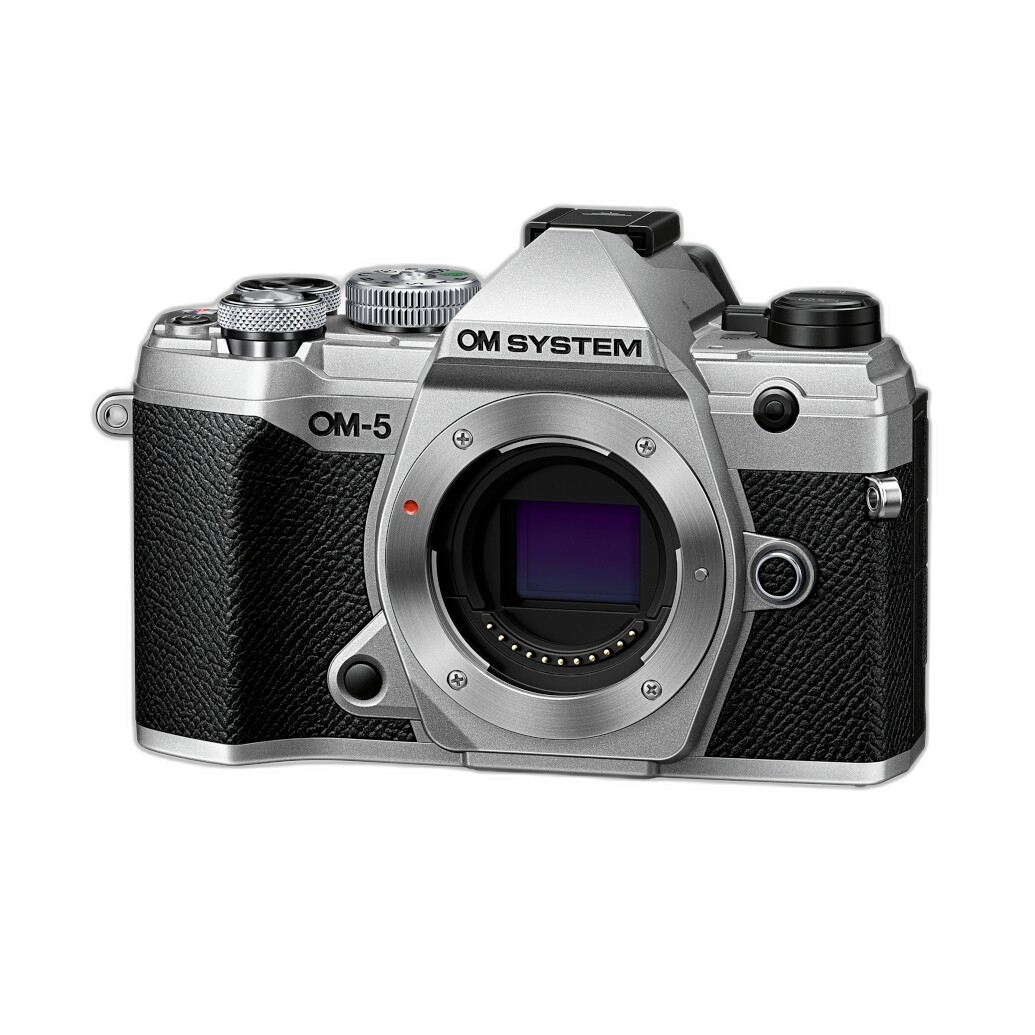
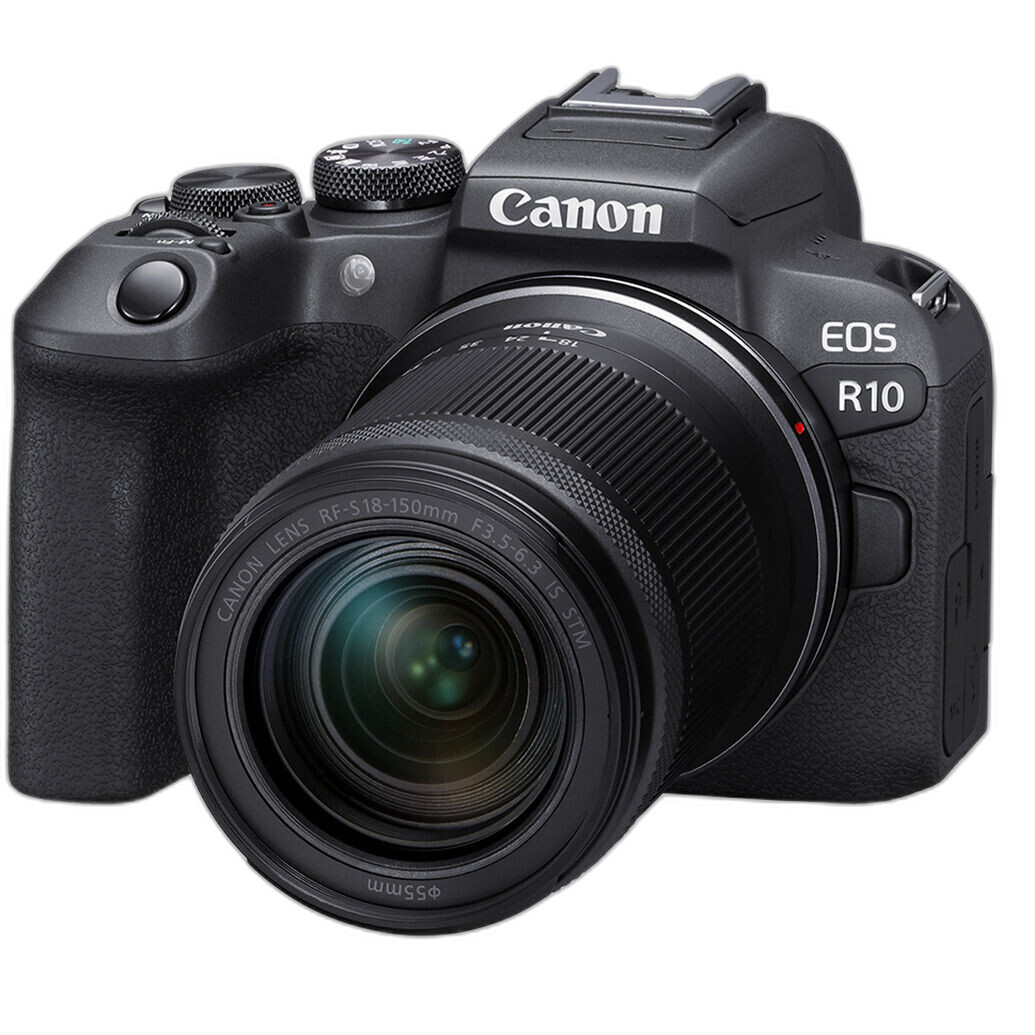
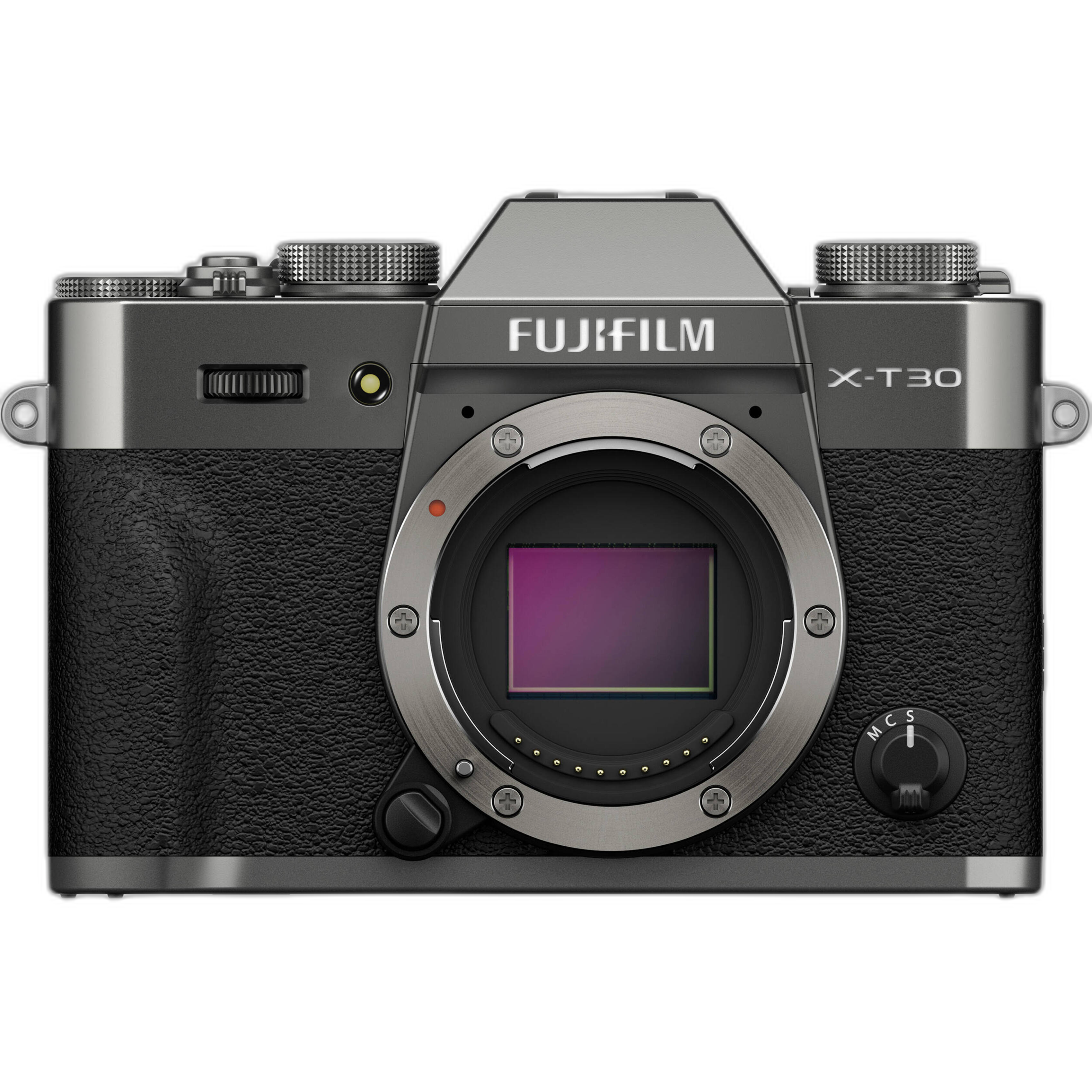
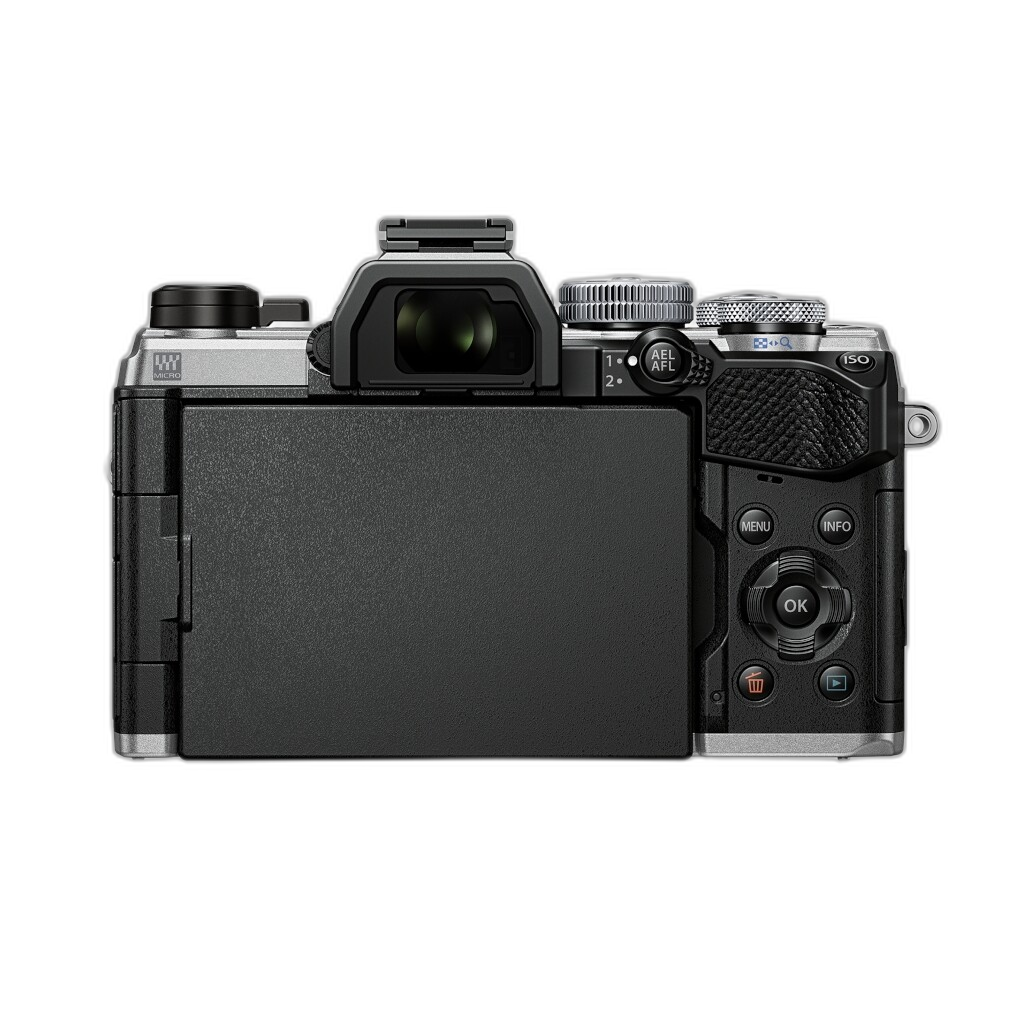
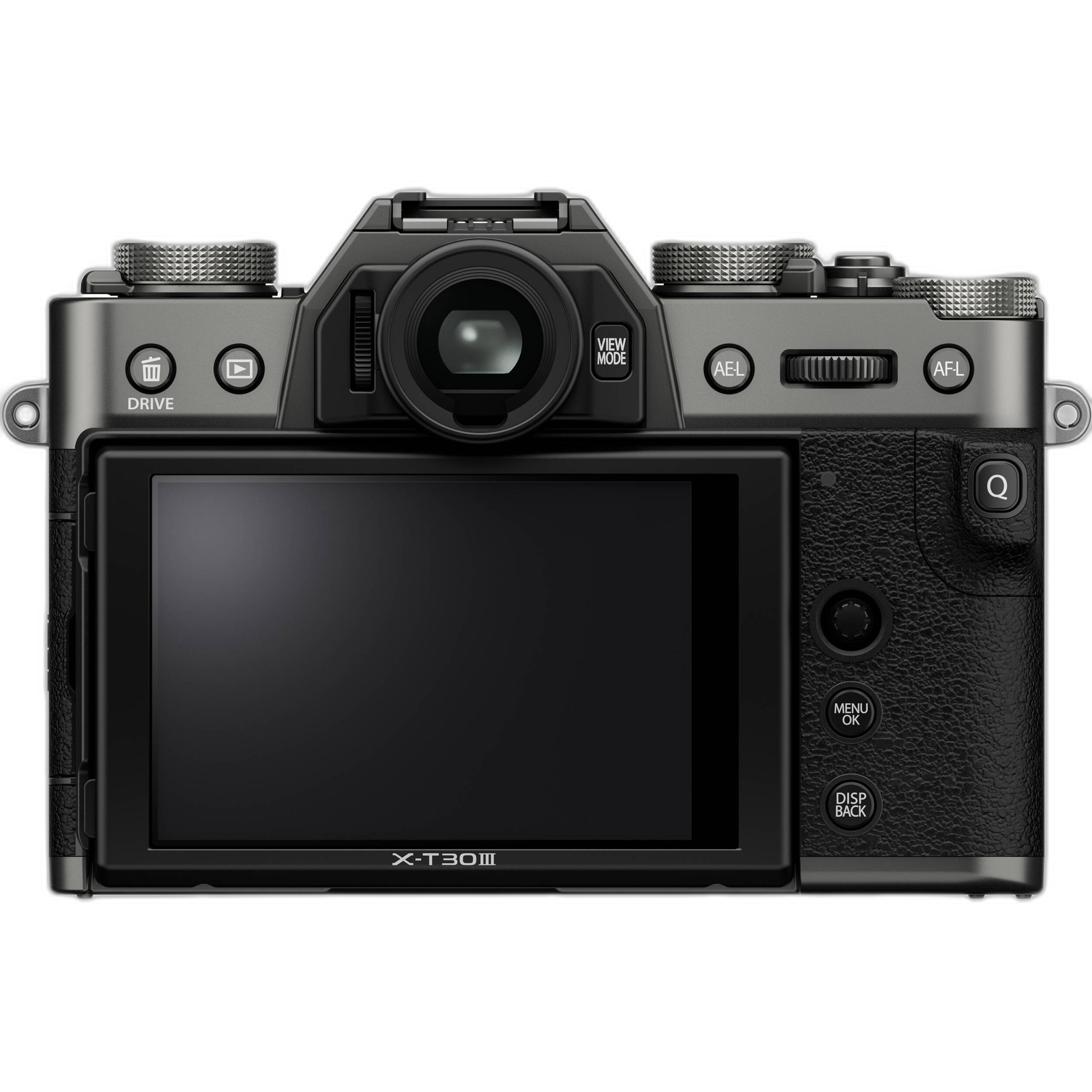
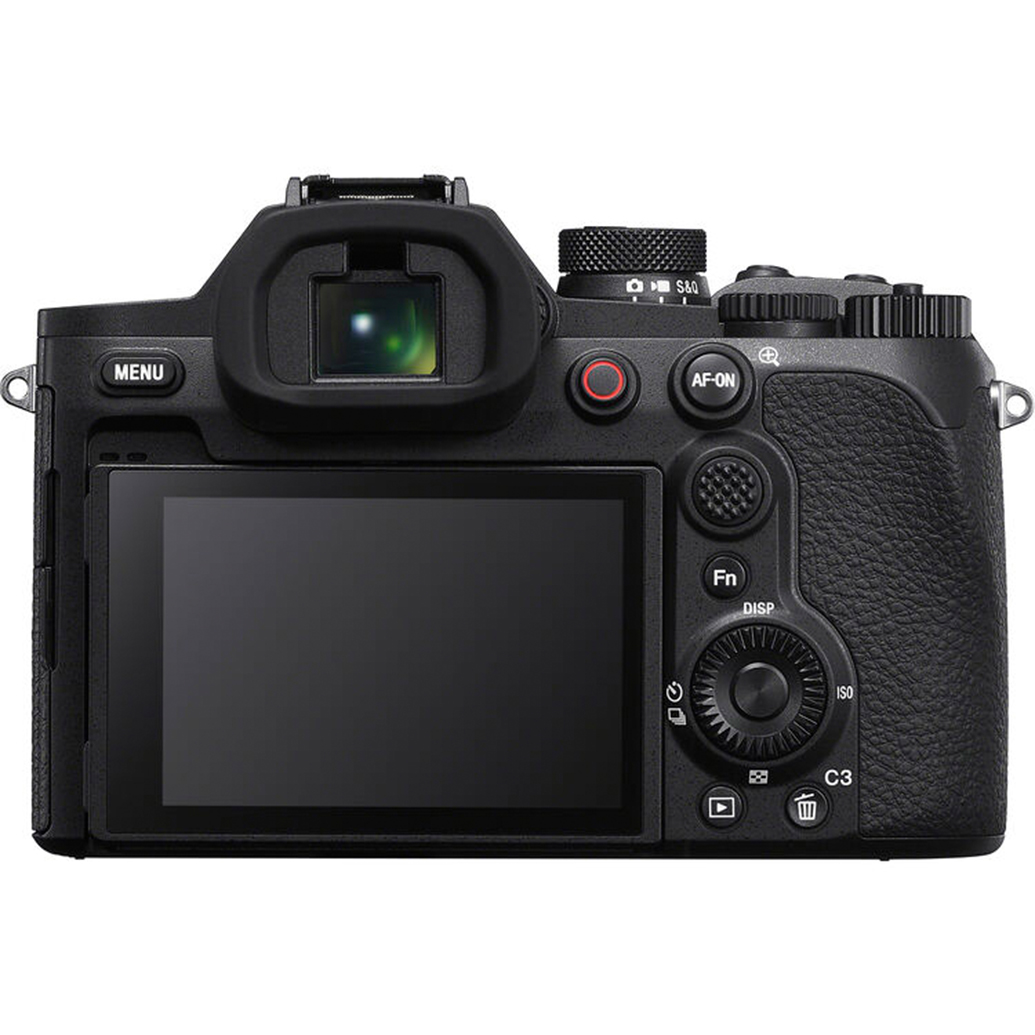
To make this discussion practical, we’re looking at how these two information sources can shape your impression of popular camera types, from mirrorless hybrids like the OM SYSTEM OM-5, FUJIFILM X-T30 III, and Canon EOS R10, to fixed-lens and specialty models like the Sony RX10 V and pro PTZ options from Canon and JVC. The real question is not whether one source is always trustworthy and the other is not. It’s which source is more trustworthy for the specific buying decision you’re making.
Side-by-Side Comparison
| Category | Camera Brand Tutorials | Influencer Reviews |
|---|---|---|
| Main Goal | Teach product features, workflow, and setup | Evaluate product performance and buying value |
| Accuracy on Specs | Usually very high | Often good, but may simplify or occasionally misstate details |
| Bias | Strong brand-positive bias | Can vary; may be influenced by sponsorships, affiliate links, or audience expectations |
| Real-World Use | Often polished and controlled | Usually stronger for day-to-day shooting impressions |
| Comparison to Competitors | Rarely direct or neutral | Often the main strength of the format |
| Learning the Menu/System | Excellent | Usually secondary |
| Discovering Drawbacks | Limited | Usually better at highlighting frustrations and tradeoffs |
| Best For | Understanding what a camera is designed to do | Understanding whether that camera is right for you |
How This Plays Out With Different Camera Types
Different cameras benefit differently from official tutorials and third-party reviews. For example, a compact enthusiast mirrorless body and a PTZ production camera are researched in very different ways. Brand education may be enough for setup-heavy products, while review-based research matters more when image quality, ergonomics, and value are being debated.
1. Brand Tutorials Are Most Trustworthy for Feature Explanations
If you want to understand autofocus modes, menu navigation, streaming protocols, stabilization systems, or lens compatibility, official brand tutorials are often the most trustworthy place to start. They are produced by the companies that designed the product, so they usually communicate intended operation clearly and correctly.
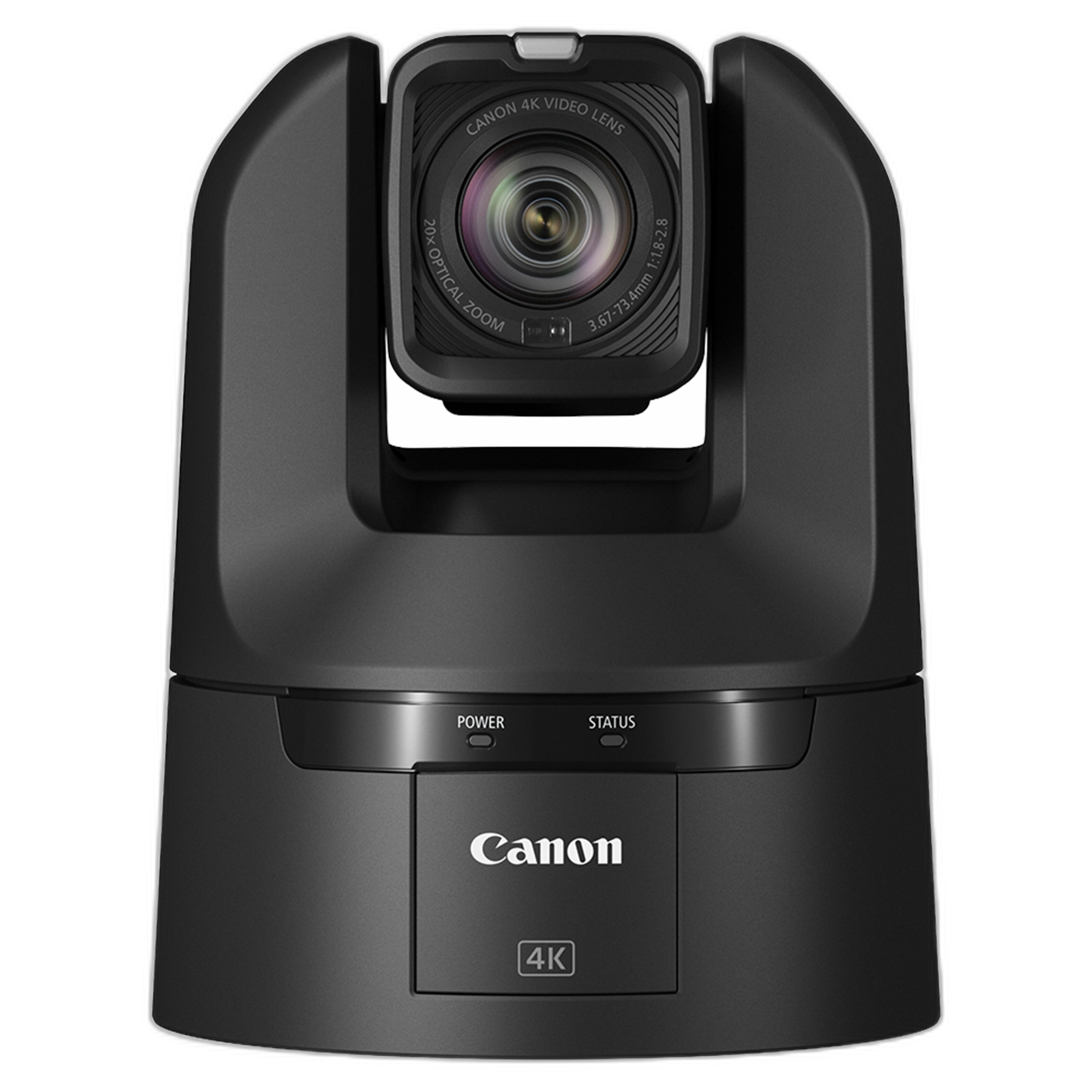
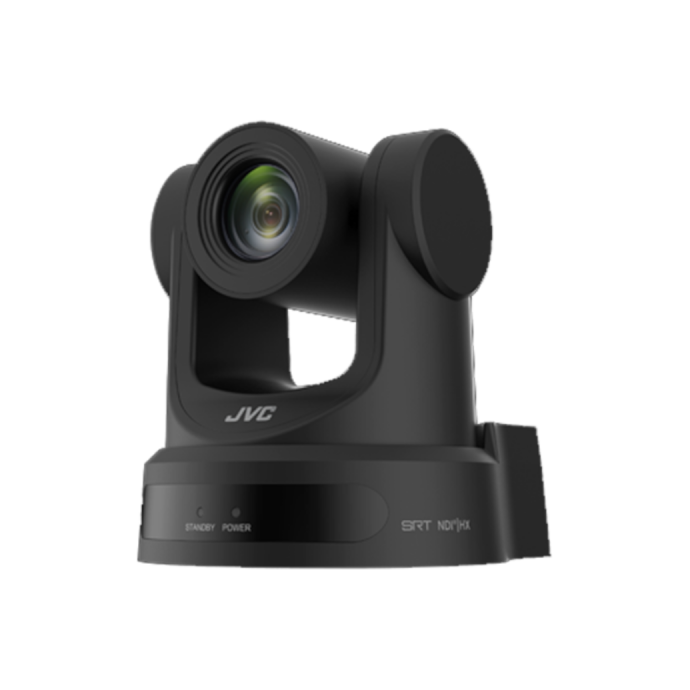
This is especially true for technical or workflow-driven products. A camera like the Canon CR-N350 PTZ Camera or JVC KY-PZ200N HD NDI HX PTZ Remote Camera has setup considerations that many general influencers will not cover thoroughly. For PTZ cameras, official tutorials can be much more useful than personality-driven reviews because they explain network setup, remote control functions, and integration features in a structured way.
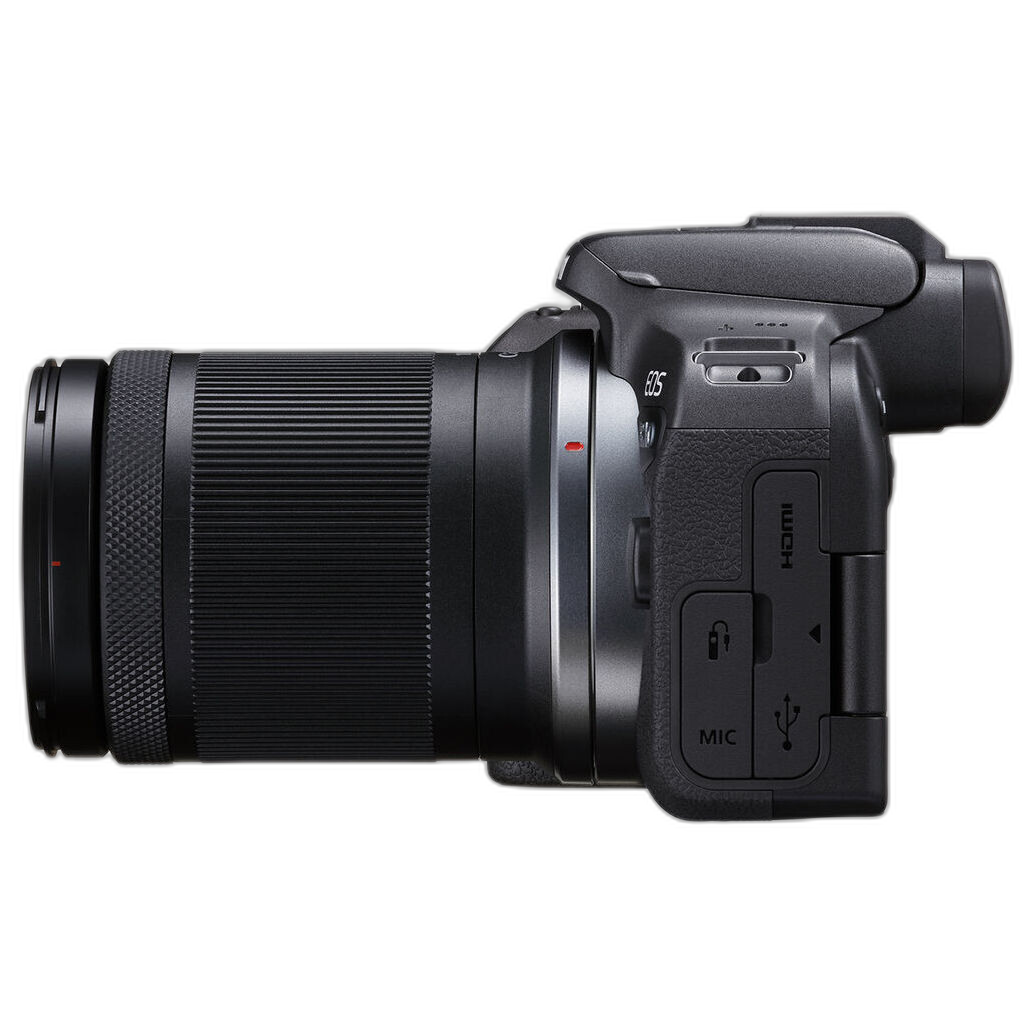
Similarly, for hybrid stills/video cameras like the Canon EOS R10 or OM SYSTEM OM-5, brand videos can help you understand what specific modes do before you even touch the camera.
2. Influencer Reviews Are More Trustworthy for Real-World Friction
What brand tutorials often leave out is the experience of living with a camera. Does the grip feel cramped? Is the menu intuitive after a week? Does the autofocus work great in ideal demos but become inconsistent in low light? Is the kit lens better or worse than expected? These are the kinds of questions that influencer reviews often answer more honestly.
That matters a lot for enthusiast buyers comparing cameras like the FUJIFILM X-T30 III, Canon EOS R10, and OM SYSTEM OM-5. On paper, many cameras look excellent. In actual use, one may have better handling for travel, another may be faster for family action, and another may simply feel more enjoyable to shoot. Influencers often help reveal these differences.
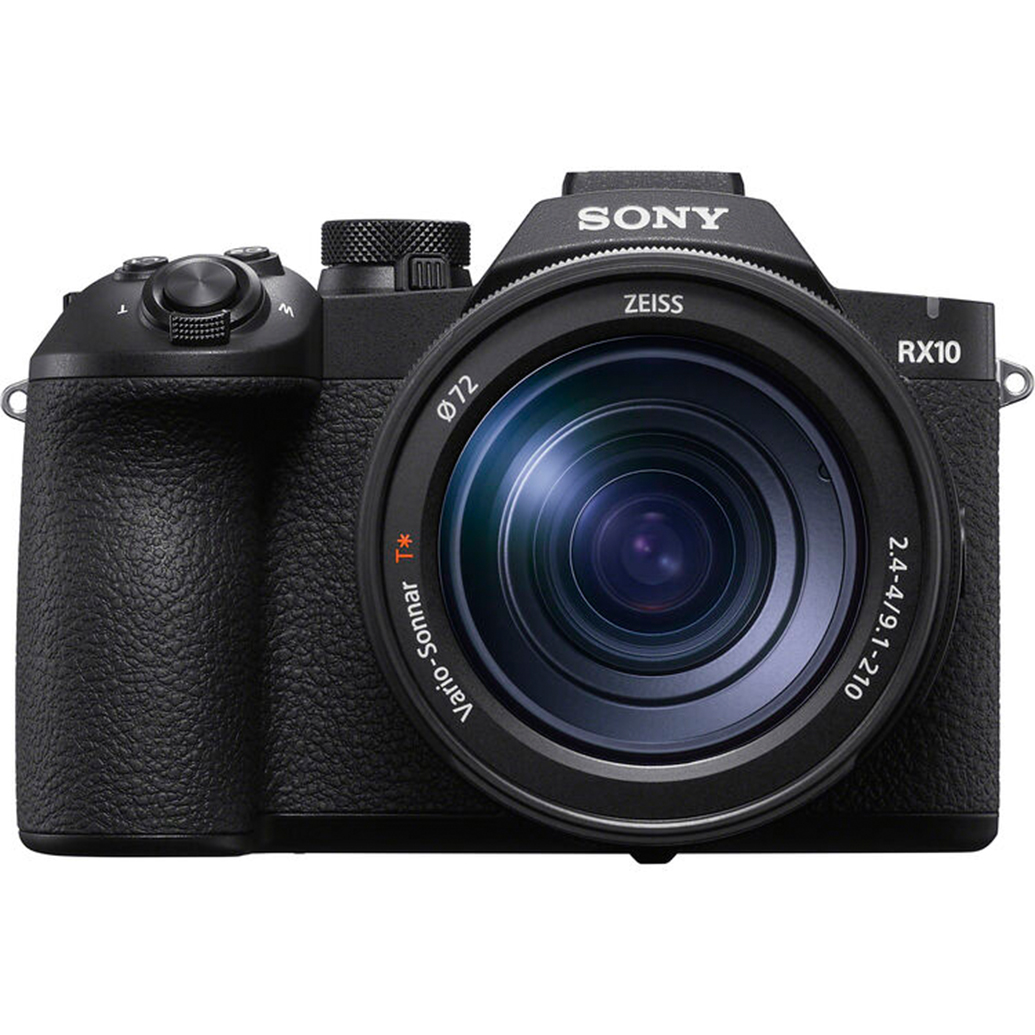
For a camera like the Sony RX10 V Digital Camera, reviewer insight can be especially valuable because fixed-lens all-in-one cameras often get chosen based on use case convenience, zoom flexibility, and shooting feel rather than on isolated specs alone.
3. Official Content Is Better at Teaching, Not Better at Judging
A brand tutorial is trustworthy when the question is, How do I use this feature? It is much less trustworthy when the question is, Is this the best camera for my money? Brands are not neutral evaluators of their own products. They are not going to spend much time emphasizing weak points, awkward omissions, or better competing options.
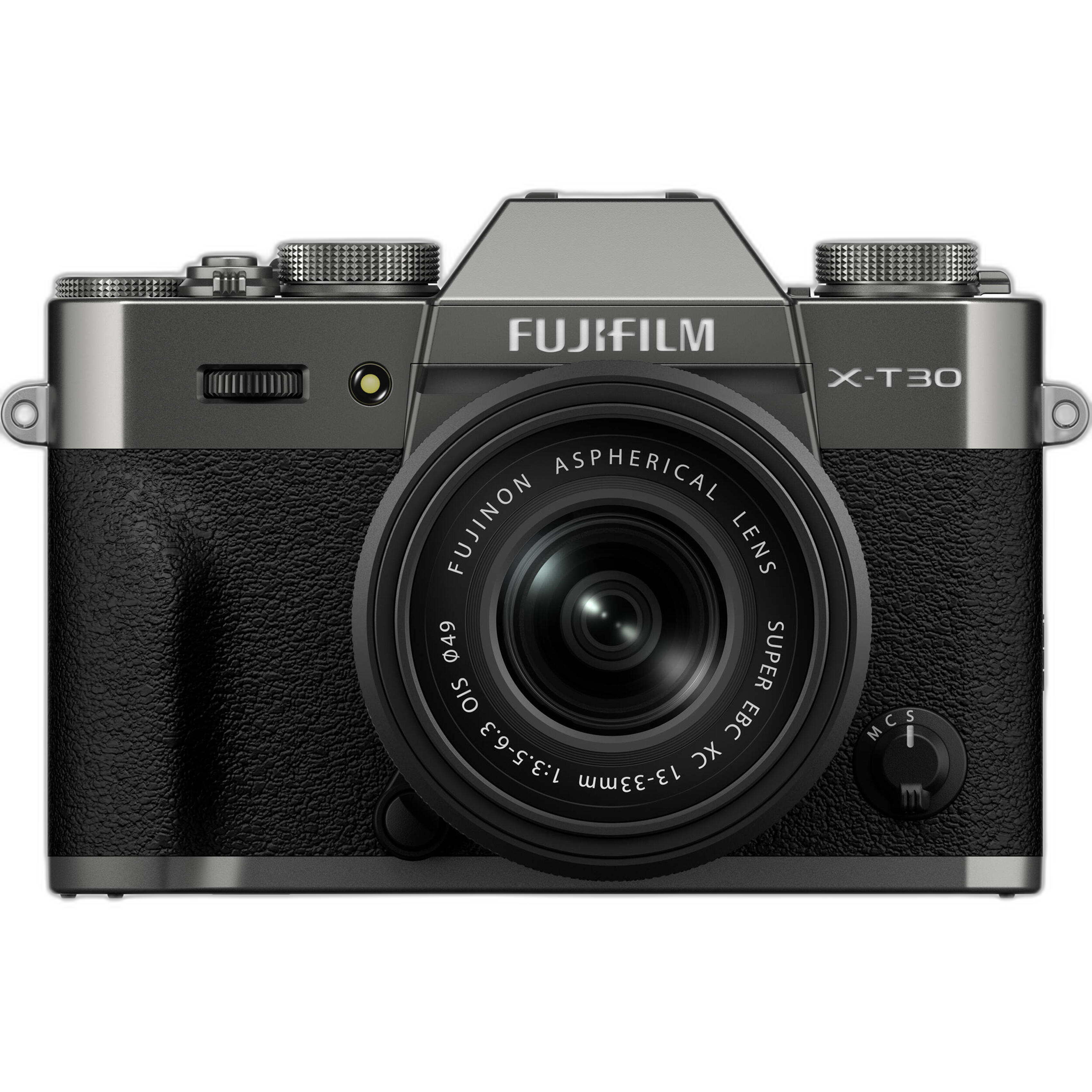
If you are deciding between the FUJIFILM X-T30 III body and the FUJIFILM X-T30 III with XC13-33mm lens kit, official resources can clearly explain what comes in the box and how the system works. But for deciding whether the kit represents stronger value than buying body-only and selecting another lens later, external reviewer perspective is generally more trustworthy.
4. Influencer Reviews Need Filtering Too
Influencer content is not automatically objective. Some creators rely on affiliate commissions, early access, sponsorship relationships, or a distinctive hot-take style that rewards exaggeration. Others review products after very limited use. A reviewer may also judge a camera from the perspective of their niche, such as wildlife, weddings, vlogging, or studio portraiture, which may not match your needs.
For example, a travel-focused creator may love the portability of the OM SYSTEM OM-5, while another reviewer may dismiss it because they prioritize a different sensor format or studio workflow. A family-content creator may prefer the approachable package of the Canon EOS R10 with 18-150mm lens, while a style-focused street photographer may be drawn to the shooting experience of the FUJIFILM X-T30 III. These are not necessarily contradictions. They are perspective differences.
5. The Most Trustworthy Research Combines Both
The best approach is to use brand tutorials and influencer reviews together. Start with official content to learn the camera’s intended capabilities and feature set. Then use several independent reviews to test whether those capabilities translate into real-world performance for your style of shooting.
For instance, if you are considering a Canon EOS R10, official material can explain autofocus features, subject detection, and lens ecosystem positioning. Independent reviewers can then tell you whether the included 18-150mm lens makes it an especially practical first-kit option. If you are looking at the OM SYSTEM OM-5, official content may clarify stabilization and outdoor-oriented features, while reviews can help you judge whether it fits your ergonomic preferences and image-quality expectations.
Quick Trustworthiness Comparison by Buying Scenario
| Buying Scenario | More Trustworthy Source | Why |
|---|---|---|
| How to use autofocus, menus, or connectivity | Brand tutorials | They explain official operation and intended setup |
| Comparing comfort, speed, and day-to-day usability | Influencer reviews | They usually reflect real shooting experience |
| Determining whether a camera is a good value | Influencer reviews | They compare across brands and kits more directly |
| Understanding niche pro workflows like PTZ integration | Brand tutorials | Technical guidance is often deeper and more accurate |
| Spotting hidden frustrations or limitations | Influencer reviews | They are more likely to mention drawbacks |
| Confirming included accessories or official feature claims | Brand tutorials | Best source for official product information |
Our Pick
Our Pick: Trust a combination of both, but lean toward influencer reviews for purchase decisions and brand tutorials for feature education.
If your goal is to decide what to buy, influencer reviews are usually more trustworthy because they provide comparisons, real-world context, and discussion of weaknesses. If your goal is to understand how a camera works, official brand tutorials are often the better source. The smartest shoppers use brand content to learn and independent reviews to validate.
Conclusion
So, are camera brand tutorials and influencer reviews trustworthy? Yes, but in different ways. Brand tutorials are strongest when you need accurate feature explanations and setup guidance. Influencer reviews are stronger when you need realism, comparisons, and help deciding whether a camera truly fits your needs. For shoppers comparing cameras like the OM SYSTEM OM-5, FUJIFILM X-T30 III, Canon EOS R10, Sony RX10 V, or even PTZ models from Canon and JVC, the most reliable path is to combine both sources and then buy from a knowledgeable retailer that can help fill in the gaps. At Unique Photo, that means access to trusted gear, expert guidance, and a better-informed camera buying experience.