Affordable Portrait Lighting FAQ: Smart Budget Gear, Used Buys, and Better Results
Building a capable portrait lighting kit does not have to mean overspending. For many photographers, the best approach is to start with a simple setup, learn how light behaves, and upgrade strategically as paid work or creative needs grow.
At Unique Photo, we help photographers find practical lighting solutions that fit real budgets. Below, we answer common questions about affordable portrait lighting, buying new versus used, and getting more polished results from modest gear.
What is the best affordable lighting setup for portraits?
A great budget portrait setup usually starts with one light and one modifier, not a large collection of gear. A single key light placed carefully can create flattering portraits with shape, contrast, and catchlights. Add a reflector or a white wall for fill, and you can produce professional-looking results without a complicated kit.
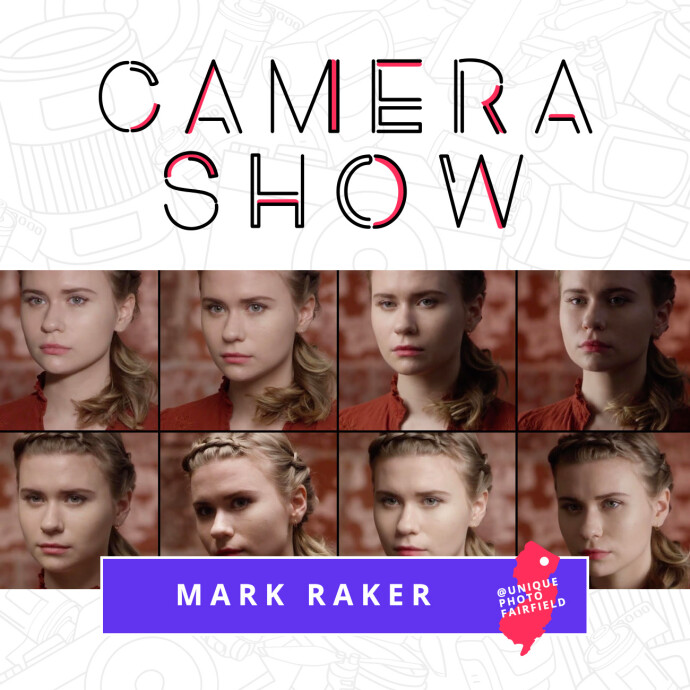
The key is learning placement before adding more lights. Moving one light higher, farther, closer, or more to the side often changes the final image more dramatically than buying another inexpensive accessory. If you are still developing your technique, education can be one of the smartest investments. Unique Photo classes like CS: Key Lighting Methods with Mark Raker (Nanlite) help photographers understand the core patterns and decisions behind strong portrait lighting.
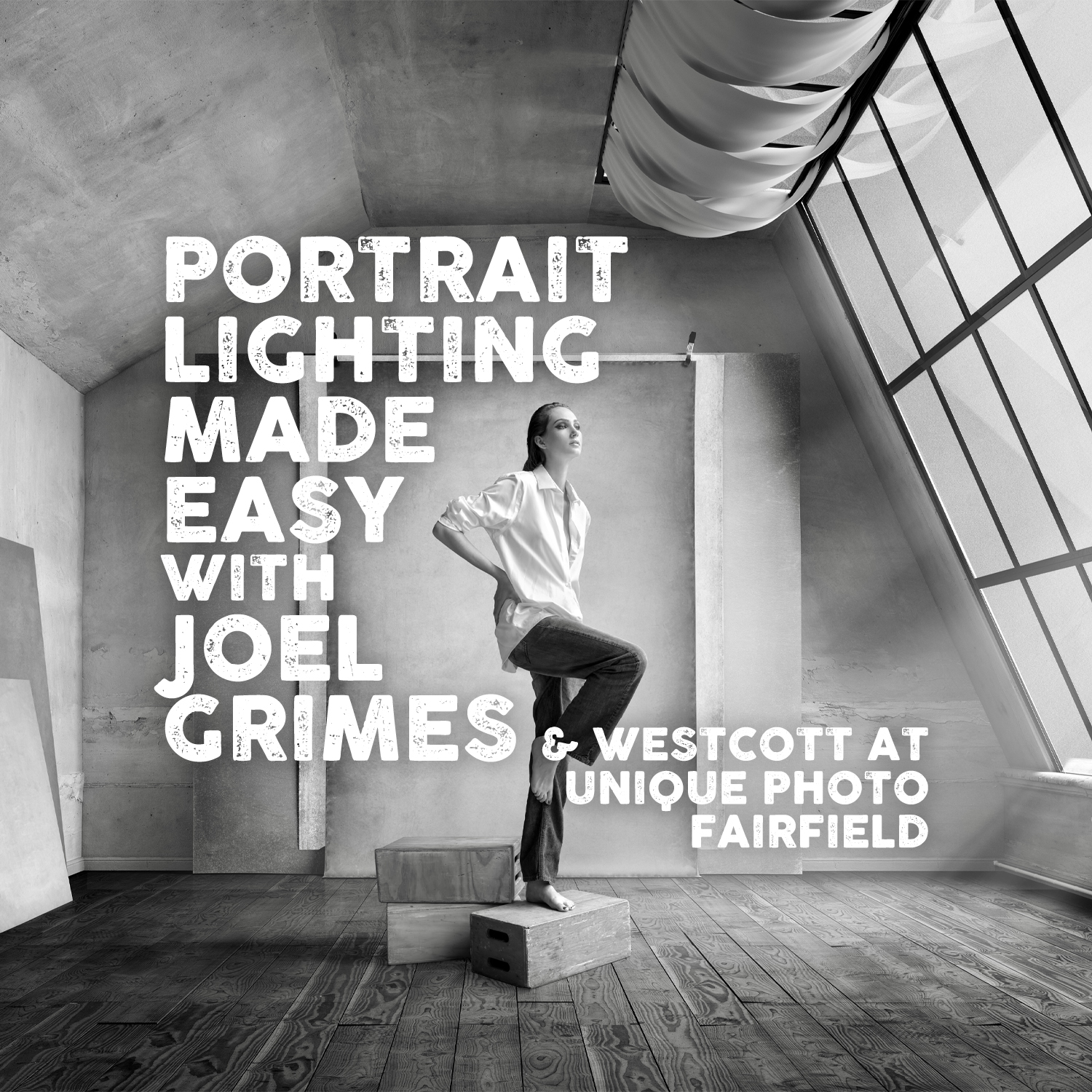
For photographers who want a strong foundation in shaping light for portraits, Portrait Lighting Made Easy with Joel Grimes (Westcott) is another useful learning resource that can help you get more from even a simple budget setup.
Should I buy new or used lighting gear?
Both options can make sense, depending on your goals. New gear is ideal if reliability, warranty coverage, and predictable performance matter most. If you are shooting client work, events, or frequent portrait sessions, buying new often reduces the chance of downtime and gives you more confidence on set.
Used gear can be a smart way to stretch your budget, especially for non-electronic items like stands, brackets, reflectors, and some modifiers. However, with lighting equipment, wear and tear matters. Check flash consistency, battery condition, mount stability, locking knobs, and the integrity of cables or power components before purchasing. A light that seems inexpensive at first can become costly if it needs immediate replacement or repair.
Many photographers use a hybrid strategy: buy the main light new, then save money on accessories where condition is easy to evaluate. That approach balances reliability with affordability.
How can I improve portrait lighting results without buying more gear?
The fastest improvement usually comes from refining technique. Start by bringing your light source closer to the subject for softer, more flattering illumination. Watch how the shadow from the nose falls across the face, and adjust the angle until facial features look dimensional but not overly harsh. Use the background intentionally as well; even a plain wall can look more polished when your subject is separated from it.
You can also improve results by learning how to mix flash with the light already in the room. This helps your portraits feel natural instead of looking obviously lit. Unique Photo's Mastering Portrait Lighting: Mixing Flash and Ambient Light (Session 9) is especially relevant for photographers who want to elevate portraits with the gear they already own.

If you photograph receptions, indoor events, or fast-moving portrait sessions, workshops like Posing and Lighting Bootcamp: Reception Lighting w. Magda and Simon can also help you solve real-world lighting problems efficiently.
Is one light enough for professional-looking portraits?
Yes. One light is absolutely enough to create professional-looking portraits when it is positioned well and paired with good subject placement. Many classic portrait styles rely on a single key light with subtle fill from the environment or a reflector. A second light can add convenience, but it is not required to make compelling images.
With one light, focus on consistency. Keep your subject at a repeatable distance from the light, watch the direction of the face, and pay attention to background brightness. If you need more separation, simply move the subject farther from the background or feather the light so it favors the face and falls off before the backdrop.
Photographers who want to deepen their understanding beyond basic one-light setups may benefit from NJCS: Advanced Creative Lighting with Robert Harrington and ExpoImaging, which explores more intentional lighting choices once the fundamentals are in place.
How do I make inexpensive lighting look softer and more flattering?
Soft light is usually about size and distance, not price. Even modest lighting gear can produce flattering portraits if the light source is made relatively large compared to the subject and placed close enough for gentle wrap. If your current light feels harsh, do not assume you need a different unit right away. First evaluate modifier size, light placement, and subject distance from the background.
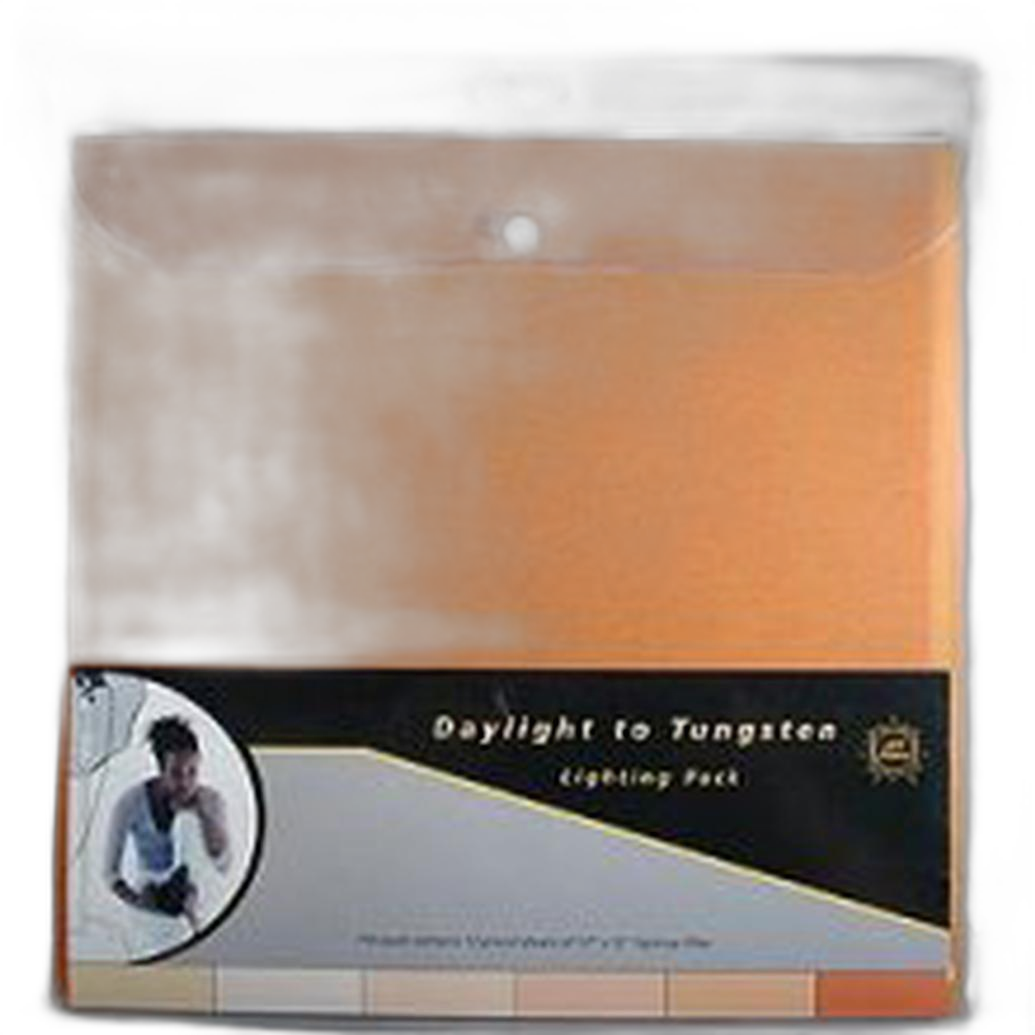
Another overlooked factor is color control. If the room lighting is warm and your flash or LED is daylight balanced, skin tones can look inconsistent. Small accessories such as correction gels can help create a cleaner result. The LEE Filters Daylight to Tungsten Filter Lighting Pack is useful when you need to match a light source to indoor ambient conditions.
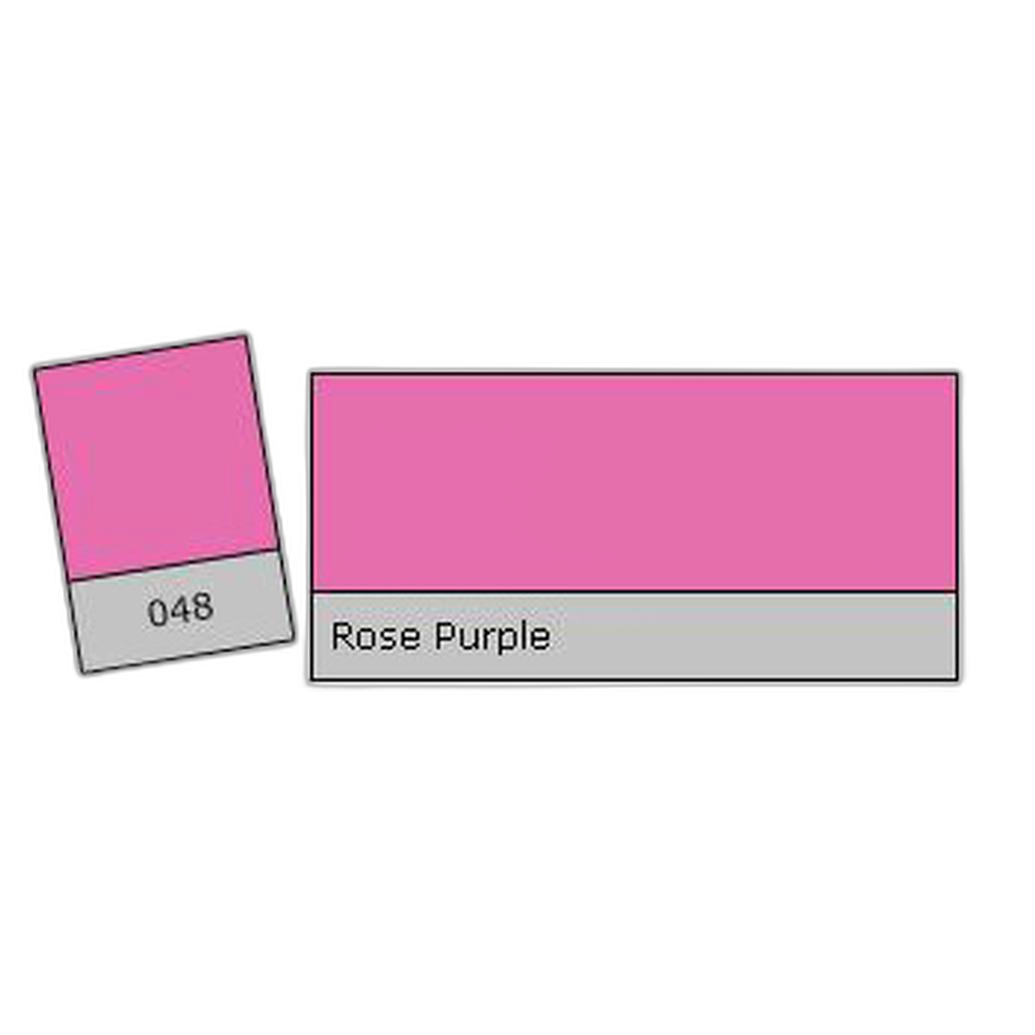
For more stylized portraits on a budget, a creative gel like the LEE Filters Rose Purple Lighting Effect Gel Filter can add color interest to backgrounds or rim lighting without requiring a major gear purchase.
What are the biggest mistakes photographers make with budget portrait lighting?
One of the most common mistakes is buying too many low-cost items before mastering one dependable setup. A collection of random accessories rarely improves lighting on its own. Another issue is placing the light too far away, which makes it harder, less efficient, and often less flattering. Poor subject-to-background separation is also common and can make portraits look flat.
Color mismatch is another frequent problem. If ambient light and flash are fighting each other, skin tone and background color can become difficult to manage. Finally, many photographers overlook the importance of practice and education. A workshop or class often delivers more visible improvement than another small accessory purchase.
How can I transport and protect a lighting kit without overspending on replacements?
Protecting your lighting gear is an important part of staying on budget. Replacing broken stands, damaged accessories, or bent mounting hardware can quickly erase any savings from buying inexpensive equipment in the first place. If you travel for portraits or store gear in a car, a durable case is worth considering.
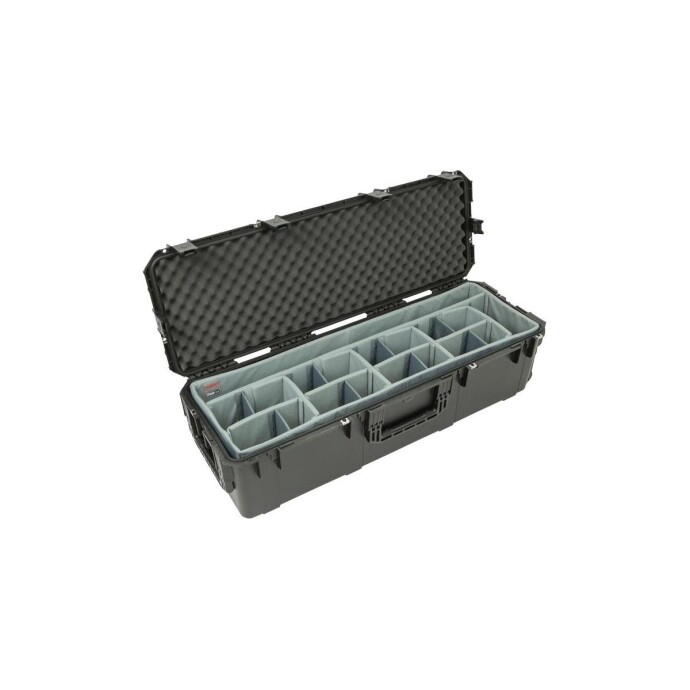
The SKB iSeries 3i-4213-12 Case with Think Tank Designed Lighting/Stand Dividers is a strong option for organizing and protecting lighting tools, stands, and accessories. A sturdy case helps prevent damage, reduces setup confusion, and keeps your kit ready for location work.
What is the smartest next step if I want better portraits on a budget?
Start by simplifying. Build around one reliable light, one modifier, and a clear understanding of where that light should go. Then invest in your knowledge so you can shape, balance, and control light more effectively in different environments. Once your technique is consistent, every future gear purchase becomes easier and more meaningful.
Unique Photo offers not only lighting accessories and protection solutions, but also practical classes and workshops that help photographers turn basic equipment into polished results. If you are ready to improve your portraits without wasting money on the wrong upgrades, explore Unique Photo's lighting education and accessories to build a kit that works harder for your budget.