Affordable Lighting Kits for Portraits: What Should I Buy?
If you are building your first portrait setup, one of the most common questions is simple: what affordable lighting kit should I buy for portraits? The good news is that you do not need a huge studio budget to create flattering, professional-looking portraits. With the right light type, a few essential modifiers, and some education on placement, you can get excellent results at home, in a small studio, or on location.
At Unique Photo, many portrait shooters start by focusing on the basics first: a reliable key light, a simple fill strategy, a stand, and a modifier that softens the light for faces. From there, you can expand your setup as your skills and client needs grow.
What should be in an affordable portrait lighting kit?
If you are shopping for a budget-friendly portrait lighting kit, prioritize tools that give you the biggest visual impact. A practical starter kit usually includes:
- One main light for key illumination
- A light stand sturdy enough for your modifier
- A soft modifier such as an umbrella or softbox
- A reflector for fill light
- A trigger or sync solution if using flash
- A carrying solution if you travel
For portrait photography, soft, directional light is often the goal. That is why beginners often get better results from a single light with a large modifier than from multiple cheap bare lights. One quality light source placed well can outperform a cluttered low-cost setup.
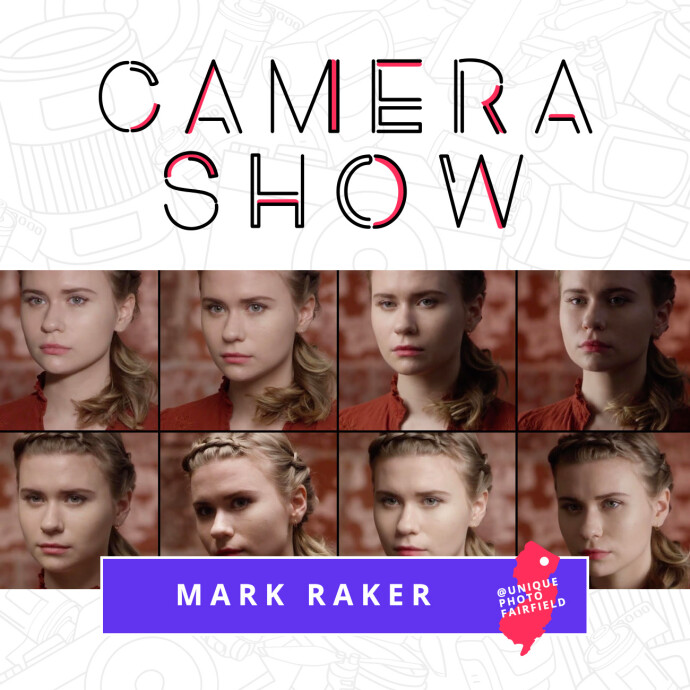
If you are still learning what kind of light works best for faces, workshops and classes from Unique Photo can be a smart investment before buying more gear. For example, CS: Key Lighting Methods with Mark Raker (Nanlite) helps photographers understand how key light shape and direction affect portraits in real shooting situations.
Continuous light vs flash for affordable portrait photography
Another popular search is: should I buy continuous lighting or flash for portraits? The answer depends on how you shoot.
Continuous lighting is easy to learn because what you see is what you get. It is useful for beginners, content creators, and photographers who also shoot video. It can be especially appealing if you want a simple home portrait setup without dealing with flash sync.
Flash or strobe lighting often gives you more power, better motion stopping, and more control over ambient light. If you plan to shoot family portraits, headshots, or stylized portraits, flash can deliver more flexibility for the money.
For many budget-conscious portrait photographers, the best path is to choose one system and learn it deeply before adding more lights. Unique Photo regularly offers portrait lighting education that helps clarify this decision and teaches how to get professional results with minimal gear.
Best budget portrait lighting setup for beginners
If you are searching for the best cheap portrait lighting setup, start with a one-light arrangement. A simple beginner kit can look like this:
- One key light with enough output for your space
- One umbrella or softbox for soft facial light
- One reflector to open shadows
- Optional background separation using room light or window light
This setup works because most portrait quality comes from light size, distance, and angle, not from having multiple fixtures. Place your main light slightly above eye level and 30 to 45 degrees to one side of your subject for a classic portrait look. Then use a reflector on the opposite side for softer shadow detail.
If you want to improve quickly, consider educational resources like Portrait Lighting Made Easy with Joel Grimes (Westcott). Learning foundational portrait lighting patterns can save money by helping you buy only what you actually need.
How many lights do I need for portrait photography?
A common beginner question is: do I need a two-light or three-light kit for portraits? Usually, no. You can create strong portraits with one light and a reflector. Two lights add more flexibility, and three lights are useful when you want separate control over key, fill, and background or hair lighting.
Here is a simple breakdown:
- One light: best for beginners, small spaces, and affordable portrait setups
- Two lights: useful for key plus background or rim light
- Three lights: best for more polished studio control
If your budget is limited, spend more on a better main light and modifier rather than buying several weak lights. In portrait work, the main light does most of the visual heavy lifting.
What modifier is best for affordable portraits?
When photographers ask what to buy for soft portrait lighting on a budget, modifiers are a huge part of the answer. Even affordable lights can produce beautiful results if paired with the right light shaper.
Umbrellas are often the most affordable option. They are lightweight, easy to set up, and great for broad soft light. Softboxes typically offer more directional control and less spill, which can be helpful in smaller rooms. Reflectors are one of the cheapest and most effective portrait tools you can own.
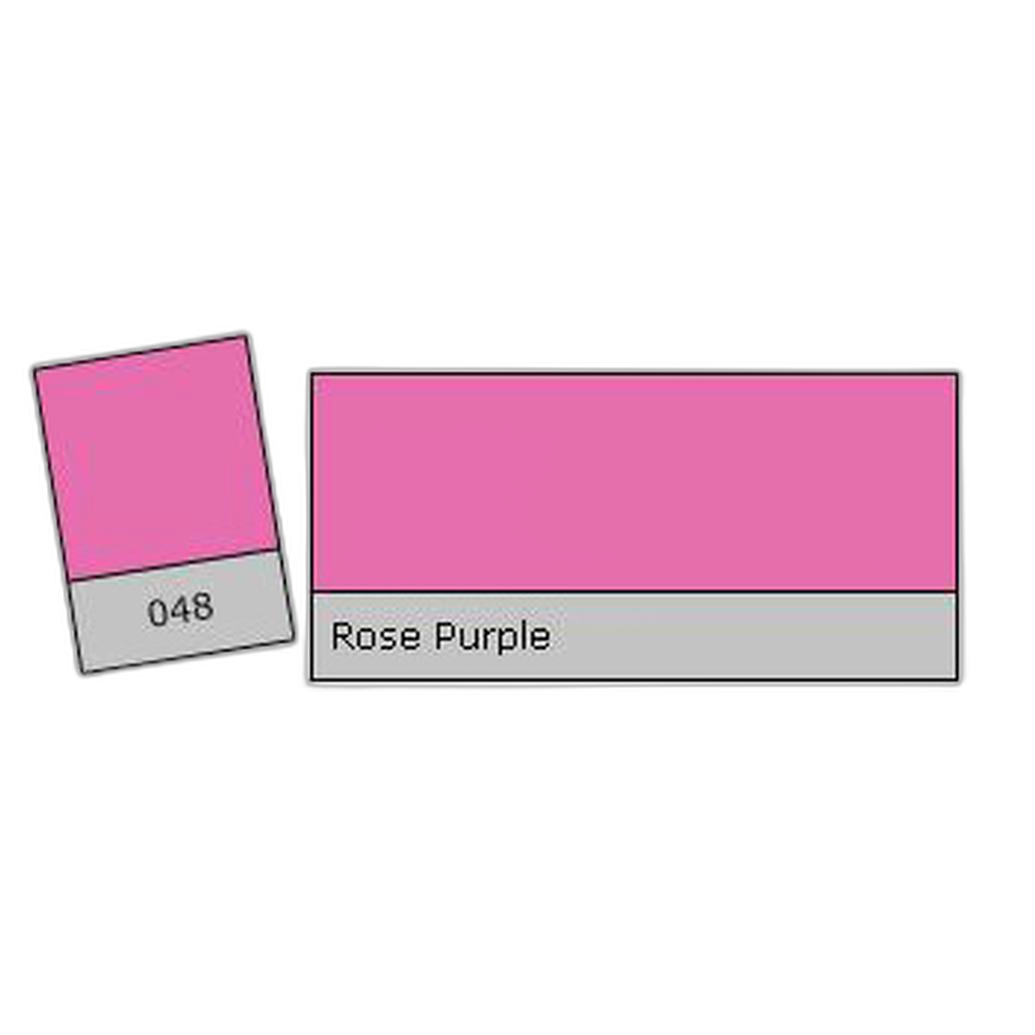
If you want to add creativity without replacing your entire kit, simple accessories can help. A product like the LEE Filters Rose Purple Lighting Effect Gel Filter can introduce stylized color into portrait backgrounds or accent lights while keeping your setup affordable.
Affordable portrait lighting for small studios and home setups
Many photographers are not working in large studios. If you shoot portraits in an apartment, spare room, or compact office, look for a lighting kit that is easy to position and control. In small spaces, larger modifiers placed close to the subject can create flattering soft light without needing extremely powerful fixtures.
For home portrait photography, you should also think about:
- Ceiling height for stand placement
- Wall color because it can reflect unwanted color casts
- Storage for stands and modifiers
- Portability if the setup must be packed away after each session
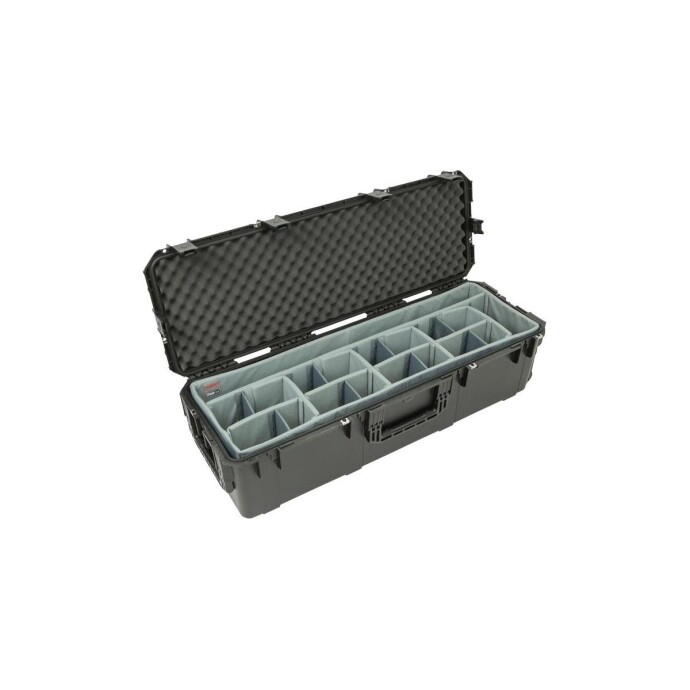
If your gear travels between locations, protection matters too. The SKB iSeries 3i-4213-12 Case with Think Tank Designed Lighting/Stand Dividers is a useful option for organizing and protecting lighting gear and stands, especially for photographers expanding beyond a simple home kit.
How to choose an affordable lighting kit that can grow with you
The best affordable portrait lighting kit is not just the cheapest option. It is the setup that helps you shoot now while leaving room to expand later. Before buying, ask yourself:
- Do I shoot in studio, on location, or both?
- Do I need battery power or AC power?
- Will I photograph individuals only, or groups too?
- Do I also need video-friendly lighting?
- Can I use the same modifier mount as I upgrade?
A scalable kit saves money over time. Buying into a system with accessories and educational support can be more cost-effective than replacing mismatched budget gear later. Unique Photo is a strong resource for this because you can pair gear research with hands-on classes and workshops.
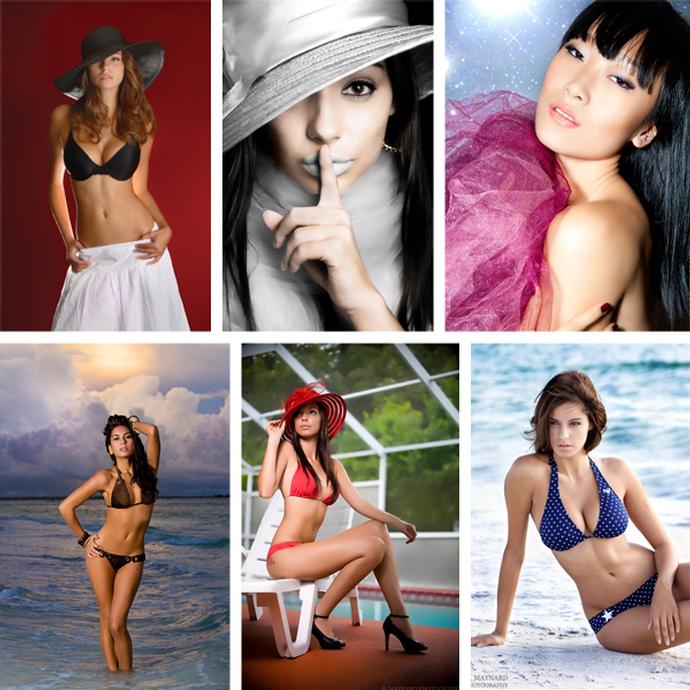
For photographers who want to sharpen technique while building their kit, classes like Stunning Portraits Workshop with David Maynard and ExpoImaging, NJCS: Advanced Creative Lighting with Robert Harrington and ExpoImaging, and Posing and Lighting Bootcamp: Reception Lighting w. Magda and Simon can help bridge the gap between buying equipment and using it well.
Common mistakes when buying budget portrait lighting
When shopping for affordable portrait lights, it is easy to make a few expensive mistakes. Avoid these common issues:
- Buying too many lights too soon instead of learning one-light technique
- Ignoring modifiers even though they shape the final look dramatically
- Choosing weak stands that are unstable with larger modifiers
- Not planning for transport and storage
- Skipping education and assuming gear alone will improve portraits
In many cases, photographers improve faster by combining a modest lighting purchase with quality training. Unique Photo’s educational offerings can be especially valuable for portrait shooters who want to maximize every dollar.
What should I buy first for portrait lighting?
If you want the simplest answer to what should I buy first for affordable portrait lighting?, start here:
- One dependable light
- One softbox or umbrella
- One light stand
- One reflector
Then learn these setups:
- Loop lighting
- Rembrandt lighting
- Clamshell lighting
- Short lighting
Once you can control those consistently, consider adding a second light for hair, rim, or background separation. This step-by-step approach tends to be the most budget-friendly and gives you the best long-term results.
Final thoughts on affordable lighting kits for portraits
So, what should you buy? For most photographers, the smartest affordable portrait lighting kit starts with one good light, one soft modifier, one stand, and one reflector. That combination is budget-friendly, easy to learn, and capable of producing polished portraits for beginners and growing professionals alike.
Just as important, invest in knowledge alongside gear. Unique Photo stands out because it is not only a place to shop for photography tools, but also a destination for classes, workshops, and inspiration. If you are trying to build a portrait setup without overspending, pairing practical equipment choices with hands-on learning is one of the best moves you can make.
For next steps, consider exploring internal links to related resources on Unique Photo such as portrait photography classes, lighting accessories, light stands and cases, and creative lighting workshops. Those pages can help you compare options, refine your technique, and build a portrait kit that fits your budget.