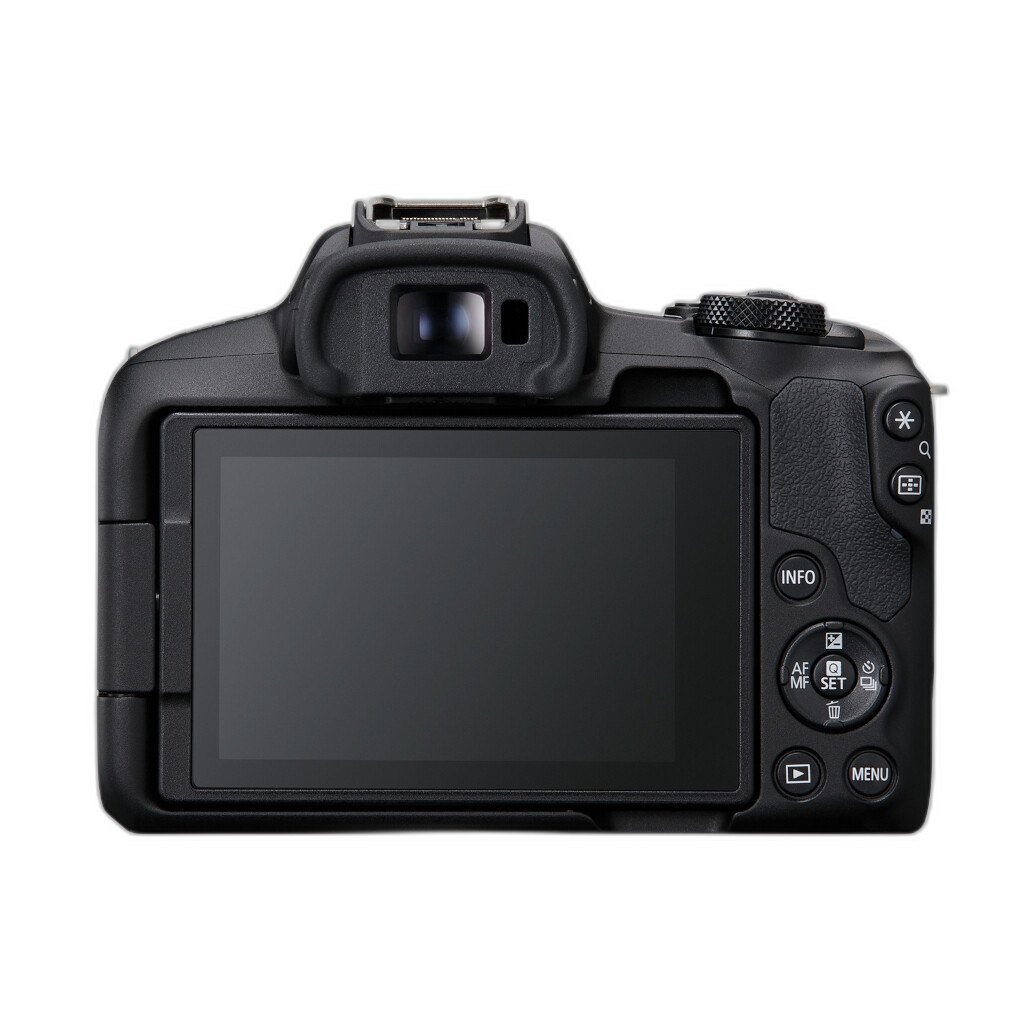
Shopping for your first lenses can get confusing fast. Beginners are often told they need a fast prime, a telephoto zoom, a macro lens, and something “better than the kit lens” before they’ve even taken a few hundred photos. The truth is simpler: the best affordable lenses are the ones that help you learn what you like to shoot without draining your budget.
For most new photographers, that means starting with versatile zooms, building experience before chasing specialty glass, and choosing kits that give you more than one focal length right away. Below are practical tips on what’s actually worth buying first.
Start With Range, Not Hype
1. A two-lens kit is often the smartest beginner buy
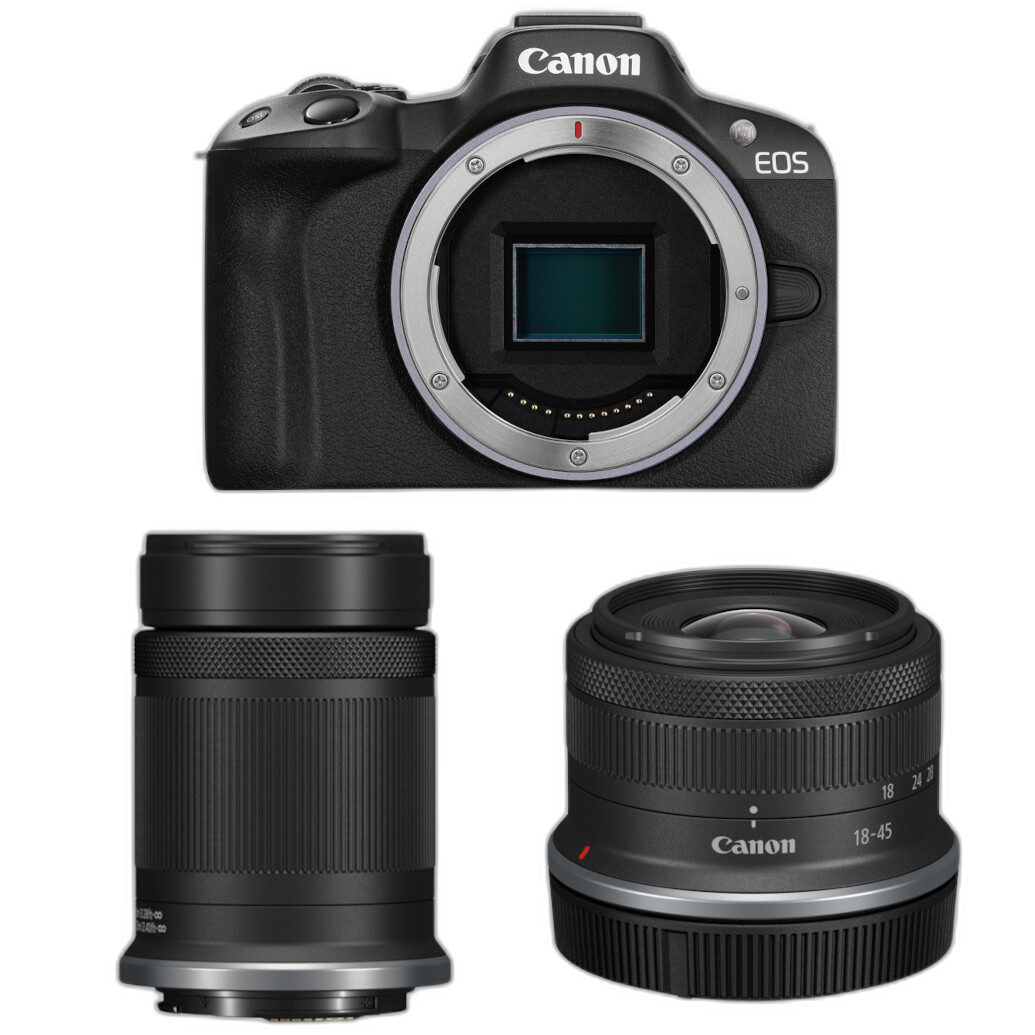
If you’re new to interchangeable-lens cameras, getting broad focal length coverage matters more than buying a single trendy lens. A bundle like the Canon EOS R50 Mirrorless Camera (Black) with RF-S 18-45mm and 55-210mm Lenses gives you a practical everyday zoom plus a telephoto option for portraits, sports, pets, and travel details. That’s a lot more useful for learning than spending the same budget on one lens that only does one thing well.
The 18-45mm range is great for daily photography, casual family shots, street scenes, and basic video. The 55-210mm helps you explore background compression, subject isolation, and shooting from farther away. For a beginner, that kind of flexibility is genuinely worth buying.
2. Don’t dismiss the kit lens too quickly
One of the biggest beginner mistakes is assuming a kit lens is just a placeholder. In reality, lenses like Canon’s RF-S 18-45mm can teach framing, composition, and exposure very effectively. They’re lightweight, easy to carry, and usually much better than people expect.
If your goal is to improve your photography rather than collect gear, a standard zoom is often the right first lens. It lets you figure out whether you really need something wider, longer, or faster later on.
Buy for the Photos You Actually Take
3. If you shoot family, travel, and everyday life, start with a standard zoom
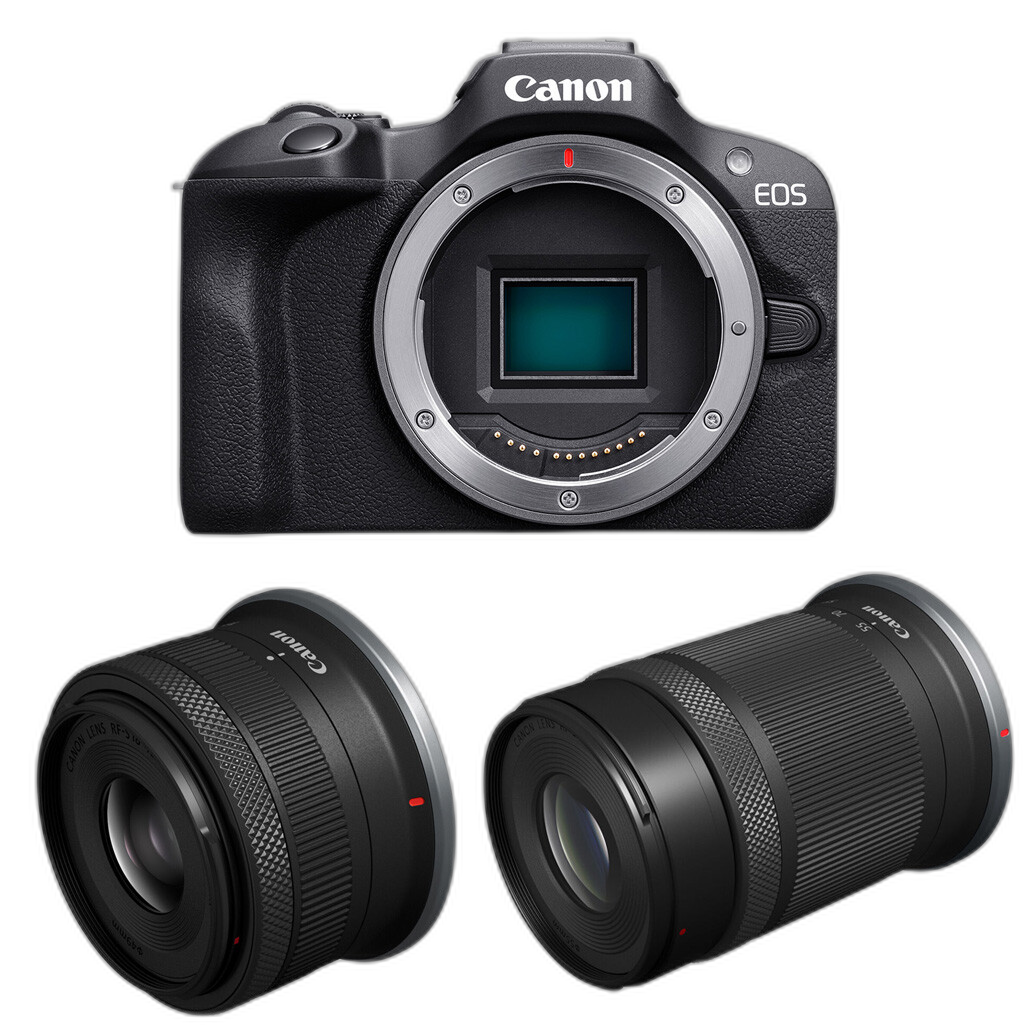
A standard zoom covers the situations most beginners face most often. Group photos, vacation snapshots, food, casual portraits, and video clips are all comfortably within its range. That’s why kits like the Canon EOS R100 Mirrorless Camera with RF-S 18-45mm and RF-S 55-210mm Lenses make so much sense: they set you up for the real-world images beginners actually make.
Instead of asking, “What’s the best cheap lens?” ask, “What lens will stay on my camera most of the time?” For many people, that answer is the standard zoom.
4. If you want better portraits on a budget, a telephoto can be more useful than you think
Many beginners assume they need an expensive portrait prime right away. But a budget telephoto like a 55-210mm can create flattering portraits with soft-looking backgrounds, especially outdoors. It also gives you room to photograph school events, wildlife at the park, or candid moments without getting too close.
That’s one reason two-lens Canon kits are appealing: they let you test portrait-friendly focal lengths without jumping straight into a more specialized lens purchase.
Know When Specialty Lenses Can Wait
5. Skip niche lenses until you know your style
Macro, ultra-wide, and very fast primes can be exciting, but they’re not always the best first buy. If you haven’t yet learned whether you enjoy portraits, landscapes, travel, or close-up detail work most, it’s smarter to stay versatile first.
For beginners, affordable lens buying is less about finding the “best” lens in a vacuum and more about avoiding the wrong early purchase. A practical zoom setup keeps your options open while you build experience.
6. Sometimes the most affordable way to get multiple lenses is a camera-and-lens bundle
Buying lenses separately can add up quickly. Starter bundles that include both an everyday zoom and a telephoto often offer better value than piecing together a system one item at a time. The Canon EOS R50 and Canon EOS R100 two-lens kits are good examples of beginner-friendly setups that stretch your budget while covering a wide range of subjects.
Think Beyond Traditional Lens Shopping
7. A fixed-lens or multi-lens creative camera can also be worth it for learning
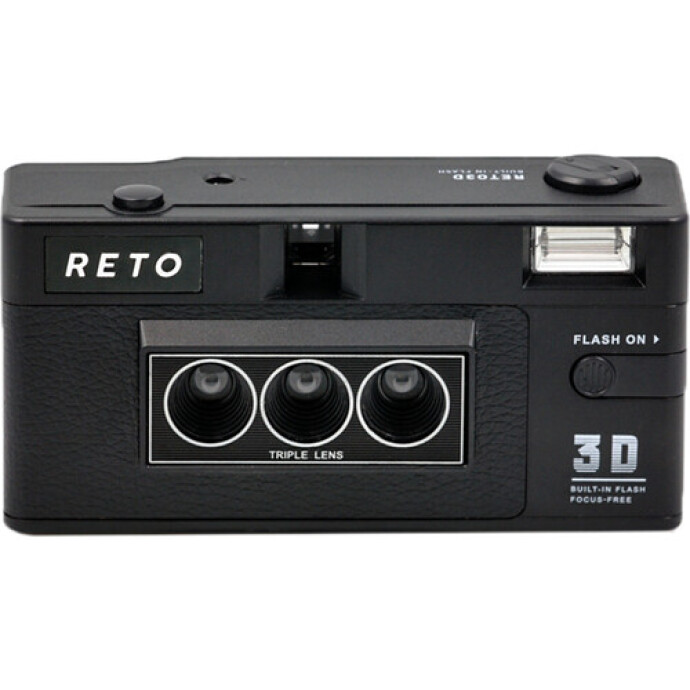
Not every beginner needs to start with a traditional lens roadmap. If your goal is simply to have fun, experiment, and build a feel for composition, something different like the Reto 3D Film camera with three lenses and built-in flash can be a surprisingly worthwhile purchase. It’s a creative option that shifts the focus away from specs and toward making interesting images.
While it’s not an interchangeable-lens system, it still reinforces an important beginner lesson: the best gear is often the gear that makes you want to shoot more.
8. Spend less on gear if it means you’ll shoot more often
A beginner setup only has value if you actually carry it, use it, and learn from it. Lightweight, affordable lenses and bundled kits reduce hesitation. They make it easier to bring the camera on walks, trips, or family outings instead of leaving it at home.
That’s why “worth buying” should always include ease of use, not just image quality charts and online opinions.
How to Decide What’s Worth Buying First
9. Ask yourself these simple questions before you buy
- Do I want one lens for everyday use? Start with a standard zoom like 18-45mm.
- Do I also want portraits, sports, or reach for travel? A 55-210mm adds a lot of value.
- Am I still figuring out what I like to shoot? Choose flexibility over specialization.
- Do I want the best value up front? A two-lens kit is often smarter than buying separate lenses later.
- Do I want a creative, low-pressure way to learn? A fun option like the Reto 3D can keep photography exciting.
10. The best first lens purchase is the one that helps you grow
Beginners don’t need to “future-proof” every purchase. You need equipment that helps you understand focal length, perspective, working distance, and the kinds of photos you enjoy making. Affordable lenses are worth buying when they remove barriers, cover common situations, and encourage practice.
In many cases, that means starting simple with an everyday zoom, or even better, a budget-friendly two-lens kit that gives you both normal and telephoto coverage from day one.
Conclusion
If you’re just starting out, don’t let lens shopping become more complicated than it needs to be. A versatile setup like the Canon EOS R50 or Canon EOS R100 two-lens kits can give you real room to learn, while creative alternatives like the Reto 3D remind you that photography should stay fun. The most affordable lens is the one that helps you keep shooting, improving, and discovering your style. If you’re ready to build your first kit, Unique Photo is a great place to explore beginner-friendly options.