Affordable Cinema Cameras FAQ for Indie Filmmakers
Choosing an affordable cinema camera can feel complicated, especially when you are balancing image quality, lens options, recording formats, and the realities of a production budget. At Unique Photo, we help filmmakers sort through the tradeoffs so they can build a practical kit that supports real-world indie production, whether they are buying their first camera or upgrading from a hybrid setup.
The best value is not always the cheapest body on the shelf. A smart cinema purchase considers the full system: power, lenses, support, reliability, and whether buying new or used makes the most sense for your workflow.
What makes a camera a good affordable choice for indie film production?
A strong affordable cinema camera should give you professional video tools without forcing you into an oversized budget for accessories and media. For most indie filmmakers, that means looking for internal codecs that are easy to edit, dependable autofocus if you work solo, professional audio options, solid dynamic range, and a body that can handle longer recording sessions. The goal is to buy enough camera to grow with your projects without paying for features you will not use.
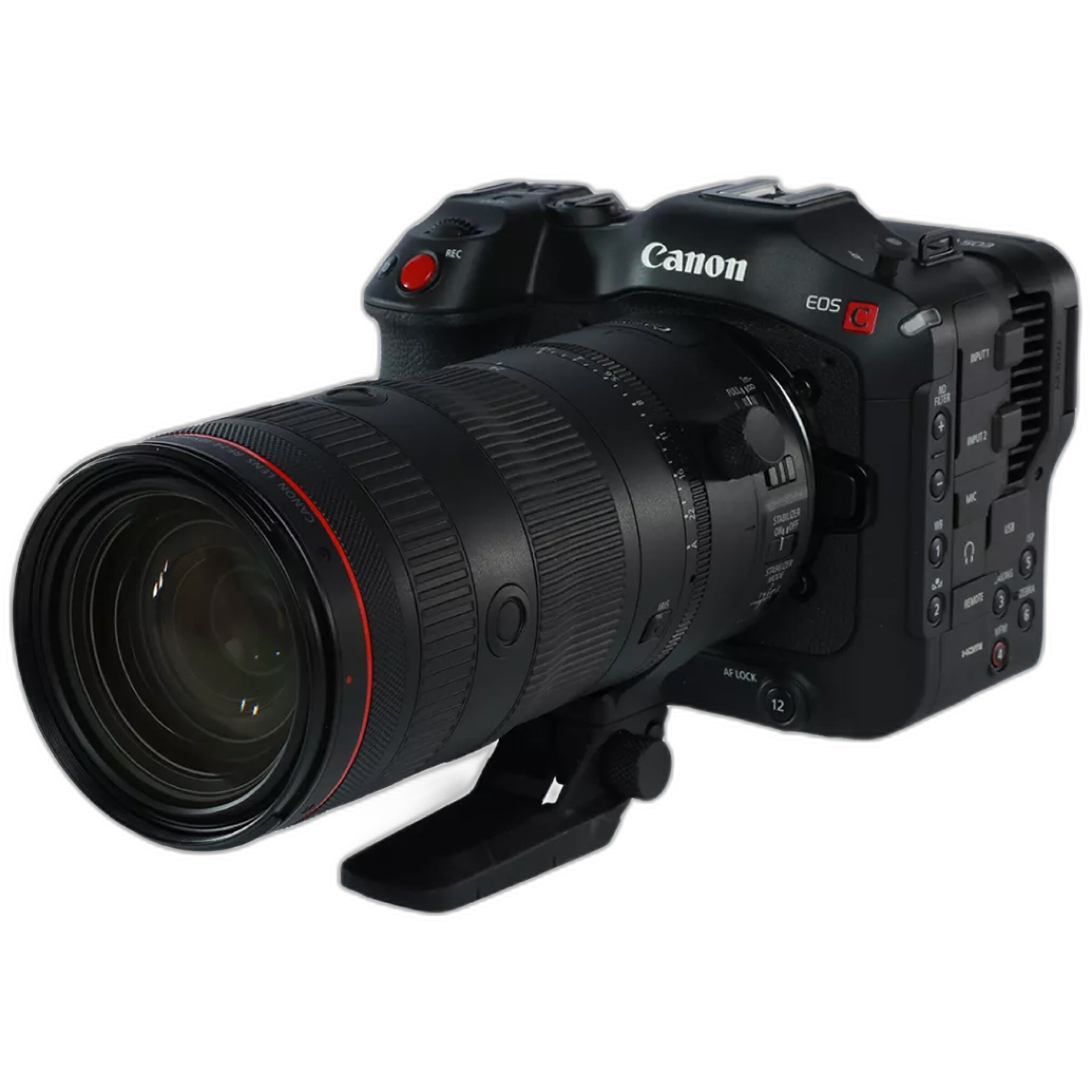
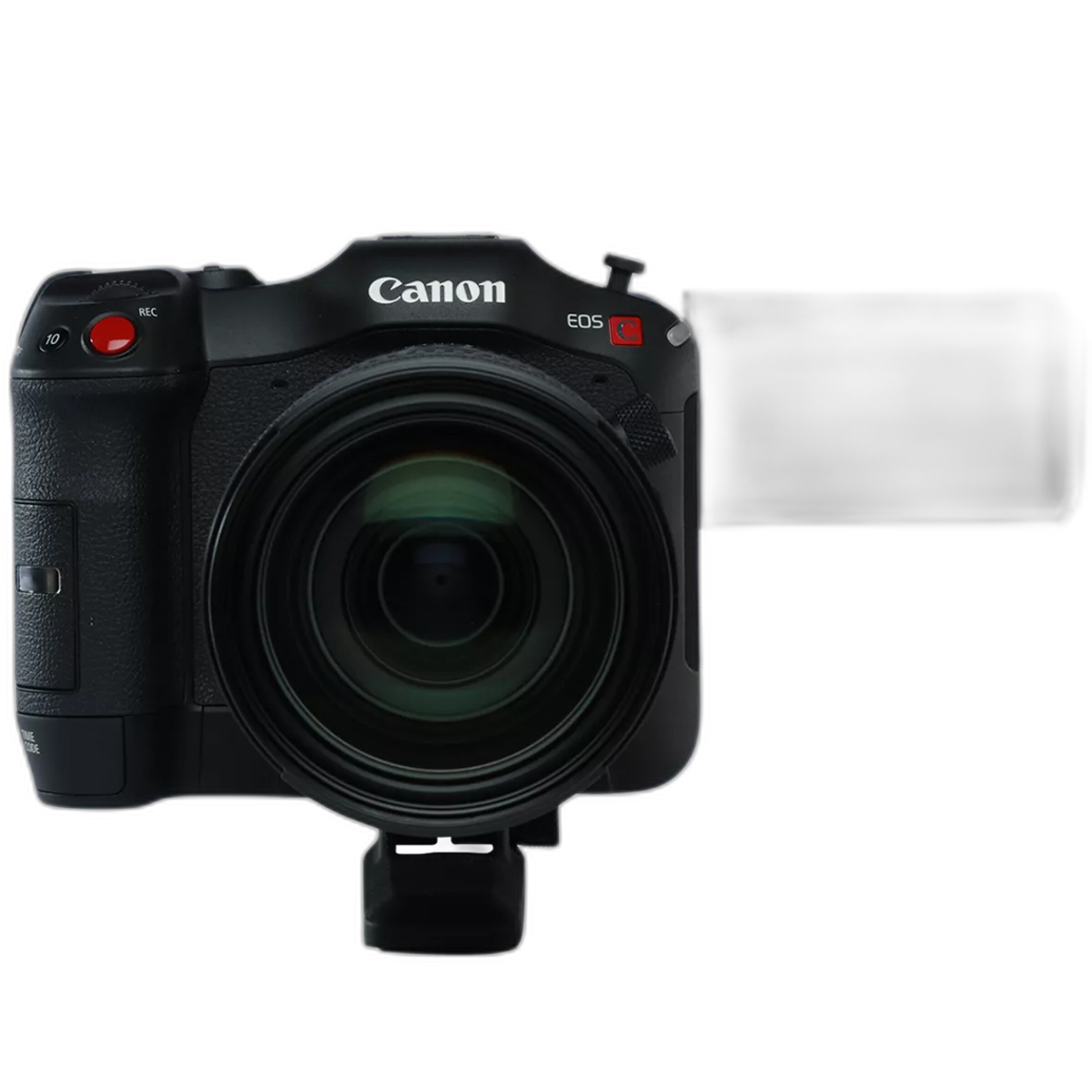
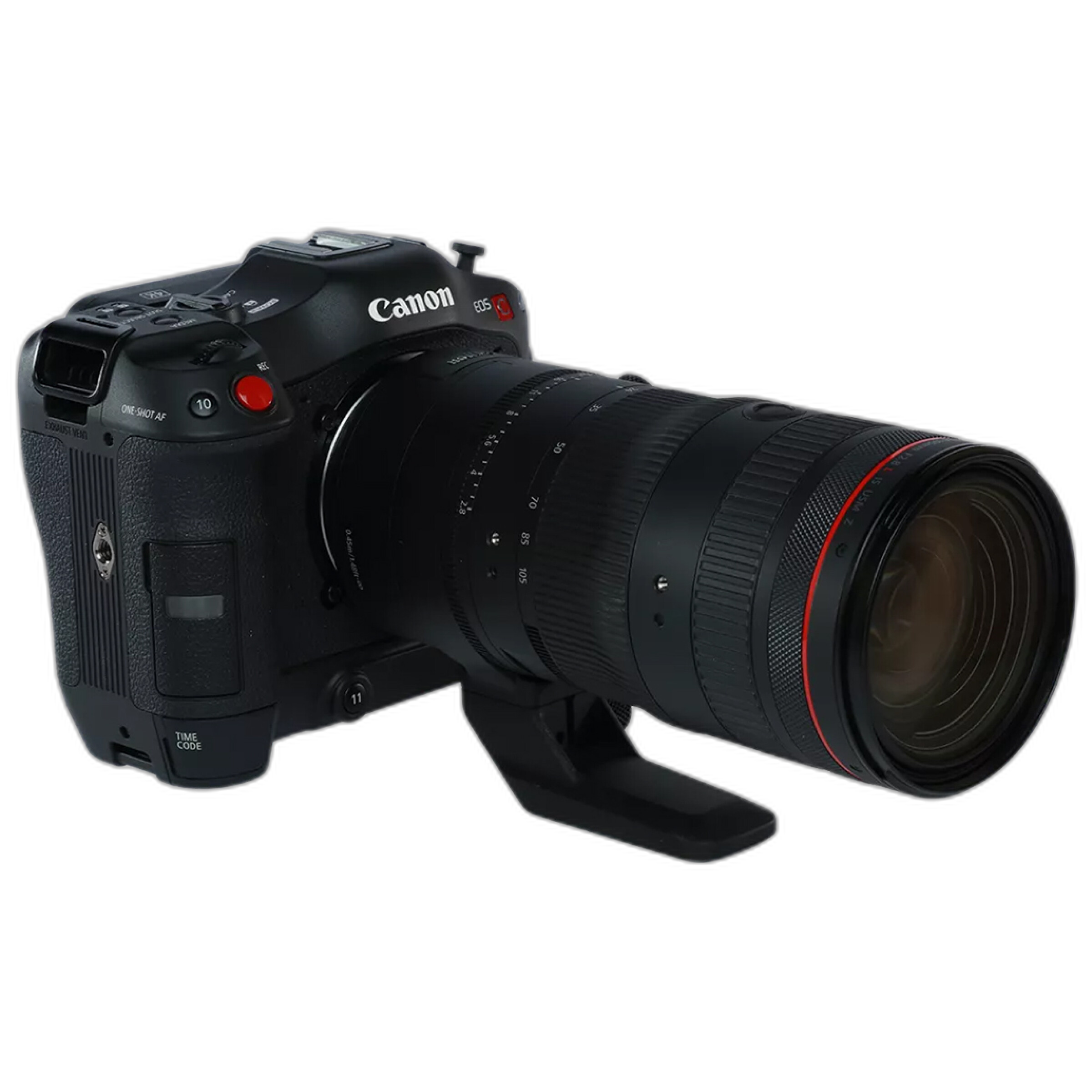
If your budget allows for a step into a dedicated cinema system, the Canon EOS C70 Cinema Camera with RF 24-105mm f/2.8 L IS USM Z Lens Kit is an excellent benchmark for what a serious production-ready package looks like. It combines a cinema-focused body design with a versatile lens, making it especially appealing for documentaries, branded content, interviews, and narrative work where flexibility matters.
Should beginners buy a dedicated cinema camera or start with a mirrorless camera?
That depends on the kind of work you want to produce. A mirrorless camera can be a smart starting point if you need one body for both stills and video, or if your budget is tight and you are still building your kit. However, a dedicated cinema camera becomes a better investment when video is your primary focus and you need professional ergonomics, easier rigging, better heat management, and more production-friendly controls.
For filmmakers moving beyond casual video, the Canon EOS C70 stands out because it reduces many of the compromises that newer filmmakers often encounter with hybrid bodies. You get a camera built for motion production first, which means fewer workarounds on set and a smoother path into more advanced jobs.
What features matter most when comparing affordable cinema cameras?
Prioritize features that directly affect your shooting style. Dynamic range is important if you light minimally or shoot in uncontrolled locations. Internal ND filters are a major advantage for run-and-gun work because they help you control exposure quickly while preserving your desired shutter speed and aperture. Reliable autofocus matters for solo operators and documentary shooters, while raw or high-bit-depth recording can be valuable if your projects require intensive color grading.
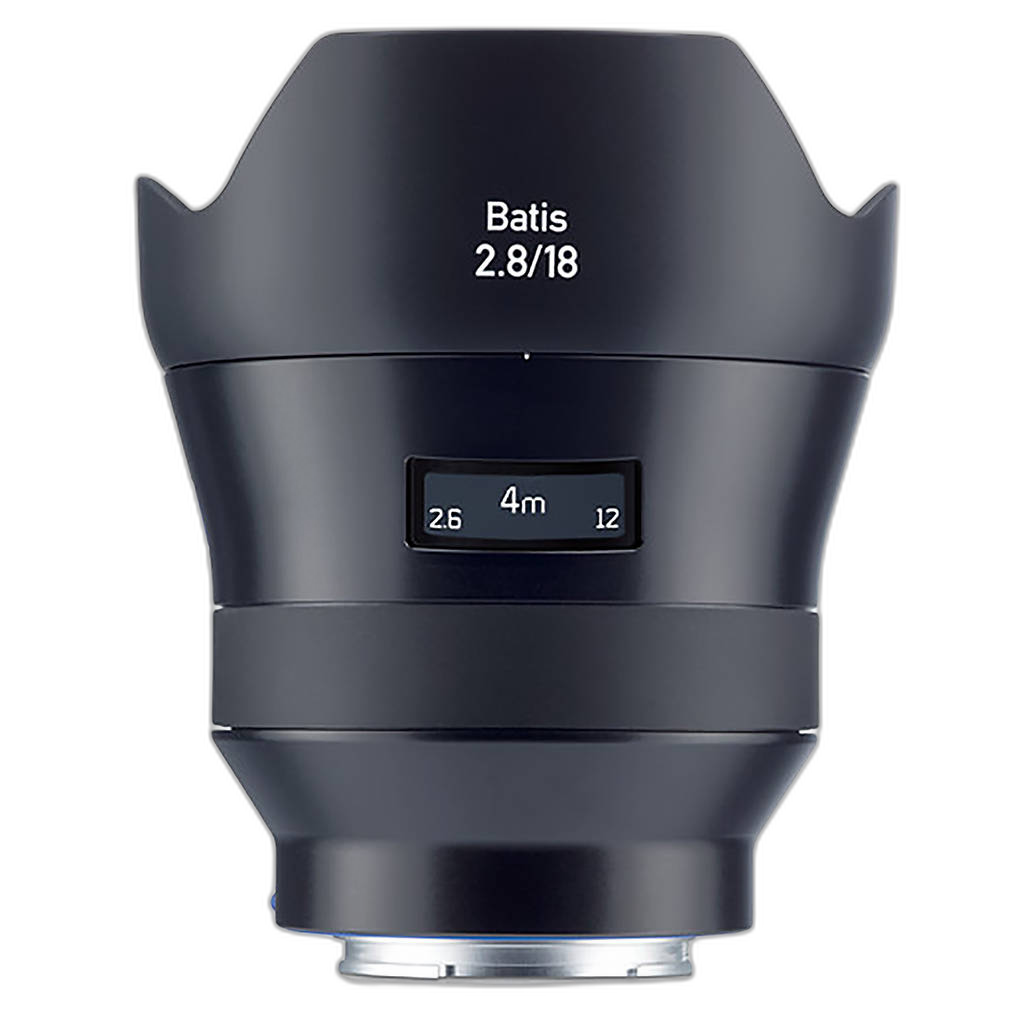
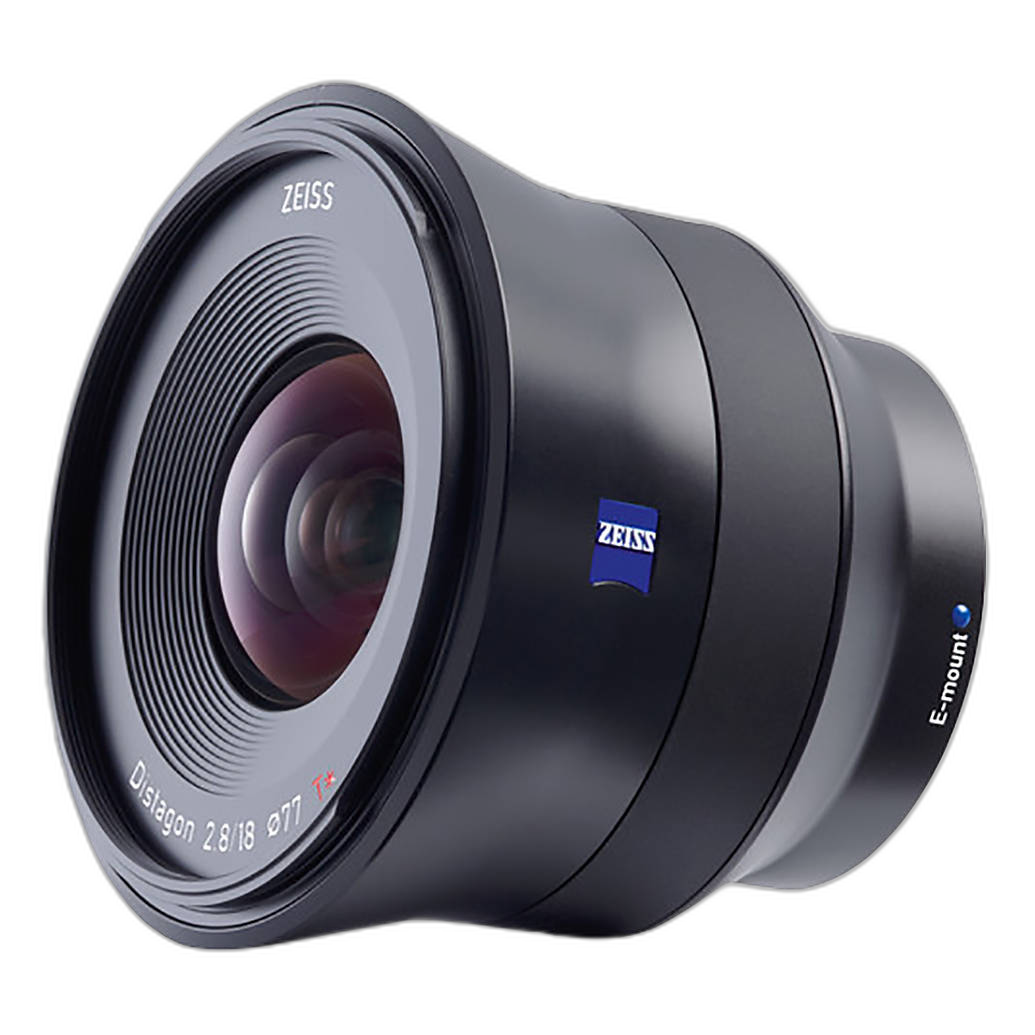
Lens ecosystem is also a major factor. If you are shooting on Sony E-mount, for example, a wide-angle lens like the Zeiss Batis 18mm f/2.8 can be a strong creative tool for establishing shots, interiors, gimbal work, and dramatic environmental framing. A quality lens can have just as much impact on your finished image as the camera body itself.
Is it better to buy a new cinema camera or save money by buying used?
Used gear can offer impressive value, especially for filmmakers who understand how to inspect equipment and can tolerate cosmetic wear. Buying used may let you move into a higher-tier body, a better lens, or additional accessories that would otherwise be out of reach. That said, used purchases carry more uncertainty around wear, battery life, past usage conditions, and warranty coverage.
Buying new is often the better choice when reliability is critical, especially if you are using the camera on client work or paid productions. A new system also makes it easier to protect your investment. For example, filmmakers purchasing a Canon cinema body may want to consider Canon CarePAK PRO EOS Cinema Cameras coverage for added peace of mind. Protection plans can be especially valuable when your camera is traveling between sets or being used heavily throughout the year.

How important is power management for low-budget filmmaking?
It is extremely important, and it is often underestimated by first-time buyers. A camera body may look affordable at checkout, but if your power solution is weak, your production day slows down quickly. Frequent battery swaps interrupt interviews, delay setups, and add stress on location. Power planning should be part of your budget from the beginning.
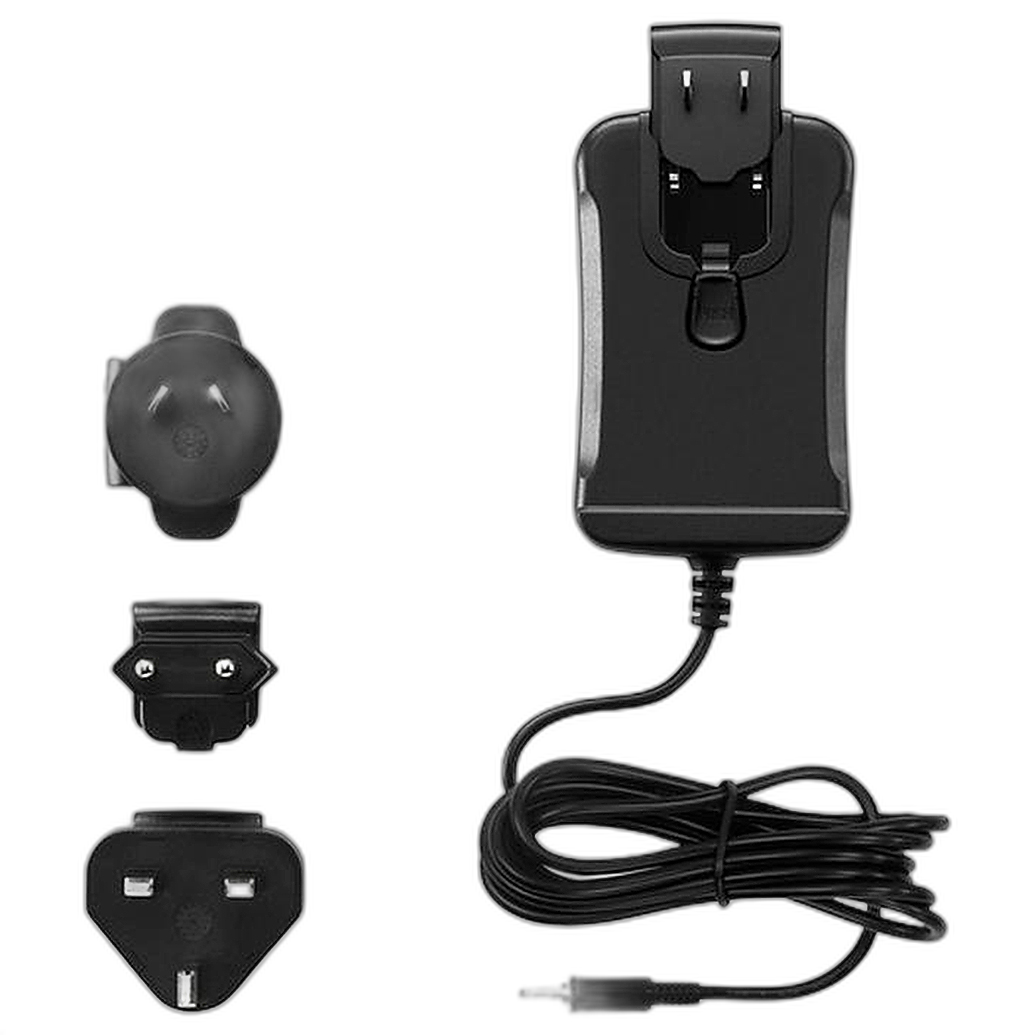
For Blackmagic users, a dedicated accessory like the Blackmagic Design Power Supply for Pocket Cinema Camera can be a simple but valuable addition for studio work, long-form interviews, streaming, or any setup where consistent AC power is more practical than cycling through batteries. Reliable power is not glamorous, but it keeps productions moving.
How much should I budget for lenses when building an affordable cinema kit?
You should treat lenses as a core part of the system, not an afterthought. Many filmmakers focus too heavily on the camera body and discover later that their lens choices limit image quality, framing options, or low-light performance. For indie production, a practical starter setup often includes a versatile zoom for general coverage and at least one specialized lens for either wide scenes, portraits, or low-light work.
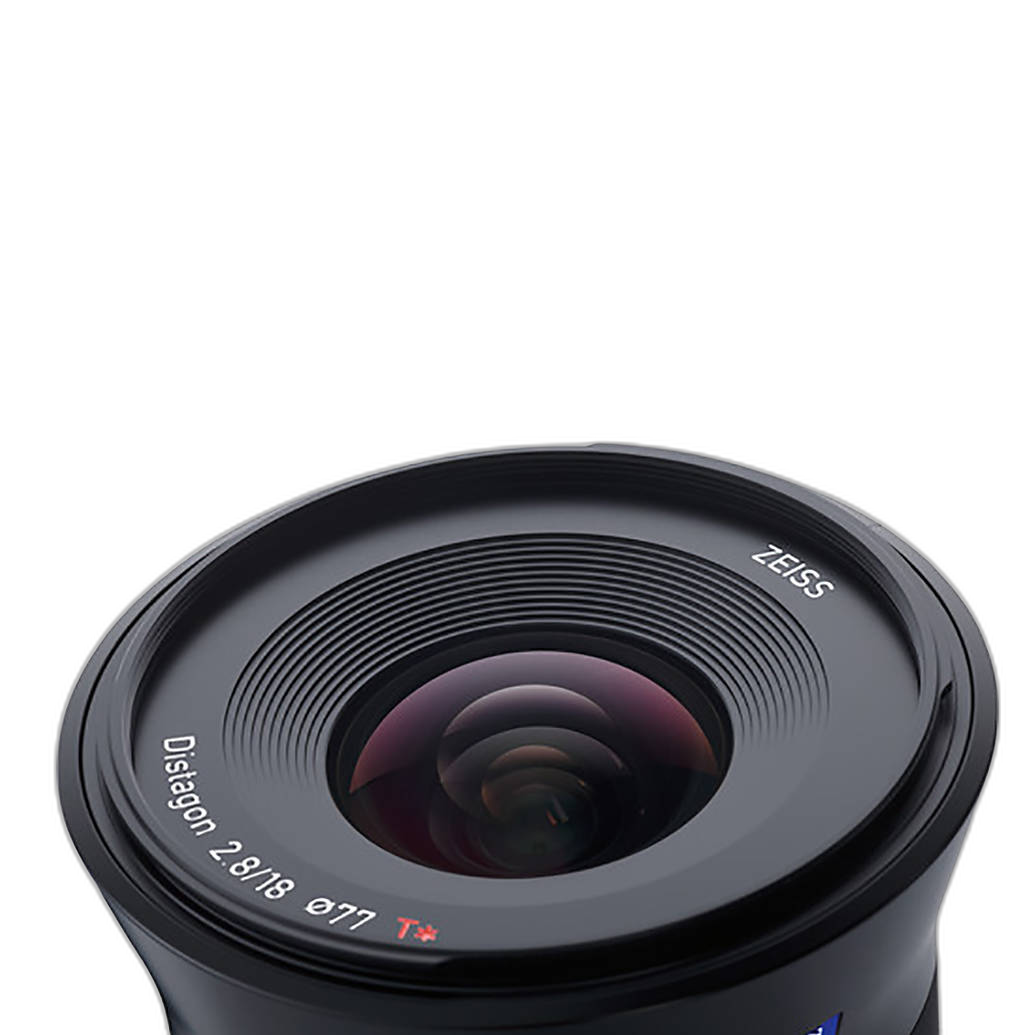
A premium wide-angle option such as the Zeiss Batis 18mm f/2.8 can elevate a Sony-based video setup with crisp rendering and a field of view that is especially useful for architecture, tight interiors, gimbal shots, and dramatic location work. If you are investing in your first serious lens, choose one that solves a recurring production need rather than simply filling a gap on paper.
Can an affordable cinema setup also handle content creation, livestreaming, or hybrid work?
Yes, and for many creators that flexibility is a major reason to invest carefully. Indie filmmakers often wear multiple hats, producing shorts one week and client web content the next. Building a system that can support production, streaming, behind-the-scenes content, and social deliverables improves the long-term value of your purchase.
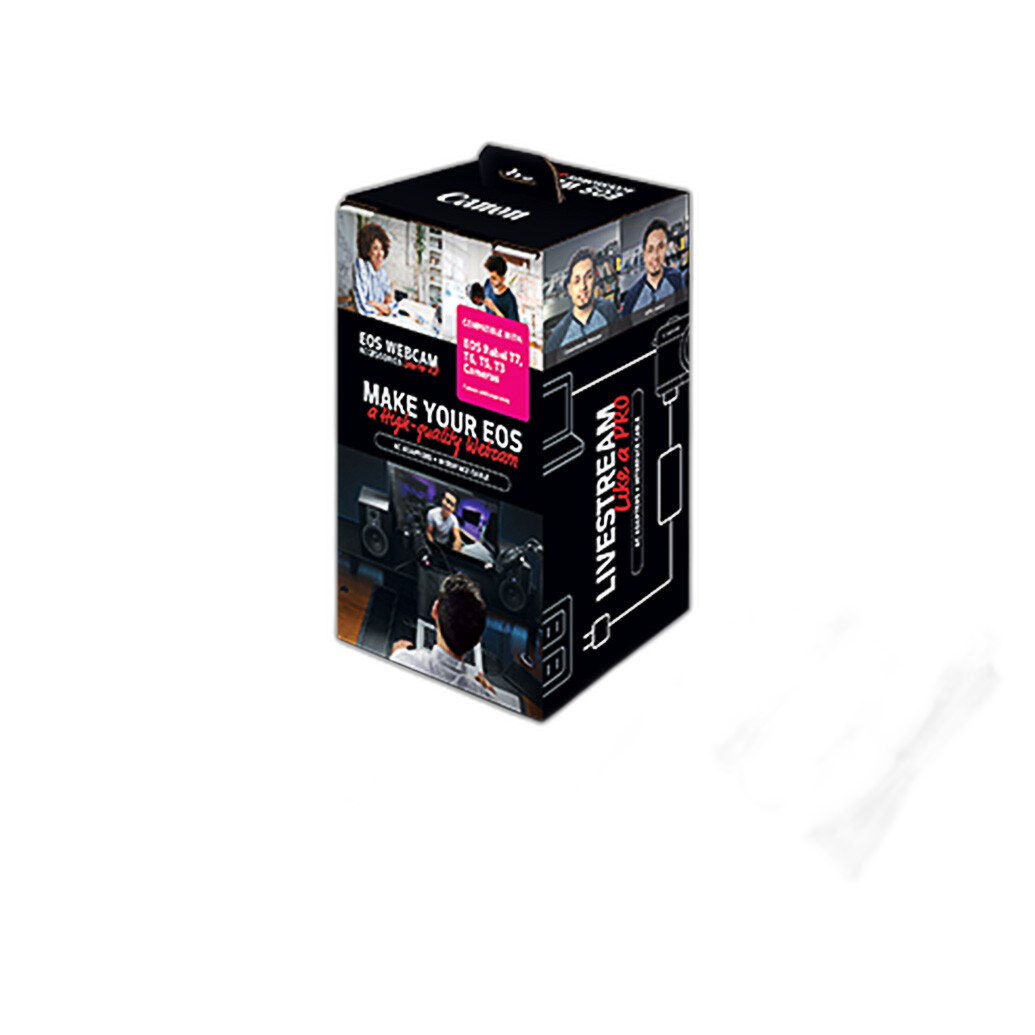
Accessories made for connected workflows can also help. For creators who still use Canon EOS bodies alongside their cinema gear, the Canon EOS Webcam Accessories Starter Kit for EOS Rebel Cameras is an example of how a camera system can stretch into streaming and desktop production tasks. Even if your primary goal is filmmaking, hybrid utility can help justify your investment.
What is the most common mistake new indie filmmakers make when buying their first cinema camera?
The biggest mistake is buying a camera based on headline specs alone. Resolution, frame rates, and raw recording sound impressive, but they do not automatically produce a better filmmaking experience. New buyers often overlook storage costs, battery needs, lens pricing, rigging, and whether the camera actually fits their style of work. A camera that is difficult to power, support, or edit from can become expensive very quickly.
Another common issue is underestimating protection and long-term ownership costs. If you are stepping into a serious cinema body such as the Canon EOS C70, adding coverage like Canon CarePAK PRO can be a smart move. The right support plan can reduce risk and help protect a production tool that may be central to your business.
What is a sensible first upgrade path for someone outgrowing entry-level video gear?
Start by identifying the bottleneck in your current setup. If your footage looks good but shoots are slowed down by poor battery life, invest in power. If your images feel limited, upgrade your lens before replacing the camera body. If you have begun taking on client work regularly, moving into a more production-ready body can save time and improve consistency.
For filmmakers ready to step up meaningfully, a dedicated cinema package like the Canon EOS C70 kit offers a strong foundation. Pairing a capable body with dependable support accessories and a lens strategy built around real shooting needs is usually a smarter path than chasing the cheapest body available.
Affordable cinema gear is ultimately about value, not just price. At Unique Photo, we can help you compare camera bodies, lenses, power options, and protection plans so you can build a filmmaking kit that fits your budget and your creative goals. Explore our cinema camera selection online or connect with the Unique Photo team for expert guidance on your next production-ready setup.