Affordable Audio FAQ for Small Videography Setups
Good audio can elevate even a modest video kit, and for many creators, the biggest challenge is balancing sound quality, portability, and cost. Whether you are building a lightweight run-and-gun setup, recording interviews, or expanding into multi-source production, a smart audio workflow matters just as much as your camera choice.
At Unique Photo, we help videographers choose practical tools that fit real-world shooting. Below, we answer common questions about budget-friendly audio for small productions and explain when to keep things simple and when to step up your gear.
What makes a good budget-friendly on-camera microphone?
A strong budget on-camera microphone should do three things well: reject unwanted side noise, sound noticeably cleaner than your camera's built-in mic, and stay easy to use in fast-moving situations. For small videography setups, compact shotgun-style microphones are popular because they improve dialogue pickup without adding much weight to your camera rig.
When comparing options in this category, focus on pickup pattern, self-noise, output level, battery or plug-in power options, and physical size. For run-and-gun work, reliability and simplicity often matter more than advanced features. A microphone that mounts quickly and sounds consistent from shot to shot is usually the best value.
Are compact shotgun microphones enough for run-and-gun shooting?
In many cases, yes. A compact shotgun mic is often the most practical first upgrade for documentary-style clips, walk-and-talk coverage, behind-the-scenes content, and event snippets. Mounted on-camera, it captures more focused sound than an internal mic while remaining fast to deploy.
That said, microphone placement still matters. Even an excellent on-camera shotgun will sound less direct than a mic positioned close to the subject. If you are filming a presenter from several feet away in a noisy room, the mic will also capture room reflections and ambient noise. For quick coverage, though, a compact shotgun remains one of the best value purchases in a small video kit.
Do I need wireless audio for interviews, or can a recorder handle the job?
Wireless audio is helpful, but it is not always mandatory. If your subject is seated and your shoot is controlled, a portable recorder or wired mic solution can absolutely deliver strong results. Recorders are especially useful when you want dependable capture without worrying about wireless interference, battery coordination across transmitters, or signal dropouts.
Wireless becomes more important when your subject needs to move freely, when the camera must stay at a distance, or when you need a cleaner, faster workflow for interviews on location. For solo creators, the right answer often depends on how mobile your subject is and how quickly you need to work.
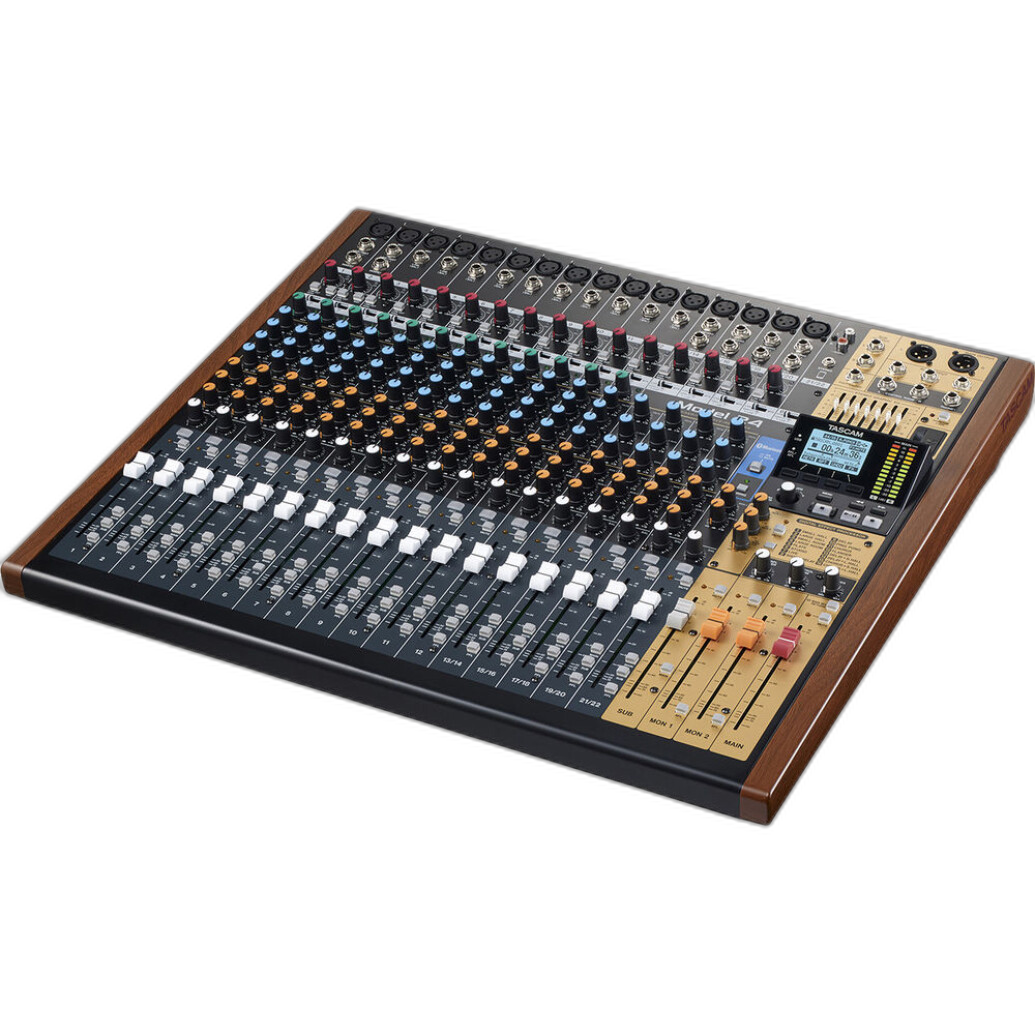
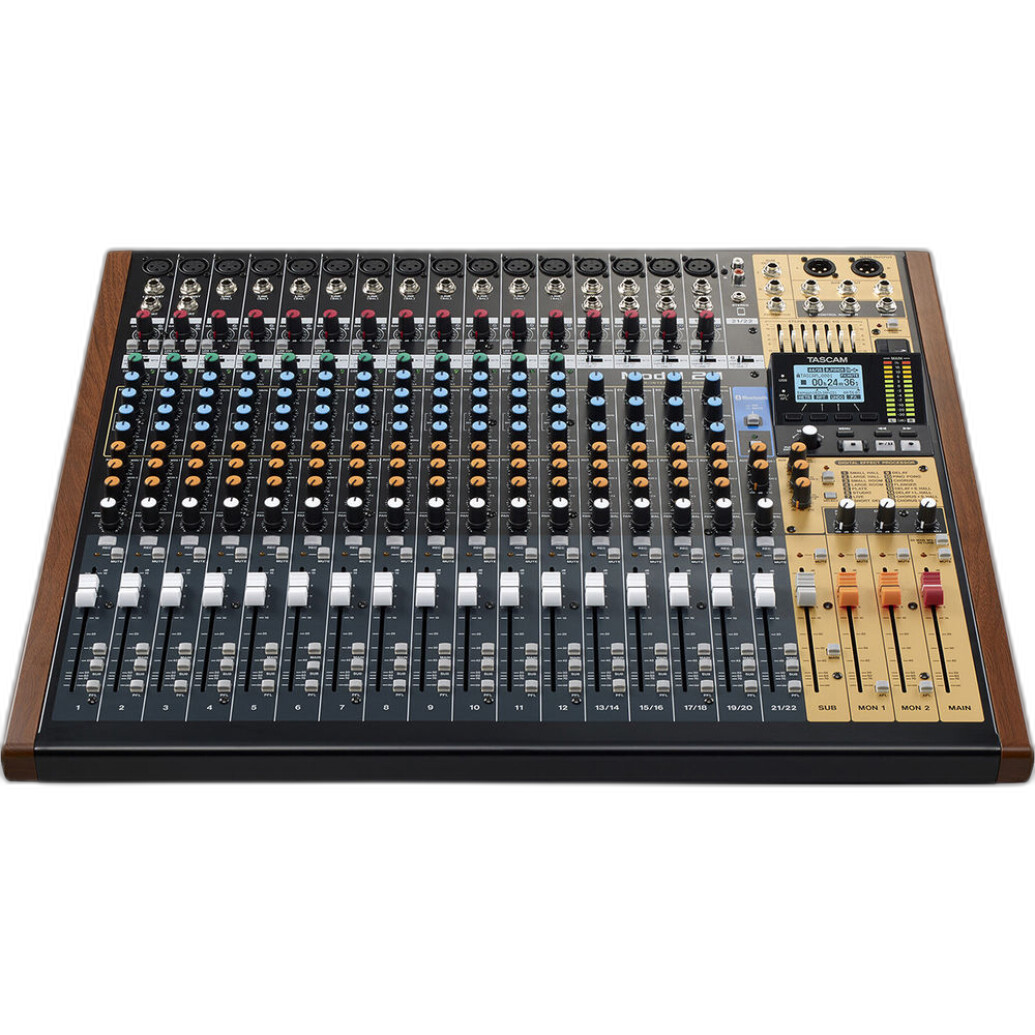
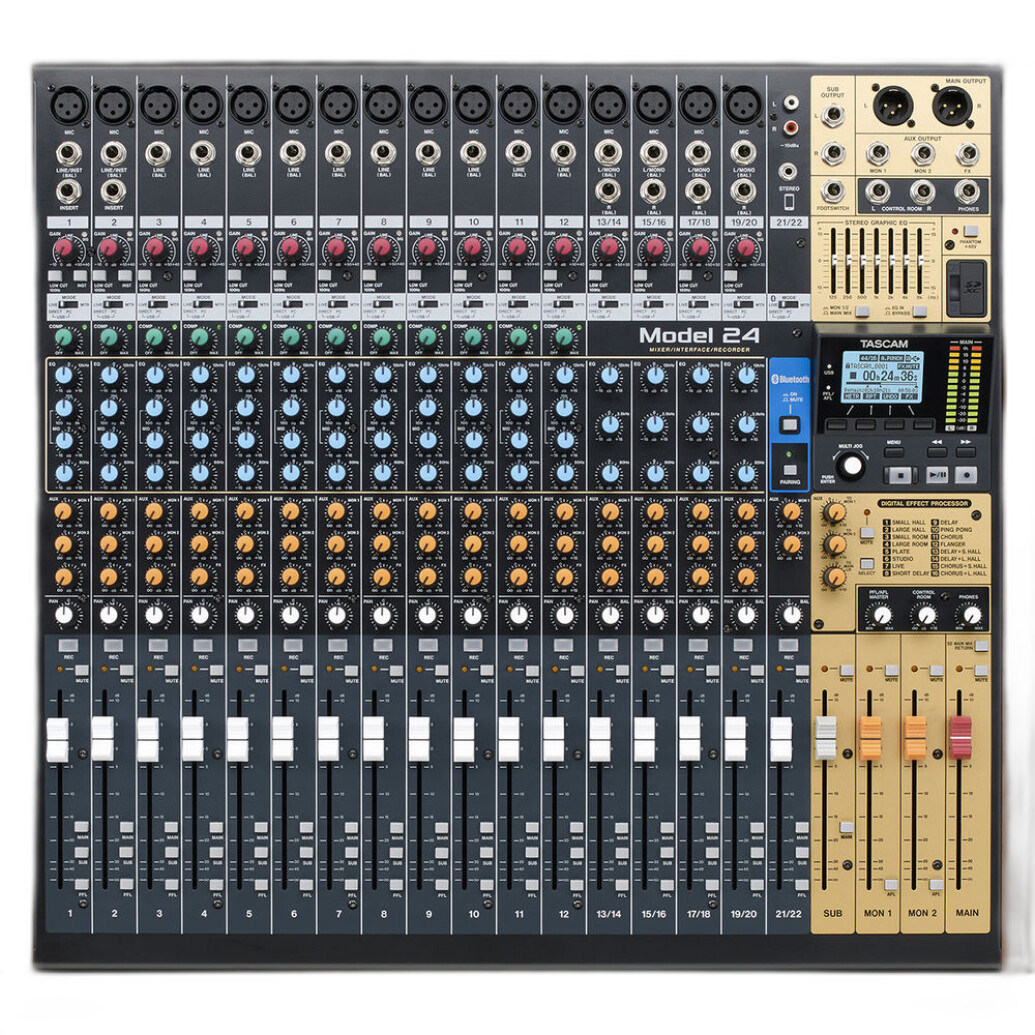
If your productions are growing beyond simple single-subject recording, stepping up to a more advanced audio hub can help centralize your workflow. The Tascam Model 24, for example, is a powerful option for creators producing interviews, podcasts, livestreams, or multi-source video projects. It combines mixer functions, recording, and USB audio interface capability in one unit, making it a versatile solution for creators who want to manage more complex audio setups from one device.
How do popular compact on-camera mics compare for everyday video work?
When videographers compare compact shotgun microphones for everyday use, the decision usually comes down to tonal character, gain structure, build quality, and how well the mic integrates with a small camera body. Some models emphasize ease of use and portability, while others offer stronger output or more flexible powering options.
For run-and-gun shooting, many creators prefer a mic that stays compact, resists handling noise, and works reliably without a lot of menu diving. If you frequently switch between mirrorless cameras, compact cinema bodies, or hybrid stills/video setups, the best choice is often the microphone that keeps your rig balanced while still delivering a clear voice track. In practical terms, any of the better-known compact shotguns in this category can be a solid fit if they match your shooting style and camera input needs.
What is the most affordable way to improve interview sound quality?
The most affordable improvement is usually not buying the most expensive microphone. It is getting the microphone closer to the speaker. That can mean moving your camera closer, using a boom just out of frame, clipping on a lav mic, or placing a recorder near your subject. Distance is one of the biggest factors in perceived audio quality.
You should also pay attention to the room. Hard walls, bare floors, and echo-heavy spaces will make almost any microphone sound worse. Whenever possible, record in smaller rooms with soft furnishings, turn off noisy appliances, and monitor with headphones. Even a budget setup can sound polished if the environment is controlled well.
When should I choose a mixer-recorder instead of a simple portable recorder?
A portable recorder is ideal for compact solo shoots, backup capture, and basic interviews. A mixer-recorder becomes more useful when you need multiple microphones, live level control, USB audio for streaming, or a more permanent production setup. If you create long-form interviews, podcasts with video, or multi-person panel content, a mixer-recorder can streamline your entire workflow.
The Tascam Model 24 is a strong example of this next step. It gives creators more channels, hands-on control, onboard recording, and interface functionality for hybrid productions. That makes it a smart choice for a small studio, content team, or videographer who wants one system for recording interviews, voiceovers, and live productions.
What accessories matter most in a budget audio kit?
Accessories are often overlooked, but they have a direct impact on reliability. Quality cables, protection for your gear, and a sensible signal path can prevent many common audio problems. For example, if you are connecting professional audio gear in a studio or hybrid video setup, dependable cabling is essential.
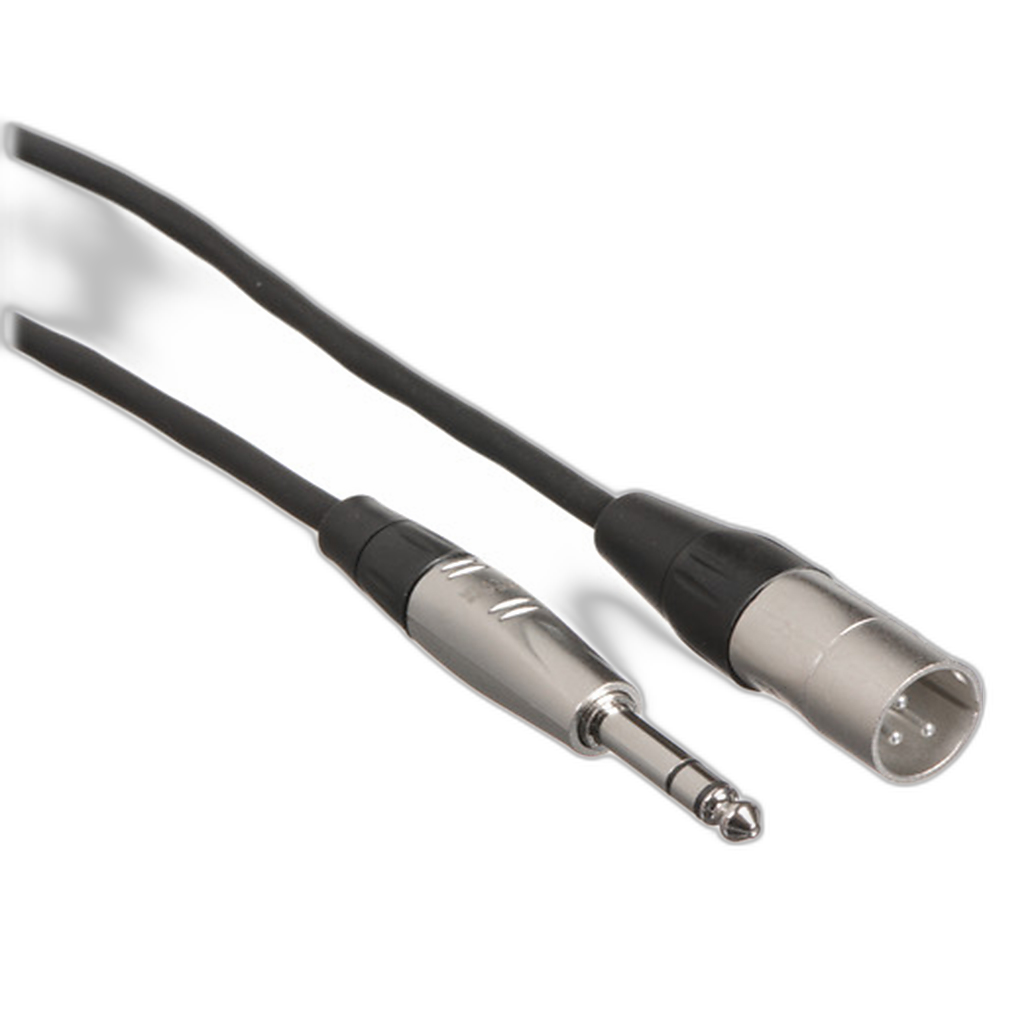
The Hosa Technology Balanced 1/4in TRS Male to 3-Pin XLR Male Audio Cable is a useful example of a practical accessory that can help integrate mixers, interfaces, recorders, and other audio hardware cleanly. Reliable connections reduce hum, signal issues, and setup frustration during production.
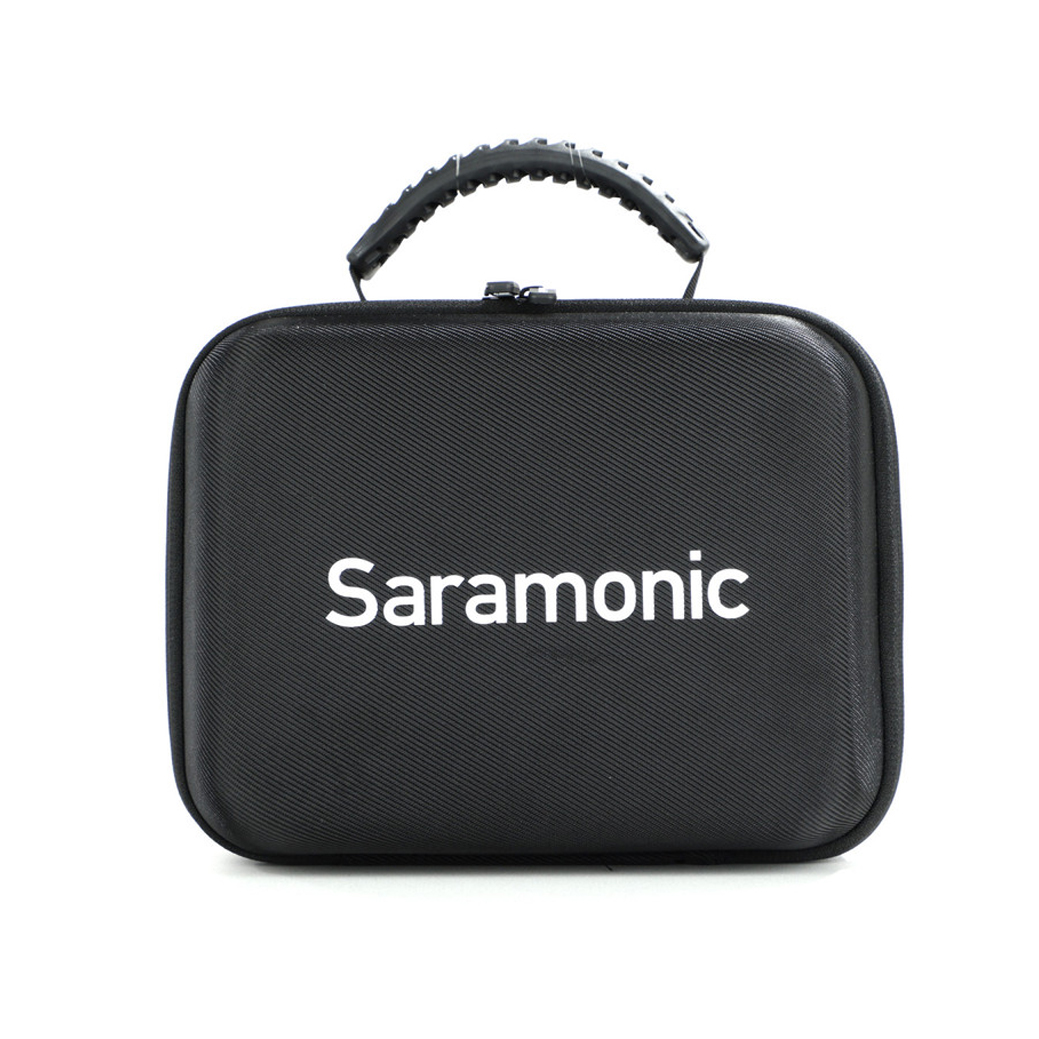
Protection also matters, especially if you transport audio gear often. The Saramonic WiTalk9-Case-M Premium Padded Soft Carry Case - Small is the kind of compact storage solution that helps keep accessories organized and protected between shoots. Cases like this are especially useful for small audio components, adapters, and portable communication gear.
How can I get cleaner sound without spending much more?
Start with technique before upgrading gear. Use manual audio levels instead of auto when possible, monitor your recording, and leave enough headroom to avoid clipping. Get closer to the speaker, reduce background noise, and use wind protection outdoors. These steps usually improve audio more than a minor gear upgrade.
Also think about your shooting style. If you mostly film quick clips for social content, a compact on-camera mic may be enough. If you record sit-down interviews, adding a lavalier or recorder may give you a bigger quality jump. If you are building a small production space, investing in a more capable audio control center can save money over time by reducing the need for piecemeal upgrades.
What is the best audio upgrade path for a small videography setup?
A sensible path is to begin with an on-camera microphone, then add a dedicated interview solution, and finally expand into a recorder or mixer as your projects become more demanding. This keeps your spending aligned with your actual needs instead of buying too much too soon.
For many creators, stage one is better camera-mounted audio for day-to-day shooting. Stage two is better subject isolation through lavs, booms, or a recorder. Stage three is a more advanced system such as the Tascam Model 24 for multi-source productions, studio content, and integrated streaming or podcast workflows.
Affordable audio is not about finding one perfect product. It is about matching the right tool to your shooting style, subject movement, and production goals. If you are ready to build a better small videography audio kit, Unique Photo can help you choose practical solutions, accessories, and upgrade paths that make sense for your workflow.