Written by Brittany G.
Photo Credits to: Alex Lee, Ana Tressel, Briana Pflug, and Kevin Backman
While digital photography is one of the more popular shooting methods, a great alternative is shooting film. Not only has film become more accessible to new users, it can also now be easily made to a digital file from it's physical negatives. So, if you're interested in shooting film, or you are already shooting film, we're taking a look at what color film is currently available and what may be best for your needs.
Shooting Film in 2023
Film has made a recent resurgence and is allowing new users to have hands-on experience shooting film photography. Due to this resurgence, many of the big-name manufactureres (i.e. Kodak and Fuji) have remained in production for a handful of film stocks that are available to some authorized retailers - like Unique Photo. Film stocks are reasonably priced across the board, unless there is a high demand for certain stocks. Overall the average price range for film like 35mm and 120/medium format rolls are anywhere from 7$ to 20$. There are also some film stocks that come in multi-packs to get the best bang for your buck.
What is the difference between 35mm and 120 (medium format)?
The most obvious difference between the two are going to be the physical size of the film itself - but there are some things to consider when deciding between the two for shooting film photography. Here are some of the characteristics that separate 35mm and 120 medium format from each other:
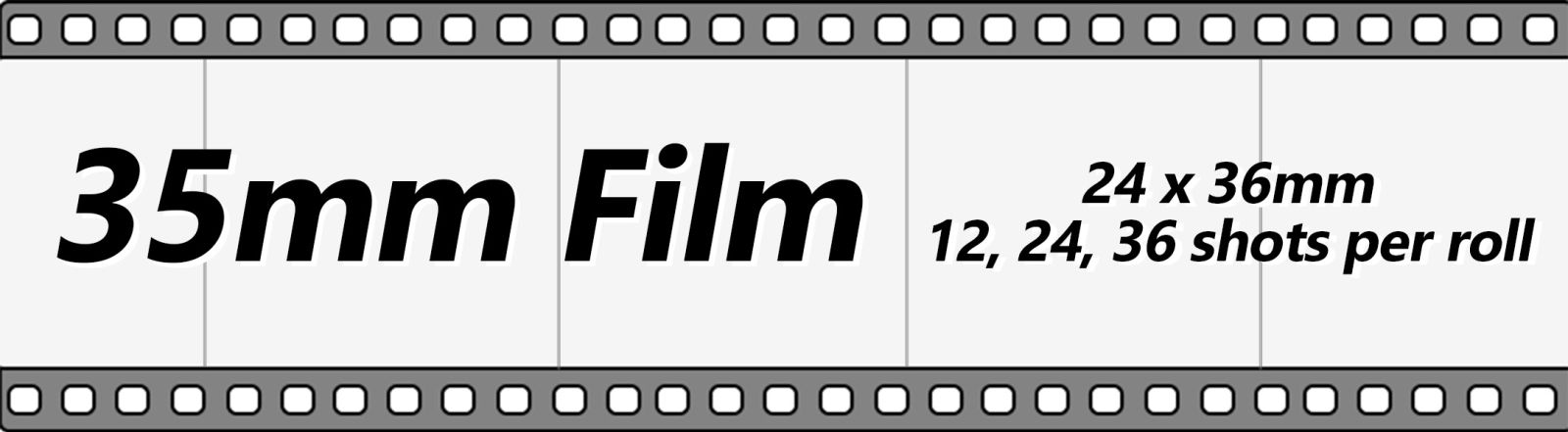
Characteristics of 35mm film
- Aspect Ratio: With an aspect ratio of 3:2, the image size will be at 36mm x 24mm
- Resolution: It generates a lower resolution compared to other types of analog film. Some photos may have grain or slight blurred quality - which can be a preference compared to the sharpness of digital photos to give that nostalgic or vintage feel
- ISO Range: With such a wide range of ISO options anywhere from 100 to 800 (some lower and higher depending on the brand). The higher the ISO, the higher the film sensitivity and the larger the film-grain size. Which is something to especially consider when shooting 35mm in different lighting.
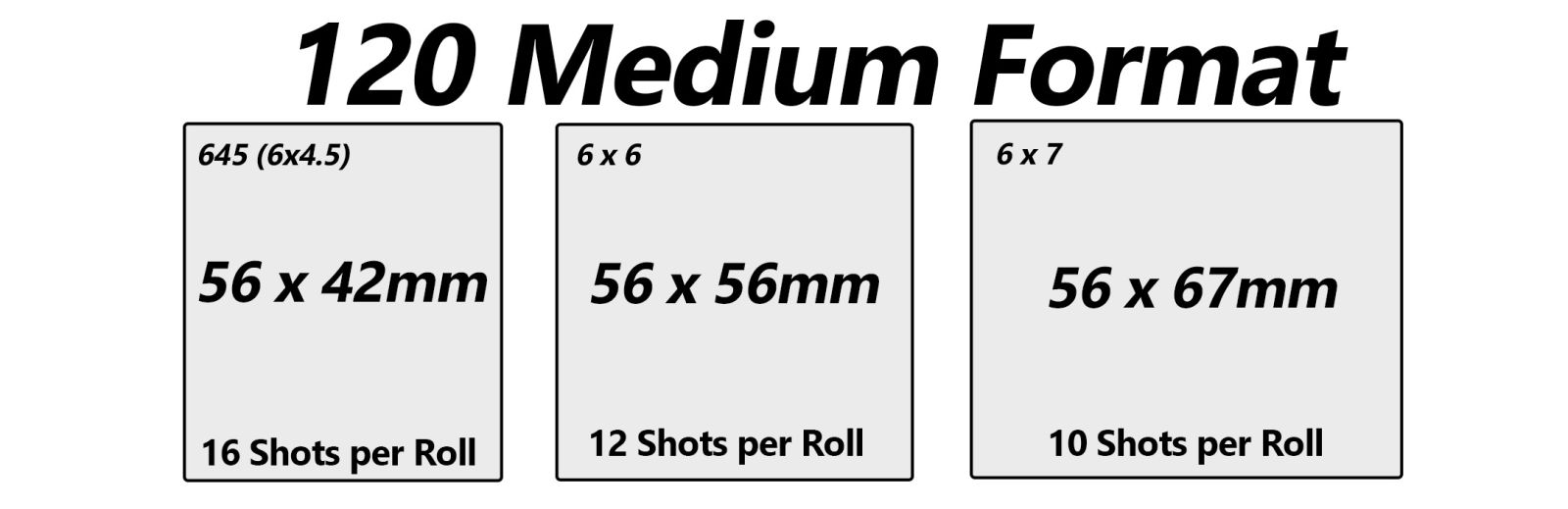
Characteristics of 120 Medium Format Film
- Aspect Ratio: 120 has a 1:1 ratio with an image size of 56mm x 56mm, 56mm x 67mm.. You can find rolls ranging from 10-16 exposures but when matched with certain cameras this can actually range from 4-16 exposures.
- Resolution: With it being larger than 35mm film you can expect a higher resolution and larger dynamic range from 120 film. More details and smoother gradients will be found in your photos with less grain, making it ideal for printing large formats 8x10 and larger.
- ISO Range: Similar to 35mm it can range from ISO 50 to 800 depending on the brand and film stock, sometimes it can be pushed to ISO 3200 with the right film and camera combination.
Advantages of Shooting 35mm or 120 Medium Format Film
- Compact and "No-Think" Shooting: With point-and-shoot 35mm film cameras available secondhand, it has become easy to have a quick and easy option to shoot photos without stressing about multiple setting options beforehand.
- They are (once again) easy to find: Due to their spike in popularity, film is incredibly easy to find in the stores that do sell them - photography stores will sell film ranging in ISO options and film stocks.
- It's Fairly Affordable: While 35mm is more affordable than other types of medium or large format film - film is more accessible to photographers of all levels. Whether you can locate disposable cameras or re-loadable cameras there are options on the market for all budgets in mind!
With all that said, here is a quick look at some available options on the market with samples.
Kodak
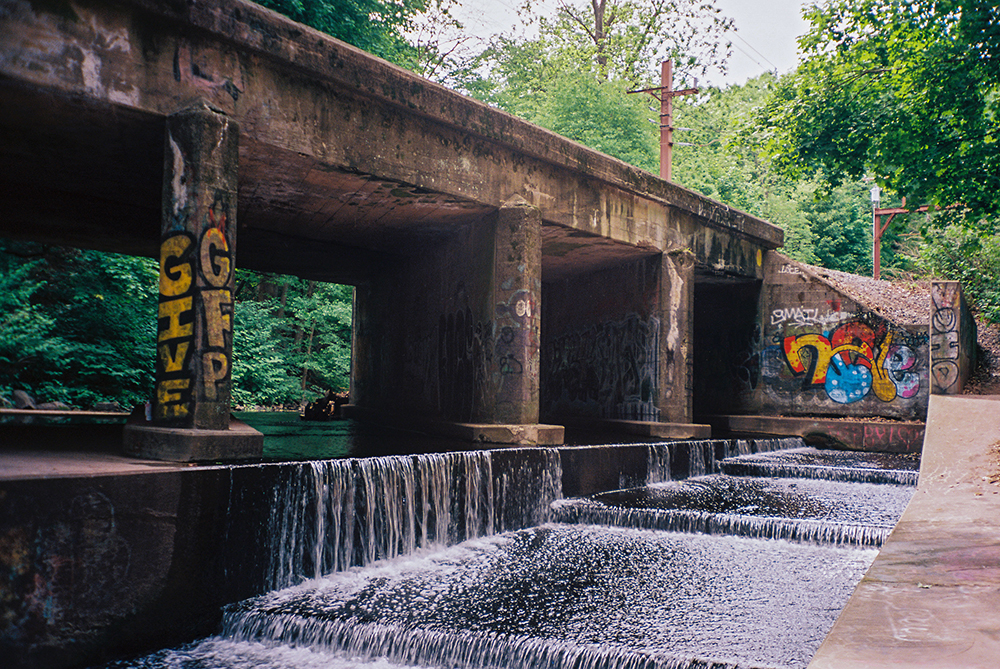


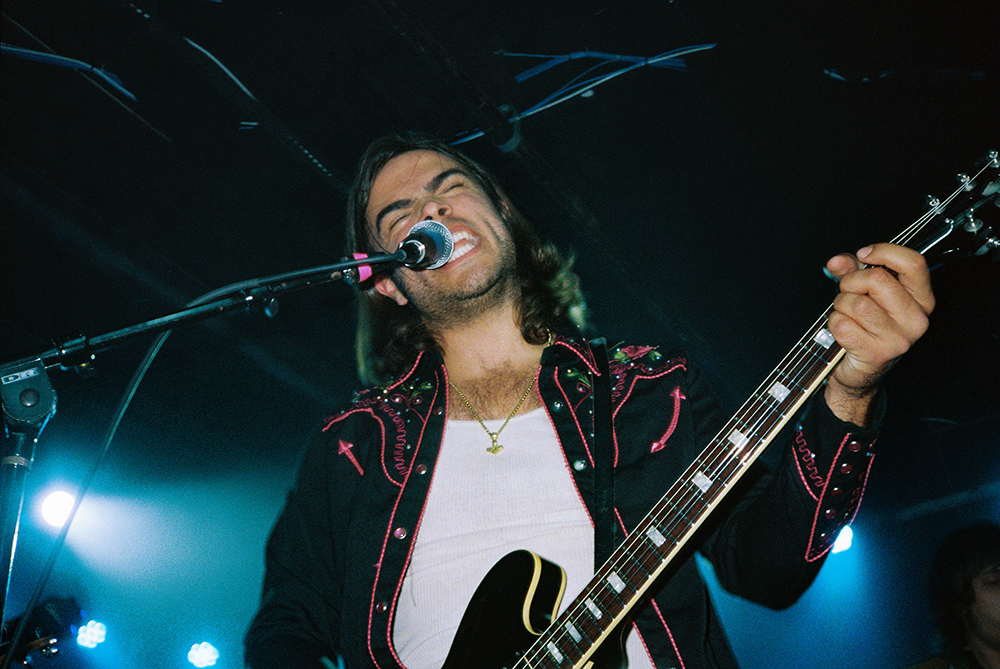
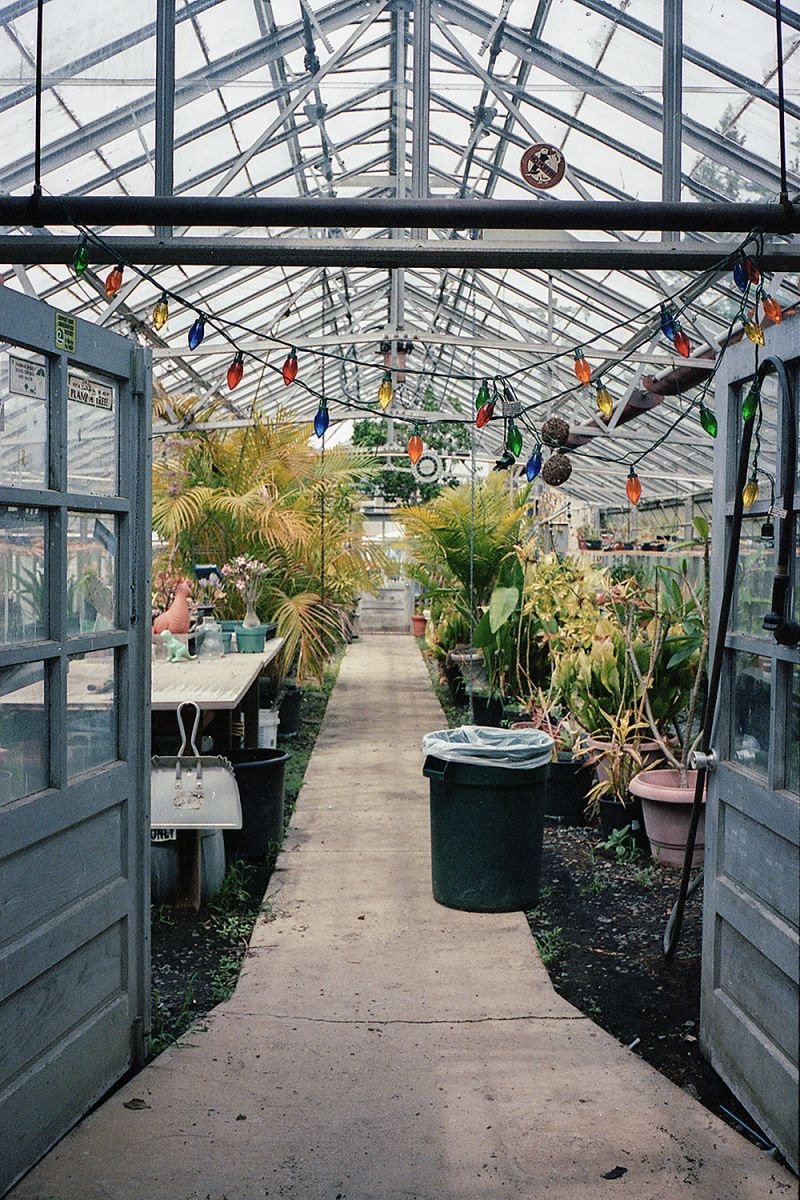
Fujifilm
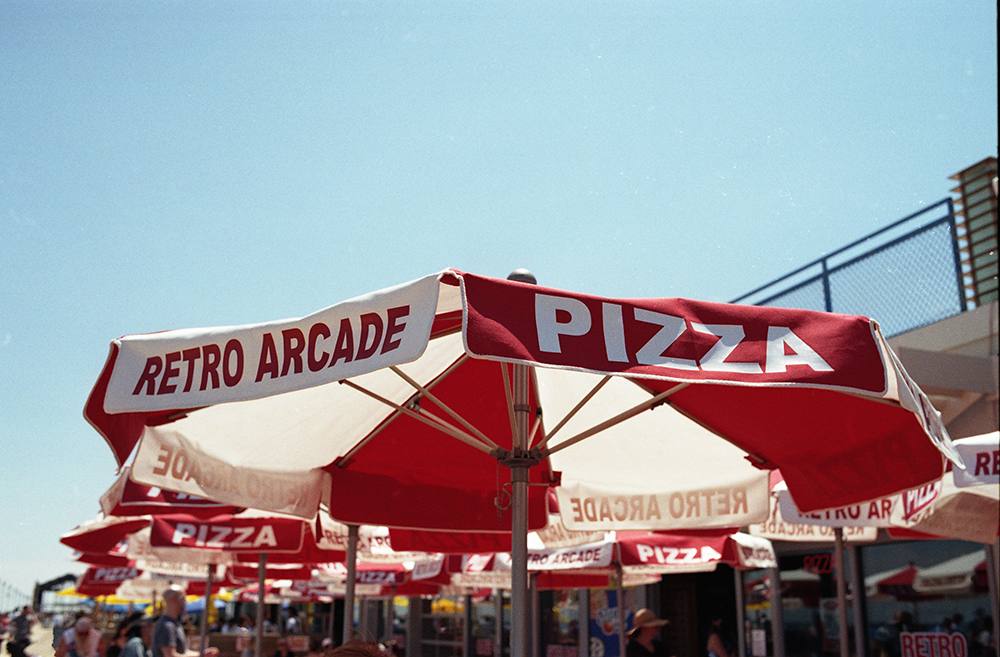
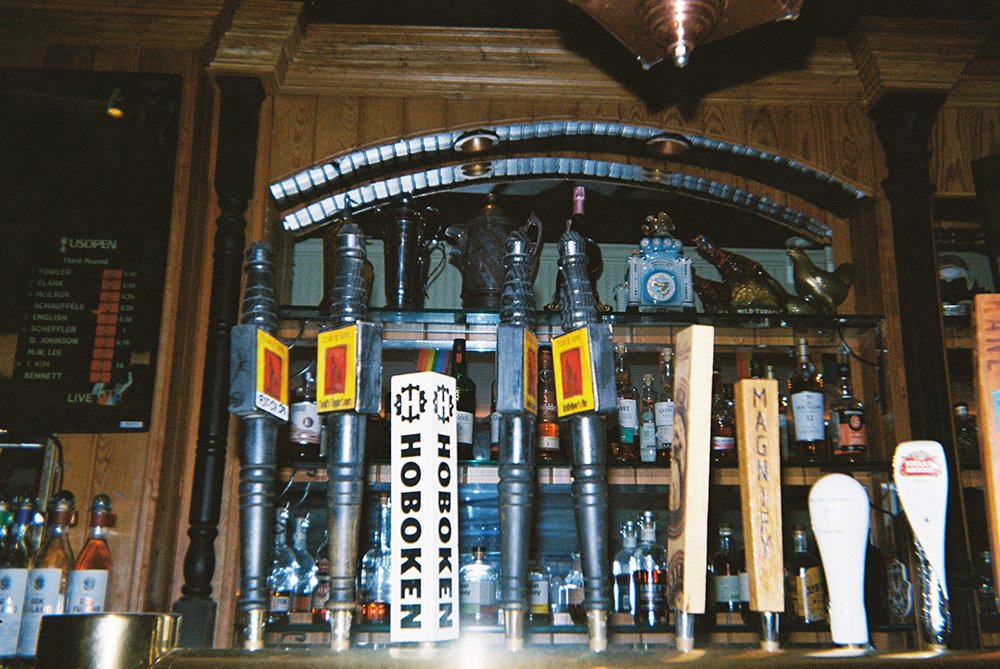
Cinestill
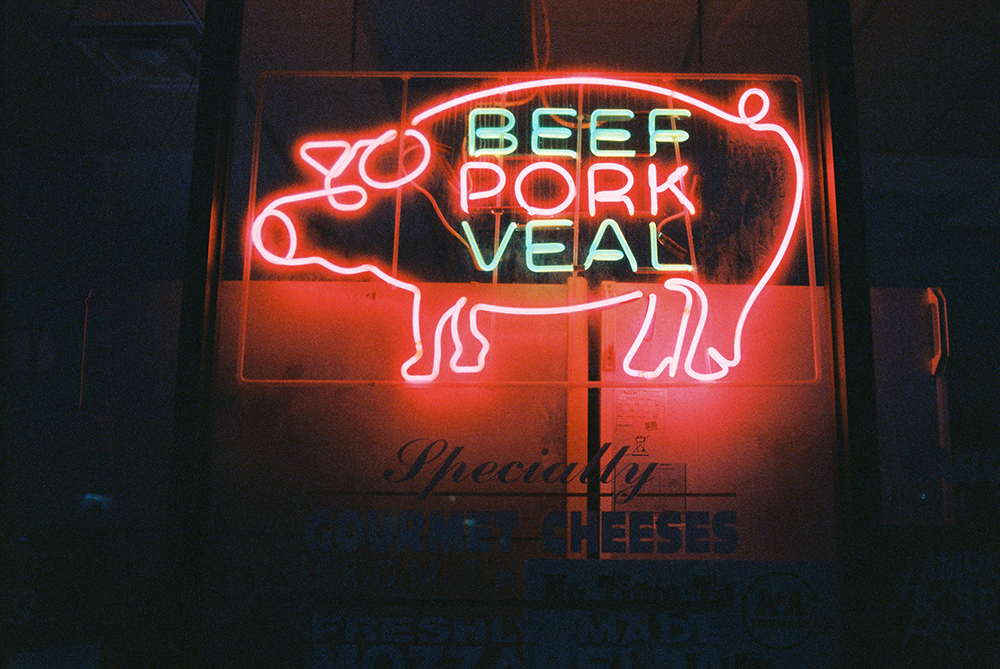
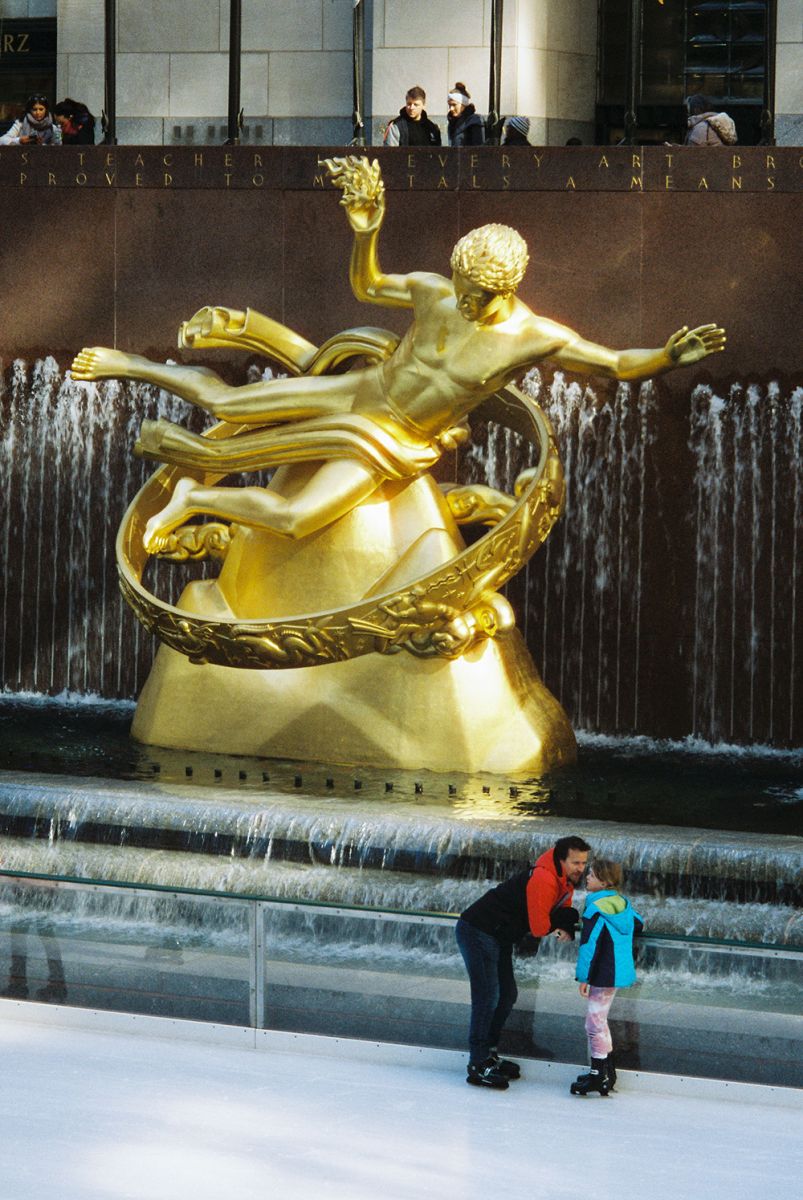
Lomography
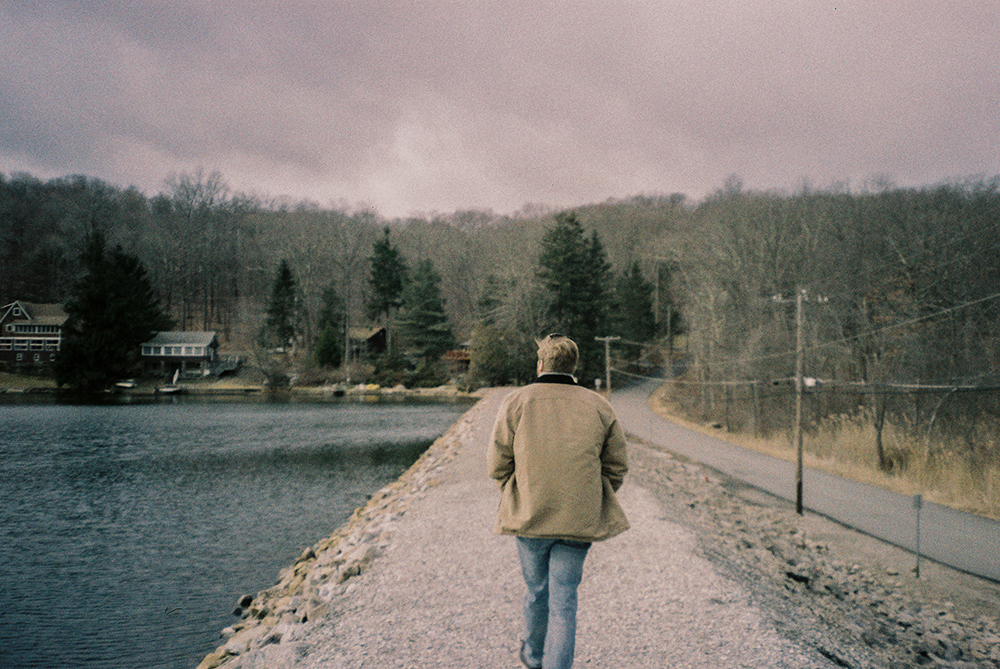
While everyone shoots differently, many of the film stocks even today hold up their color profiles from times past and give modern photographers a way to have a vintage feel to their photos. All you need is to pick up a 35mm or medium format camera and get out there! If you are looking to shoot film, but perhaps don't have the funds to dish out a new camera body, there are still disposable cameras in some of the options above! Many are designed to be fully disposable after used, but you do also have the option to purchase a re-loadable camera! All you have to do is simple shoot the roll you have and without needing to dispose of the whole camera itself, you are able to purchase new rolls and shoot without creating as much waste.
Getting into Film has become easy and more accessible, and the hardest part of shooting film might be finding a developing lab. However if you are interested in shooting (or have recently finished a roll or two) Unique Photo can develop your film, in house, for you!
To learn more about our Photo Lab click here!