Introduction: Two Classic Portrait Focal Lengths, Two Very Different Looks
If you are trying to choose between a 50mm f/1.8 and an 85mm f/1.8 for portrait photography, you are deciding between two of the most popular lens types in photography. Both can produce flattering subject separation, attractive background blur, and excellent low-light performance, but they do not create the same portrait experience.
In practical terms, a 50mm f/1.8 is often the more flexible everyday lens. It can handle portraits, casual lifestyle shooting, environmental compositions, and general walkaround use. An 85mm f/1.8, by contrast, is more specialized. It is often preferred for headshots and tighter portraits because of its narrower field of view and more compressed perspective.
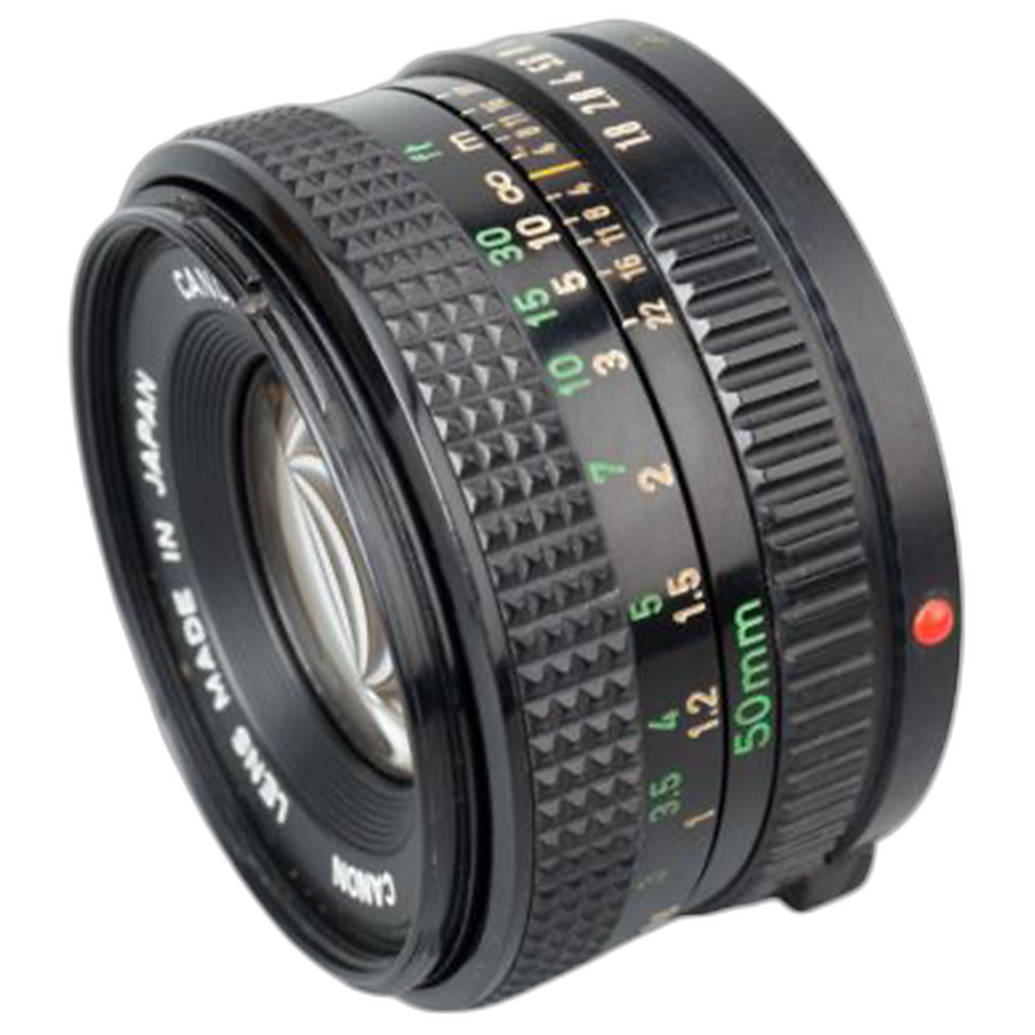
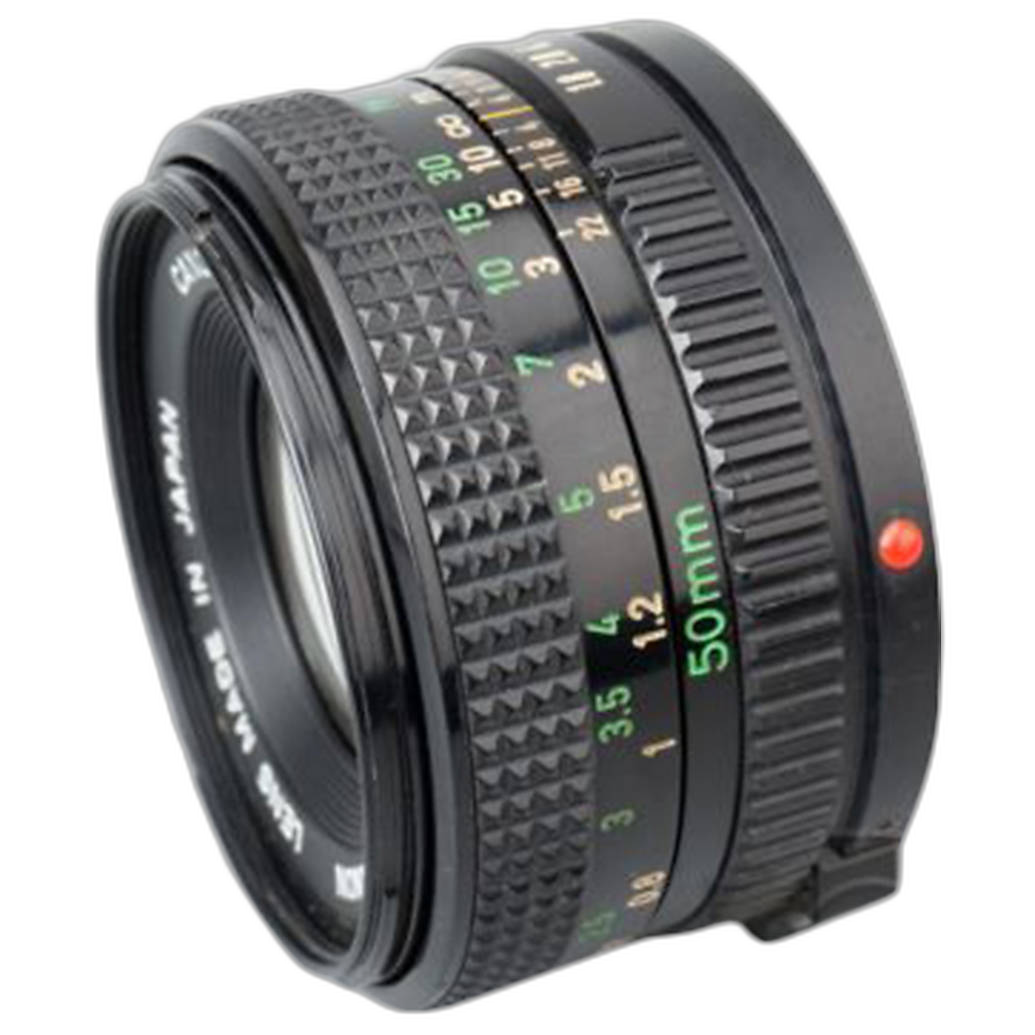
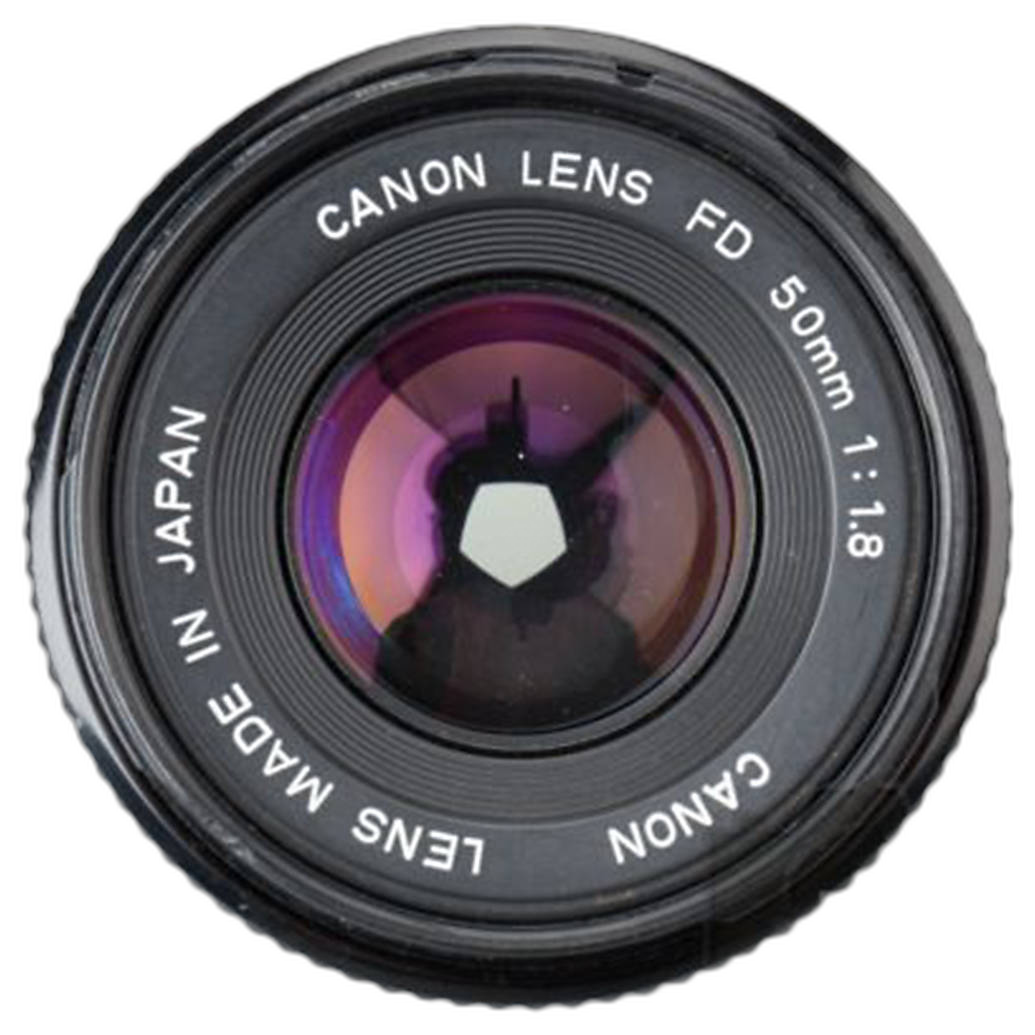
For photographers shopping at Unique Photo, this comparison becomes especially useful if you are considering an affordable vintage option like the Used Canon FD 50mm f/1.8 Lens - Good, pictured below, as a budget-friendly path into portrait photography.
This review is not just about specifications. It is about how each focal length behaves in real portrait situations: indoors, outdoors, in tight spaces, for couples, for waist-up framing, and for classic close-up headshots.
Product Positioning: Why the 50mm f/1.8 Is Still the Best Starting Point for Most Photographers
While the topic is a direct comparison between 50mm f/1.8 and 85mm f/1.8, the lens represented here by the available product is the Used Canon FD 50mm f/1.8 Lens - Good. That matters because the 50mm category has long been the entry point for photographers who want a portrait-capable lens without spending much.
The Canon FD 50mm f/1.8 is a classic example of that value proposition. It offers a bright maximum aperture, compact size, and a natural-looking perspective that works for far more than portraits alone. For users adapting vintage glass to mirrorless cameras, it can be an especially appealing choice. It is not an autofocus modern 85mm portrait lens, but it illustrates why 50mm remains such a smart first purchase.
Key Features and Portrait Performance
50mm f/1.8: Natural Perspective and Everyday Versatility
A 50mm lens gives you a field of view that feels natural and intuitive. On a full-frame camera, it is wide enough to include context around your subject, but tight enough to isolate a face or upper body at moderate distances. That makes it especially strong for:
- Environmental portraits
- Couples and small group portraits
- Indoor portrait sessions in limited spaces
- Travel and lifestyle photography
- General-purpose daily shooting
The biggest strength of a 50mm f/1.8 is flexibility. If you want one affordable lens that can do portraits and still remain useful for non-portrait work, 50mm is often the safer buy.
With a lens like the Canon FD 50mm f/1.8, you also get the aesthetic appeal of classic optics. Many photographers appreciate the rendering of older 50mm lenses for skin tones, softer transitional blur, and a less clinical look than some modern designs.
85mm f/1.8: Better Subject Isolation and More Flattering Compression
An 85mm f/1.8 is usually considered the more traditional portrait focal length. It allows you to stand farther from your subject while filling the frame, which tends to produce more flattering facial proportions. Noses appear less prominent, facial features feel more balanced, and backgrounds look more compressed and creamy.
That is why 85mm f/1.8 lenses are favorites for:
- Headshots
- Tight beauty portraits
- Outdoor portraits with strong background separation
- Professional portrait sessions
- Subjects who prefer more personal space from the camera
If your goal is specifically portraiture and especially close-up portraiture, 85mm often produces the more classic look. The tradeoff is working distance. Indoors, you may simply run out of room.
Background Blur: Similar Aperture, Different Results
Both lenses may share the same maximum aperture of f/1.8, but they do not blur the background the same way. The 85mm f/1.8 usually delivers stronger apparent separation because of the longer focal length and tighter framing from farther back. If your primary goal is that dreamy, blurred portrait background, the 85mm typically wins.
That said, a 50mm f/1.8 can still produce very attractive bokeh, especially when you place distance between your subject and the background. It is more than capable of professional-looking portraits when used thoughtfully.
Indoor Use: 50mm Has the Clear Advantage
One of the biggest real-world differences between these two focal lengths is how easy they are to use indoors. In homes, studios, event venues, or smaller rooms, 50mm is much easier to manage. You can shoot half-body or full-body portraits without backing into a wall.
An 85mm f/1.8 can become restrictive inside. It excels outdoors or in larger studio spaces, but in tighter environments it may be frustrating for anything other than close framing.
Learning Curve and Ease of Use
For beginners, a 50mm f/1.8 is usually easier to learn with. It is more forgiving in framing, easier in smaller spaces, and generally useful in a wider range of situations. An 85mm f/1.8 can produce gorgeous results, but it asks more of the photographer in terms of room to work and subject distance.
If you are just getting into portraits, the 50mm often helps you build confidence faster.
Real-World Buying Advice: Which One Is Right for You?
Choose a 50mm f/1.8 if...
- You want one lens for portraits and everyday use
- You shoot indoors often
- You like environmental portraits that show more of the scene
- You are on a budget
- You are new to portrait photography
- You want a compact, lightweight lens
Choose an 85mm f/1.8 if...
- You mainly shoot dedicated portraits or headshots
- You prefer stronger subject isolation
- You shoot outdoors or in larger spaces
- You want more flattering compression for faces
- You already own a standard lens and want something more portrait-specific
Review Focus: Used Canon FD 50mm f/1.8 Lens - Good
As the featured product represented in this comparison, the Used Canon FD 50mm f/1.8 Lens - Good stands out as an excellent value choice for photographers who want to explore portrait work affordably. It is compact, classically styled, and fast enough for shallow depth of field and low-light shooting.
Because it is a vintage manual-focus lens, it is best suited to photographers who do not mind a slower, more intentional shooting process. For portraits, that is not necessarily a drawback. In fact, many portrait photographers enjoy the precision and tactile feel of manual focus, especially on adapted mirrorless bodies with focus assist tools.
Its biggest advantage in this discussion is that it represents everything people love about 50mm as a category: affordability, usability, and flexibility.
Pros and Cons
50mm f/1.8 Pros
- More versatile than an 85mm for general photography
- Easier to use indoors and in tight spaces
- Usually more affordable
- Excellent for environmental portraits
- Compact and lightweight
- Great entry point for portrait beginners
50mm f/1.8 Cons
- Less flattering for close headshots than 85mm
- Background separation is usually not as dramatic
- You may need to get physically closer to subjects
85mm f/1.8 Pros
- More flattering compression for faces
- Better for classic headshots and tight portraits
- Typically stronger subject-background separation
- Lets you work from a more comfortable distance
85mm f/1.8 Cons
- Less versatile as an everyday lens
- Can be difficult to use indoors
- Requires more working distance
- Often a second lens rather than a first lens
Final Verdict
If you can only buy one portrait lens and you are still building your kit, 50mm f/1.8 is the better choice for most photographers. It is the more practical, affordable, and versatile option. It works well for portraits, but also for everyday photography, making it a stronger overall value.
If your photography is heavily focused on headshots and classic portrait rendering, 85mm f/1.8 is often the more beautiful portrait specialist. But for many users, especially those shooting indoors or on a budget, it can feel limiting as a first prime lens.
That is why a lens like the Used Canon FD 50mm f/1.8 Lens - Good remains such an appealing buy. It captures the strengths of the 50mm category at a very approachable price point, and it is a smart place to start if you want to improve your portraits without overcommitting.
For photographers ready to shop, Unique Photo is a great place to buy used and new camera gear, especially if you want access to affordable lenses and trusted inventory.
Recommendation
Best for most people: 50mm f/1.8
Best for dedicated portrait shooters: 85mm f/1.8
Best budget-minded featured option in this review: Used Canon FD 50mm f/1.8 Lens - Good from Unique Photo