2024 Prime Lens Recommendations for Portrait Photography
Portrait photographers usually want three things from a prime lens: flattering perspective, strong subject separation, and rendering that makes skin tones and facial detail look natural rather than harsh. For 2024, that means looking closely at focal lengths in the classic portrait range, but also considering newer compact primes that can work for environmental portraits, travel portraits, and everyday people photography.
In this comparison, we’re focusing on the most portrait-relevant options from the available lineup: the OM SYSTEM M.Zuiko Digital ED 45mm f/1.2 PRO, OM SYSTEM M.Zuiko Digital ED 75mm f/1.8, Sigma 56mm f/1.4 DC DN Contemporary for Canon RF, Sigma 50mm f/2 DG Contemporary, Sigma 45mm f/2.8 DG Contemporary, and Panasonic Lumix S 40mm f/2. We’ll also briefly note where the Sigma 23mm f/1.4 fits for environmental portraiture. While the Sigma cine kit is impressive, it’s a cinema-focused set and not the most practical recommendation for still portrait shooters.
Side-by-Side Specs Comparison
| Lens | Mount / Format | Focal Length | Max Aperture | Portrait Use Case |
|---|---|---|---|---|
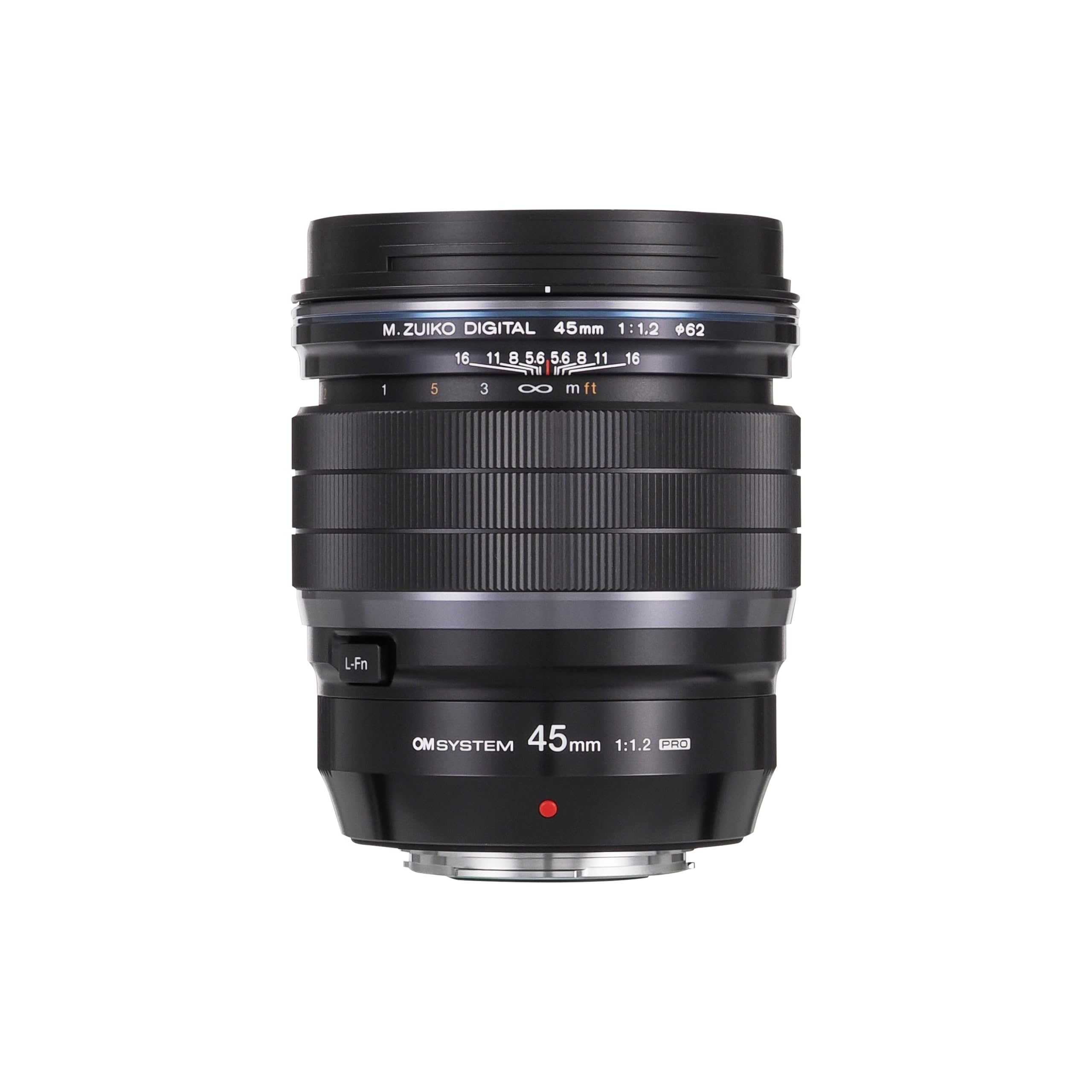
| OM SYSTEM M.Zuiko Digital ED 45mm f/1.2 PRO | Micro Four Thirds | 45mm | f/1.2 | Classic headshots, shallow depth of field, low light |
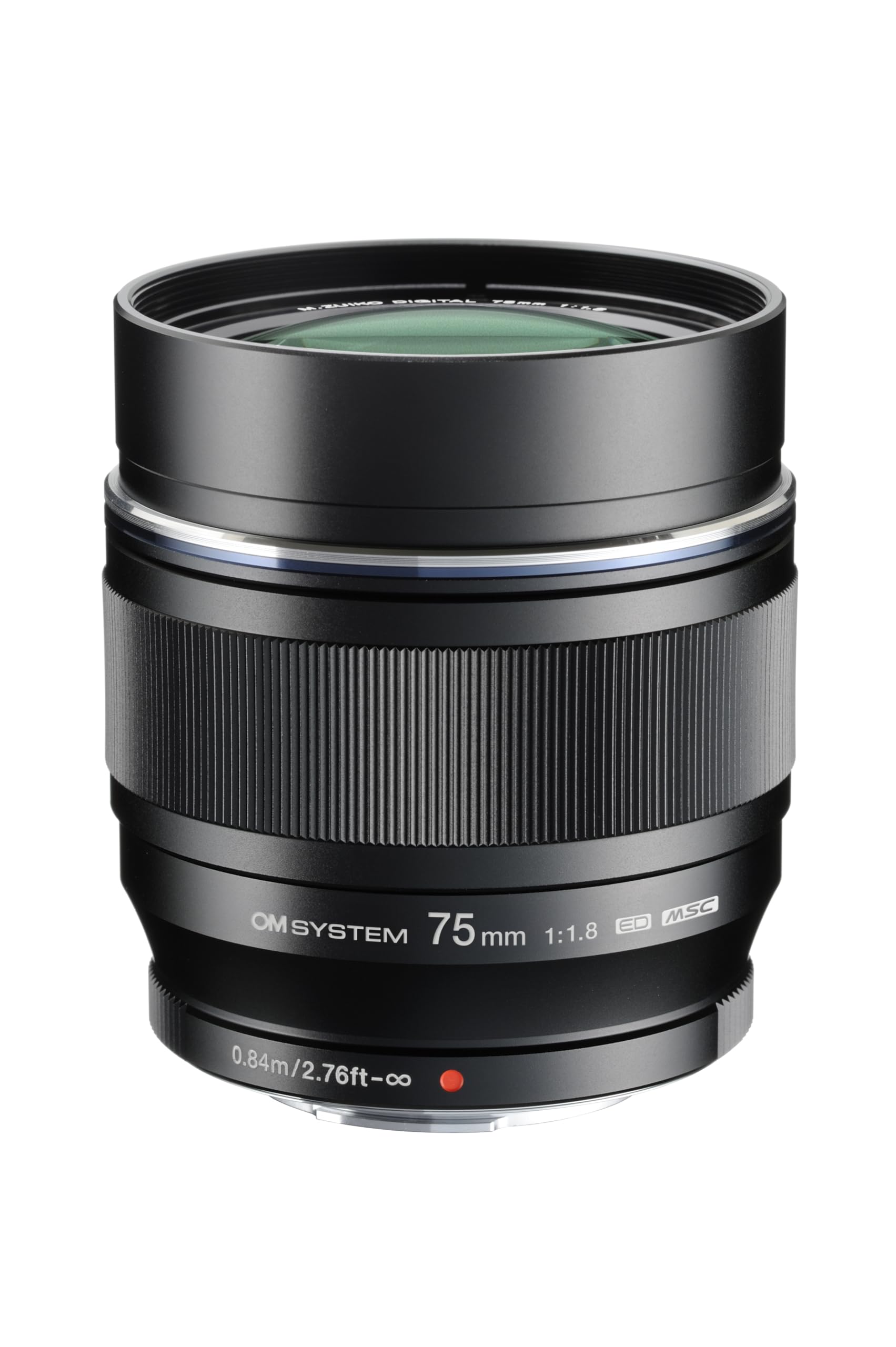
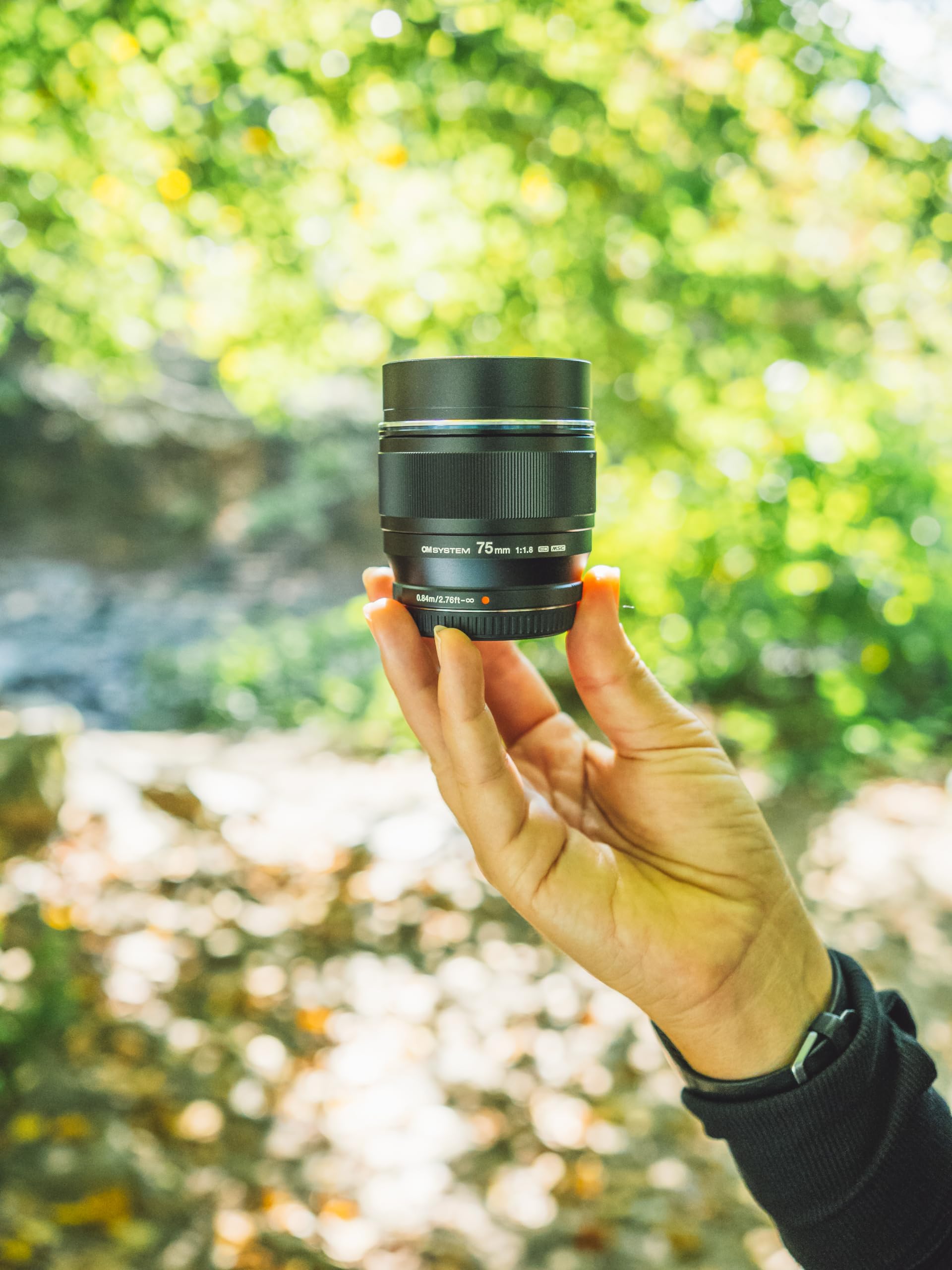
| OM SYSTEM M.Zuiko Digital ED 75mm f/1.8 | Micro Four Thirds | 75mm | f/1.8 | Tight portraits, compression, elegant background blur |
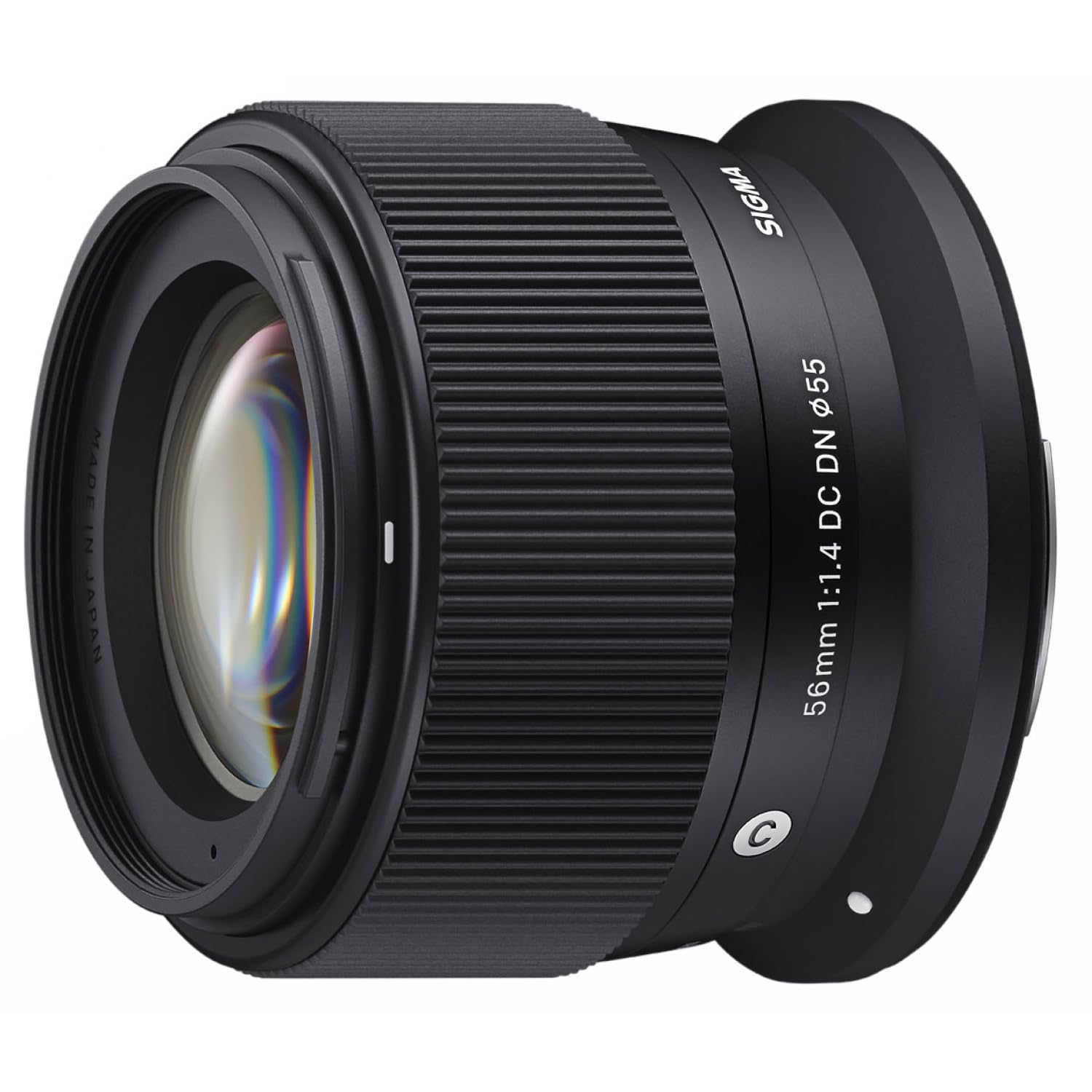
| Sigma AF 56mm f/1.4 DC DN Contemporary for Canon RF | Canon RF APS-C | 56mm | f/1.4 | Classic portrait framing on APS-C, value-driven choice |
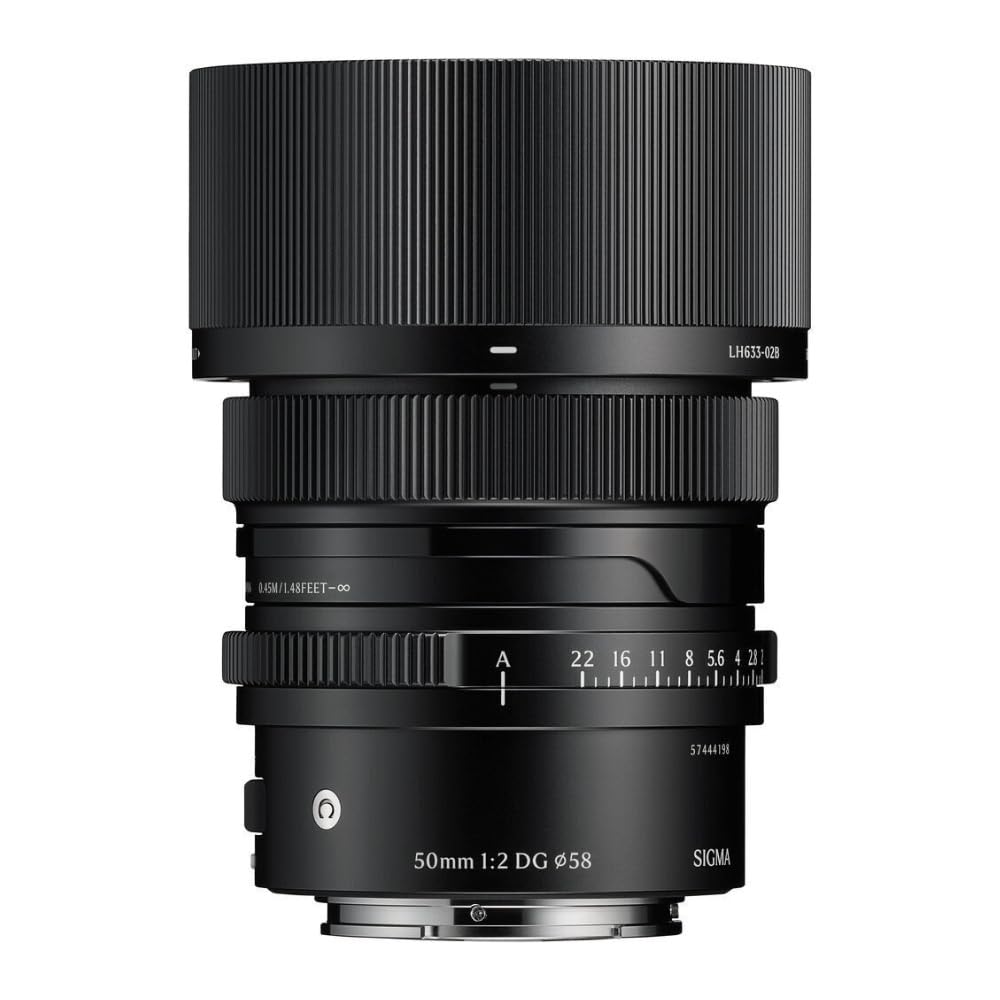
| Sigma 50mm f/2 DG Contemporary | Mirrorless full-frame | 50mm | f/2 | Versatile portraits, lifestyle, everyday use |
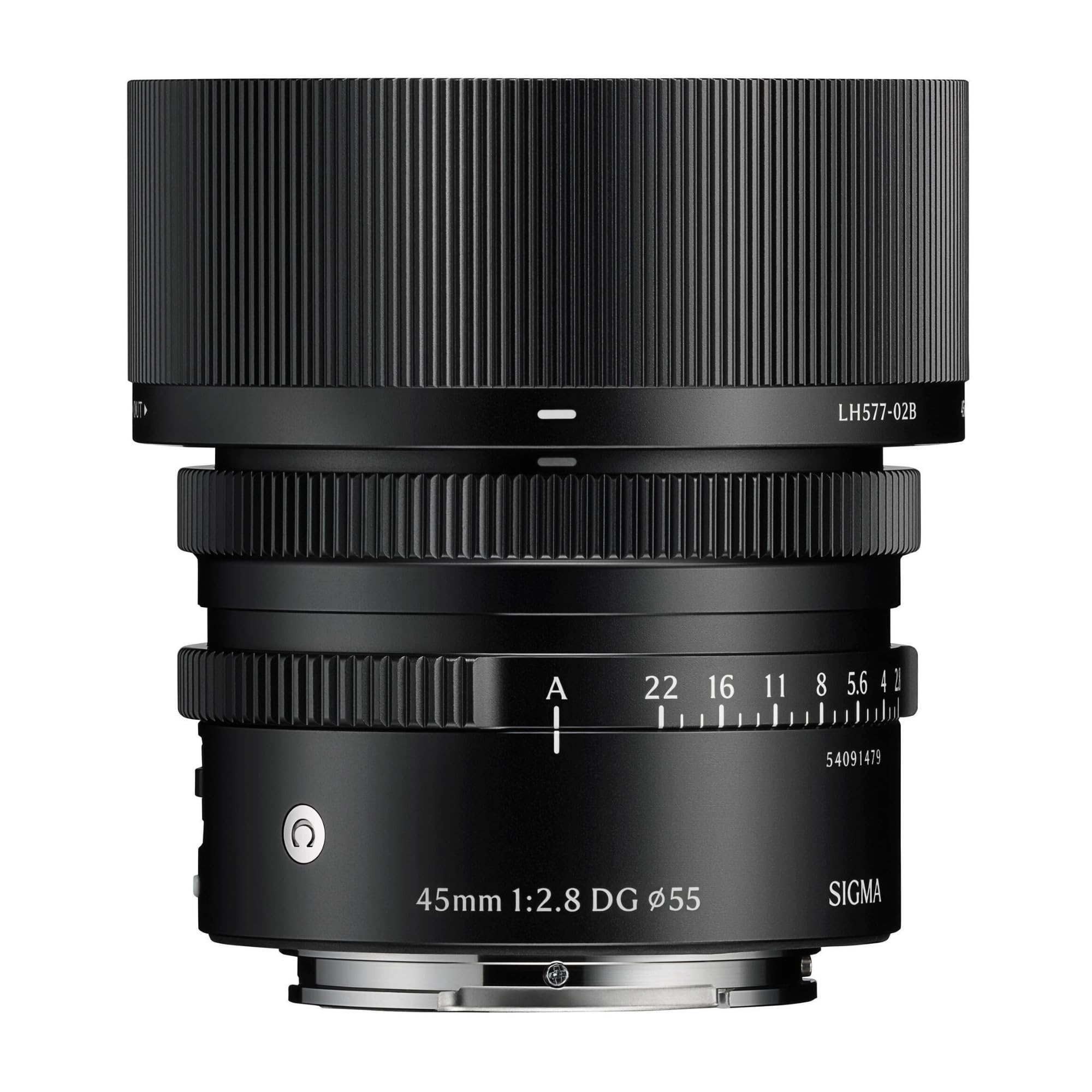
| Sigma 45mm f/2.8 DG Contemporary | Mirrorless full-frame | 45mm | f/2.8 | Casual portraits, travel, natural perspective |
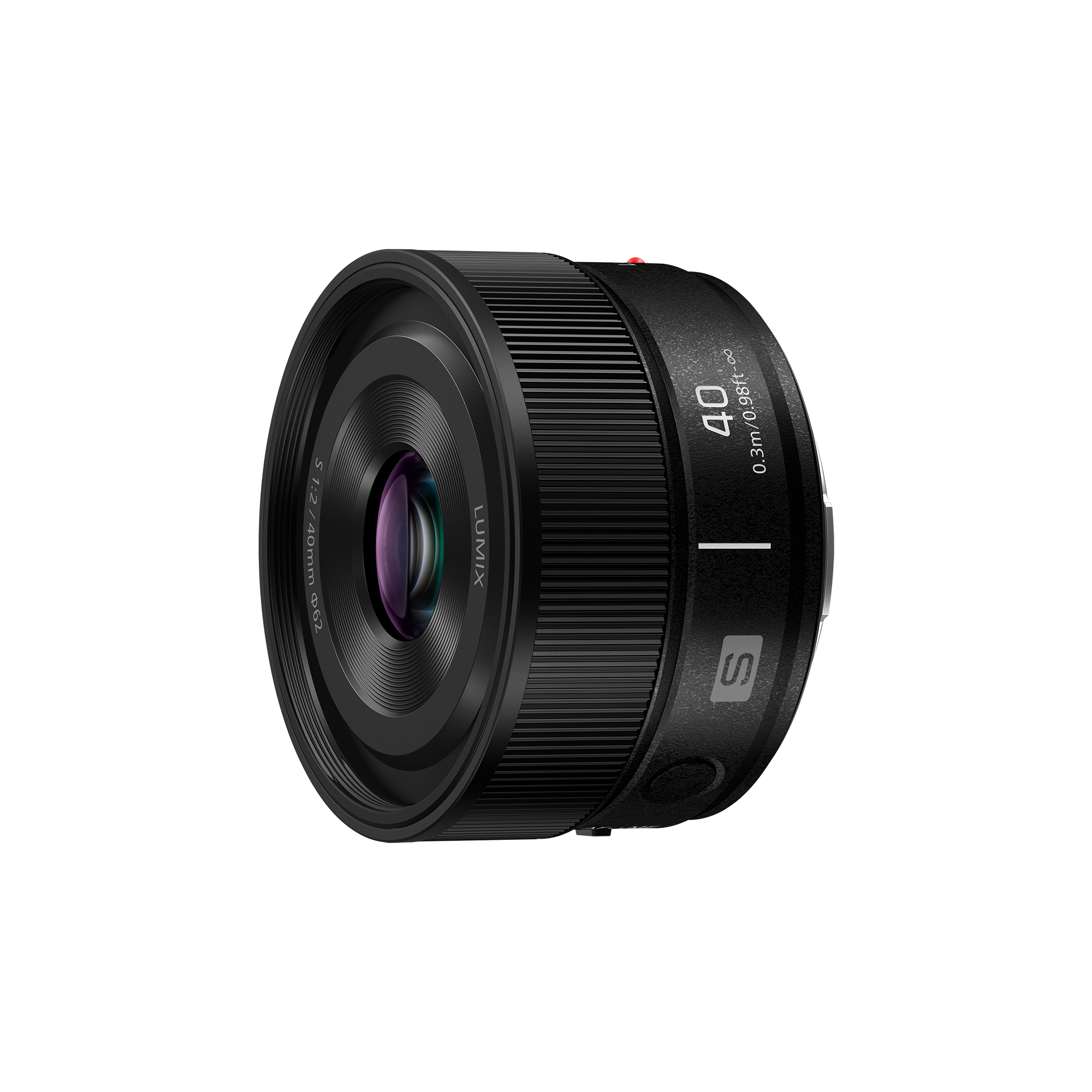
| Panasonic Lumix S-Series 40mm f/2 | L-Mount full-frame | 40mm | f/2 | Environmental portraits, street portraits, hybrid shooting |
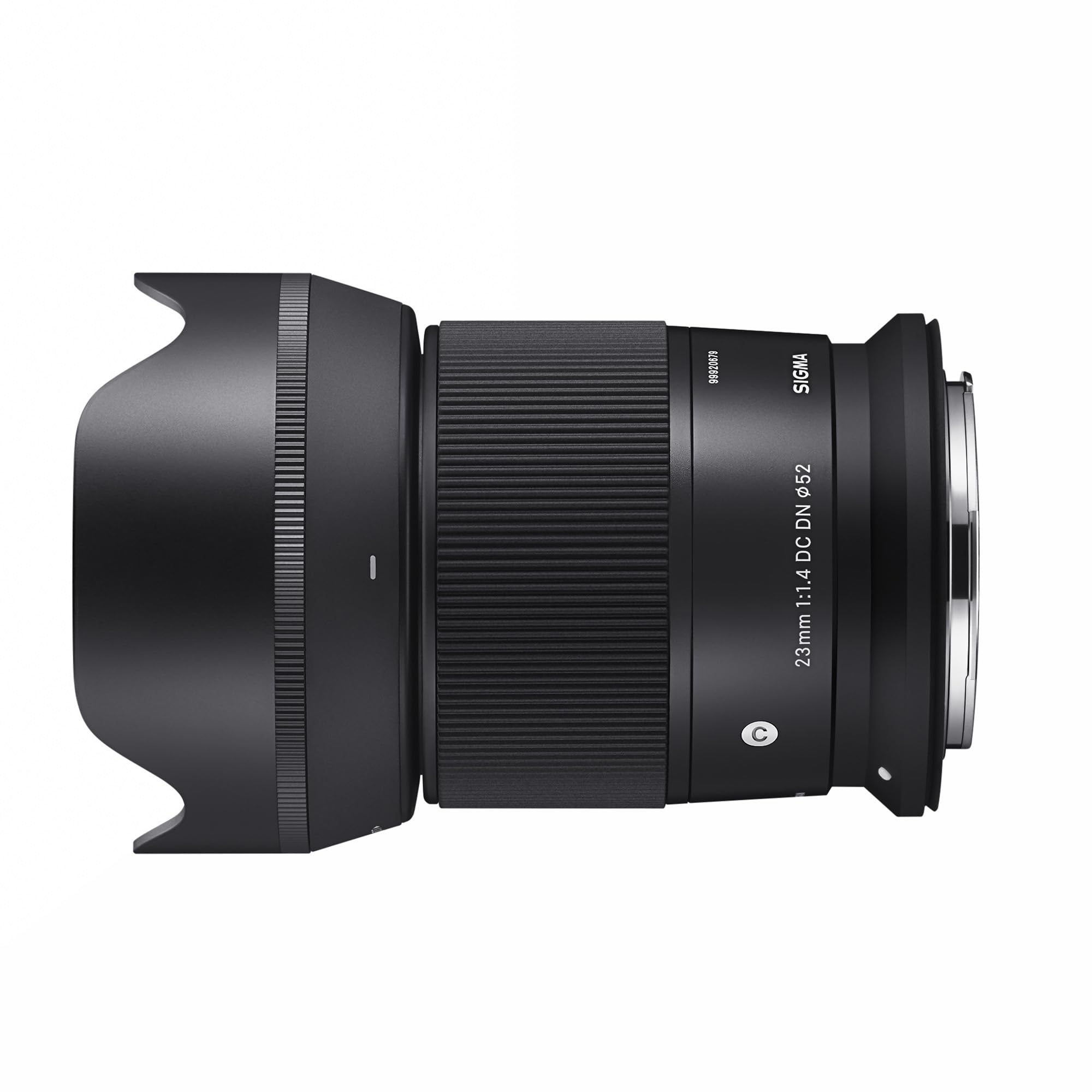
| Sigma 23mm f/1.4 DC DN Contemporary for Canon RF | Canon RF APS-C | 23mm | f/1.4 | Environmental portraits, context-rich compositions |
Best Portrait Focal Lengths for Different Styles
Classic portrait specialists
If your goal is flattering facial proportions and creamy separation, the strongest picks here are the OM SYSTEM 45mm f/1.2 PRO, the OM SYSTEM 75mm f/1.8, and the Sigma 56mm f/1.4 DC DN. These lenses sit in the sweet spot portrait shooters typically want: long enough to avoid distortion, but still easy to work with indoors or on location.
The OM SYSTEM 45mm f/1.2 PRO is the most purpose-built portrait option of the bunch. Its fast aperture gives it the strongest subject-isolation appeal in this group, and the focal length is especially useful for head-and-shoulders work on Micro Four Thirds. It’s the lens here that most clearly says, “portrait first.”
The OM SYSTEM 75mm f/1.8 moves you toward a tighter, more compressed look. That’s great for beauty work, more formal portraiture, and outdoor sessions where you have room to step back. It’s a terrific choice when you want backgrounds to feel smoother and less distracting.
The Sigma 56mm f/1.4 DC DN Contemporary for Canon RF is one of the strongest value options in this comparison. For APS-C shooters, it lands right in a very flattering portrait range and offers the bright aperture many photographers want for both separation and lower-light shooting.
Environmental and lifestyle portrait options
Not every portrait needs maximum compression. If you prefer to show more of the setting, wardrobe, or atmosphere, the Panasonic Lumix S 40mm f/2, Sigma 50mm f/2 DG Contemporary, and Sigma 45mm f/2.8 DG Contemporary are all compelling.
The Panasonic 40mm f/2 is especially appealing for photographers who want a modern documentary look. Forty millimeters feels natural, inviting, and flexible. It can handle half-body portraits, full-body portraits, and editorial work without feeling too tight. It’s also a nice hybrid option for creators who move between stills and video.
The Sigma 50mm f/2 DG Contemporary offers a bit more traditional portrait framing while keeping a compact, everyday-carry feel. Compared to an 85mm-style portrait lens, 50mm is more versatile; compared to a 35mm lens, it’s more flattering for faces. That balance makes it one of the most practical all-around portrait recommendations on this list.
The Sigma 45mm f/2.8 DG Contemporary is the least specialized portrait lens here, but that doesn’t make it a bad choice. In fact, some photographers love slightly slower, smaller primes for natural light, travel, and candid portrait sessions. Its appeal is portability and simplicity more than maximum blur.
Category-by-Category Analysis
Best for shallow depth of field
The OM SYSTEM 45mm f/1.2 PRO wins this category. For portrait photographers who want the strongest subject separation in this group, its f/1.2 aperture makes it the standout. The Sigma 56mm f/1.4 is close behind as a highly attractive alternative for Canon RF APS-C users.
Best for flattering compression
The OM SYSTEM 75mm f/1.8 takes the lead if your portrait style leans toward tighter framing and elegant compression. It’s especially attractive for outdoor portraits, beauty work, and cleaner background rendering where you want the subject to feel isolated from the environment.
Best value portrait lens
The Sigma 56mm f/1.4 DC DN Contemporary for Canon RF is the best value pick in this roundup. It delivers the portrait-friendly focal length and fast aperture combination many photographers want, without pushing into a more premium specialized-lens category.
Best all-around everyday portrait prime
The Sigma 50mm f/2 DG Contemporary is arguably the best balance of portrait capability and general usefulness. If you want one prime that can handle portraits, walk-around shooting, travel, and lifestyle sessions, this is the most flexible choice in the lineup.
Best for environmental portraits
The Panasonic Lumix S 40mm f/2 stands out for portrait photographers who want to include more context in the frame. It’s a strong fit for editorial, street portraiture, and travel portrait work where atmosphere matters as much as background blur.
Best compact casual option
The Sigma 45mm f/2.8 DG Contemporary is the pick for photographers who prioritize a small footprint and a more relaxed shooting style. It won’t deliver the same dramatic isolation as the faster lenses here, but it can be a charming, highly portable portrait tool.
What about wider portrait primes?
The Sigma 23mm f/1.4 DC DN Contemporary for Canon RF is not the best traditional portrait lens of the group, but it deserves mention for environmental portrait work. On APS-C, it’s useful when you want portraits that place the subject in a scene rather than fully separate them from it.
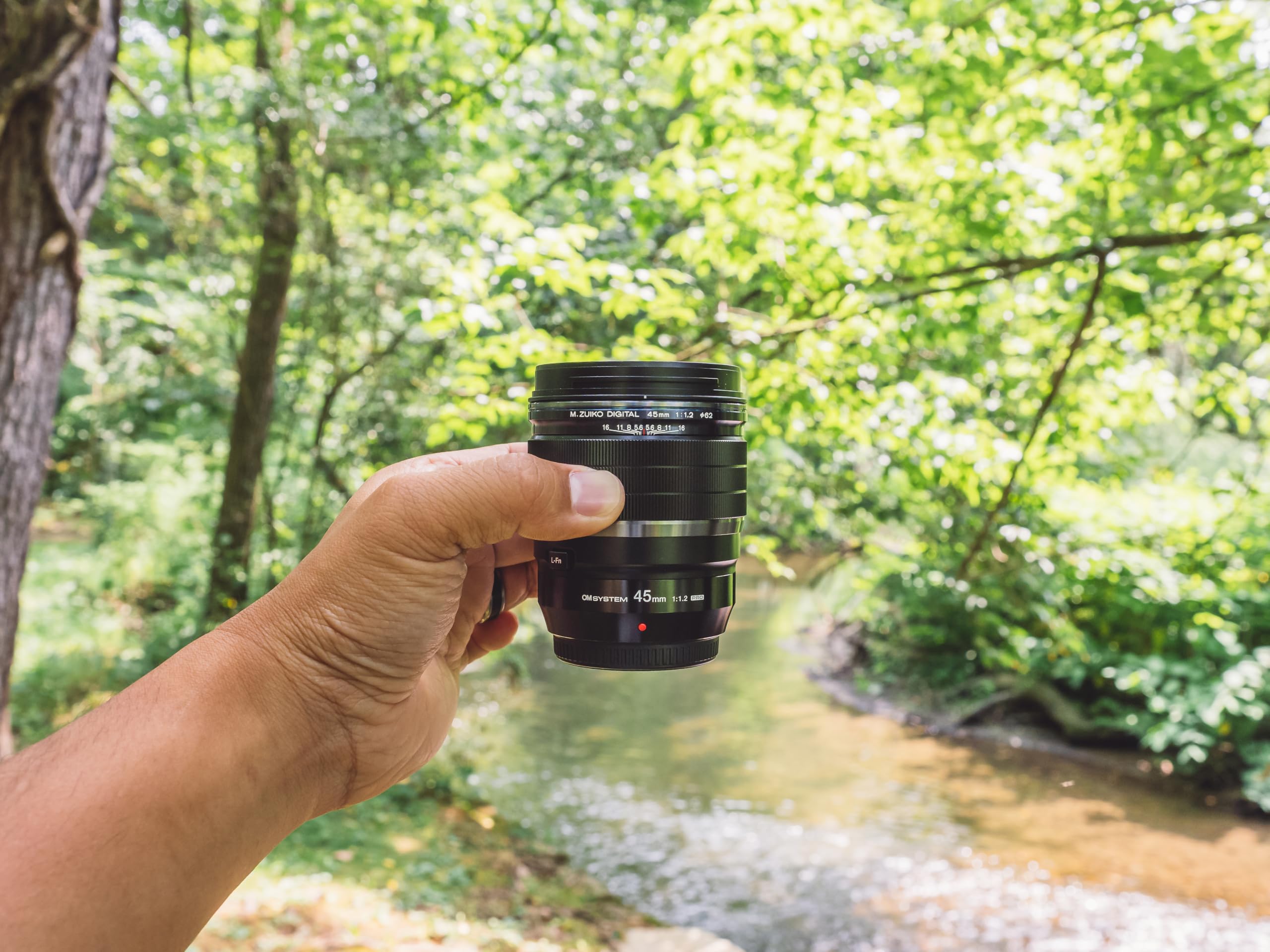
Our Pick
Our Pick: OM SYSTEM M.Zuiko Digital ED 45mm f/1.2 PRO Lens
If we’re choosing the single most compelling portrait prime in this group, the OM SYSTEM 45mm f/1.2 PRO gets the nod. It is the most portrait-focused lens here thanks to its combination of classic portrait framing and very bright maximum aperture. For photographers who care most about subject separation, low-light confidence, and a polished portrait look, it’s the clearest recommendation.
If you’re on Canon RF APS-C and want the best value-oriented portrait choice, go with the Sigma 56mm f/1.4 DC DN Contemporary. If you shoot full-frame L-Mount and want a flexible lifestyle lens, the Panasonic 40mm f/2 and Sigma 50mm f/2 are both excellent alternatives depending on how traditional you want your portrait framing to be.
Conclusion
The best prime lens for portrait photography in 2024 depends on both your camera system and your preferred style. For dedicated portrait work, longer and faster options like the OM SYSTEM 45mm f/1.2 PRO, OM SYSTEM 75mm f/1.8, and Sigma 56mm f/1.4 rise to the top. For photographers who want more flexibility, the Sigma 50mm f/2 and Panasonic Lumix S 40mm f/2 bring a more versatile, everyday approach to portraiture.
Whether you’re building a portrait kit from scratch or adding a specialized prime to your bag, Unique Photo offers a strong selection of portrait-ready lenses to match different formats, budgets, and shooting styles.