2024 Mirrorless Value Guide: Sony A6700 vs Canon R7, Nikon Z6 III vs Panasonic S5IIx
Choosing a mirrorless camera in 2024 is all about maximizing value—balancing performance, lens options, and total system cost. As New Jersey’s camera experts, we’ve distilled the most common questions we hear at Unique Photo into a practical FAQ to help you buy with confidence.
Is the Sony A6700 worth choosing over the Canon R7?
Both are excellent APS-C bodies but they shine for different shooters. The Sony A6700 leans into hybrid content creation with strong subject-recognition autofocus, modern 10-bit video codecs, and popular color profiles (including cinematic options) that slot nicely into a video-first workflow. Sony’s E-mount also offers a deep bench of affordable third-party lenses, which can reduce long-term costs.
The Canon R7 counters with higher stills resolution, rapid electronic burst rates for wildlife and sports, robust in-body stabilization, and Canon’s pleasing color science. Video is solid, but 4K/60p typically involves a crop, so hybrid shooters who live at 60p may prefer the Sony. If your priority is action photography and you want extra pixel density for cropping, the R7 is compelling; if you’re a creator prioritizing video features and lens variety, the A6700 often delivers better value.
Nikon Z6 III vs Panasonic S5IIx: which balances stills and video better?
Think of the Nikon Z6 III as a responsive all-rounder with fast autofocus, excellent ergonomics, and strong low-light stills performance, paired with advanced video tools (10-bit log and high-frame-rate options). It’s ideal if you need one body to cover events, portraits, and high-quality video capture with confident AF.
The Panasonic S5IIx is a hybrid workhorse tailored to video-first shooters. It offers robust 10-bit recording options, open-gate/6K capture, professional monitoring tools, and long-record reliability thanks to effective thermal design. Its phase-detect AF is much improved over earlier Panasonic bodies. If your projects skew toward filmmaking, the S5IIx often wins on codec flexibility and monitoring; if you’re equal parts stills and video and want nimble AF tracking for people and action, the Z6 III edges ahead.
Which lens ecosystem offers the most value for enthusiasts?
- Sony E-mount: The broadest selection across price tiers. Third-party brands deliver strong optical quality at approachable prices, helping you build a complete kit without breaking the bank.
- Canon RF/RF-S: Exceptional native lenses, especially for sharpness and stabilization, but fewer third-party autofocus options keep prices higher. Using EF lenses with Canon’s official adapter is an excellent bridge strategy.
- Nikon Z: Nikon’s S-line primes and zooms are excellent, and third-party options are expanding. Value is improving quickly as more lenses arrive.
- L-Mount (Panasonic/Sigma/Leica): A sweet spot for video-focused creators. Sigma’s Contemporary and Art lines offer great price-to-performance, making the S5IIx system especially attractive for budget-conscious filmmakers.
What hidden costs should I budget for if I switch brands?
- Lenses: Expect to re-buy focal lengths you rely on. Consider starting with a high-quality standard zoom and a fast prime, then expand.
- Media: Some cameras need faster cards for higher bitrates or burst shooting. Factor in UHS-II SD or CFexpress Type B where applicable.
- Power: Batteries, chargers, and power supplies vary by brand. If you build a studio or streaming setup, plan for reliable AC power. For example, if your B‑cam is a Pocket Cinema Camera, a dedicated supply helps ensure uninterrupted sessions. 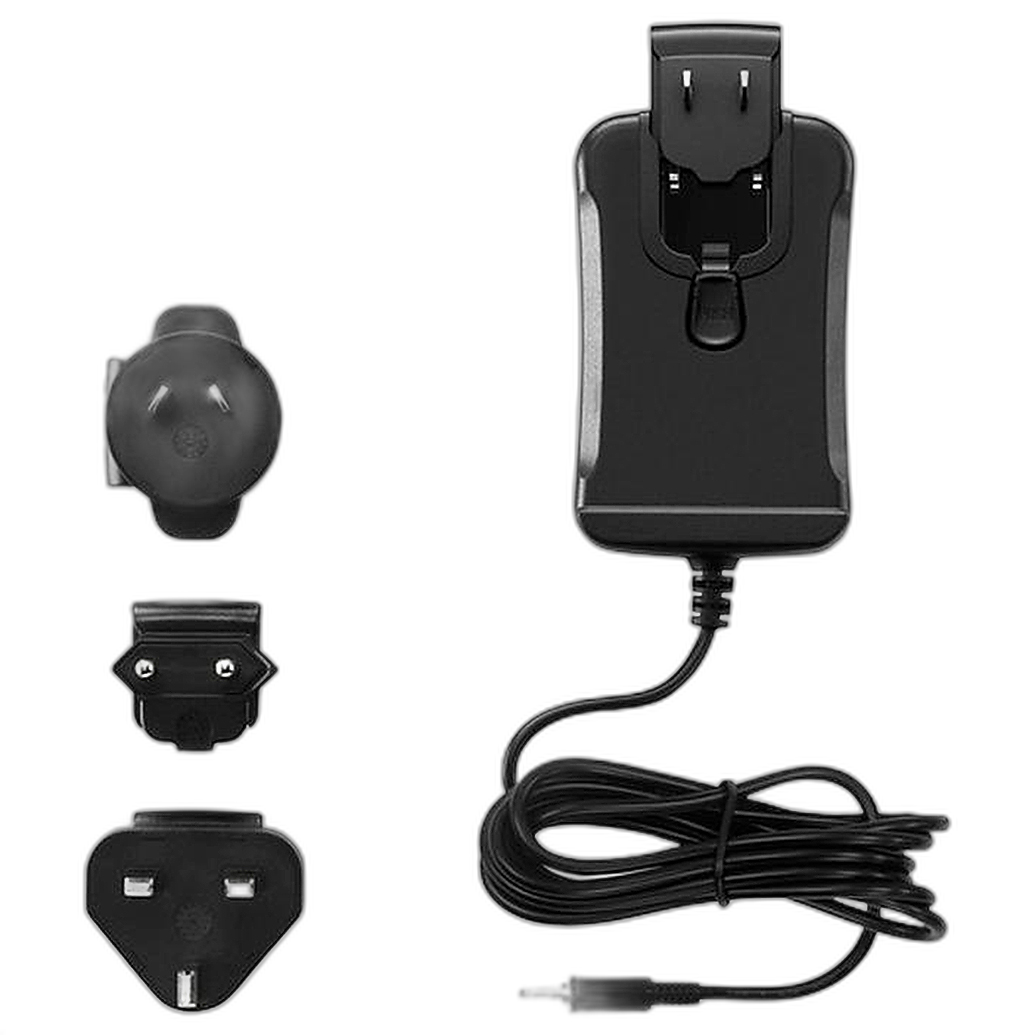
- Rigging: Cages, plates, and gimbals may need new mounts or rebalancing. Add ND filters for outdoor video work.
- Color and software: Switching profiles (S‑Log, V‑Log, N‑Log, Canon Log) can change your grading workflow and LUT library.
Are lens adapters a smart way to save money?
Adapters are a great bridge when you’re testing a new system, but they’re not always the best long-term plan. Official adapters (like EF-to-RF and Nikon FTZ) typically preserve autofocus, metadata, and stabilization well. Third-party adapters can work nicely too, but AF speed, tracking reliability, and features like eye detection may not match native lenses—especially for fast action or low light. If your work depends on sticky AF and balanced handling, prioritize native lenses as you settle into a new mount.
APS-C vs full-frame for value in 2024 — which makes sense for me?
APS-C (e.g., A6700, R7) offers reach for wildlife/sports, smaller bodies, and lower-cost lenses—excellent value for most photographers and creators. Full-frame (e.g., Z6 III, S5IIx) delivers better high-ISO performance, shallower depth of field, and more dynamic range—ideal for weddings, portraits, and cinematic video. If your budget is fixed, consider an APS-C body with quality glass today; if low-light flexibility and premium video are critical, full-frame may be the smarter long-term investment.
What accessories help me get pro results without overspending?
- Carry smarter: A comfortable, modular pack keeps your kit safe and accessible on set or on the trail. The Nomatic Luma Camera Pack 18L fits a hybrid kit, laptop, and essentials in a compact layout.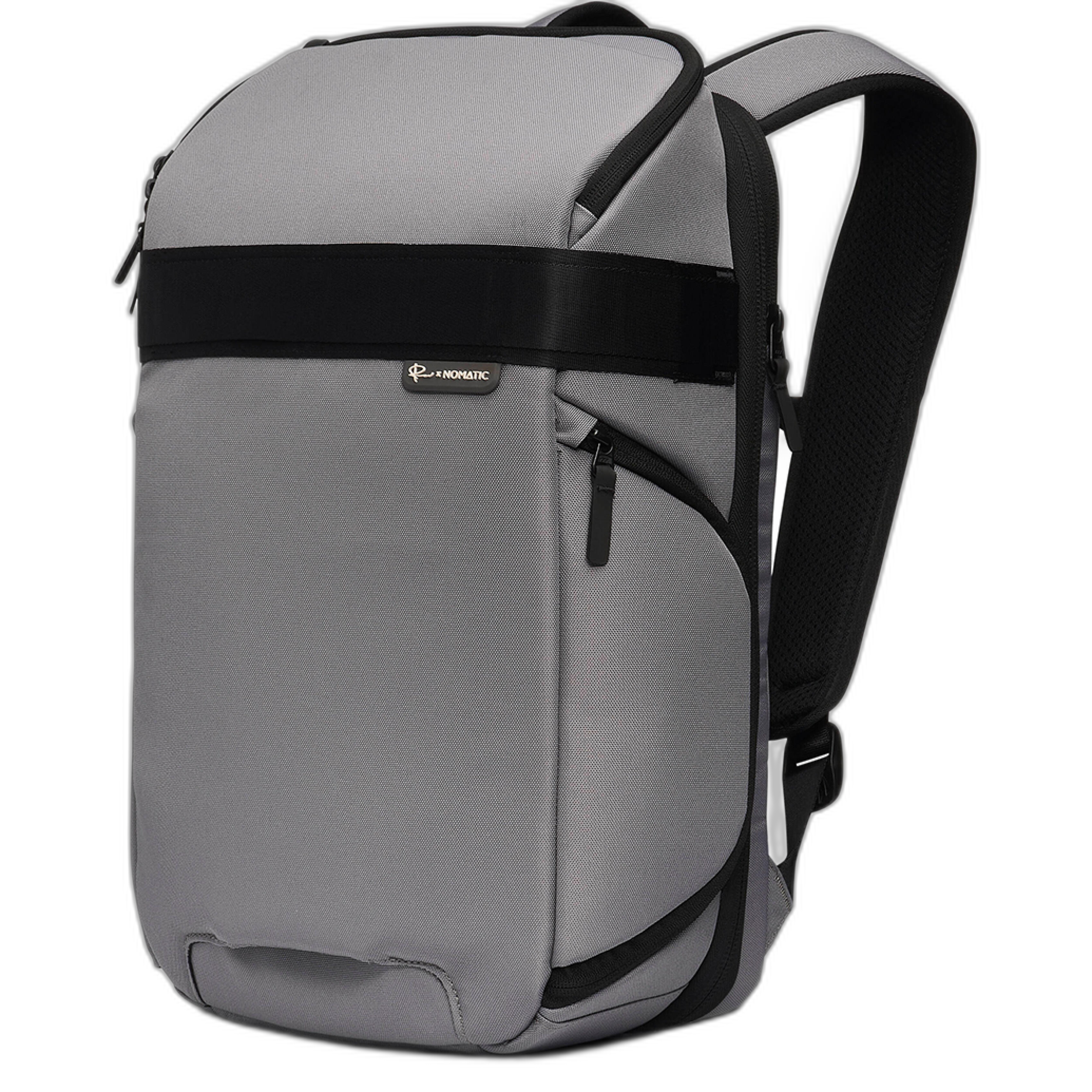
- Audio you can grow into: Clean sound elevates any camera. For creators who also record music, podcasts, or live events, a flexible mixer/recorder like the Tascam Model 24 doubles as a USB interface, letting you capture multitrack audio for a polished final product.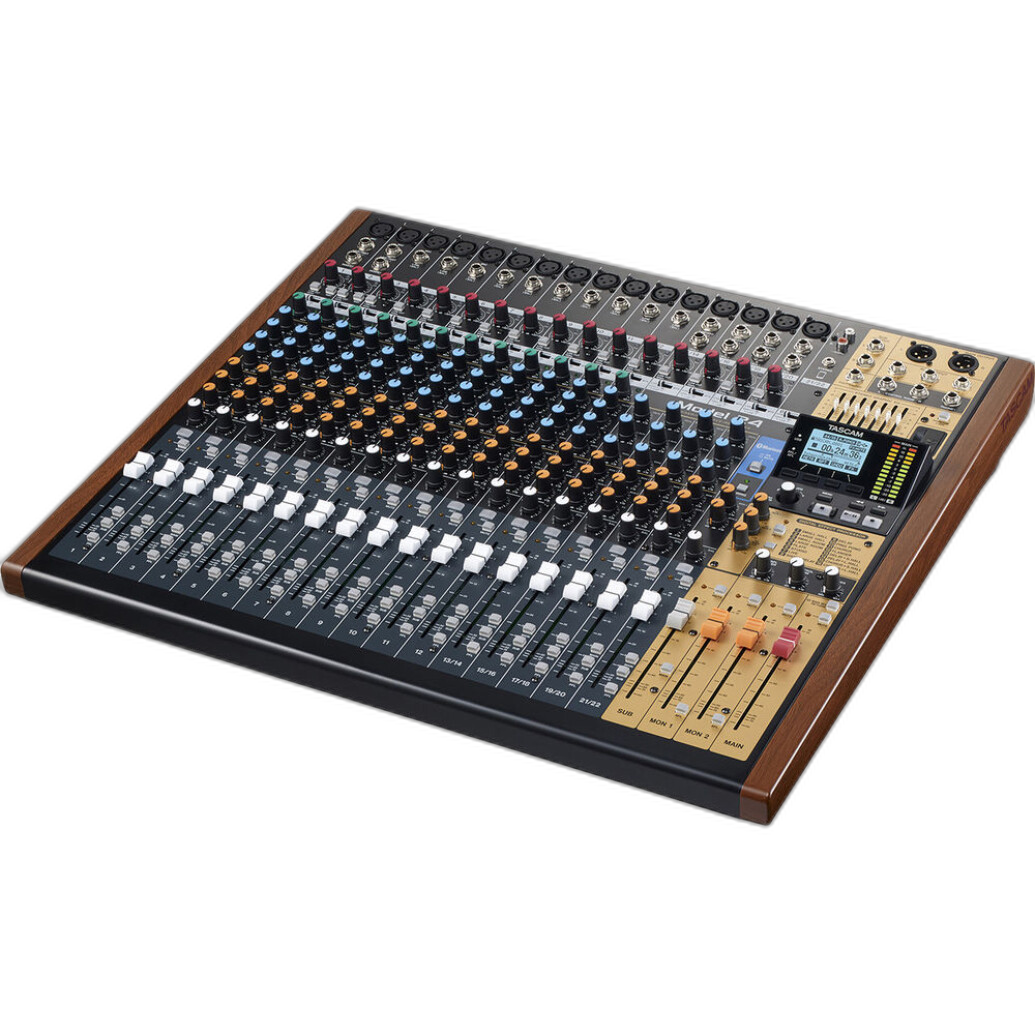
- Studio power: For cameras used in controlled environments, AC power avoids battery swaps and keeps takes consistent. If your B‑cam is a Pocket Cinema Camera, a dedicated power supply simplifies desk and studio rigs.
Should I consider extended warranties or pro service plans?
If you’re earning from your gear or filming long-form content, a protection plan can be a smart hedge against downtime. Coverage tiers vary by brand and camera class; cinema systems, in particular, benefit from manufacturer-backed support. For example, when you step up to a cinema workflow later, planning for coverage like the RED Extended Warranty for KOMODO‑X ensures priority service and predictable costs over the life of the camera.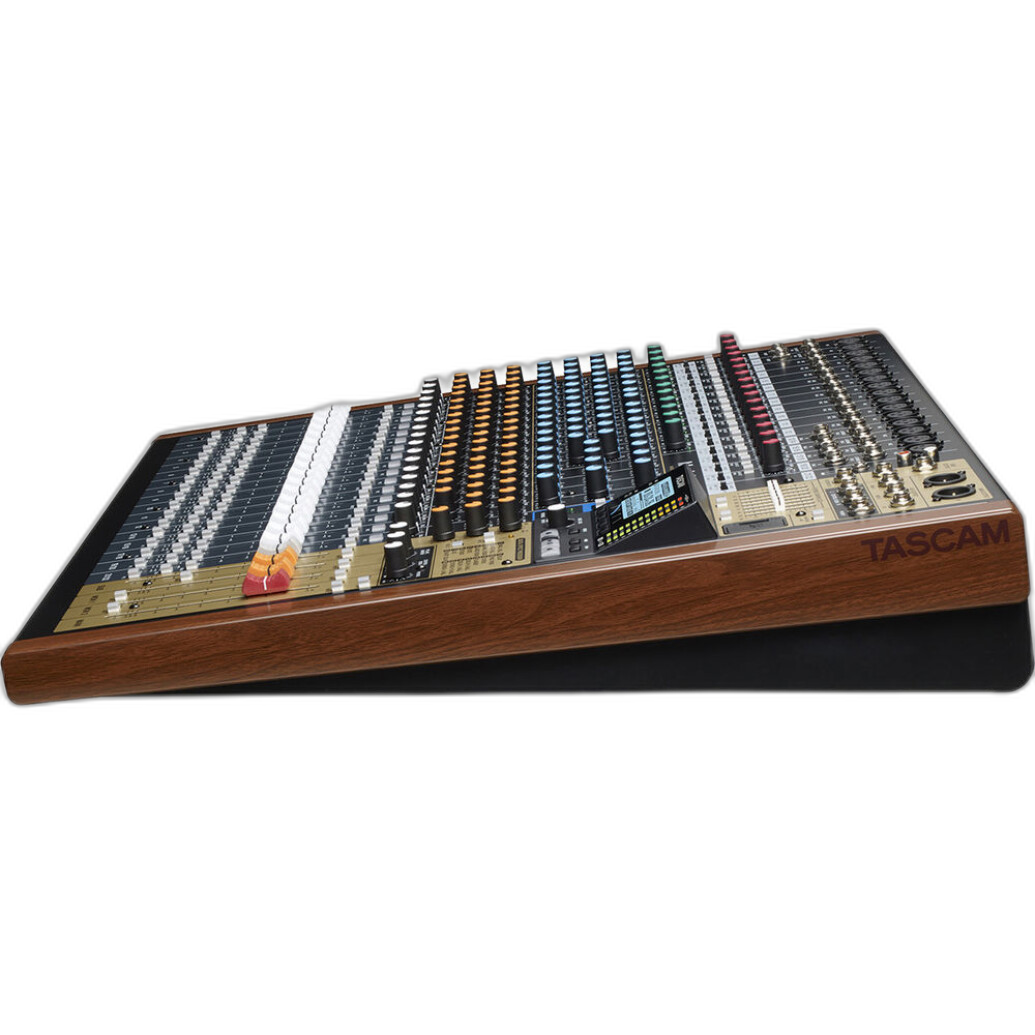
Not sure what level of coverage you need? Talk to our team—tell us your shoot frequency, environments, and turnaround demands, and we’ll match the right plan to your risk profile.
Bottom line: how do I pick the best value for my needs?
- Choose the Sony A6700 if you’re a hybrid creator who prioritizes modern video tools and a vast, affordable lens selection.
- Choose the Canon R7 if you’re action-leaning and want high-resolution APS‑C stills with fast bursts and Canon color.
- Choose the Nikon Z6 III if you want a balanced full-frame that’s strong for both events and advanced video with confident AF.
- Choose the Panasonic S5IIx if you’re video-first and want robust codecs, monitoring tools, and long, reliable recording.
Still unsure? Visit Unique Photo in Fairfield, NJ, or chat with us online. Get hands-on time, compare sample files, trade in old gear, and leave with a kit that fits your budget—and your vision.