If you're shopping for a new camera in 2024, one of the biggest decisions you'll make is choosing the right sensor format. Full-frame, APS-C, and Micro Four Thirds each offer real advantages depending on what you shoot, how much gear you want to carry, and how much you want to spend. This guide is for photographers, hybrid creators, filmmakers, and enthusiasts trying to decide which system makes the most sense before investing in a body, lenses, and accessories.
Rather than treating one format as universally “best,” the smarter approach is to match sensor size to your shooting style. Full-frame often leads in low-light performance and shallow depth of field. APS-C strikes an excellent balance between image quality, size, and value. Micro Four Thirds remains a compelling option for travel, video, wildlife reach, and lightweight kits. Below, we break down the strengths of each format and highlight a few useful accessories and support items available at Unique Photo.
Quick Comparison: Full-Frame vs APS-C vs Micro Four Thirds
| Format | Best For | Key Strengths | Trade-Offs |
|---|---|---|---|
| Full-Frame | Portraits, weddings, events, commercial work, low-light shooting | Excellent dynamic range, strong low-light performance, easier shallow depth of field | Larger bodies and lenses, typically higher system cost |
| APS-C | Enthusiasts, travel, street, content creation, sports on a budget | Great value, compact systems, strong image quality, useful crop factor for reach | Usually less shallow depth of field and low-light advantage than full-frame |
| Micro Four Thirds | Travel, wildlife, video, outdoor creators, lightweight setups | Very portable, deep lens selection, effective stabilization, extended apparent reach | Less low-light headroom and less background blur potential than larger formats |
How Sensor Size Affects Real-World Shooting
Sensor size influences more than megapixels. It affects field of view, depth of field, lens size, camera size, and often battery life and heat management in video workflows. A larger sensor can gather more light, which can help in dim environments and provide greater tonal flexibility. At the same time, smaller-sensor systems can deliver outstanding results while keeping your kit smaller and more affordable.
For example, a full-frame shooter covering weddings may appreciate cleaner high ISO files and creamy background separation. An APS-C user shooting travel and family moments may love the lower cost and lighter lenses. A Micro Four Thirds creator filming on the go may prefer the portability, stabilization, and telephoto advantage for wildlife or sports.
Full-Frame: Best for Maximum Image Quality and Low-Light Performance
Full-frame remains the benchmark for photographers and filmmakers who want the most flexibility in demanding conditions. If you shoot portraits, events, fashion, commercial projects, or nighttime scenes, full-frame is often the most forgiving format. It also makes it easier to achieve a shallow depth of field for subject isolation.
The main drawback is system size and cost. Full-frame lenses can be larger and pricier, especially fast zooms and premium primes. For many buyers, the question is not whether full-frame is excellent, but whether they truly need its advantages for their style of shooting.
APS-C: Best Balance of Performance, Size, and Price
APS-C is the sweet spot for many buyers in 2024. It offers image quality that is more than enough for most photography and video work, while keeping bodies and lenses relatively compact. It's especially attractive for enthusiasts upgrading from a phone or entry-level camera, as well as creators who want strong autofocus and modern features without the full-frame price tag.
The crop factor can also work in your favor. Sports and wildlife shooters often appreciate the tighter framing from telephoto lenses, while travel photographers enjoy carrying a smaller setup. If you're looking for an all-around system that doesn't feel like a compromise, APS-C is often the smartest starting point.
Micro Four Thirds: Best for Travel, Video, and Lightweight Reach
Micro Four Thirds still deserves serious consideration, especially if compact size matters. The format offers some of the smallest interchangeable-lens camera kits around, and many systems excel in stabilization and video-friendly features. For travel, hiking, documentary work, and wildlife, Micro Four Thirds can be incredibly practical.
The 2x crop factor means telephoto lenses deliver impressive effective reach in a compact package. That makes it particularly appealing for birding and outdoor shooters. While it may not match full-frame in low-light performance or ultra-shallow depth of field, it can absolutely be the right tool for creators who prioritize mobility and versatility.
Recommended Accessories and Support Items
Even the right camera format benefits from the right accessories. Here are a few useful items from Unique Photo that can support your setup, whether you're building a lightweight kit, a cinema rig, or simply improving day-to-day usability.
PGYTECH Camera Strap Slim - Vintage-Olive Green
A quality strap is one of the easiest upgrades for any camera system. If you're comparing full-frame, APS-C, and Micro Four Thirds bodies in person, comfort matters—and a slim, well-designed strap can make carrying your camera all day much easier. This is particularly helpful for travel shooters and street photographers who keep a camera at the ready for long periods.
Blackmagic Design Power Supply for Pocket Cinema Camera
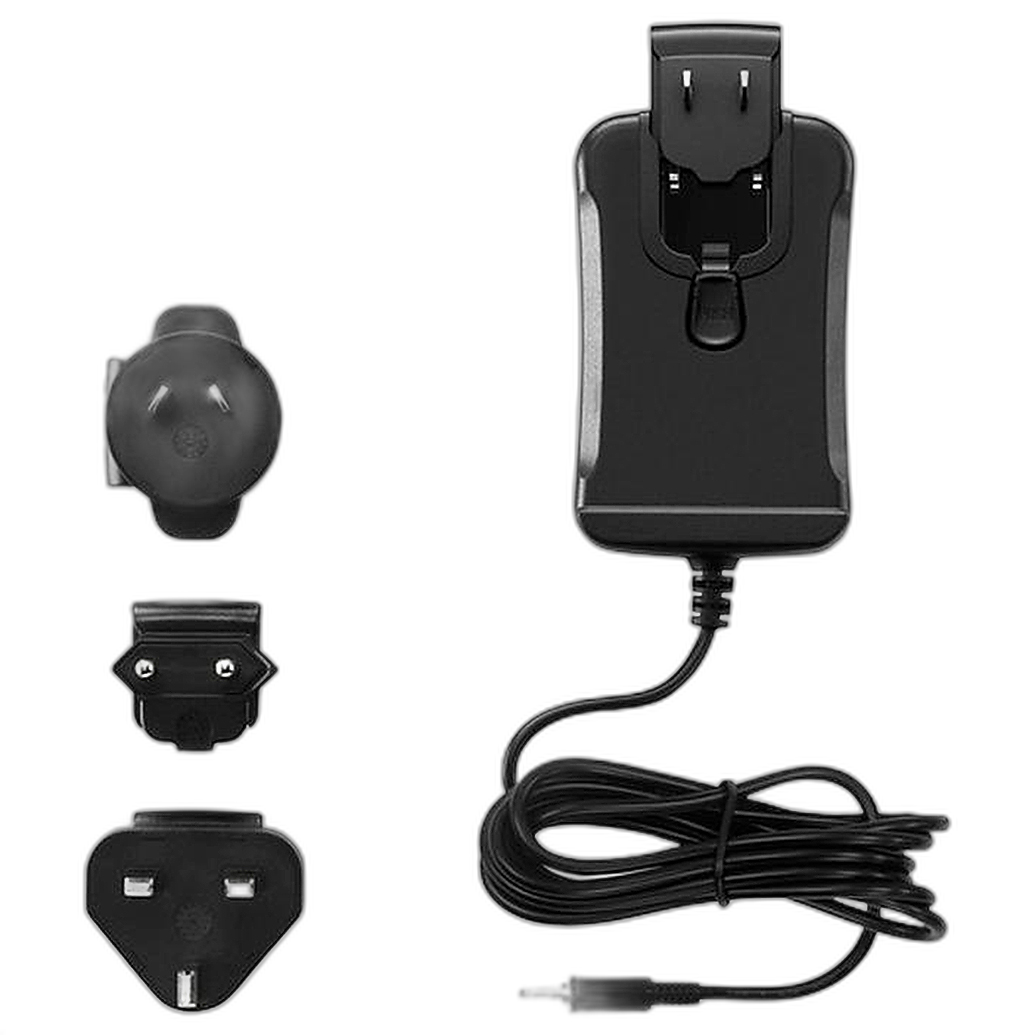
For video creators, reliable power is essential. If you're building a cinema-oriented setup around a compact camera system, a dedicated power solution can improve long-session usability in studio or interview environments. This is a practical add-on for creators focused on video production workflows.
RED Extended Warranty - KOMODO-X

For filmmakers investing in a premium camera platform, protection matters. An extended warranty is worth considering if your work depends on your gear for client projects, rentals, or regular production use. It's not a sensor-format decision, but it is part of making a smart long-term buying choice.
Which Format Should You Buy in 2024?
| If you prioritize... | Best Choice |
|---|---|
| Low-light performance and shallow depth of field | Full-Frame |
| Best overall value and versatility | APS-C |
| Travel-friendly size and telephoto reach | Micro Four Thirds |
| Professional portrait and event work | Full-Frame |
| First serious interchangeable-lens system | APS-C |
| Lightweight video and outdoor shooting | Micro Four Thirds |
Final Thoughts
There is no one-size-fits-all winner in the full-frame vs APS-C vs Micro Four Thirds debate. The best format is the one that fits your budget, your shooting priorities, and the lenses you'll actually want to carry. Full-frame is ideal for photographers who need maximum performance. APS-C is the best all-around value for most buyers. Micro Four Thirds remains an excellent option for portability, video, and telephoto-friendly shooting.
If you're still deciding, the best next step is to compare systems hands-on and think beyond the camera body alone. Lenses, accessories, power options, and long-term support all matter. Unique Photo offers the gear and expertise to help you build the right kit for 2024, whether you're stepping into your first serious camera system or upgrading for more advanced photo and video work.