

Upcoming Events

What is Unique University?
100K+
active students
300+
classes and workshops
50K+
online courses viewers


























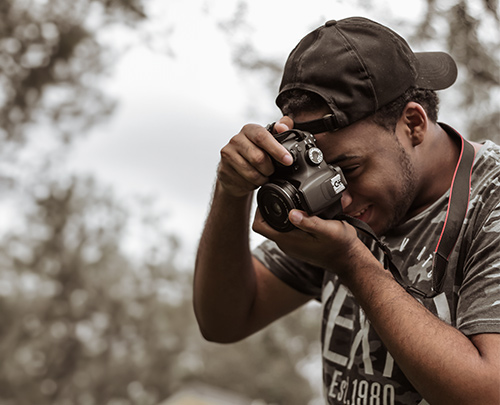
The event at Unique Photo was fantastic, and as a first-time visitor, I found it to be a worthwhile trip from Long Island. With excellent classroom spaces, I plan to attend more events there and shop online for their products.
Stephen
Nikon Z8 Touch & Try Event

The Bronx Zoo photowalk was fantastic, with Michael Downey providing helpful on-the-fly assistance for various cameras. He is a great tour guide, and even texted me when I fell behind to ensure everything was okay.
Matt
Photowalk at the Bronx Zoo

I felt comfortable asking questions, and left class feeling confident in my ability to use my macro lens, find photo subjects in the field, and capture beautiful images. Count me in for future classes!
Lisa
Macro Basics and Beyond
Frequently Asked Questions
Unless stated otherwise, most classes are held in the Unique University classroom within the Unique Photo Superstore (123 US Highway 46 West, Fairfield, NJ 07004). We also hold classes at our Philadelphia, PA location (28 South 2nd Street, Philadelphia, PA 19106).
You're encouraged to bring your camera and a notebook and pen to most classes. Some classes will require additional equipment, so please check the class descriptions.
Lunch and refreshments are not provided for any classes under 6 hours unless noted.
You can register online, in-store at the concierge, or by phone at either 973-377-6454 or 973-377-2007. Please note that you will need to provide payment information.
For most classes, you're free to register at the concierge desk prior to the start of the class. Please note that there are some classes that offer "Early Bird Special" rates and others that have limited seating, so it would be in your best interest to register early for such classes.
Please contact us at 973-377-6454 or [email protected] with the following information: your name, phone number, email address, and the class name and date.
Please contact us at 973-377-6454 or [email protected] with any additional inquiries.
- Classes costing less than $99 may be canceled up to 48 hours in advance for a full refund. For classes costing $100 or more, advanced notice of seven days before the class is necessary for a full refund.
- Requests for cancellation made after these deadlines will be awarded store credit in the amount paid for registration towards a future Unique University seminar or workshop.
- Cancellations made within 24 hours of the beginning of a class will not be honored and no refund or credit will be given.
- Cancellations of any class utilizing models will be subject to a cancellation fee of 50% of the purchased price (up to $100).
** Attention American Express cardholders: If you cancel a registration for a class costing $100 or more, there will be a 3% cancellation fee deducted from your refund or store credit.