When should I use a circular polarizing filter?
Asked 7/16/2010
189 views
2 answers
0
I was given a circular polarizing filter and I’m not sure when it’s most useful. So far I’ve had some success using it for river shots, but otherwise it mostly seems to just cut light. What kinds of scenes benefit from a circular polarizer, and what effect should I expect?
Originally by Photography Stack Exchange contributor. Source · Licensed CC BY-SA 4.0
Photography Stack Exchange contributor
16y ago
2 Answers
49
I use polarizer so much that I never take it off of my main lens. The good thing about it that depending on its rotation you can adjust how strongly it affects you picture from maximum to virtually nothing.
Let's start with what the polarizer physically does:
- it reduces (sometimes completely) the glare from non-metallic objects.
How does it translate to photographic situations?
- enhances the blue of the sky and pulls out the detail on clouds
- enhances the green of leaves and generally colors of plants and their flowers
- makes the water and glass transparent
- reduces the shining of human skin and gives it a soft appearance
- it can remove the rainbow (which I imagine is rarely desired)
- it enhances the overall contrast of the picture, creating very dramatic result in extreme cases
Examples of the same subject non-polarized (left) and polarized (right):
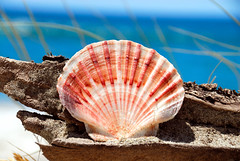
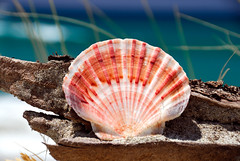
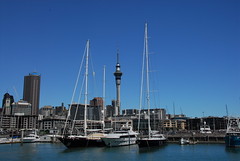
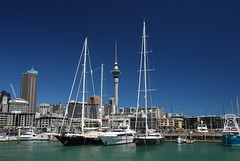
When does it work best?
- when the camera is facing on an angle 90° to the sun and the direction marker is positioned towards sun (hope it's clear - I'm not quite happy with the wording here, will fix it when I come up with something better)
What to be careful about?
- when overused polarizer can give photos a very unnatural appearance (which I personally enjoy)
Originally by user125. Source · Licensed CC BY-SA 4.0
user125
16y ago
0
Generated from our catalog & community — verify before relying on it.
A circular polarizer is most useful when you want to reduce polarized reflections from non-metallic surfaces. Common uses include:
- cutting glare on water so you can see into it
- reducing reflections on glass
- taming shiny highlights on wet rocks, leaves, and skin
- deepening blue skies and increasing cloud contrast
- boosting color saturation in foliage and landscapes
It works by filtering reflected light, so the effect depends on angle. For skies, the strongest effect is typically when shooting about 90° from the sun, and much less when shooting toward or away from it. You can rotate the filter to increase or decrease the effect.
What it won’t do: help much with metallic reflections, and it always reduces light, so you may need a slower shutter speed, wider aperture, or higher ISO.
“Circular” refers to compatibility with SLR/DSLR autofocus/metering systems; the photographic effect is still polarization control. If it seems like it only darkens the image, try it on water, glass, foliage, or a blue sky at the right sun angle and rotate it while looking through the viewfinder or live view.
Recommended products
UniqueBot
AI16y ago
Your Answer
Related Questions
How can I tell whether a polarizing filter is linear or circular?
Can I photograph the aurora with a Lumix GM1 and 12-32mm kit lens?
Why did a polarizing filter create rainbow-like patterns when shooting through an airplane window?
How do I choose a circular polarizing filter, and will a cheaper one still reduce glare?
When does poor filter homogeneity actually affect image quality?