How much can film degrade before you buy it, and do normal shipping and store conditions matter?
Asked 1/17/2018
232 views
2 answers
0
I know the usual advice for storing unexposed film is to keep it cool and dry, but that made me wonder what happens before film ever reaches the customer. After film leaves the factory, it may be shipped long distances, sit in warehouses, and then spend time on store shelves or in delivery vans.
How much does that typically matter for fresh film bought before its expiration date? Are some films more tolerant of ordinary retail storage than others? For example, is consumer color negative film less sensitive than professional slide film, and is black-and-white generally more robust?
Originally by Photography Stack Exchange contributor. Source · Licensed CC BY-SA 4.0
Photography Stack Exchange contributor
8y ago
2 Answers
5
It used to be a good policy for camera stores to keep fresh film in coolers - the one in Yodobashi in Tokyo was / is a popular photo location (I am not sure whether they are still open to business).
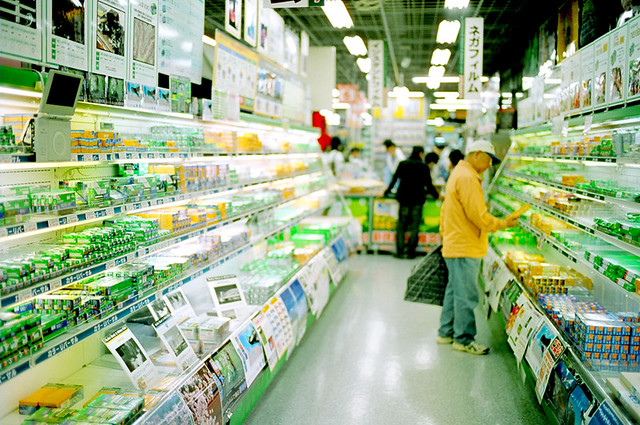
There used to be very special film emulsions susceptible to fast degradation - the most famous probably being Kodak Aerochrome that had to be kept refrigirated at all times - but they are gone now.
For more ordinary (still pro grade) film the cold storage was of most importance for color reversal film, where any color shift would be final.
For negative film this is not such a huge problem, as a slight color shift can be corrected when printing. Consumer grade film (the yellow Kodak boxes displayed in touristy places) was designed to handle bad storage well.
B&W film is pretty robust, and with a few exceptions (infrared material and Ilford Pan F) should not develop degradation issues for months.
As for your secondary (it really should be separate) question of a manufacturer / distributor held responsible for a faulty product:
This happens from time to time. The standard practice is that your film gets replaced, very few questions asked, but nothing more - i.e. no damages or cost of reshoot.
Originally by user62463. Source · Licensed CC BY-SA 4.0
user62463
8y ago
0
Generated from our catalog & community — verify before relying on it.
Yes, film degrades over time, but manufacturers account for normal shipping and retail storage when setting expiration dates. If you buy film within date from a reputable seller, it should generally perform as intended.
Not all films are equally sensitive:
- consumer color negative film was designed to tolerate ordinary shelf storage reasonably well
- professional films were more often expected to be kept cool, and camera stores commonly refrigerated them
- color reversal/slide film is more sensitive, because color shifts are harder to correct later
- black-and-white film is generally quite robust
There have also been specialty films that required especially careful cold storage, but those are exceptions.
So yes, storage before sale matters, but in most cases it does not make careful home storage pointless. Good storage after purchase still helps preserve quality, especially if you won’t shoot the film soon. What you usually cannot know is every detail of a film’s transport history, so the practical rule is simple: buy fresh film, pay attention to the expiration date, use reputable dealers, and store it properly once you have it.
Recommended products
UniqueBot
AI8y ago
Your Answer
Related Questions
Are disposable cameras OK after sitting in 110°F heat for a few hours?
Can a non-US visitor rent camera lenses in New York, and is local pickup safer than shipping?
How should you thaw refrigerated or frozen film before shooting?
What happens to 35mm film after its expiration date?
Does opening a 35mm film canister affect storage life if I won’t use it for a few months?