Win More Online Photo Contests: Expert FAQ on Quality, Themes, and Bias
Entering online photo contests blends craft, curation, and a little strategy. As New Jersey’s destination for gear and education, Unique Photo helps photographers refine submissions that hold up under close judging. Use this FAQ to sharpen your approach—from technical polish and theme interpretation to navigating common judging biases.
What do judges notice first in an online contest entry?
Most jurors perform a fast first pass where images are viewed small, so clarity and read-at-a-glance impact matter. Aim for tack-sharp focus on the subject, clean exposure without blocked shadows or blown highlights, strong subject separation, and an intentional composition. In that initial skim, images with busy edges, muddy midtones, or color casts often fall out. On second look, judges evaluate storytelling, originality, and how well the photo answers the prompt. Make every pixel count—if the image is compelling as a thumbnail and rich on a close view, you’re in the running.
How do I interpret a contest theme without being too literal?
Treat the brief as a springboard. Start by listing literal interpretations, then push further to metaphor, contrast, or unexpected context. A compelling entry says “of course” only after the viewer reads the title or description—your concept should click, not need a paragraph of explanation. Keep the scene cohesive; avoid adding unrelated elements just to “check the box.” When in doubt, ask whether a stranger would connect the photo to the theme in a few seconds and whether your treatment feels fresh relative to typical submissions.
What file prep helps images look great on judges’ screens?
- Color space: Export in sRGB and embed the profile so colors hold on any device.
- Size: Long edge between 1600–3000 px is a safe web range unless the rules specify otherwise.
- JPEG quality: 80–90 balances detail and size; avoid banding by keeping gradients clean.
- Sharpening: Apply subtle output sharpening for screen; avoid halos around edges.
- Noise: Reduce luminance noise gently and preserve texture; smeared detail reads poorly when zoomed.
- Metadata: Keep EXIF intact unless rules require removal; some contests check originality.
- Watermarks: If allowed, keep them small and unobtrusive; logos can hurt composition and scoring.
How much editing is too much for contests?
Read the rules carefully. “Documentary” or “nature” categories often restrict content manipulation (adding/removing elements), while “open” or “creative” may allow composites. When compositing or heavy retouching is permitted, aim for believable light direction, consistent perspective, and natural color. Keep a clean chain of custody—RAW files and layered PSDs—to verify authenticity if requested. For sharpening and color, lean tasteful over trendy; judges see thousands of oversaturated skies and crunchy textures.
If you want tailored post-processing feedback, our coaching sessions can accelerate your workflow:
UUOnline: Photoshop Mentoring (Session 3)
How do I plan around judging biases and increase my odds?
Every panel has preferences—sometimes subtle. Study past winners to spot patterns in color palette, subject matter, or mood. Align your entry to the sponsor’s aesthetic without copying popular tropes. Enter a variety of strong images when permitted; diversify compositions and color treatments to avoid putting all your eggs in one look. Submit early enough to troubleshoot upload issues, but not so early that you skip last-minute refinements. Finally, remember that first-round screeners often favor clarity: prioritize clean backgrounds, decisive moments, and strong silhouettes.
Want insights from real judges and winners? Explore recorded reveals and talks:
NJ Monthly 2020 Cover Search Contest Winners Reveal
What makes night and astro images stand out in competitions?
Night work is a technical litmus test. Judges reward control: pinpoint stars, clean skies, believable color, and foregrounds that tell a story. Previsualize the alignment of sky objects and foreground; plan around moon phase, atmospheric transparency, and light pollution. Use stacking for noise reduction, blend separate sky/foreground exposures when rules allow, and ensure horizons and star trails are intentional—not accidental. White balance for night (often 3500–4500K for Milky Way) and keep colors plausible.
Build your night-sky skill set with our pro-led classes:
UUOnline: Astrophotography 4-Part Series with Temu Nana
UUOnline: Astrophotography 4-Part Series with Temu Nana (Session 2)
UUOnline: Photographing the Nighttime Landscape with Roman Kurywczak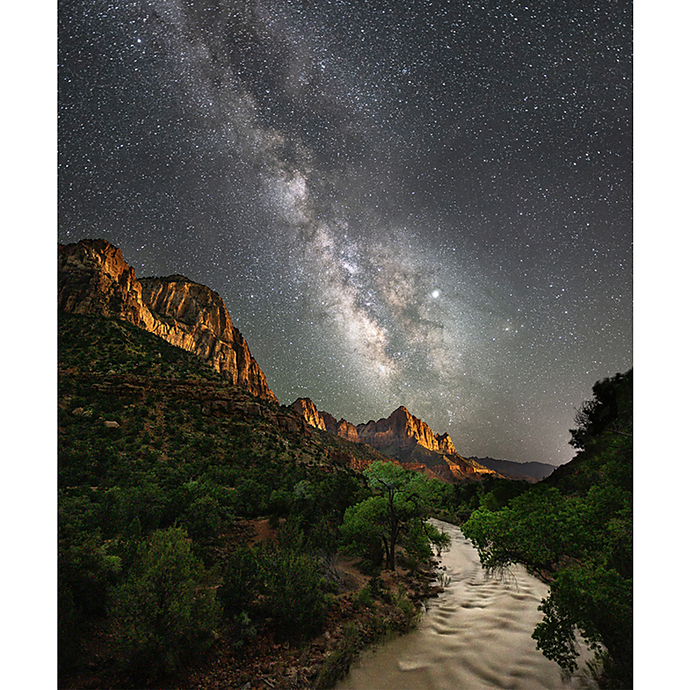
Do titles and captions really influence scoring?
They can. A strong title hooks attention without overexplaining; a concise caption connects your concept to the theme and adds valuable context (location, season, or one key decision you made). Keep it brief—one or two sentences—avoid clichés, and ensure spelling/grammar are clean. If the platform displays EXIF, make sure your camera data doesn’t contradict category rules (e.g., a composite declared as single exposure).
For idea development and constructive critique, join our community sessions:
UUOnline (Free): Half Hour Photo Talk with Todd Lauther
Competing in video or multimedia categories—what matters?
Judges look for a clear story arc within the time limit, steady visuals, purposeful pacing, and clean audio. Frame for deliverables (horizontal, vertical, or square), expose for skin tones, and keep color consistent across shots. Use stabilization where appropriate, capture room tone and nat sound, and avoid overusing stock LUTs. Keep your opening five seconds compelling—many viewers decide to keep watching during that window.
Level up your motion entries with these classes:
UUOnline (Sony Takeover): Videography Basics with Sony
PCS: Video for Photographers with Shiv Verma (Lumix)
How can I keep improving between contests?
Build a feedback loop: study winning galleries, print your work to spot tonal issues, and seek critique from mentors who aren’t invested in a single style. Create a personal shortlist for each contest and refine it over several days. Track your submissions, wins, and shortlists to identify patterns that resonate with judges. Above all, iterate—one thoughtful entry each month beats a dozen rushed submissions.
Unique Photo offers workshops, free talks, and special events to help you grow—and plenty of gear when you’re ready to execute your next idea. Visit us online or stop by our Fairfield, NJ store to plan your next award-winning submission.