If you’re trying to choose the right wide-angle Sony zoom for landscapes, travel, interiors, architecture, video, or event work, this guide is for you. Sony shooters often end up comparing the classic fast 16-35mm f/2.8 GM idea against the more compact, video-friendly 16-35mm f/4 PZ style of lens. While the exact two lenses in this discussion are not listed here, we can still make the decision much easier by looking at the real-world tradeoffs that matter most: aperture, size, zoom range, portability, and how these lenses fit into a broader Sony full-frame kit.
Below, we’ll break down the practical differences between a fast 16-35mm f/2.8 and a lighter powered-zoom f/4 option, then compare them with a few excellent alternatives available at Unique Photo for photographers and hybrid creators who may want even wider coverage, more reach, or a third-party value option.
Who Should Choose a 16-35mm f/2.8 GM Style Lens?
A 16-35mm f/2.8 GM-type lens is usually the better fit for photographers who need speed and flexibility. If you shoot weddings, events, astrophotography, environmental portraits, or low-light interiors, the extra stop over f/4 matters. It can help you keep shutter speeds higher, reduce ISO, and give you a little more subject separation at the wider end.
In practical use, f/2.8 wide zooms tend to appeal most to:
- Event photographers working in dim venues
- Wedding shooters who need one wide lens that can do almost everything
- Astro and nightscape photographers who want more light-gathering ability
- Photo-first creators who value optical performance over compactness
The tradeoff is usually size, weight, and cost. A 16-35mm f/2.8 is often the premium choice, but it can feel heavier on a long travel day or a compact Sony body.
Who Should Choose a 16-35mm f/4 PZ Style Lens?
A 16-35mm f/4 power zoom design makes a lot of sense for video shooters, travelers, and anyone building a lightweight Sony kit. The constant f/4 aperture is still very usable for landscapes, architecture, daylight documentary work, and gimbal setups. The powered zoom function is especially appealing for creators who want smooth focal length transitions on video.
This type of lens is often best for:
- Hybrid shooters balancing stills and video
- Travel photographers who want smaller, lighter gear
- Gimbal users who benefit from compact handling
- Landscape photographers who usually stop down anyway
If most of your work happens at f/5.6, f/8, or f/11, the practical downside of f/4 may be minimal. For many users, the real benefit is getting wide-angle coverage in a more portable package.
Quick Decision: 16-35mm f/2.8 vs 16-35mm f/4 PZ
| Feature | 16-35mm f/2.8 GM Style | 16-35mm f/4 PZ Style |
|---|---|---|
| Low-light performance | Better | Good, but one stop slower |
| Background separation | Better | More limited |
| Travel portability | Usually larger/heavier | Usually smaller/lighter |
| Video handling | Strong, but not always as compact | Excellent for hybrid/video use |
| Landscape use | Excellent | Excellent |
| Event/wedding use | Best choice | Usable, but less ideal in dim light |
| Value for weight-conscious users | Lower | Higher |
Real-World Buying Tips
Here are the biggest things to think about before buying:
- If you frequently shoot indoors or after dark, lean toward f/2.8.
- If you mainly shoot stopped down for landscapes or architecture, f/4 is often enough.
- If video matters, compactness and smooth zoom behavior may outweigh aperture.
- If this is your only wide lens, consider whether you need ultra-wide drama or more everyday versatility.
- If you already own a standard zoom, your wide-angle lens can be more specialized.
Best Alternatives and Complementary Lenses Available at Unique Photo
Since the exact 16-35mm options aren’t listed in the available product set here, these recommendations focus on lenses that help solve the same wide-angle decision in real-world Sony kits.
Sony FE 12-24mm f/2.8 GM Lens
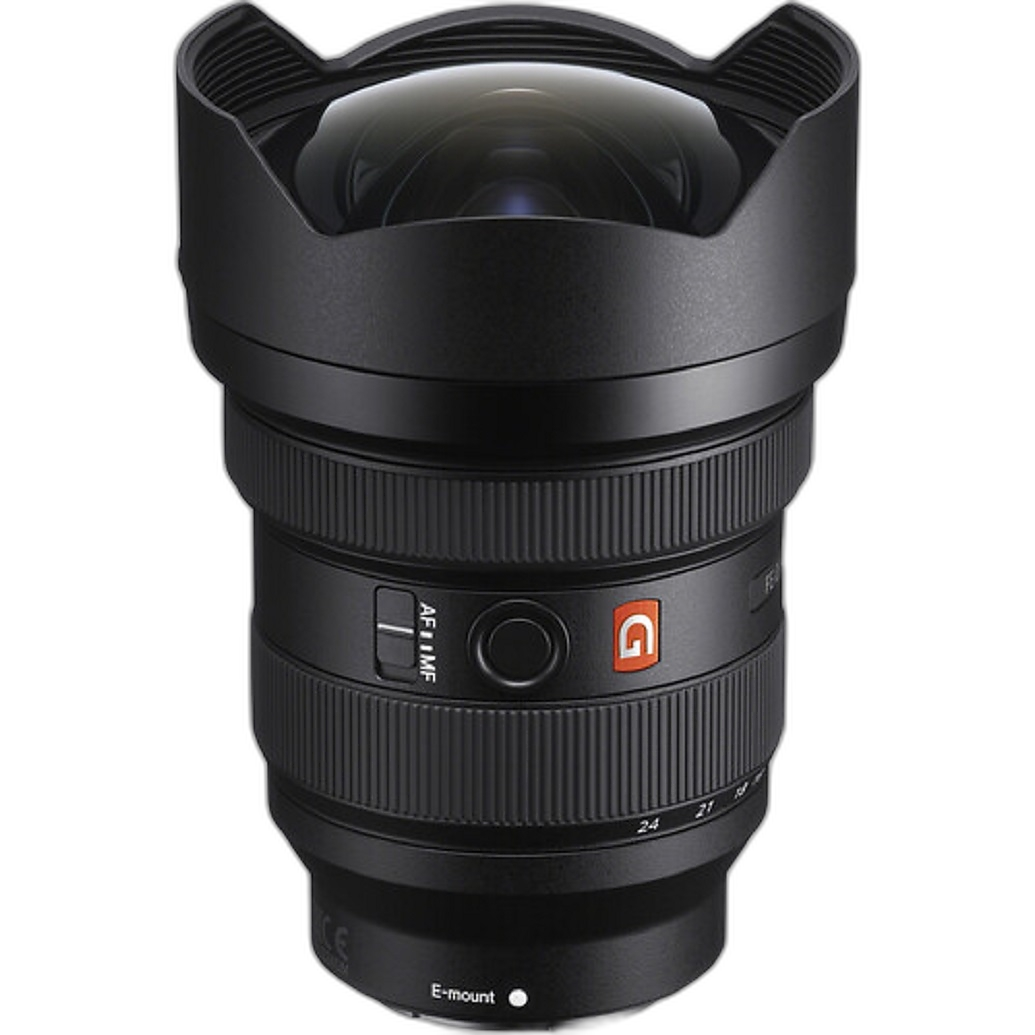
If your debate between a 16-35mm f/2.8 and a 16-35mm f/4 PZ keeps coming back to wanting something even more dramatic, the Sony FE 12-24mm f/2.8 GM is the premium ultra-wide solution. It goes far beyond 16mm, opening up dramatic architecture, interiors, landscapes, and creative perspective work that a standard wide zoom simply can’t match.
This is a serious lens for professionals and advanced enthusiasts who want top-tier Sony ultra-wide performance and the speed of f/2.8. It’s especially compelling for astrophotography and real estate work where every millimeter counts.
Best for: architecture, interiors, landscapes, astro, high-end commercial work
Why consider it: if 16mm never feels wide enough, this solves that problem immediately
Tradeoff: less everyday versatility than a 16-35mm
Tamron 16-30mm F/2.8 Di III VXD G2 Lens for Sony E
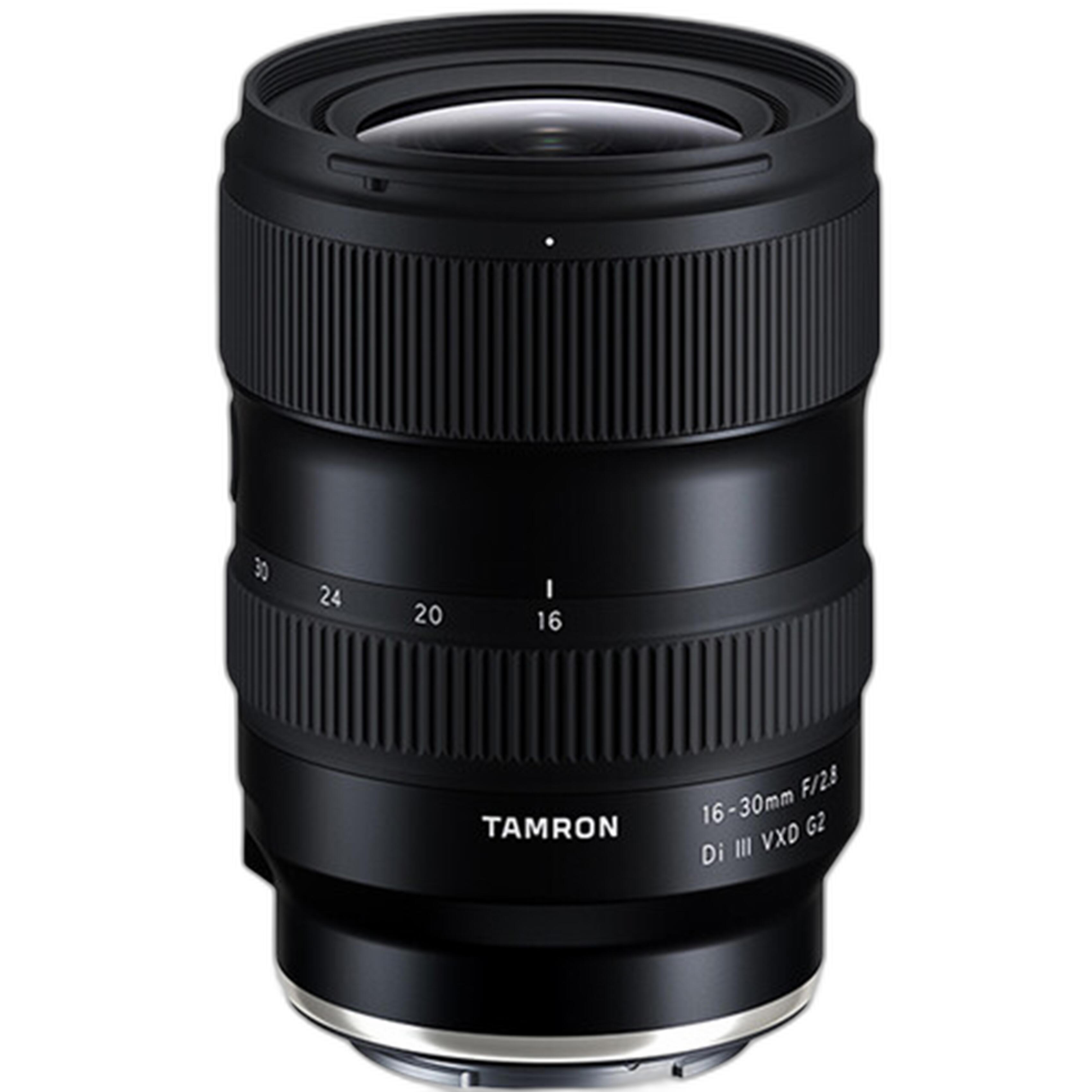
The Tamron 16-30mm f/2.8 Di III VXD G2 is one of the most interesting alternatives for Sony shooters who want the light-gathering advantage of f/2.8 without necessarily paying flagship Sony GM pricing. It covers the key wide focal lengths many shooters care about most, while staying focused on value and performance.
For buyers comparing a Sony 16-35mm f/2.8 versus a 16-35mm f/4 PZ, this Tamron often lands right in the middle of the conversation: fast aperture, modern autofocus, and a more budget-conscious path into pro-style wide-angle shooting.
Best for: enthusiasts, hybrid shooters, travel photographers who still want f/2.8
Why consider it: great balance of speed and value
Tradeoff: slightly shorter range than 16-35mm options
Sony FE 24-105mm f/4 G OSS Lens
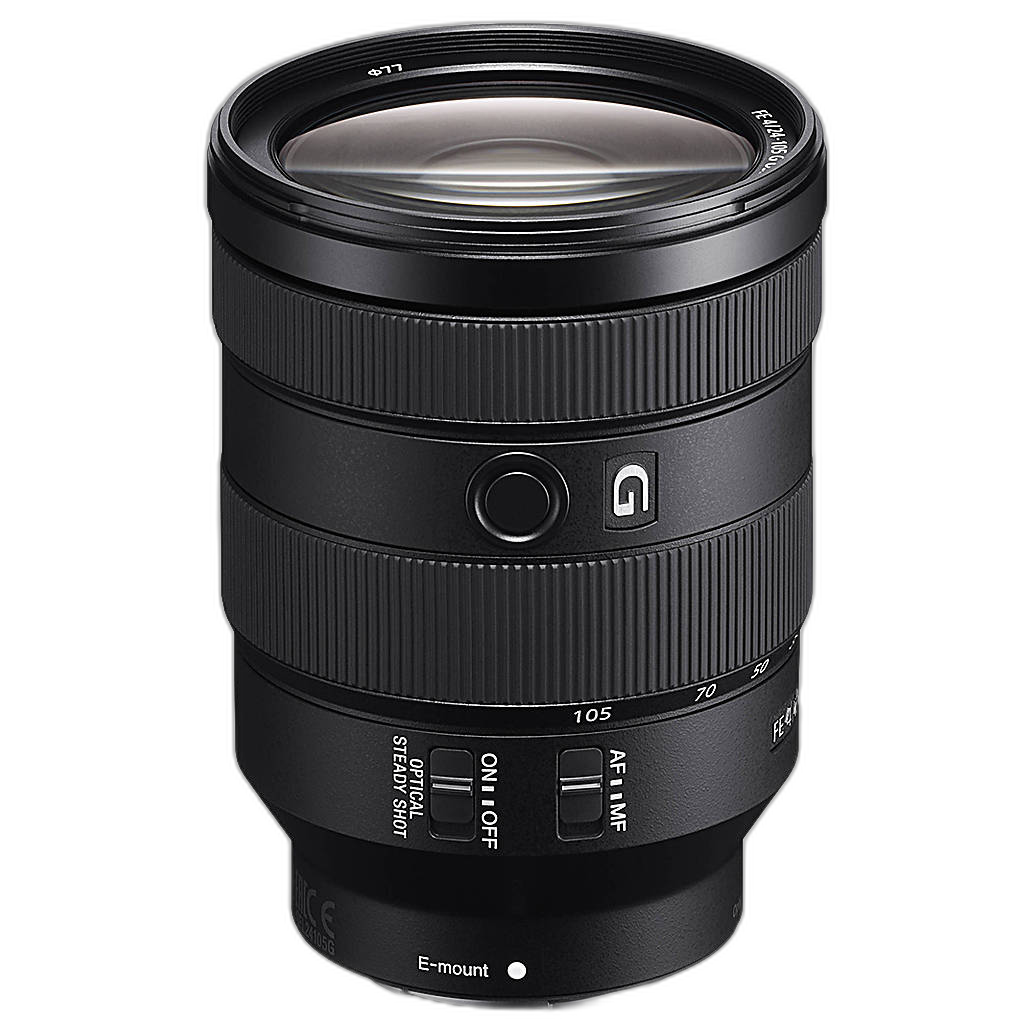
If your wide-angle zoom will not be your only lens, the Sony FE 24-105mm f/4 G OSS is an excellent companion to either a 16-35mm f/2.8 or 16-35mm f/4 PZ setup. It picks up where your wide lens leaves off and gives you a very practical all-around range for travel, documentary, portraits, and general use.
It’s also worth mentioning because some buyers discover they don’t actually need a 16-35mm as their main everyday lens. If you mostly shoot at 24mm and above, then pairing a standard zoom like this with a more specialized ultra-wide may be a better long-term strategy.
Best for: travel, walkaround shooting, hybrid kits, all-purpose use
Why consider it: extremely useful range for photographers who don’t live at 16mm all day
Tradeoff: not truly ultra-wide
Comparison Table: Which Available Lens Best Fits Your Needs?
| Lens | Max Aperture | Focal Range | Best Use | Ideal Buyer |
|---|---|---|---|---|
| Sony FE 12-24mm f/2.8 GM | f/2.8 | 12-24mm | Ultra-wide specialist work | Pro landscape, architecture, astro shooters |
| Tamron 16-30mm f/2.8 G2 | f/2.8 | 16-30mm | Fast wide-angle everyday use | Value-focused Sony users wanting speed |
| Sony FE 24-105mm f/4 G OSS | f/4 | 24-105mm | General-purpose coverage | Travel and all-around shooters |
Practical Experiences: What Most Buyers End Up Learning
In real use, many photographers discover that this decision is less about image quality and more about how they actually shoot.
- Buyers who work in low light almost never regret choosing f/2.8.
- Buyers who prioritize light weight often end up using the smaller lens more often, which matters just as much as specs.
- Landscape photographers often realize that f/4 is plenty if they shoot on a tripod and stop down.
- Video shooters tend to appreciate features that make operation smoother, not just brighter.
- Some users eventually decide they want 12-24mm plus a standard zoom instead of a single 16-35mm solution.
Final Recommendation
If you’re choosing between a Sony 16-35mm f/2.8 GM style lens and a 16-35mm f/4 PZ style lens, the simplest answer is this: choose f/2.8 if low light and professional flexibility matter most; choose f/4 PZ if portability and hybrid video use matter more.
If you want a premium ultra-wide upgrade, the Sony FE 12-24mm f/2.8 GM is the standout specialist. If you want the best balance of wide-angle speed and value, the Tamron 16-30mm f/2.8 G2 is our strongest recommendation in this group. And if you’re building a complete Sony kit around your wide lens, the Sony FE 24-105mm f/4 G OSS remains a smart companion zoom.
For Sony shooters building the right wide-angle setup, Unique Photo is a great place to compare options, round out your kit, and choose the lens that matches how you really shoot.