Smartphone camera technology has improved so quickly that many photographers now ask a very practical question: which smartphone cameras rival entry-level mirrorless cameras now? The answer is more nuanced than ever. For casual shooting, social media, travel snapshots, and even some client-facing content, today’s best smartphones can absolutely compete in specific situations. But when you compare image quality, lens flexibility, subject separation, autofocus consistency, low-light performance, and long-term creative growth, entry-level mirrorless cameras still hold meaningful advantages.
At Unique Photo, we regularly help photographers decide whether they should keep relying on their phone, step up to a dedicated camera, or use both. The truth is that smartphones and mirrorless cameras now overlap more than they used to, but they are not interchangeable for every kind of creator.
What smartphone cameras are closest to entry-level mirrorless cameras?
The smartphones that come closest to entry-level mirrorless cameras are usually flagship models with large main sensors, advanced computational photography, strong video modes, and multiple focal lengths. In general, the most competitive options come from Apple, Samsung, and Google’s top-tier devices, along with a few photography-focused phones from brands sold in select markets.
These phones rival entry-level mirrorless cameras best when you are shooting:
- In bright daylight
- For web and social media delivery
- Wide-angle scenes
- Portraits enhanced by software blur
- Short-form video and casual vlogging
- Quick edits directly on-device
Modern flagship phones often produce sharp, vibrant files with impressive HDR, accurate skin tones, and highly usable stabilization. For many buyers, that is enough to delay the jump into interchangeable lens photography.
Still, “rival” does not always mean “replace.” A phone can rival an entry-level mirrorless camera in convenience, automation, and immediate shareability while still trailing in raw image depth and optical flexibility.
Can a smartphone replace an entry-level mirrorless camera for photography?
For some users, yes. For others, not really. If your photography centers on family moments, food, vacations, daily life, behind-the-scenes content, and quick reels, a premium smartphone may be all you need. Computational photography is especially effective for users who want polished results without learning exposure, lenses, or post-production.
However, if you want to grow into more intentional photography, an entry-level mirrorless system remains the better long-term tool. Even compact dedicated cameras and lightweight mirrorless bodies offer more control and consistency. At Unique Photo, many customers discover that the difference becomes obvious when they shoot moving kids, pets, events, dim interiors, wildlife, or portraits that need natural background separation.
In other words, smartphones can replace a beginner camera for convenience-first users, but they usually cannot replace the full photographic experience of a mirrorless system.
Smartphone vs mirrorless image quality: where phones catch up
There are several areas where smartphone cameras now genuinely challenge entry-level mirrorless cameras:
- Daylight detail: In good light, flagship phones can produce excellent sharpness and strong dynamic range.
- HDR rendering: Phones often outperform inexperienced camera users because they automatically blend exposures.
- Color processing: Smartphone JPEGs are often immediately pleasing without editing.
- Stabilized handheld shooting: Phones combine optical and electronic stabilization very effectively.
- Convenience: The best camera is often the one you have with you, and that still favors the smartphone.
This is why so many content creators, travelers, and casual enthusiasts feel their phone is “just as good” as a basic camera. In certain situations, especially on a phone screen, that impression is understandable.
Where entry-level mirrorless cameras still beat smartphones
Even with all the progress in mobile imaging, dedicated cameras still win in the areas that matter most to photographers who want room to grow.
1. Larger sensors
Entry-level mirrorless cameras generally use larger sensors than smartphones. That leads to better tonal transitions, cleaner files at higher ISO settings, and more flexibility in editing.
2. Real lenses and focal length options
Phones simulate much of their versatility with multiple modules and software cropping. Mirrorless cameras use actual interchangeable lenses, giving you true wide, standard, portrait, macro, and telephoto options.
3. Natural background blur
Portrait mode is impressive, but it still relies on edge detection and software interpretation. A dedicated camera creates optical subject separation more naturally.
4. Better autofocus tracking in demanding situations
Phones are excellent for static or lightly moving subjects, but mirrorless cameras remain stronger for sports, wildlife, dance, and fast-moving children.
5. Handling and creative control
Physical controls, better ergonomics, EVFs, hot shoes, accessory support, and customizable settings all matter once you move beyond snapshots.
6. Long-term system growth
A mirrorless camera is an investment in a system. You can add lenses, flashes, microphones, and supports as your needs evolve.
Best use cases where smartphones rival mirrorless cameras today
If you are deciding whether to buy a camera right now, it helps to identify the categories where smartphones have become especially competitive.
Travel photography
For city walks, food photos, landmarks, and casual documentation, a flagship phone can be incredibly effective. It is lightweight, discreet, and always connected.
Social content creation
If your final output is Instagram, TikTok, YouTube Shorts, or stories, a modern smartphone may deliver all the quality you need.
Everyday family moments
Parents often prefer a phone because it is instantly available. Spontaneous moments matter, and convenience matters too.
Business content and quick marketing assets
Restaurants, small brands, and creators can get polished results from a high-end phone in good light.
Casual video
Phones are often easier for quick handheld clips, especially when you want to shoot, edit, and publish from one device.
When you should upgrade from a smartphone to a mirrorless camera
You should consider moving to a mirrorless camera if you frequently run into the limits of your phone. Common signs include:
- Your low-light photos look smeared or noisy
- You want sharper results when photographing movement
- You want better portraits with natural blur
- You need more reach for sports, wildlife, or school events
- You want cleaner files for printing
- You are ready to learn exposure, lenses, and editing
- You create client work and need consistency
This is where Unique Photo can be especially helpful. A camera does not need to be huge or intimidating to outperform a smartphone. There are excellent mirrorless and compact options that remain travel-friendly while opening up much more creative control.
Which entry-level mirrorless cameras make sense if you are upgrading from a phone?
If you love the portability of a smartphone but want better image quality, look for a camera that balances size, ease of use, and strong autofocus. At Unique Photo, a few current options naturally fit this conversation.
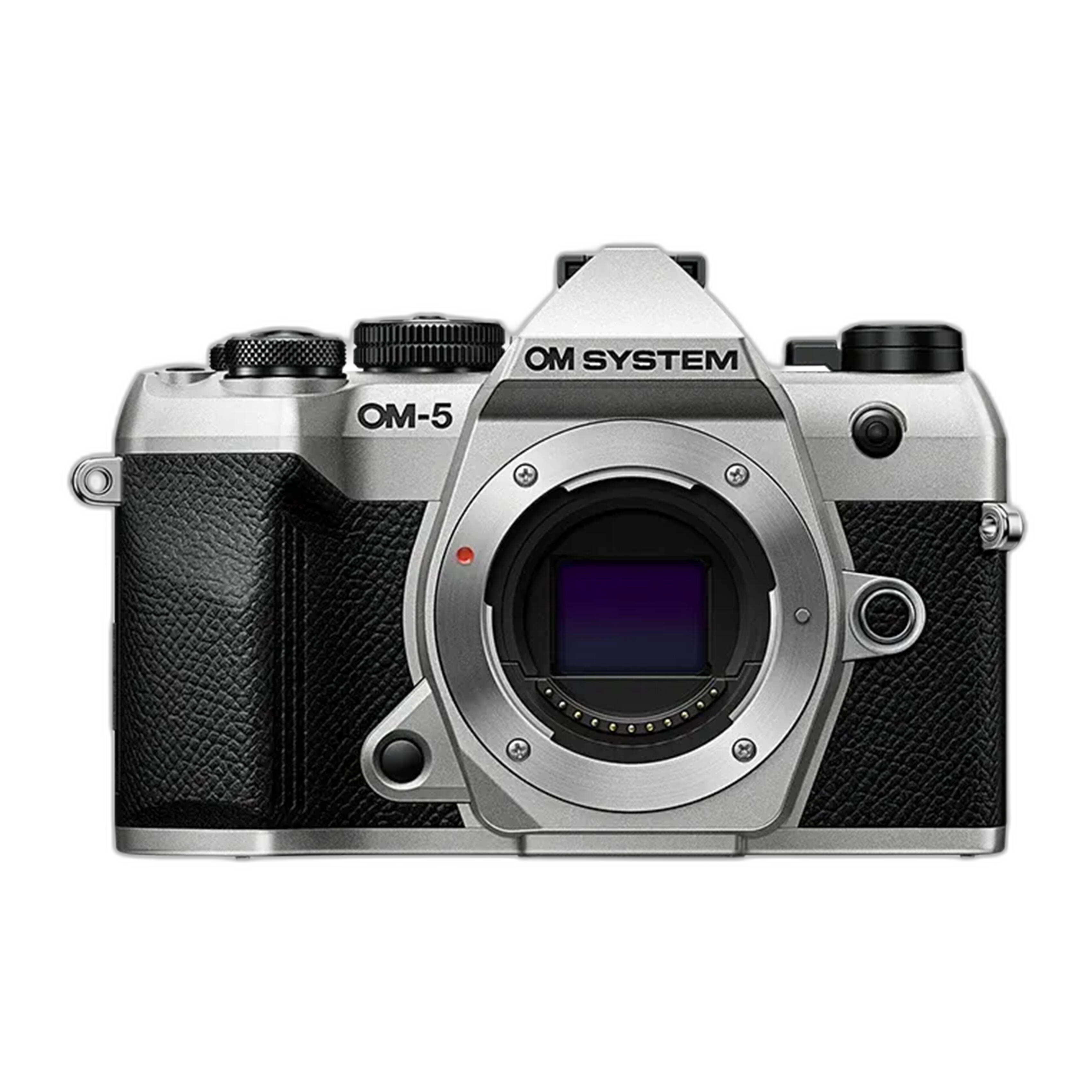
OM SYSTEM OM-5 Mark II
The OM SYSTEM OM-5 Mark II Body - Silver and OM SYSTEM OM-5 Mark II Body - Sand Beige are appealing for smartphone upgraders because they keep the kit compact while delivering the benefits of a true mirrorless system. They are a smart fit for travel, outdoor photography, and everyday carry users who do not want a bulky setup.
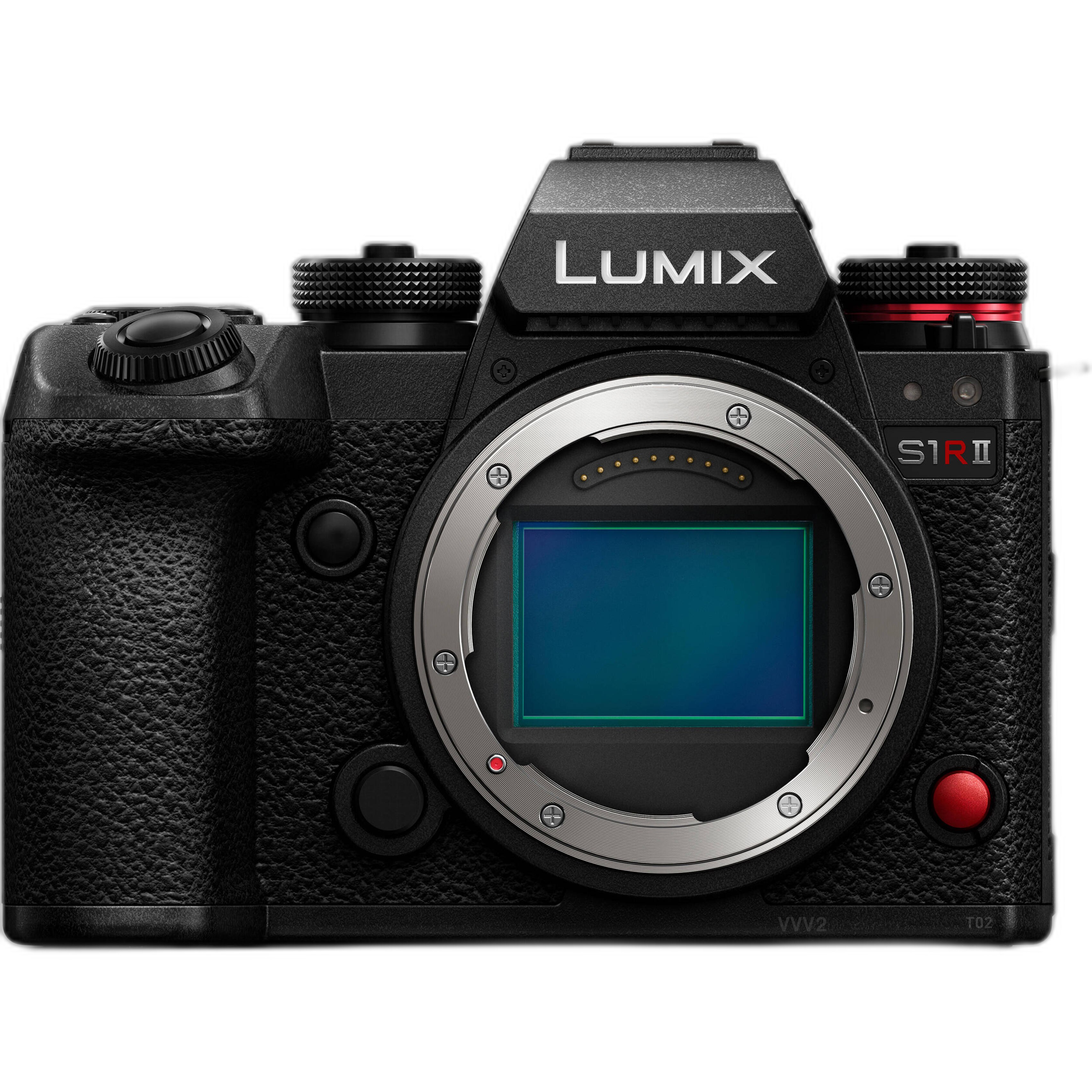
Panasonic Lumix S1RII
For buyers comparing the ceiling of smartphone imaging against a more serious camera platform, the Panasonic Lumix S1RII Mirrorless Camera - Body Only shows what dedicated imaging can still do at a much higher level. It is not an entry-level body, but it highlights the gap in sensor size, system flexibility, and pro-grade image-making potential.
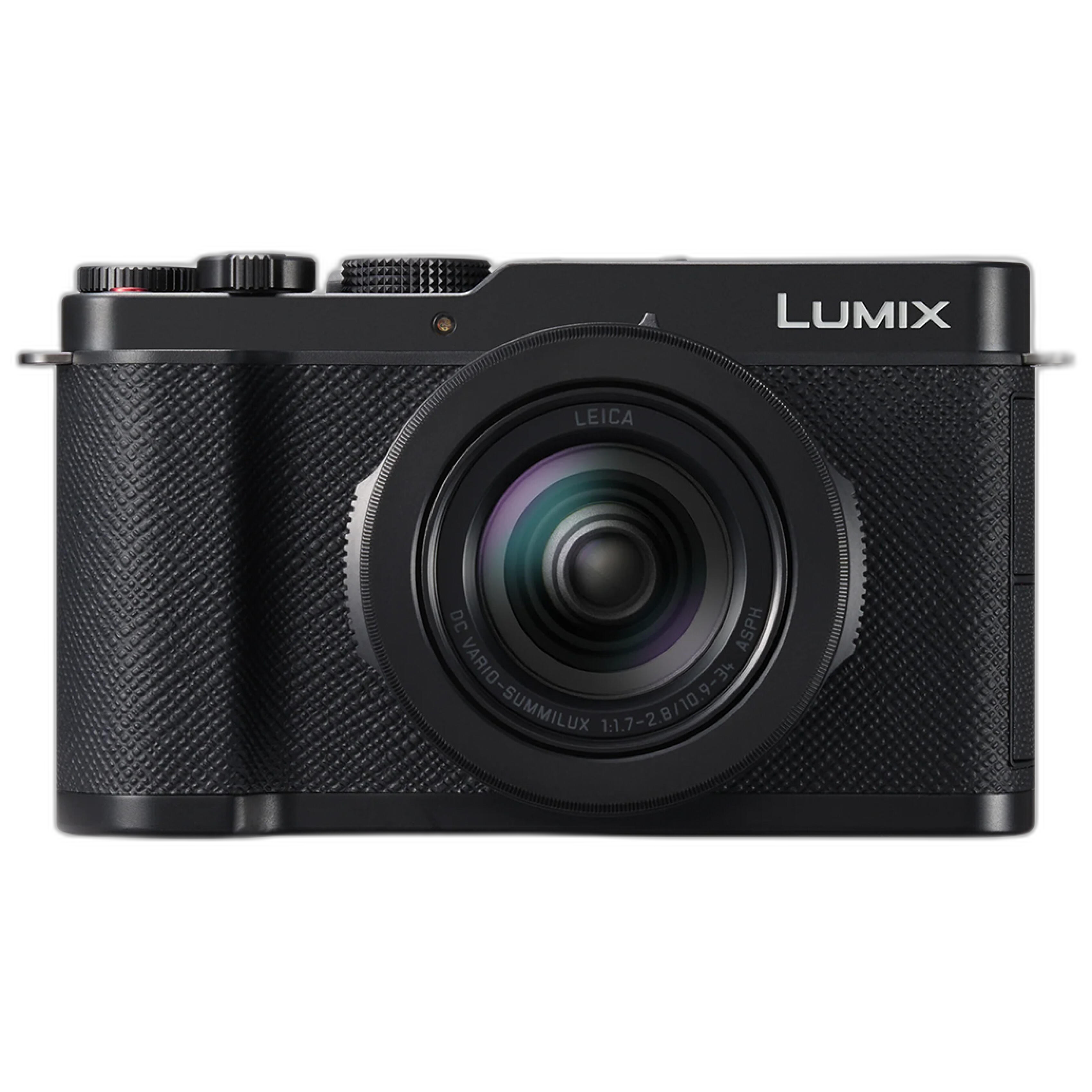
Panasonic Lumix L10 compact camera
If you are not ready for interchangeable lenses, a compact model like the Panasonic Lumix L10 M4/3 Compact Camera can feel like a more natural next step from smartphone shooting while still giving you the experience of using a dedicated camera.
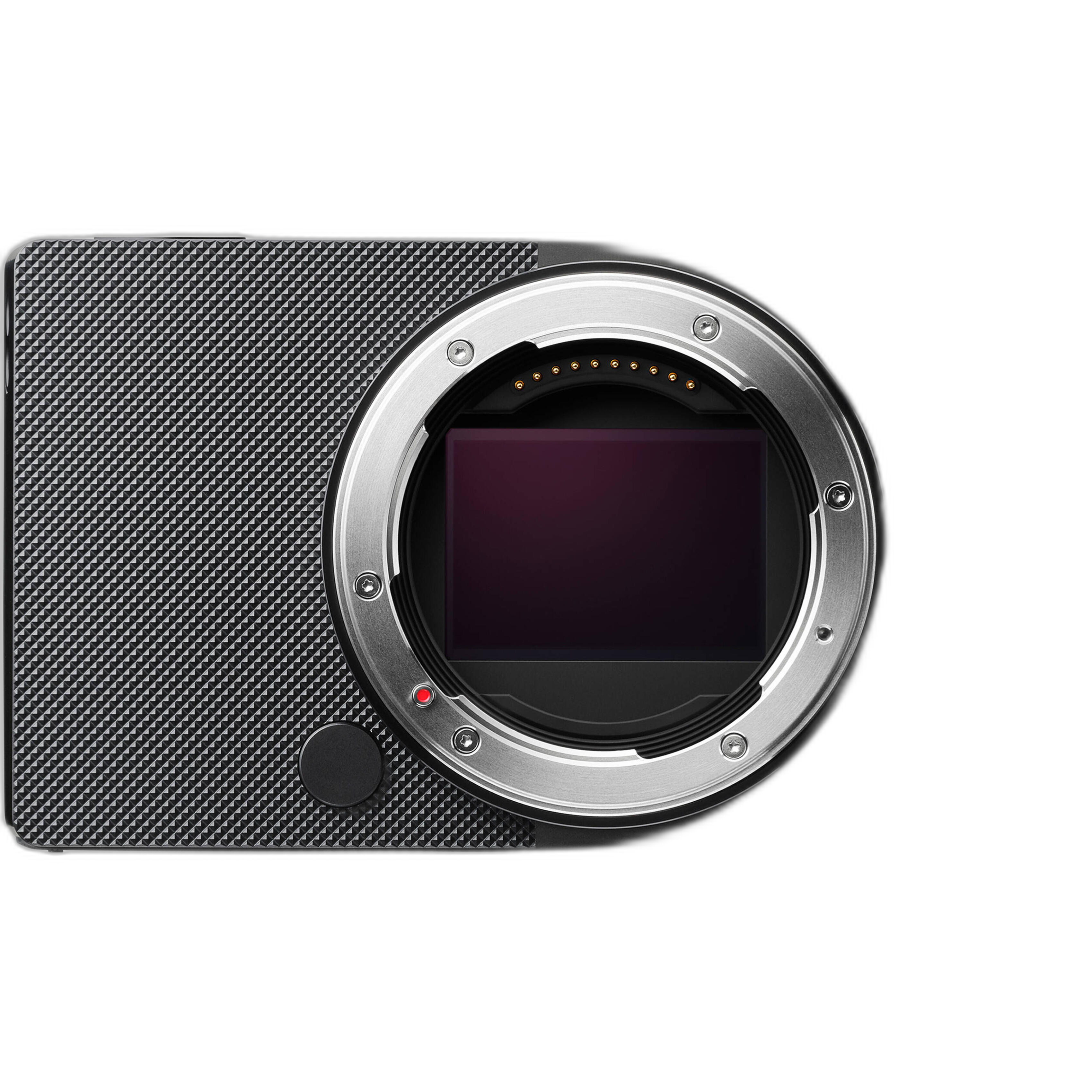
Sigma BF Digital Camera
The Sigma BF Digital Camera (Black) is another example of how modern camera design can appeal to users who appreciate simplicity, clean design, and a more intentional shooting process than a smartphone typically encourages.
Are smartphone portrait modes as good as mirrorless portraits?
They are good, but not usually equal. Smartphone portrait modes have become remarkably convincing for casual use. On a small screen, the results can look excellent. But once you inspect hair, glasses, hands, overlapping objects, or difficult edges, software blur can still look artificial.
Mirrorless cameras create portrait separation through optics and sensor size. The result is usually more believable and more flattering, especially in challenging scenes. Skin rendering, lens character, and background transition also tend to look more natural.
If portraits matter a lot to you, a dedicated camera remains the better tool.
Are smartphone cameras better than beginner cameras for video?
Sometimes, especially for convenience. Smartphones are outstanding for casual video because they combine stabilization, simple autofocus, easy audio workflows, and instant editing. For creators producing vertical content or rapid-turnaround clips, a phone may actually be the better choice.
But if you want more cinematic control, better lens choices, improved low-light performance, and stronger accessory integration, a mirrorless camera still has the advantage. This is particularly true for interviews, branded work, events, and projects where image consistency matters.
How computational photography changes the comparison
The biggest reason smartphones rival entry-level mirrorless cameras today is not just hardware. It is software. Phones merge multiple frames, reduce noise, sharpen selectively, optimize skin tones, lift shadows, and improve dynamic range automatically. In many situations, they make difficult scenes look easy.
Entry-level mirrorless cameras often capture better source data, but they may require more knowledge to get the best result. So the real comparison is not only camera vs phone. It is also optical quality vs software intelligence.
This distinction matters because some buyers do not actually need the technically superior file. They need the fastest route to a polished image. For that use case, smartphones are incredibly competitive.
Should beginners buy a camera if they already own a great smartphone?
If you are happy with your current results and mostly share online, you may not need a dedicated camera yet. But if photography feels like more than documentation to you, a camera is still worth considering. The difference is not only technical. It is experiential.
A dedicated camera encourages intention. You think more about framing, light, focal length, timing, and composition. Many photographers who buy their first mirrorless camera discover that the process itself helps them improve faster than shooting exclusively on a phone.
That is one reason shoppers continue turning to Unique Photo for hands-on guidance. The right camera can change not just the quality of your images, but your relationship with photography.
Final verdict: which smartphone cameras rival entry-level mirrorless now?
The best flagship smartphones absolutely rival entry-level mirrorless cameras in bright light, casual video, social-first content, and everyday photography. For convenience, speed, and automated image processing, they are better than ever and often more than good enough.
However, entry-level mirrorless cameras still pull ahead when you want better low-light performance, true lens flexibility, more natural portraits, improved subject tracking, cleaner files for editing, and a stronger path for long-term growth. In short, smartphones have narrowed the gap dramatically, but they have not erased the reasons to buy a camera.
If you are deciding between staying with your phone and stepping up to a dedicated camera, Unique Photo offers a strong range of mirrorless and compact options for every experience level. For readers exploring next steps, good internal linking opportunities would include collections for Mirrorless Cameras, Used Mirrorless Cameras, Compact Cameras, and brand pages for OM SYSTEM, Panasonic LUMIX, and Sigma Cameras. Those paths can help you compare whether a lightweight dedicated camera makes more sense than your next phone upgrade.