Choosing your next lens can feel harder than choosing your next camera body, especially when several focal lengths seem to overlap on paper. Sony Lens Compare Beta is a helpful way to narrow down your options by looking at field of view, aperture, size, and intended use side by side. If you shoot portraits, events, and travel, the smartest move is not to ask which lens is best overall, but which lens solves your most frequent real-world assignments first.
Below are practical tips for using a compare tool more strategically so you can prioritize the lenses that will actually improve your day-to-day shooting.
Start With Your Most Common Shooting Distance
1. Ask whether you work close, mid-range, or from a distance
When using Sony Lens Compare Beta, begin with focal length before anything else. Portrait photographers often live in the normal-to-short-telephoto range, event photographers need flexibility, and travel photographers usually benefit from a compact zoom that covers wide to short telephoto.
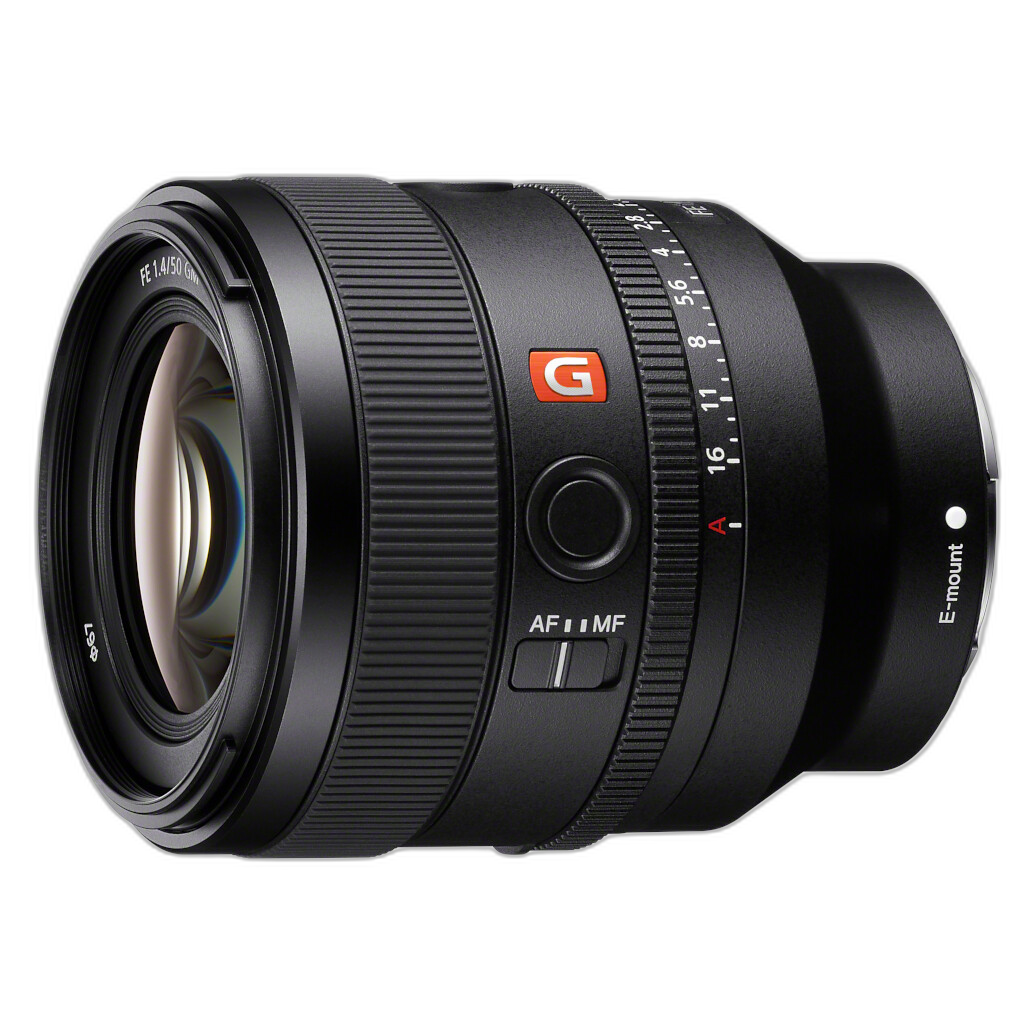
If your portraits are often environmental and you like staying engaged with your subject, a fast normal prime like the Sony FE 50mm F/1.4 GM Lens is an easy lens to prioritize. It gives you a natural perspective, strong subject separation, and the speed needed for low-light indoor sessions. If you frequently step back for tighter framing, compare that kind of prime mindset against a telephoto zoom like the Sony FE 50-150mm F2 GM Lens, which opens up much more framing flexibility for headshots, candid event coverage, and compressed travel details.
Prioritize Aperture Based on Your Actual Assignments
2. For portraits, compare subject separation before zoom range
Portrait specialists should pay especially close attention to maximum aperture in the compare view. A lens like the Sony FE 50mm F/1.4 GM Lens is easy to justify if your goal is shallow depth of field, smoother backgrounds, and strong low-light performance. It is a great priority if you shoot individual portraits, couples, branding sessions, or editorial work where look matters as much as flexibility.
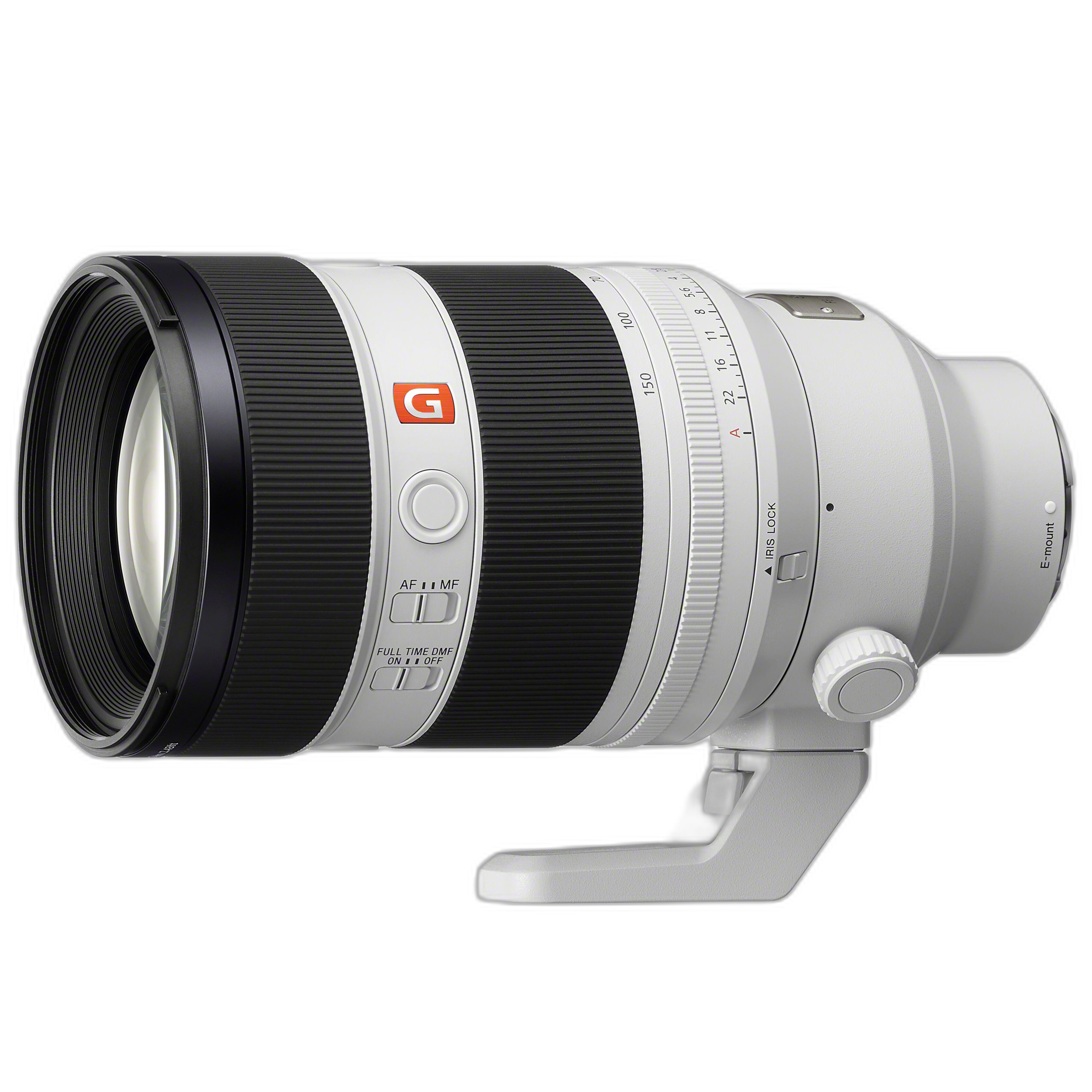
On the other hand, if your portrait work mixes posed frames with fast-moving candid moments, the Sony FE 50-150mm F2 GM Lens may be the more practical first buy. An f/2 aperture across that range is especially compelling for photographers who want flattering compression and speed without constantly swapping lenses during a session.
Budget-conscious shooters can also use comparison tools to decide whether a classic portrait focal length deserves a place in the bag. A used option like the Rokinon AF 85mm f/1.4 Lens for Sony E can make sense if your work leans heavily toward traditional head-and-shoulders portraits and you want maximum background blur without moving into premium pricing.
For Events, Flexibility Usually Wins
3. Compare how often you need to reframe quickly
Event work puts pressure on every lens choice. Receptions, ceremonies, corporate gatherings, and live performances rarely give you time to change lenses at the perfect moment. In Sony Lens Compare Beta, look carefully at how much focal-length coverage you gain versus how much speed or size you give up.
For many event photographers, the Sony FE 50-150mm F2 GM Lens stands out as a high-priority tool because it covers portraits, speeches, dance floor candids, and tighter detail shots in one lens. That kind of range can reduce missed moments, especially in venues where moving around is limited.
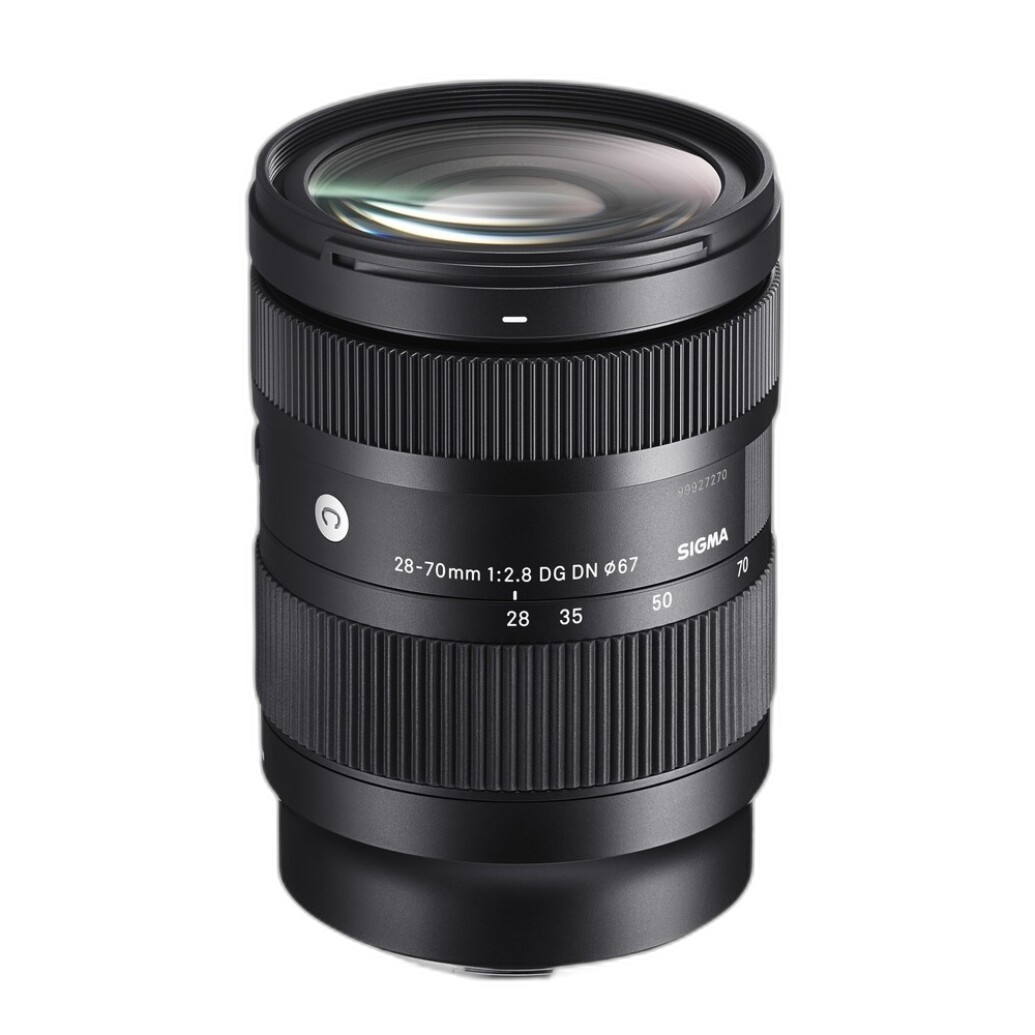
If your event work also includes travel or all-day walkaround shooting, the Sigma 28-70mm f/2.8 Contemporary DG DN Lens for Sony E deserves a serious look in your comparison shortlist. It may not give you the same telephoto reach, but its smaller footprint and versatile range can make it the more practical first purchase for hybrid event and lifestyle photographers.
For Travel, Weight Matters More Than Specs on Paper
4. Use the compare tool to balance reach, speed, and portability
Travel photography rewards restraint. It is tempting to prioritize the lens with the broadest capabilities, but the lens you actually carry all day is the one that gets used. In a compare view, size and weight deserve as much attention as focal length and aperture.
The Sigma 28-70mm f/2.8 Contemporary DG DN Lens for Sony E is a strong travel priority because it covers landscapes, street scenes, food, portraits, and everyday details without weighing down your bag. For photographers who want one lens to do most things well on a trip, this kind of compact standard zoom often makes more sense than building around multiple primes.
If your travel style includes street portraits and evening city scenes, compare that zoom against the Sony FE 50mm F/1.4 GM Lens. A fast 50mm can be a wonderful travel companion for low-light shooting and a more intentional, story-driven approach, though it asks you to compose with your feet more often.
Don’t Overbuy for Rare Scenarios
5. Separate specialty lenses from your everyday priorities
One of the biggest mistakes photographers make is prioritizing a lens for the work they imagine doing someday instead of the work they actually do now. Sony Lens Compare Beta can help reveal when a lens is highly specialized.
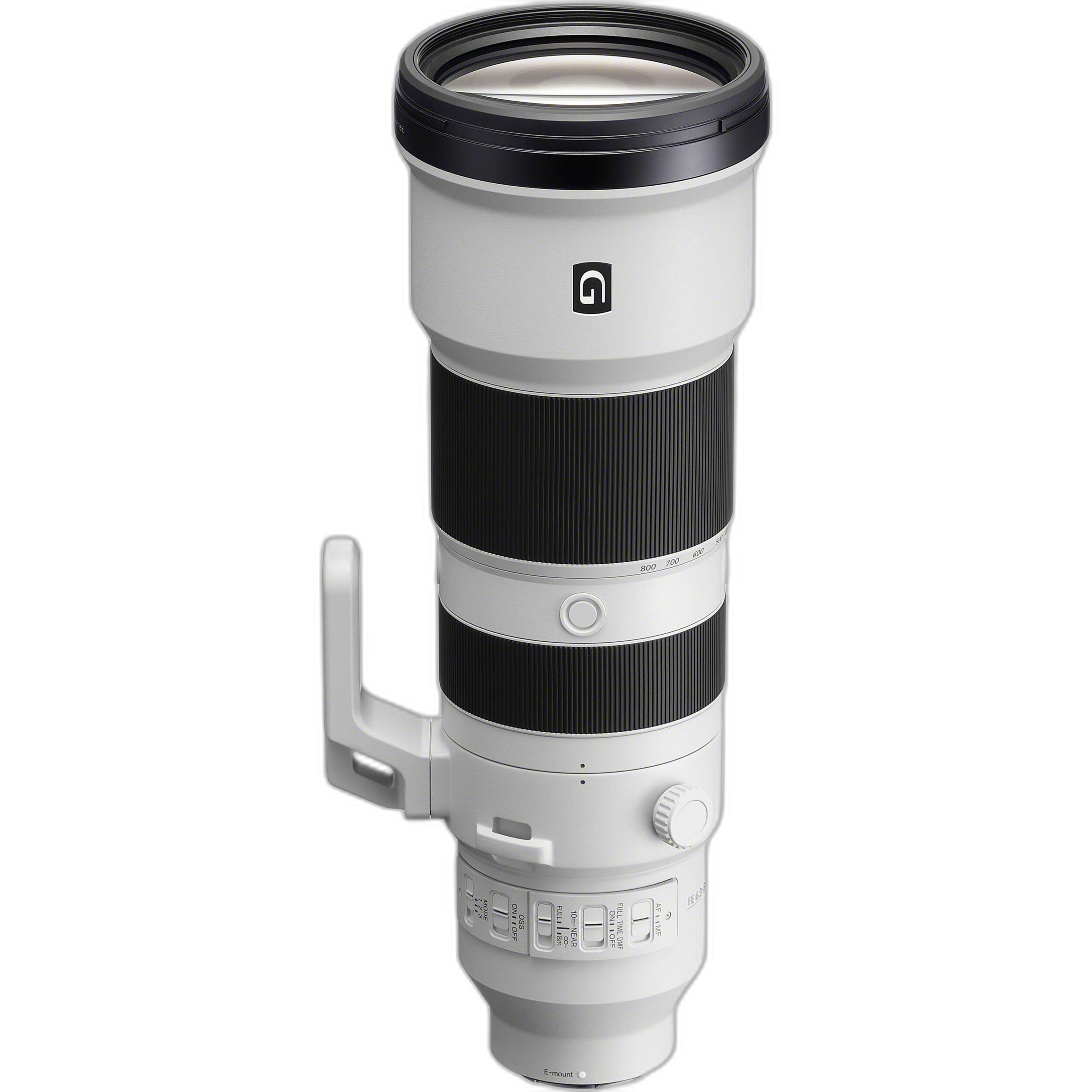
For example, the Sony FE 400-800mm f/6.3-8 G OSS Lens is exciting if you are shooting wildlife, outdoor sports, or distant action, but it would not be a first-priority lens for portrait, event, or general travel photography. It is a great reminder that an impressive spec sheet does not automatically mean high purchase priority for your genre mix.
Think in Kits, Not Single Lenses
6. Choose the lens that best fills the biggest gap in your current setup
The compare process works best when you evaluate lenses as part of a system. If you already own a standard zoom, your next best purchase may be a fast prime for portraits. If you already have a 50mm prime, your next upgrade might be a flexible event zoom.
- If you own only a kit zoom: prioritize either the Sigma 28-70mm f/2.8 Contemporary DG DN Lens for Sony E for all-purpose use or the Sony FE 50mm F/1.4 GM Lens for portrait quality and low light.
- If you already own a 24-70mm-type lens: the Sony FE 50-150mm F2 GM Lens may be the smarter next step for events and portrait compression.
- If portraits are your main income stream: compare a fast 50mm option with an 85mm-style portrait solution and decide whether you need flexibility or a more classic portrait look first.
Video Shooters Should Compare Rendering and Workflow Too
7. If you shoot hybrid, consider cine options differently from still lenses
If your portrait, event, or travel work includes more intentional video production, lens comparison should go beyond focal length and aperture. You may also care about matched rendering, geared rings, and a more cinema-oriented workflow.
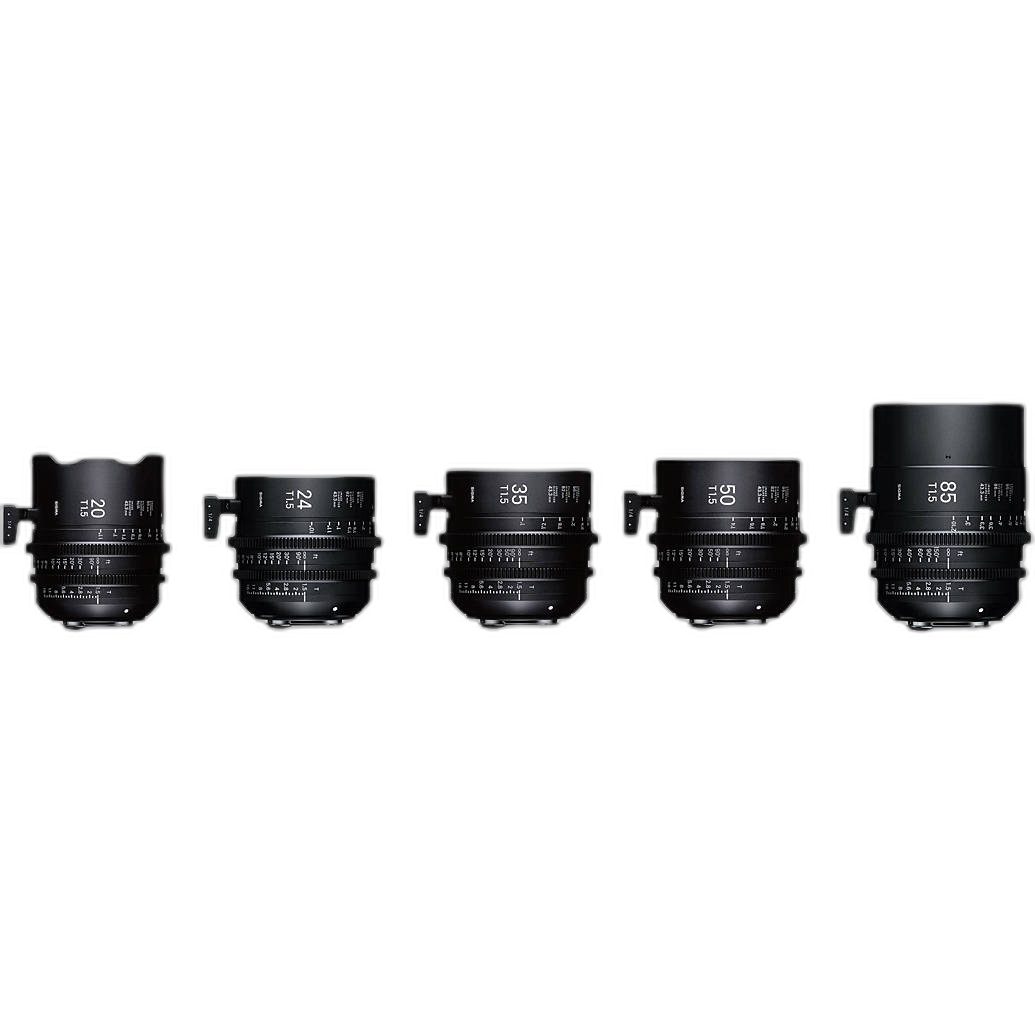
For filmmakers or hybrid creators working on interviews, branded travel films, or controlled productions, products like the Sigma 18-35mm T2 and 50-100mm T2 Fully Luminous Lenses with Case (Sony E) or the Sigma T1.5 FF High-Speed 5 Fully Luminous Prime Lens Kit with Case (Sony E) serve a very different purpose from everyday still-photo lenses. They are not the first recommendation for most casual travel or event shooters, but they can become a priority if your client work leans heavily into cinema capture and consistent lens character across a set.
Use the Compare Tool to Make a Decision, Not Delay One
8. Narrow your shortlist to two lenses max
The best way to use Sony Lens Compare Beta is to reduce your options, not endlessly expand them. Pick two lenses that fit your real shooting needs and compare them directly:
- Portrait priority: Sony FE 50mm F/1.4 GM Lens vs. Sony FE 50-150mm F2 GM Lens
- Event priority: Sony FE 50-150mm F2 GM Lens vs. Sigma 28-70mm f/2.8 Contemporary DG DN Lens for Sony E
- Travel priority: Sigma 28-70mm f/2.8 Contemporary DG DN Lens for Sony E vs. Sony FE 50mm F/1.4 GM Lens
If you keep your comparison focused, the answer usually becomes clear: prioritize the lens that matches your most frequent assignments, your preferred shooting distance, and the amount of gear you realistically want to carry.
Conclusion
Lens shopping gets easier when you stop chasing the most impressive option and start prioritizing the most useful one. Sony Lens Compare Beta can be a smart shortcut for deciding whether you need portrait speed, event flexibility, or travel-friendly portability first. If you are ready to build out your Sony kit, explore these lenses and more at Unique Photo, and choose the one that helps you shoot more confidently on your very next assignment.