Upgrading from a Canon Rebel: What’s the Best Step Up in 2024?
If you’ve been shooting with a Canon Rebel DSLR and feel ready for better image quality, faster autofocus, stronger low-light performance, and a more modern shooting experience, the next step in 2024 is usually less about replacing one Rebel with another and more about choosing the right upgrade path. For most Canon users, that means deciding between stepping into Canon’s mirrorless EOS M system on a budget or investing in better glass for an existing EF-mount setup.
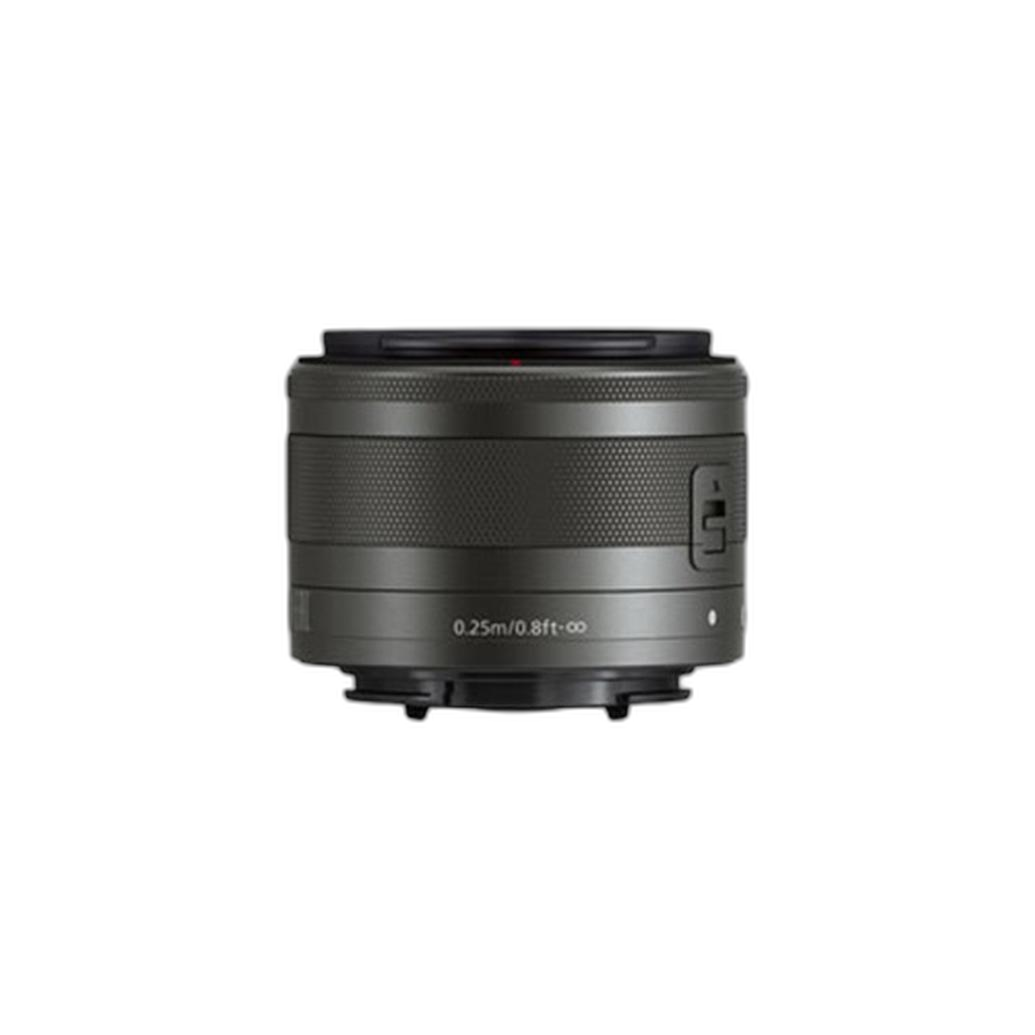
Because the available products here are accessory and lens options rather than current camera bodies, this comparison focuses on two realistic Rebel-upgrade strategies: moving toward a compact mirrorless kit with the Used Canon EF-M 15-45mm f/3.5-6.3 IS STM, or improving image quality and creative flexibility on a Canon Rebel with a faster prime like the Used Sigma 28mm f/1.8 EX DG for Canon EF. We also include the Used Canon FD 50mm f/1.8 Lens as a low-cost legacy option for photographers interested in manual-focus experimentation.
Side-by-Side Comparison
| Product | Mount | Type | Best For | Key Advantage | Main Tradeoff |
|---|---|---|---|---|---|
| Used Canon EF-M 15-45mm f/3.5-6.3 IS STM - Good | Canon EF-M | Standard zoom | Budget mirrorless upgrade path, travel, everyday shooting | Compact size, versatile range, image stabilization | Not compatible with Canon Rebel DSLRs without changing systems |
| Used Sigma 28mm f/1.8 EX DG for Canon EF - Good | Canon EF | Fast prime | Rebel users who want better low-light performance and subject isolation | Bright f/1.8 aperture for a major creative upgrade | Less flexible than a zoom |
| Used Canon FD 50mm f/1.8 Lens - Good | Canon FD | Manual-focus prime | Adapters, vintage rendering, learning manual shooting | Affordable legacy lens character | Not native to Rebel bodies; requires adapter and manual operation |
What Rebel Users Usually Want from an Upgrade
Most photographers moving up from a Canon Rebel are looking for one or more of the following:
- Better low-light performance
- Sharper results and better background blur
- Faster, more confident autofocus
- A smaller or more travel-friendly setup
- A lens that feels more “serious” than the basic kit zoom
That’s why these three options represent very different upgrade philosophies. One helps you move systems, one improves your current DSLR immediately, and one opens the door to vintage manual shooting.
Best for Staying with Your Rebel: Sigma 28mm f/1.8 EX DG for Canon EF
If you already own a Canon Rebel and want the most practical step up without replacing your camera body, the Used Sigma 28mm f/1.8 EX DG for Canon EF is the strongest option in this comparison. A fast prime changes the shooting experience far more than many beginners expect. Compared to a typical kit lens, an f/1.8 aperture can give you dramatically better indoor performance and much more separation between your subject and background.
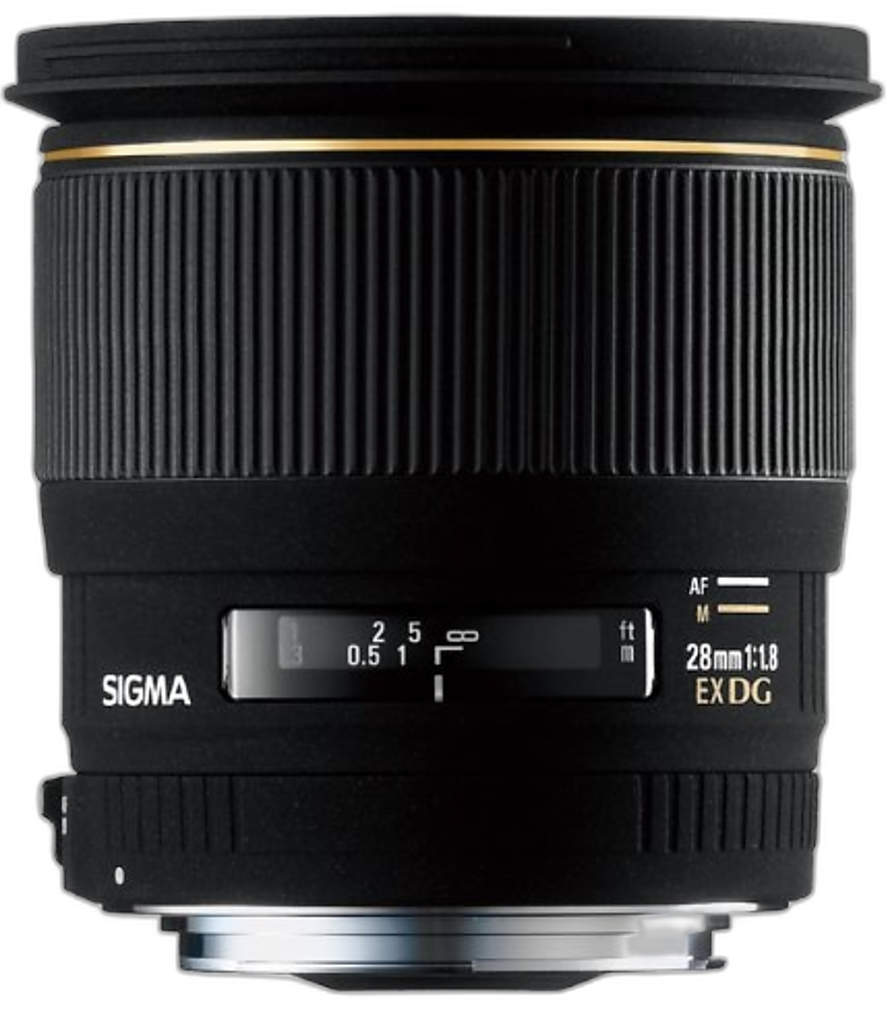
On most Canon Rebel APS-C bodies, 28mm behaves like a normal-to-slightly-wide everyday focal length. That makes it useful for portraits in context, street shooting, family photos, food, and casual travel work. If your biggest frustration with your Rebel is that your photos still look too much like “kit lens photos,” this is the kind of upgrade that can make your images feel more intentional.
Why it’s compelling:
- Native Canon EF compatibility for many Rebel bodies
- Fast aperture for low light and shallow depth of field
- A meaningful image-style upgrade without changing camera systems
Potential downside: You give up zoom convenience. If you rely on one lens to do everything, a prime takes adjustment.
Best for a Smaller Mirrorless Setup: Canon EF-M 15-45mm f/3.5-6.3 IS STM
If your Rebel feels too bulky and you want a lighter everyday setup, the Used Canon EF-M 15-45mm f/3.5-6.3 IS STM represents a different kind of step up: portability and convenience. It’s a compact standard zoom for Canon EF-M mirrorless cameras, making it attractive for photographers who want to leave DSLR bulk behind.
This is not a direct lens upgrade for a Rebel body. Instead, it’s part of a broader move away from the DSLR experience. The focal range is versatile for walkaround shooting, and the stabilization helps for handheld photos and casual video.
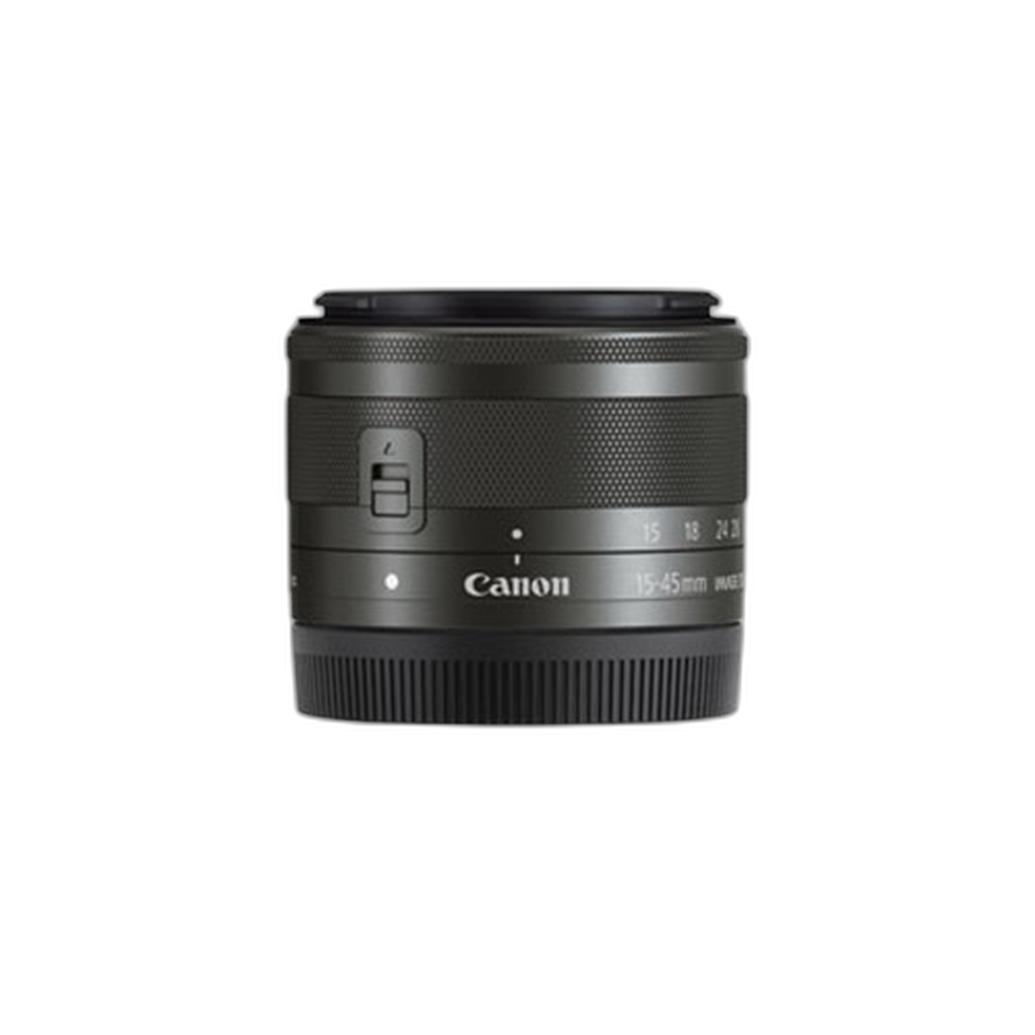
For photographers whose main complaint about the Rebel is size, weight, or old-school handling, this kind of lens makes sense only if you’re committing to an EF-M mirrorless body. If your goal is simply better image quality or more creative control, though, a faster EF lens on your current Rebel may be a smarter first investment.
Why it’s compelling:
- Very compact and travel-friendly
- Versatile everyday zoom range
- Image stabilization adds flexibility
Potential downside: It’s tied to the EF-M mount, so it’s a system-change option rather than a direct Rebel upgrade.
Best for Experimenters: Canon FD 50mm f/1.8
The Used Canon FD 50mm f/1.8 Lens is the wildcard. It’s not the easiest or most straightforward recommendation for Rebel owners, but it can be an interesting upgrade for photographers who want to explore vintage character, manual focus, and adapted-lens shooting.
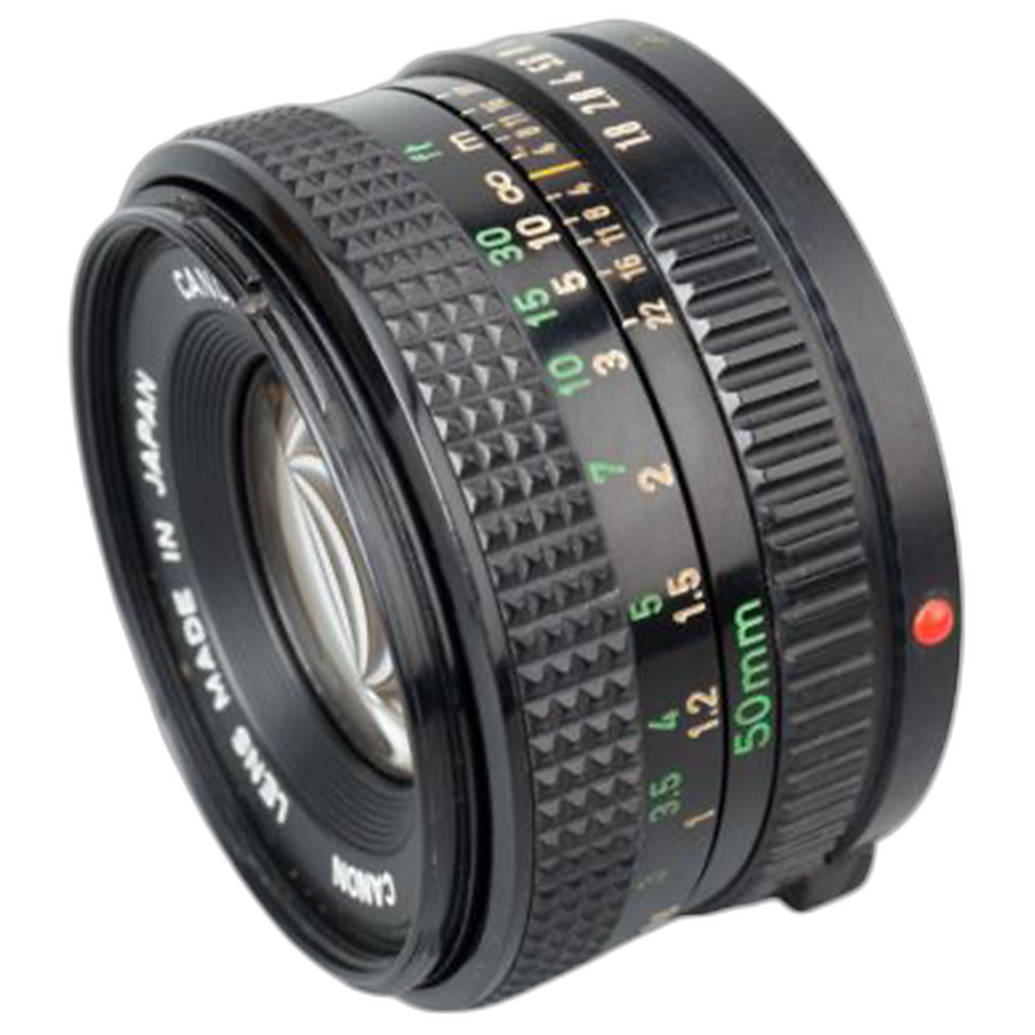
Because it uses the older Canon FD mount, this lens is not a native fit for Canon Rebels. Using it generally requires an adapter, and the shooting experience is fully manual or close to it depending on your setup. That makes it less ideal for someone looking for a simple next step, but potentially very rewarding if you enjoy slowing down and learning more deliberate technique.
Why it’s compelling:
- Classic 50mm perspective
- Vintage-lens character and value appeal
- Good way to learn manual focus and exposure fundamentals
Potential downside: Least convenient choice here, and not the best fit for photographers wanting modern ease of use.
Category-by-Category Analysis
Ease of Upgrade
The Sigma 28mm f/1.8 wins. It’s the most direct path for current Rebel owners because it works within the Canon EF ecosystem. The EF-M 15-45mm requires a move into a different mount, while the FD 50mm adds adapter complexity and manual shooting.
Image Quality Potential
For the biggest visible leap in everyday photography, the Sigma is the standout thanks to its fast f/1.8 aperture. It offers stronger subject isolation and better low-light capability than a basic zoom. The EF-M zoom is practical and versatile, but not as transformative creatively. The FD 50mm can produce beautiful results, but it depends more on user skill and adapted setup.
Portability
The Canon EF-M 15-45mm is the best choice if compactness is your top priority. It supports a much lighter mirrorless style of shooting. The Sigma is likely the more substantial lens, while the FD option varies based on adapter use and body pairing.
Versatility
The EF-M 15-45mm wins for focal-range flexibility. It can cover wide to short telephoto needs in one lens. The Sigma and FD are both primes, which means you compose with your feet and commit to a single angle of view.
Value for Rebel Owners
For photographers keeping their Rebel in service, the Sigma 28mm f/1.8 offers the best overall value because it addresses the most common reason people feel they’ve outgrown a beginner DSLR: lens limitations. A better lens often does more for your photography than a modest body upgrade alone.
Our Pick
Our Pick: Used Sigma 28mm f/1.8 EX DG for Canon EF - Good
For most photographers upgrading from a Canon Rebel in 2024, this is the best step up among the options listed here. It improves what matters most right away: low-light performance, creative depth of field, and overall image character, all while letting you keep using your current Canon Rebel body. It’s the most practical, most impactful, and most cost-effective upgrade path in this comparison.
Conclusion
If you’re moving up from a Canon Rebel, the best step up depends on whether you want to improve your current DSLR kit or move toward a smaller mirrorless setup. The Sigma 28mm f/1.8 EX DG for Canon EF is the strongest recommendation for most Rebel owners who want an immediate and meaningful improvement. The Canon EF-M 15-45mm makes more sense if your priority is portability and you’re ready to change systems, while the Canon FD 50mm f/1.8 is best reserved for enthusiasts who want a vintage manual-focus experience.
If you’re considering your next Canon upgrade, Unique Photo is a great place to compare used lenses, accessories, and system-building options that match your budget and shooting style.