Trustworthy Photography Opportunities vs. Contest Scams
Photographers regularly compare notes about contests, calls for entry, portfolio reviews, online communities, and educational events because not every opportunity is worth the entry fee. Some contests offer real exposure, respected judges, and meaningful prizes, while others feel more like pay-to-play marketing funnels. When photographers share their own experiences, the same advice comes up again and again: look for transparency, judge credibility, clear usage rights, realistic fees, and actual value beyond a badge or email blast.
In this comparison, we are looking at two broad paths photographers often weigh against each other: paying for uncertain contest opportunities versus investing in trustworthy education, discussion, and community-building resources. Using a few representative options from Unique Photo and Rocky Nook, we can compare what photographers typically gain from each route and why many experienced shooters recommend skill-building and peer discussion before spending heavily on competitions.
Side-by-Side Comparison
| Option | Type | Best For | Main Value | Risk Level | What You Can Verify |
|---|---|---|---|---|---|
| Photography Contest with Entry Fee | Competitive submission | Photographers seeking awards or recognition | Potential exposure, prizes, publication | Varies widely | Judges, rights terms, past winners, fees, reputation |
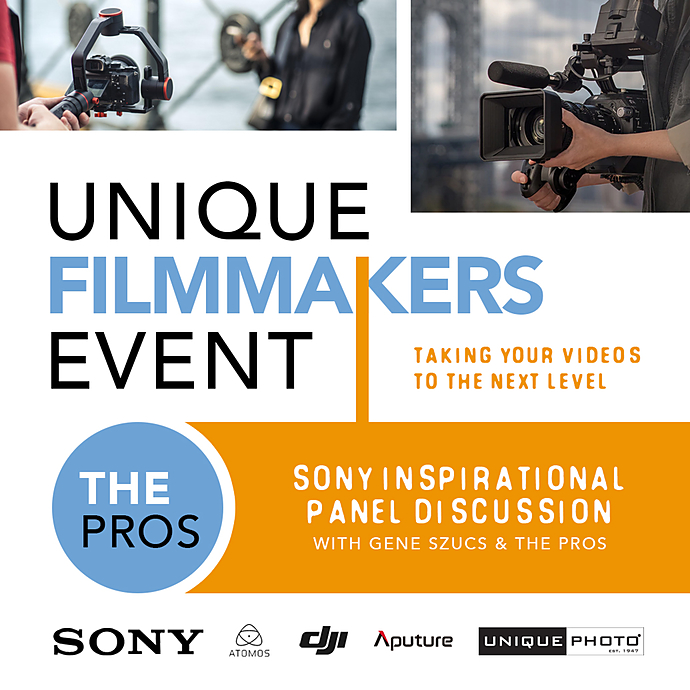
| Sony Inspirational Panel Discussion with Gene Szucs and the Pros | Panel discussion | Photographers wanting insight from working pros | Real-world perspectives and industry guidance | Low | Host, speakers, format, educational purpose |
| PCS: Discussing Concert Photography with Ricky Shoebio | Discussion/class | Photographers exploring a specialty niche | Practical experience from a named instructor | Low | Topic, presenter, retailer, intended audience |
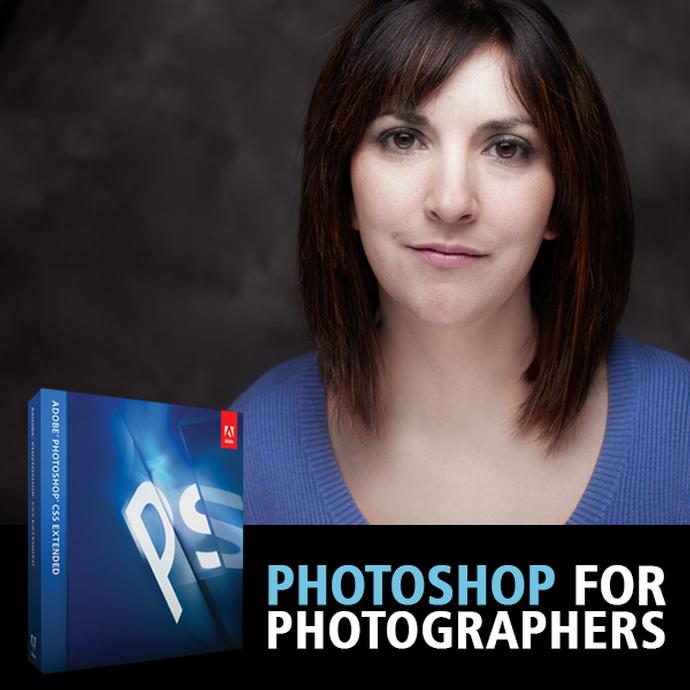
| Photoshop for Photographers with Adobe Certified Instructor Blake Taylor | Class | Photographers wanting concrete editing skills | Direct workflow improvement | Low | Instructor credentials, class focus, seller reputation |
| Video for Photographers with Shiv Verma | Class | Still photographers expanding into hybrid work | Career-relevant technical instruction | Low | Instructor, curriculum angle, retailer trust |
| UUOnline (Free): Photographers and Relationships with Mike Grippi | Free online event | Photographers seeking community advice | No-cost access to experience and discussion | Very low | Host, topic, event details |
| Filmmaking Essentials for Photographers | Book | Self-directed learners | Lasting reference material | Low | Publisher, author, subject matter |
| 50 Things Photographers Need to Know About Focus | Book | Photographers improving technical fundamentals | Specific skill development | Low | Author, publisher, topic clarity |
Why Photographers Are Skeptical of Some Contests
The biggest red flags photographers mention are familiar: vague judging criteria, endless add-on fees, rights-grabbing terms, and contests that seem to crown hundreds of winners just to sell more upgrades, prints, or badges. A trustworthy contest should tell you exactly who is judging, how images are evaluated, what winners receive, and what usage rights the organizer claims. If that information is buried, broad, or missing, many photographers will walk away.
Another issue is return on investment. Even legitimate contests may not help your career if the audience is small, the recognition is niche, or the prize package is mostly promotional language. That is why photographers often compare contest fees against alternatives like classes, books, and workshops that deliver more predictable value.
What Trustworthy Opportunities Usually Share
Reliable opportunities are typically transparent and specific. They identify real educators, publishers, speakers, or judges. They explain what you will learn or gain. They are also easier to research through retailer reputation, instructor credentials, and community feedback. Educational products and events usually do not promise fame; they promise knowledge, access, and perspective. That difference matters.
Category-by-Category Analysis
1. Transparency
Contests can be hard to evaluate when organizers use broad claims like “global exposure” without naming partners, publications, or jurors. By contrast, offerings such as Photoshop for Photographers with Adobe Certified Instructor Blake Taylor are straightforward. You know the instructor, the subject, and the expected takeaway. That makes it much easier to decide whether your money is being spent wisely.
2. Practical Value
A contest may or may not result in a résumé line or social post. A focused class or book often gives immediate practical benefit. For example, 50 Things Photographers Need to Know About Focus John Greengo targets one of the most important technical foundations in photography. Better focusing technique can improve every shoot you do going forward, which is a far more dependable payoff than a speculative submission fee.
3. Career Relevance
Many photographers now need hybrid skills, not just still-image awards. PCS: Video for Photographers with Shiv Verma speaks directly to that shift, helping photographers grow into video workflows that are increasingly requested by clients. If you are deciding between entering a contest and expanding a service you can actually sell, education often wins that comparison.

4. Community and Peer Experience
Photographers also learn a great deal from hearing honest stories from other shooters. Events like the Sony Inspirational Panel Discussion with Gene Szucs and the Pros or UUOnline (Free): Photographers and Relationships with Mike Grippi can provide something contests usually do not: nuanced, real-world discussion. These conversations often cover client relationships, creative development, motivation, and professional survival. That kind of advice can save more money than a risky contest entry ever will.
5. Specialty Learning vs. General Prestige
When photographers are tempted by a contest because they want validation, it is worth asking whether niche education would produce a better outcome. PCS: Discussing Concert Photography with Ricky Shoebio is a good example of a specialized opportunity. If concert photography is your interest, targeted instruction and discussion can help you build access, workflow, and portfolio quality in a way a generic contest simply cannot.
6. Long-Term Reference Value
Books can be an especially strong alternative to questionable contests because they remain useful after the initial purchase. Filmmaking Essentials for Photographers by Eduardo Angel offers a reference point for photographers branching into motion, while a title like Marco Polo: A Photographers Journey by Michael Yamashita can serve as inspiration and a reminder of what sustained visual storytelling looks like in practice.
How to Evaluate a Contest Before Spending Money
Photographers who have had both good and bad experiences tend to use the same checklist before entering:
- Research the judges: Are they real, relevant, and respected in the field?
- Read the rights terms: Avoid contests that claim overly broad, perpetual, unrestricted use of your images without meaningful compensation.
- Study past winners: Were they actually promoted? Is the quality level consistent?
- Check the fee structure: Beware of excessive category stacking, upsells, and “winner packages.”
- Look for independent discussion: Search forums, reviews, and photographer groups for actual experiences.
- Ask what success means: Will this help you get clients, grants, gallery attention, or industry visibility?
- Compare alternatives: Could the same budget improve your skills, portfolio, or network more reliably?
Our Pick
Our Pick: Invest in transparent education and community-first opportunities before paying for speculative contests.
If your goal is dependable growth, options like Photoshop for Photographers with Adobe Certified Instructor Blake Taylor, PCS: Video for Photographers with Shiv Verma, and UUOnline (Free): Photographers and Relationships with Mike Grippi are the better bet. They offer clearer value, lower risk, and more immediate benefits than many fee-based contests. Among them, the strongest overall value is the combination of a practical skills class plus a free community discussion, because that mix improves both your craft and your decision-making.
Conclusion
Photography contests are not automatically scams, but they should be approached with the same care you would give any professional investment. The most trustworthy opportunities are transparent, specific, and easy to verify. For many photographers, classes, books, and panel discussions provide a better return than uncertain competitions, especially when the goal is to sharpen skills, build confidence, and connect with credible voices in the industry. If you are weighing where to invest next, Unique Photo offers a range of educational events and resources that make that decision easier.