When you want smoother handheld video, the big question usually comes down to support versus motion: should you use a tripod/monopod-style support, or a gimbal? The truth is that neither is universally “better” for every shoot. A monopod can add stability, reduce fatigue, and make controlled tilts and pans much easier, while a gimbal is designed to keep moving shots fluid and cinematic. If you regularly shoot events, travel clips, interviews, sports, or social content, knowing when to choose each tool can make your footage look more intentional right away.
Below are practical tips to help you decide which option fits your shooting style, subject, and gear.
Understand What Each Tool Does Best
1. Choose a monopod when you want stability without giving up mobility
A video monopod is often the sweet spot between fully handheld shooting and a locked-off tripod setup. It helps absorb small body movements, supports heavier camera rigs, and still lets you reposition quickly. For event coverage, sideline shooting, ceremonies, and long-lens work, a monopod is often easier to live with than a full tripod.
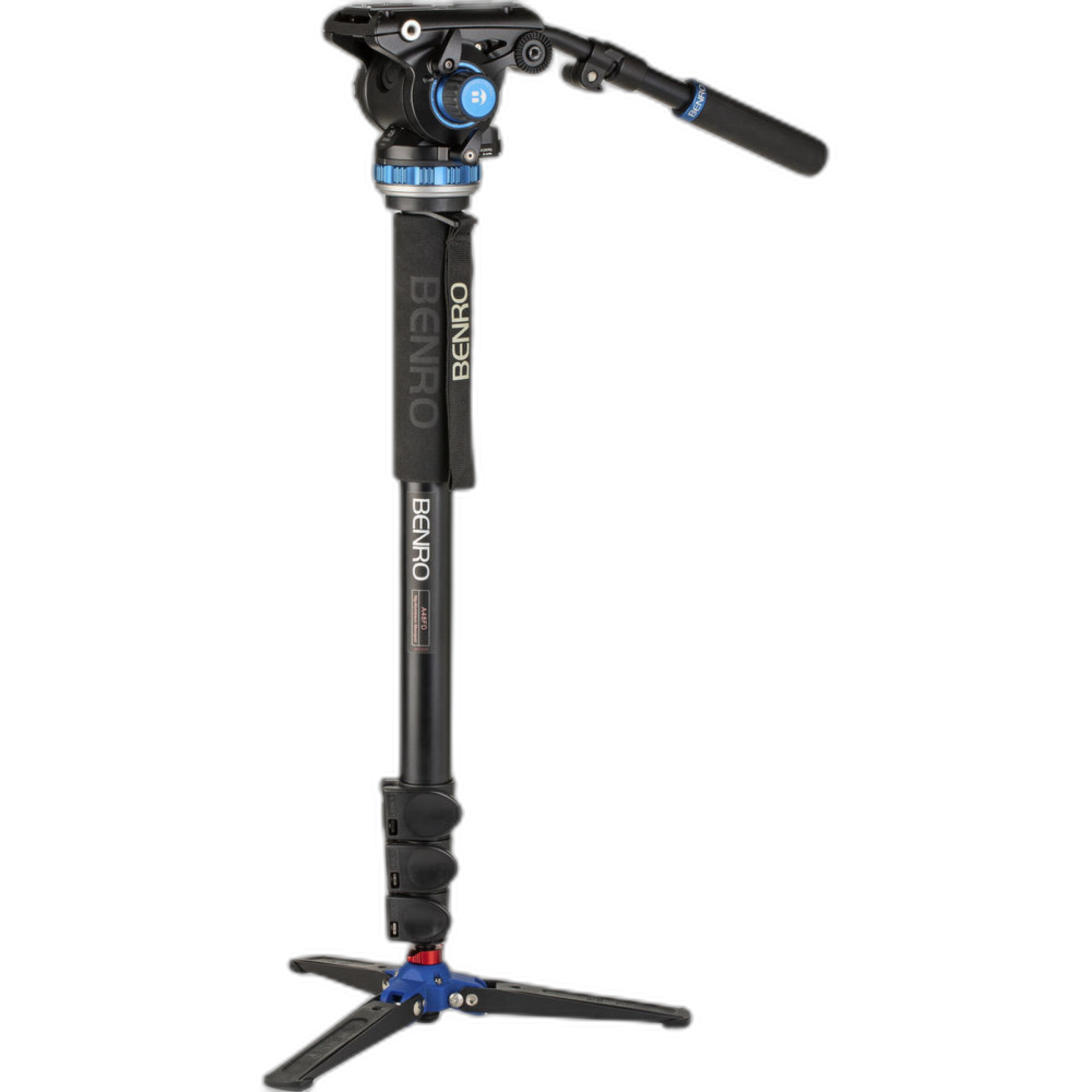
The Benro A48FDS6PRO Aluminum Video Monopod with S6PRO Head is a great example of this approach because it combines the compact footprint of a monopod with a video head designed for smoother camera movement. If you need a slightly lighter setup, the Benro A48FDS4PRO Aluminum Video Monopod with S4PRO Head fits the same style of shooting well.
2. Choose a gimbal when motion is the shot
If your shot involves walking, tracking a subject, circling a scene, or creating floating movement through a space, a gimbal usually wins. A good handheld gimbal actively stabilizes the camera while you move, which is why it’s so popular for weddings, travel films, real estate walkthroughs, and creator content.
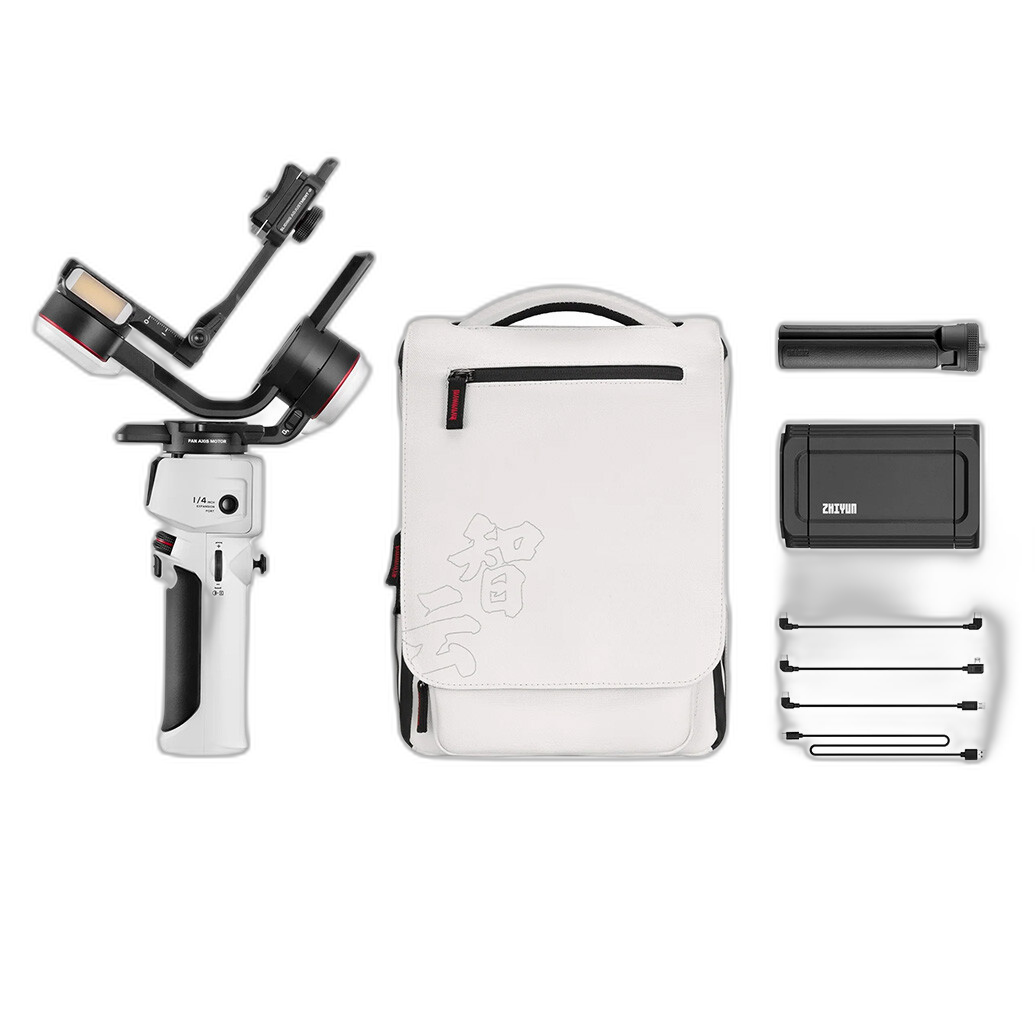
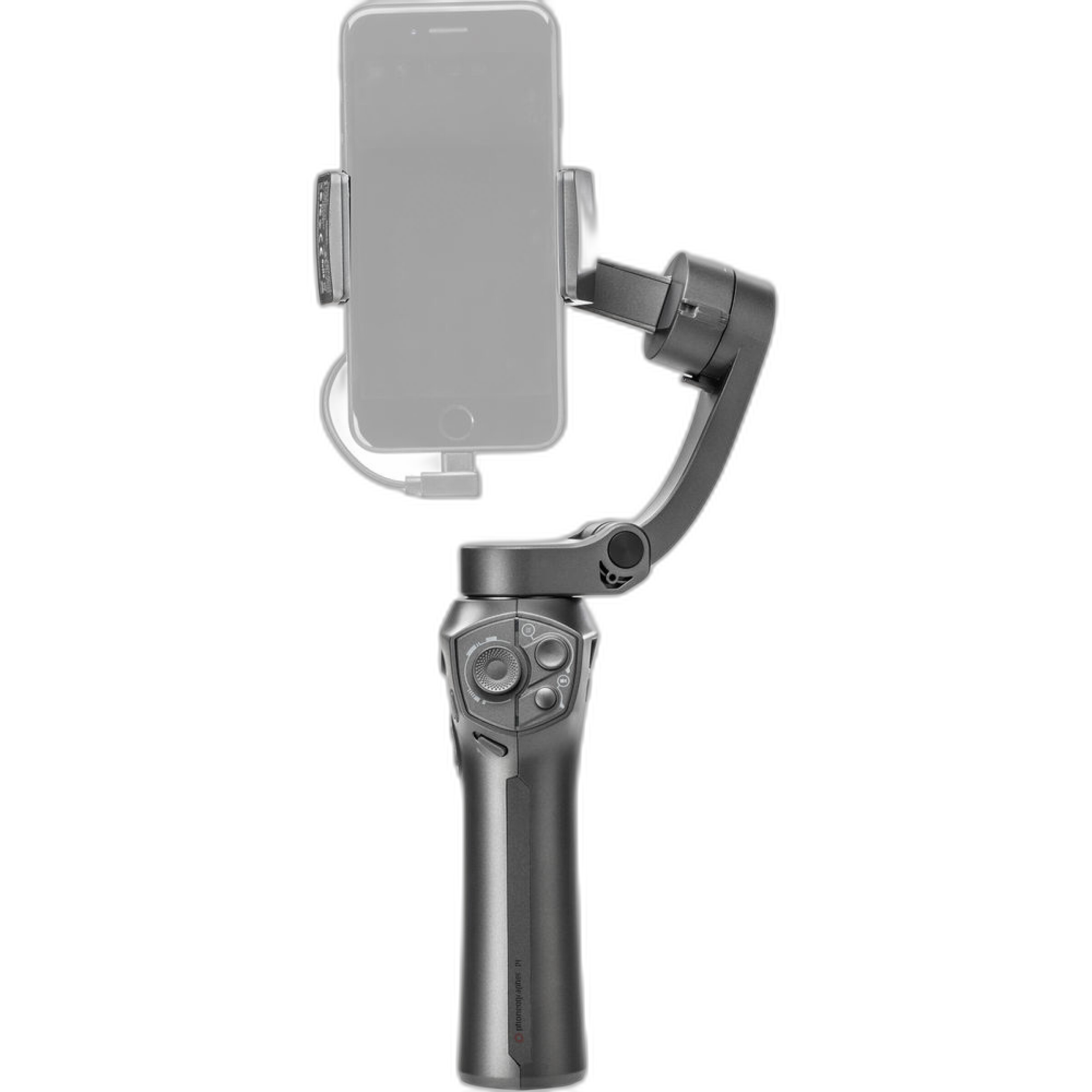
The Zhiyun CRANE M3S Handheld Gimbal Stabilizer Combo makes sense when you want those smooth moving shots without the micro-jitters that come from unsupported handheld work. For smartphone creators, the Benro 3 Axis Handheld Gimbal for Smartphone can be an easy way to elevate casual-looking phone video into something more polished.
Match the Support to Your Shooting Situation
3. For sports, wildlife, and long sessions, a monopod often feels more practical
When you’re holding a camera for extended periods, especially with a heavier lens, a monopod can save your arms and improve consistency. It won’t give you the floating movement of a gimbal, but it can help you stay ready for long stretches and react quickly. That makes it a strong option for field sports, birding, performances, and documentary-style coverage.
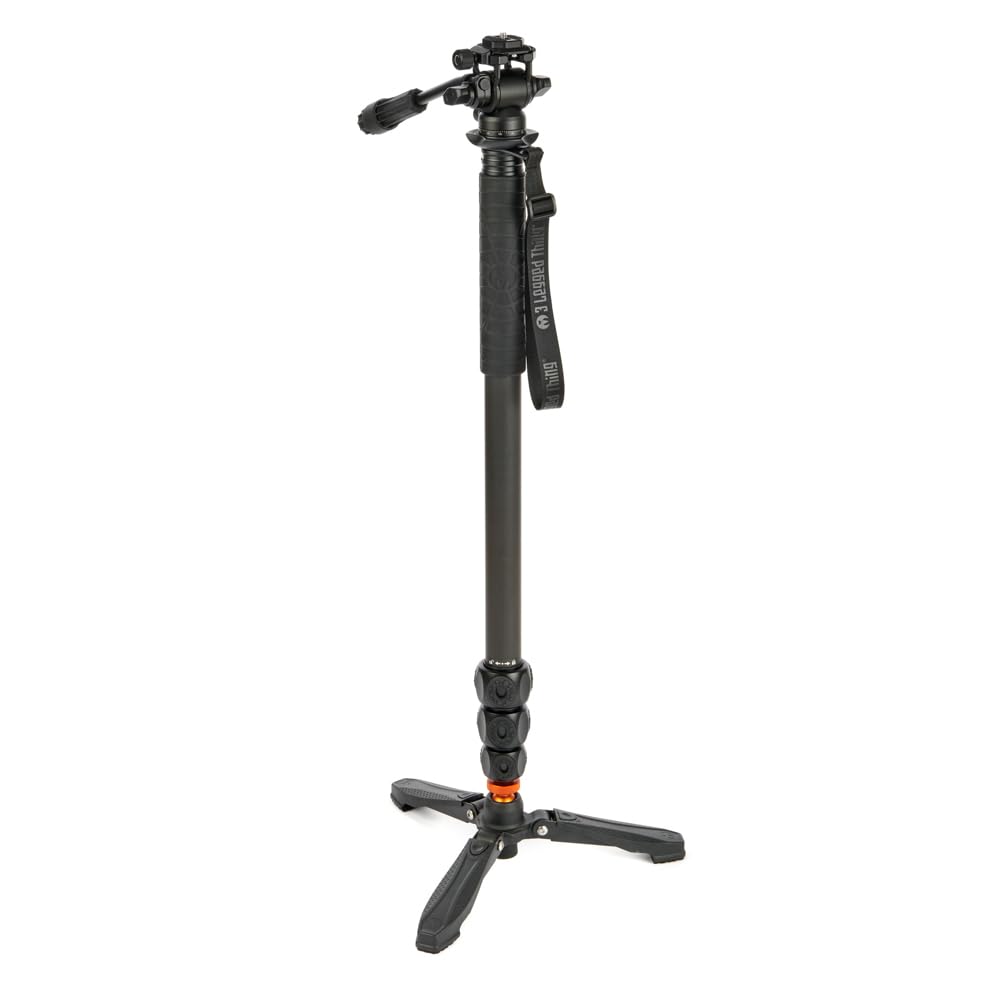
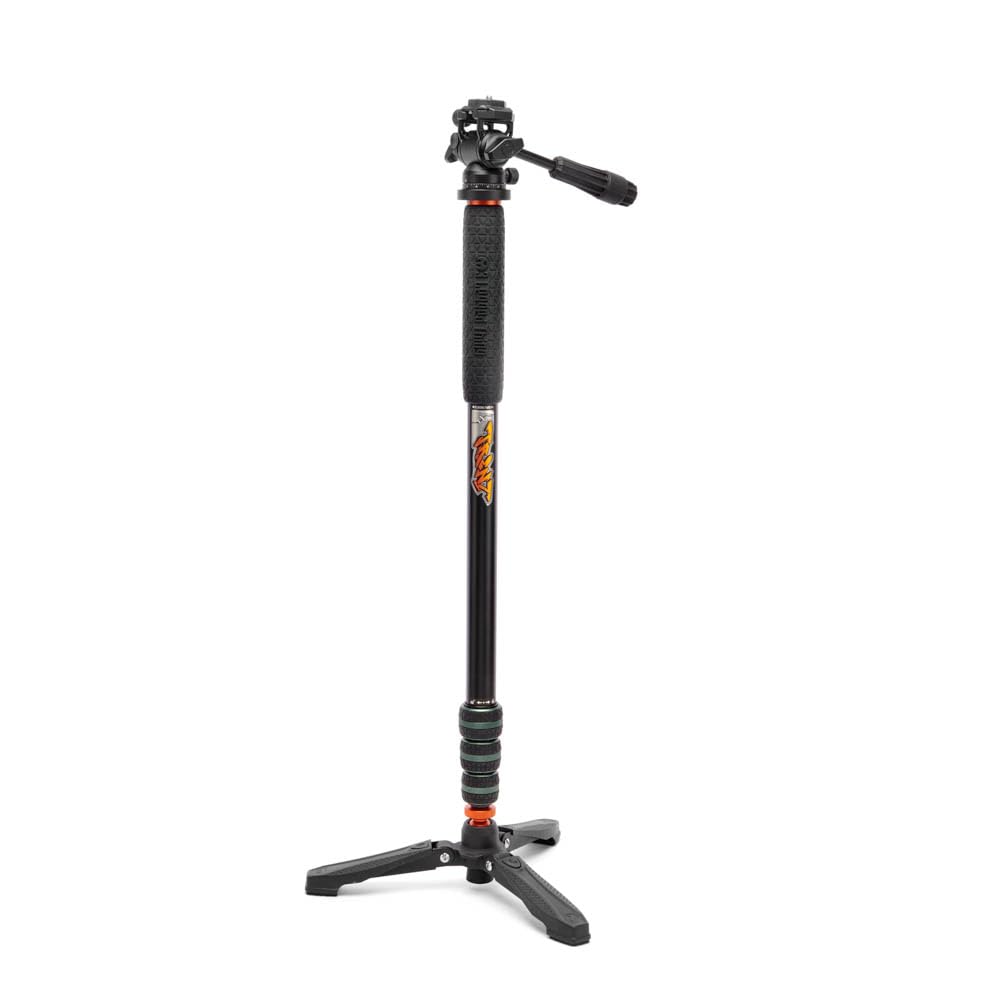
Options like the 3 Legged Thing Lance Carbon Fiber Monopod Super Kit with Video Head and DocZ or the 3 Legged Thing Alana Carbon Fiber Monopod Super Kit with Video Head and DocZ are especially appealing when you want a travel-friendly build with video-oriented support. Carbon fiber designs can be helpful if weight matters during all-day shoots.
4. For weddings, real estate, and dynamic B-roll, a gimbal usually creates the better look
If your goal is to glide through a room, follow a couple down an aisle, or reveal a subject with a smooth push-in, a gimbal will usually deliver a more modern cinematic feel. This is where the difference becomes obvious: a monopod stabilizes your position, but a gimbal stabilizes your movement.
That’s why tools like the Zhiyun CRANE M3S Handheld Gimbal Stabilizer Combo are so often chosen for creative B-roll and motion-heavy storytelling. If your clients or audience expect sleek movement, a gimbal is often the better fit.
Think About Camera Weight, Setup Time, and Ease of Use
5. Pick a monopod if you want faster setup and fewer balancing steps
One of the biggest advantages of a monopod is simplicity. You can extend it, plant it, and start shooting quickly. There’s no balancing process, no battery dependence for stabilization, and usually less to troubleshoot under pressure. For news, live events, and fast-paced productions, that matters.
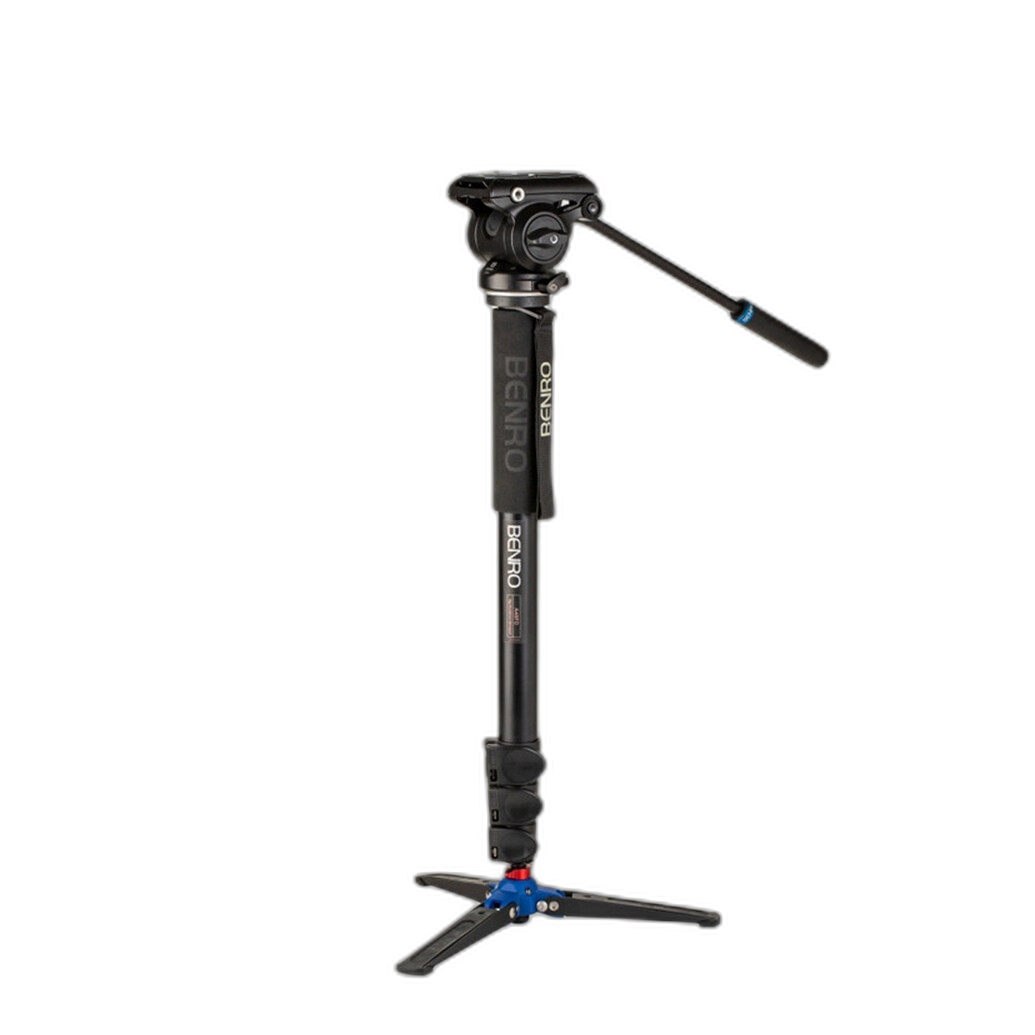
The Benro A48FDS4PRO Aluminum Video Monopod with S4PRO Head and Benro A48FDS6PRO Aluminum Video Monopod with S6PRO Head are good examples of support systems that let you move quickly while still keeping footage more controlled than pure handheld.
6. Pick a gimbal if you’re willing to trade speed for smoother movement
Gimbals often require balancing, battery management, and a little more planning. But in return, you get motion that would be difficult to mimic by hand. If your shoot has time for setup and you know moving shots are essential, that tradeoff is often worth it.
The key is being realistic: if you need to go from location to location fast and grab quick clips, a monopod may actually get you better results because it’s easier to deploy. If your shot list is built around motion, the gimbal earns its place.
Don’t Overlook Fatigue and Shooting Comfort
7. A monopod can be easier on your body during long shoots
Holding a camera out in front of you on a gimbal for long periods can get tiring fast. Monopods shift some of that burden away from your arms, which can help you stay steadier and shoot longer with less strain. That matters for conferences, graduations, recitals, and outdoor events.
If comfort is a priority, kits like the 3 Legged Thing Trent 2.0 Magnesium Monopod Super Kit with Video Head and Doc offer another route for shooters who want support and flexibility in a portable form.
8. A gimbal shines when your body movement is part of the creative technique
A gimbal doesn’t remove the need for good technique; it changes it. You still need to walk carefully, control starts and stops, and plan your path. But if you enjoy building shots through movement, a gimbal becomes a creative tool as much as a stabilizer.
For solo creators and hybrid shooters, that can be a major advantage. A compact model like the Zhiyun CRANE M3S Handheld Gimbal Stabilizer Combo can open up shots that simply look more premium than standard handheld clips.
The Best Answer May Be Based on Your Primary Deliverable
9. For interviews and coverage, lean toward monopods and support-first tools
If your final deliverable is focused on coverage, reliability, and keeping subjects framed cleanly, a monopod is often the safer choice. It helps you hold composition, make controlled adjustments, and avoid the overly “floaty” look when the shot doesn’t call for movement.
That’s one reason video monopods remain so popular with event shooters and videographers who need dependable support without the space demands of a full tripod.
10. For social video and cinematic sequences, lean toward a gimbal
If the end goal is eye-catching movement, stylish transitions, and immersive camera travel, a gimbal probably fits better. This is especially true for short-form content, travel reels, and branded clips where visual energy matters as much as subject matter.
Even smartphone shooters can benefit here. The Benro 3 Axis Handheld Gimbal for Smartphone is a practical example of how mobile creators can get noticeably smoother footage without moving into a larger camera setup.
Final Verdict: Which Is Better?
If you shoot mostly from one spot, need support for longer lenses, or want a fast, dependable stabilization solution, a monopod is often the better choice for handheld video shoots. If your style depends on moving shots and cinematic motion, a gimbal is usually the better investment. For many creators, the real answer is that both tools serve different jobs.
If you’re building your video kit, think first about how you actually shoot, not just what looks impressive on paper. The right support system can make your footage smoother, your workflow easier, and your shoot less tiring. Explore options at Unique Photo to find the monopod or gimbal that best matches your camera, your subjects, and your shooting style.