GoPro Hero vs. DJI Osmo Action: Which Action Camera Is Better for Vlogging and Travel?
Choosing between a GoPro Hero and a DJI Osmo Action is one of the most common decisions travel creators face. Both are compact, rugged, and capable of excellent footage, but the right pick depends on how you shoot: handheld walk-and-talk vlogs, low-light city scenes, action-heavy travel days, or simple grab-and-go clips with dependable audio.
At Unique Photo, we recommend looking beyond headline specs and focusing on stabilization, sound, battery endurance, and how reliable the camera feels when you are on the move. Here is a practical FAQ to help you decide.
Which action camera is better for stabilization?
Both the GoPro Hero line and DJI Osmo Action cameras offer impressive electronic stabilization, and for most travel footage, either system can produce smooth handheld video. GoPro is often favored by creators who want a very polished, ultra-steady look straight out of camera, especially for walking shots, biking, or dynamic movement. DJI Osmo Action models are also highly competitive and tend to deliver excellent stabilization that feels natural for casual vlogging and travel clips.
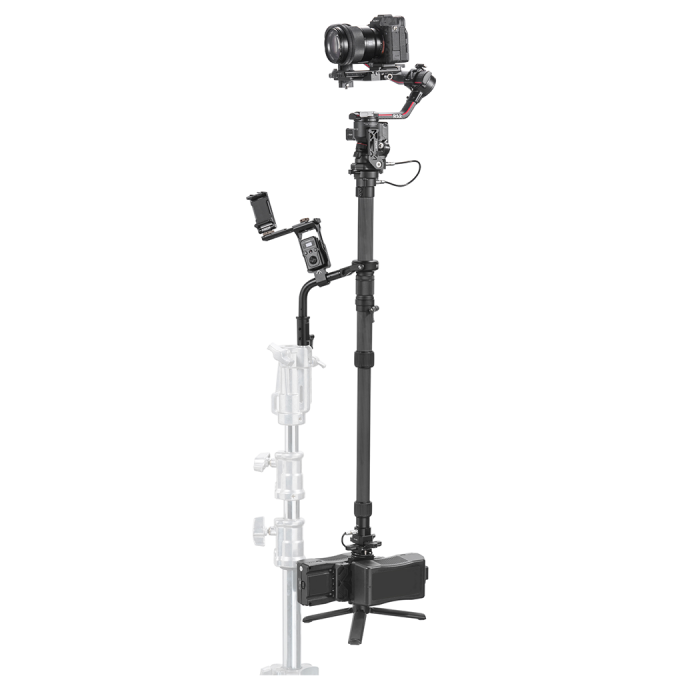
If your shooting style involves more than basic handheld use, stabilization is also about your overall rig. For creators stepping up from an action camera to a larger mirrorless setup for travel films or hybrid content, support tools can make a major difference. The Tilta Float Handheld Gimbal Support System is a more advanced option for extended stabilized shooting with compatible DJI RS systems.
For pure action-camera simplicity, the advantage usually comes down to which footage rendering you prefer. If you want the most aggressively smoothed image, GoPro often gets the nod. If you want strong stabilization with a user-friendly travel-oriented experience, DJI remains a very strong choice.
Which model has better low-light video quality?
Low-light performance is a weak point for most action cameras compared to larger-sensor mirrorless cameras, but there are still differences worth noting. In dim restaurants, nighttime streets, and indoor attractions, the camera that handles noise, motion, and highlight control more gracefully will usually be the better travel companion.
Generally, neither platform is ideal for very dark scenes, but DJI Osmo Action models are often praised for balanced image processing in mixed lighting, while GoPro can deliver punchy, contrasty footage that looks great in daylight but may require more careful settings in darker environments. For travel vloggers, the best low-light results come from managing expectations: slow your movement, avoid very high frame rates at night, and look for available practical light.
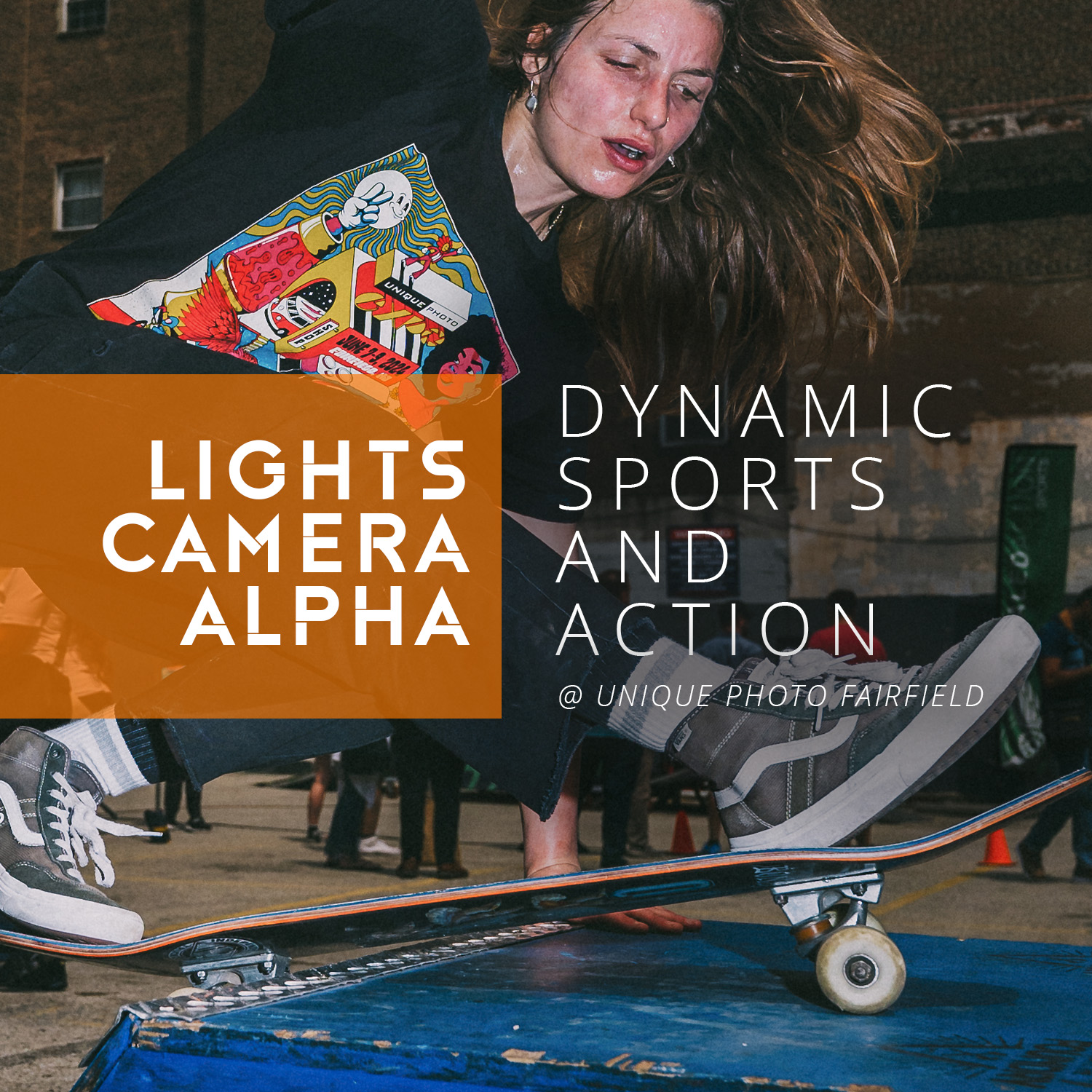
If your content is educational and you want to improve your action and sports shooting technique overall, Unique Photo also offers resources like Lights, Camera, ALPHA: Dynamic Sports and Action Photography, which can help creators better understand timing, movement, and action-focused composition.
How good is the built-in audio on GoPro Hero and DJI Osmo Action cameras?
Built-in audio on both cameras is usable for quick clips, short travel updates, and ambient sound, but neither is the best long-term solution for polished vlogging. Wind, crowd noise, traffic, and handling noise can quickly reduce clarity. If you record mostly outdoors, expect onboard microphones to sound acceptable in calm conditions and much less consistent when the environment becomes challenging.
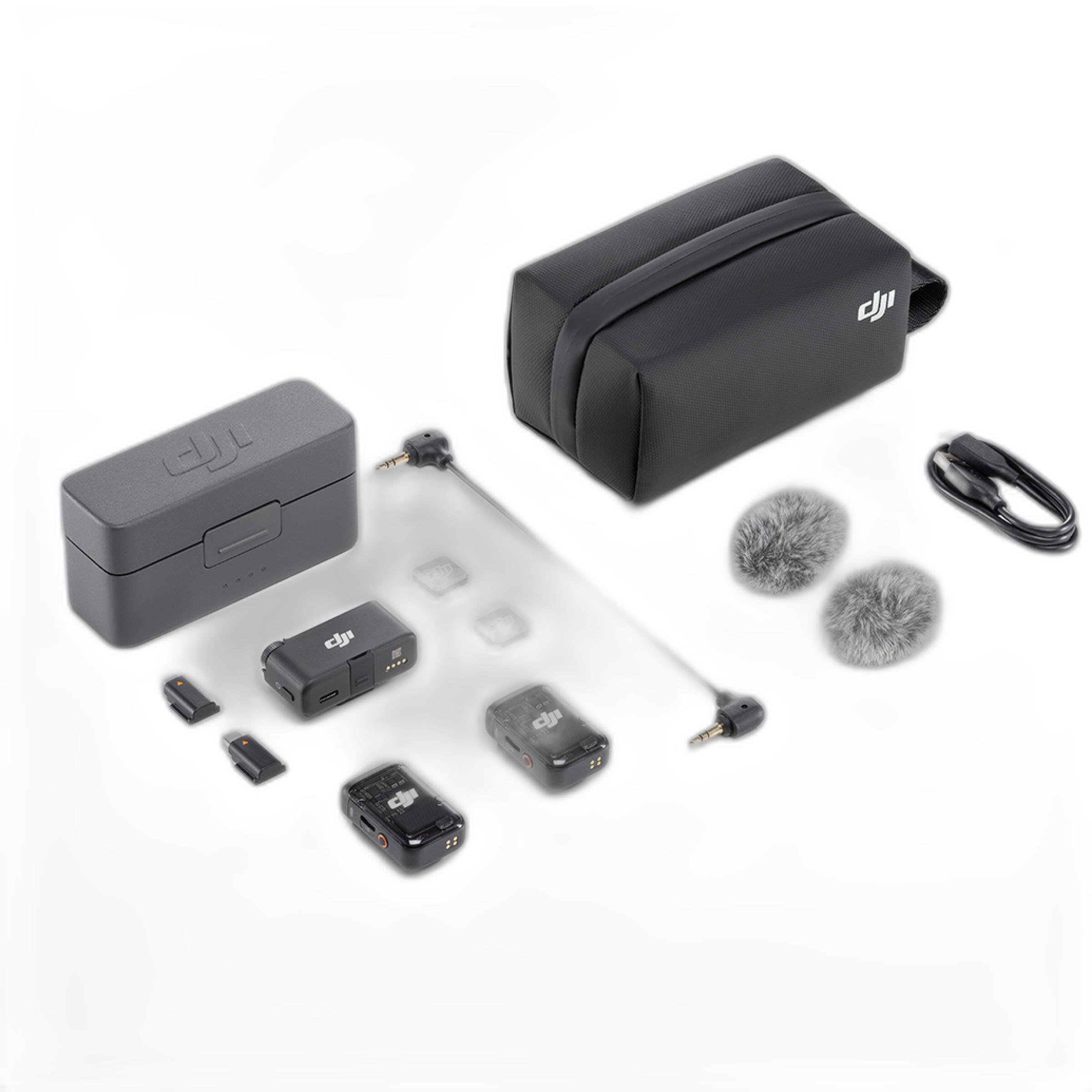
For creators who want cleaner voice recordings without building a large setup, adding a wireless mic system is often the single biggest upgrade. The DJI Mic 2 is an excellent fit for travel creators who want more professional dialogue capture, cleaner speech, and greater flexibility when filming stand-ups, interviews, or walk-and-talk segments.
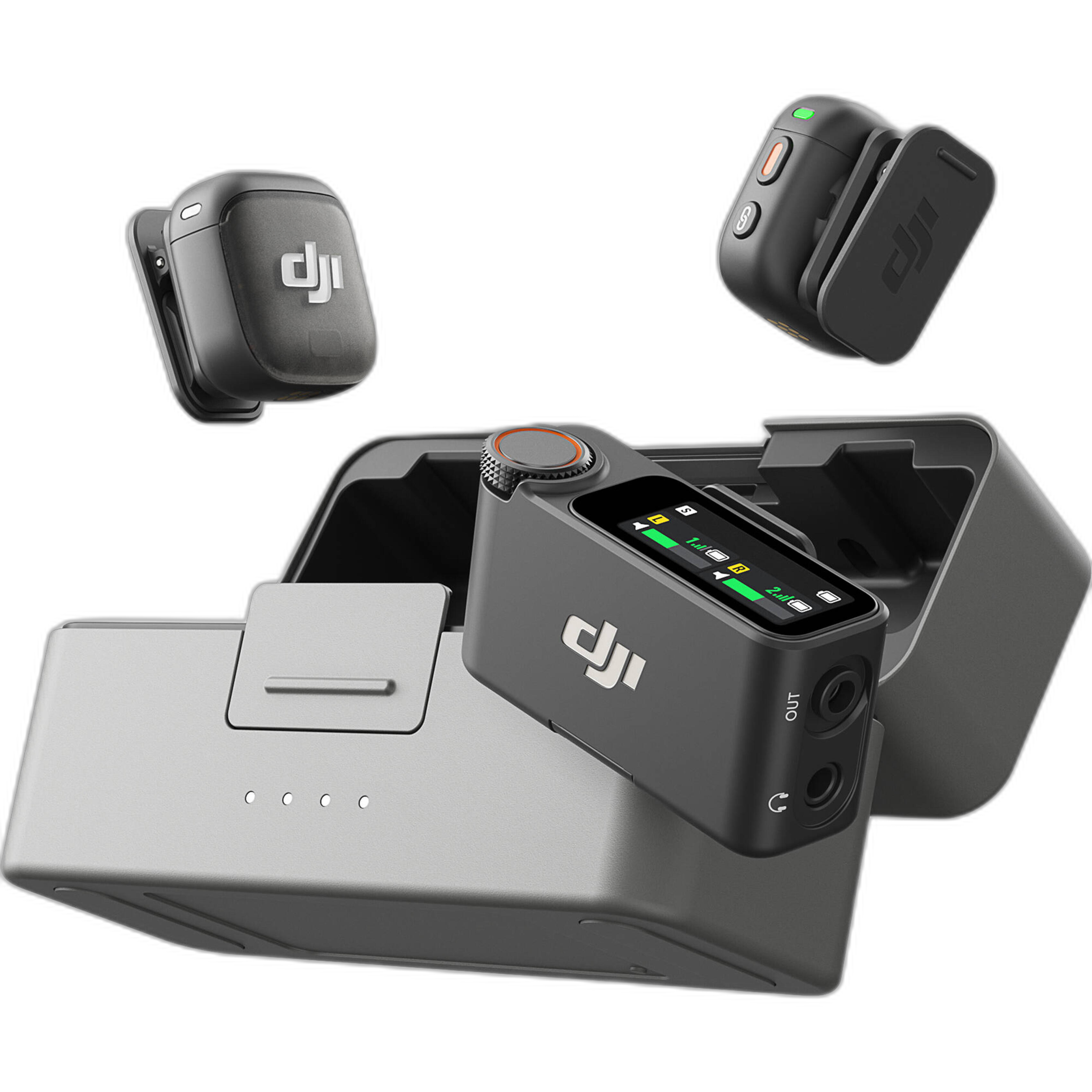
If you want an updated kit with a charging case and a compact two-transmitter setup, the DJI Mic 3 is also worth considering for creators who regularly film with a host and guest or want backup flexibility on the road.
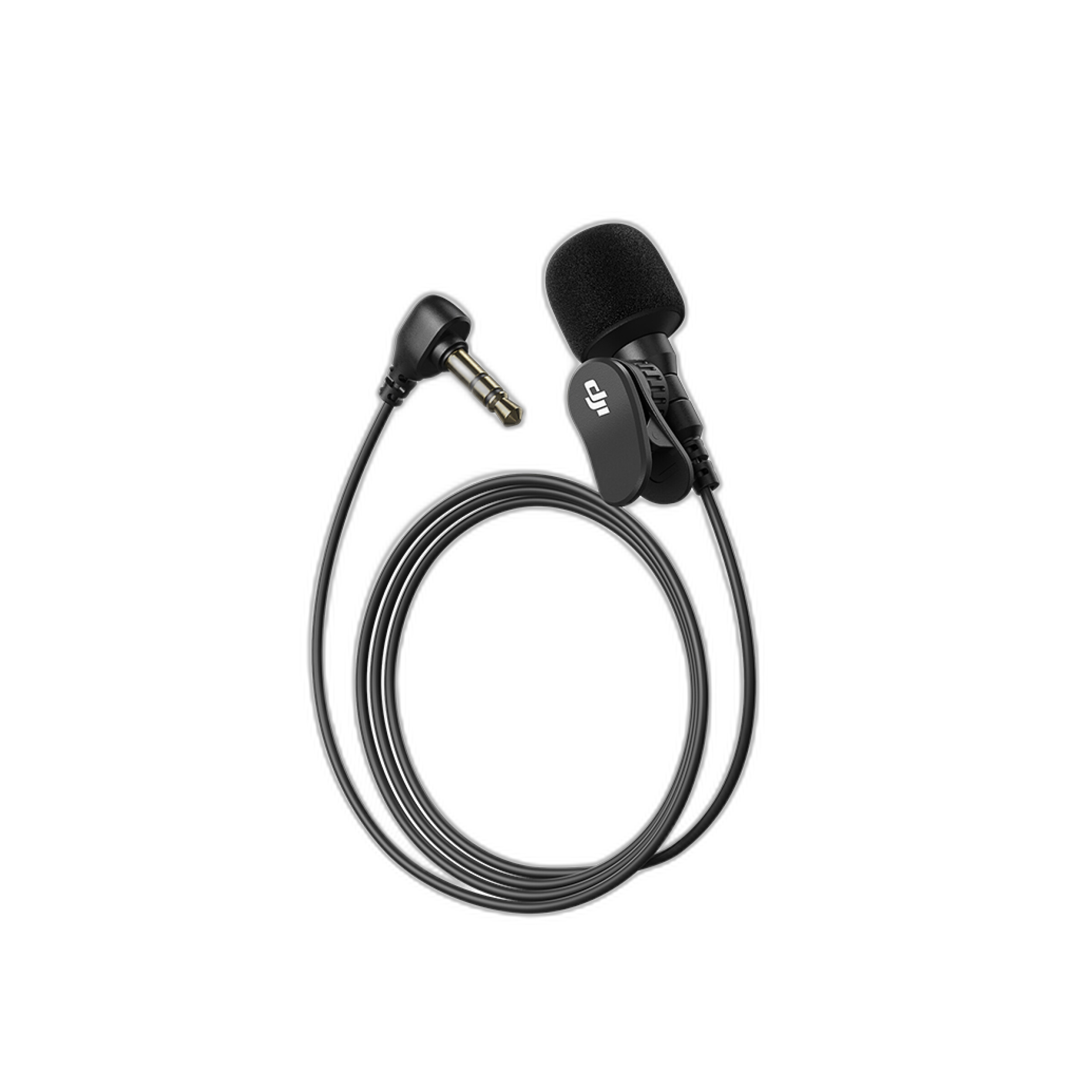
For even more discreet placement, a dedicated lav option like the DJI Lavalier Mic can help you get a more hidden, polished look on camera.
Do I need an external microphone for travel vlogging?
If your vlogs are mainly casual memories for social media, the built-in microphones may be enough. But if your content includes narration, destination guides, hotel reviews, or talking directly to the audience, an external mic is strongly recommended. Good audio often matters more than slightly better video quality when viewers decide whether content feels professional.
A wireless system like the DJI Mic 2 or DJI Mic 3 is especially helpful for travel because it keeps your setup compact while dramatically improving speech intelligibility. That means less time trying to fix noisy audio in post and more confidence when filming in busy public spaces. If you want the cleanest presentation, pair a transmitter with the DJI Lavalier Mic for a tidy on-camera look.
Are overheating or file corruption issues a concern with either camera?
Any small action camera can run into heat-related limitations depending on recording settings, ambient temperature, and airflow. Long takes in high resolutions, high frame rates, or direct sun are the most common causes of overheating. In real travel use, short clips, normal room temperatures, and reasonable recording settings usually keep things manageable on both systems.
File corruption concerns are less about brand rivalry and more about workflow. Most reliability issues come from interrupted power, low-quality or aging memory cards, or removing the battery before recording has fully stopped. To reduce risk, use reputable memory cards, format cards in-camera, keep batteries charged, and avoid repeatedly recording long clips in hot environments.
From a practical perspective, both GoPro Hero and DJI Osmo Action cameras can be reliable travel tools when used with good habits. If reliability is your top concern, choose the camera whose menu system, battery workflow, and app experience you find easiest to manage consistently.
Which action camera has better battery life?
Battery life varies significantly based on resolution, frame rate, screen use, stabilization settings, and temperature. In general, creators often compare these cameras in terms of how efficiently they handle everyday shooting rather than just official runtime claims. For travel days with frequent short clips, screen checks, and stop-start recording, real-world battery endurance can feel very different from spec sheets.
DJI Osmo Action models are often considered strong contenders for battery efficiency and practical all-day use, especially when you build a simple charging routine around spare batteries. GoPro batteries can also perform well, but aggressive settings and heavy screen use can shorten runtime quickly. If your style involves long sightseeing days with intermittent filming, battery management matters more than minor differences in total runtime.
Whichever system you choose, the winning strategy is to carry spares, keep your charging organized, and avoid draining a battery to zero before critical moments.
Which camera is more reliable for daily travel use?
Reliability is about more than whether a camera powers on. For travel creators, it includes fast startup, intuitive controls, easy battery swaps, strong app support, and consistent performance across long days. Some users prefer GoPro because of its established ecosystem and familiar shooting experience, while others favor DJI for its streamlined interface and strong value in the broader creator ecosystem.
If you already use DJI gear, there is a convenience factor in staying within that world, especially when adding accessories like the DJI Mic 2, DJI Mic 3, or DJI Lavalier Mic. A familiar ecosystem can speed up setup and reduce friction while traveling. If you prioritize a broad accessory market and a long-established action-camera reputation, GoPro still makes a compelling case.
The best answer is often the one that fits your workflow with the fewest interruptions. A camera you enjoy using and trust day after day is more valuable than one with a slight spec advantage that complicates your process.
Which is better for travel vlogging specifically?
For travel vlogging, the best camera is the one that balances stabilization, simple operation, dependable battery behavior, and good enough built-in sound until you add a dedicated mic. If your content is heavily movement-based and you want that signature smooth action-camera look, GoPro Hero models are often a top pick. If you want a travel-friendly creator setup that integrates naturally with DJI audio gear and feels especially appealing for everyday vlogging, DJI Osmo Action is a strong option.
Many vloggers ultimately choose based on accessories and workflow rather than image quality alone. For example, a DJI-based creator can build a compact travel kit around the action camera plus the DJI Mic 2 or DJI Mic 3 for improved voice capture, and a DJI Lavalier Mic for a more discreet presentation. That combination can make a meaningful difference in production quality without making your bag much heavier.
What accessories should I consider alongside an action camera?
The smartest accessories are the ones that solve real travel problems. Audio is usually first, which is why the DJI Mic 2, DJI Mic 3, and DJI Lavalier Mic are such useful additions for creators who speak on camera. If you are also building a broader travel video kit beyond action cameras, stabilization support and creator education can help you grow into more advanced filmmaking techniques.
For shooters expanding into larger stabilized systems, the Tilta Float Handheld Gimbal Support System offers more support for demanding shoots. And for those looking to improve technique, Lights, Camera, ALPHA: Dynamic Sports and Action Photography is a helpful learning resource for action-oriented shooting fundamentals.
Not every accessory is relevant to every setup, so the key is buying for your actual shooting style rather than a theoretical gear list.
Still deciding between GoPro Hero and DJI Osmo Action? Unique Photo can help you build the right travel-vlogging kit, whether you need better audio, creator accessories, or guidance on stepping up your video workflow. Explore our selection and find the tools that make your next trip easier to shoot and better to watch.