Travel Tripod FAQ: How to Balance Lightweight Design and Stability
Choosing a travel tripod is always a balancing act. Most photographers want something light enough to carry all day, but sturdy enough to keep images sharp in wind, low light, and uneven terrain. At Unique Photo, we help photographers sort through those tradeoffs by looking at how and where the tripod will actually be used.
Whether you travel with a mirrorless body, a macro setup, or a more advanced hybrid photo/video rig, the right support system depends on more than just folded size. Here are the most common questions we hear about lightweight travel tripods and real-world stability.
What matters more for a travel tripod: low weight or maximum stability?
For most travelers, the best choice is not the absolute lightest tripod or the heaviest, most rigid option. Instead, look for the best stability-to-weight ratio for your camera kit. If you mainly shoot cityscapes, travel portraits, daytime landscapes, or casual long exposures with a mirrorless setup, a compact tripod can be the smart solution. If you regularly work in strong wind, on rocky ground, or with heavier lenses, you will want more mass, stronger leg sections, and a more confidence-inspiring head.
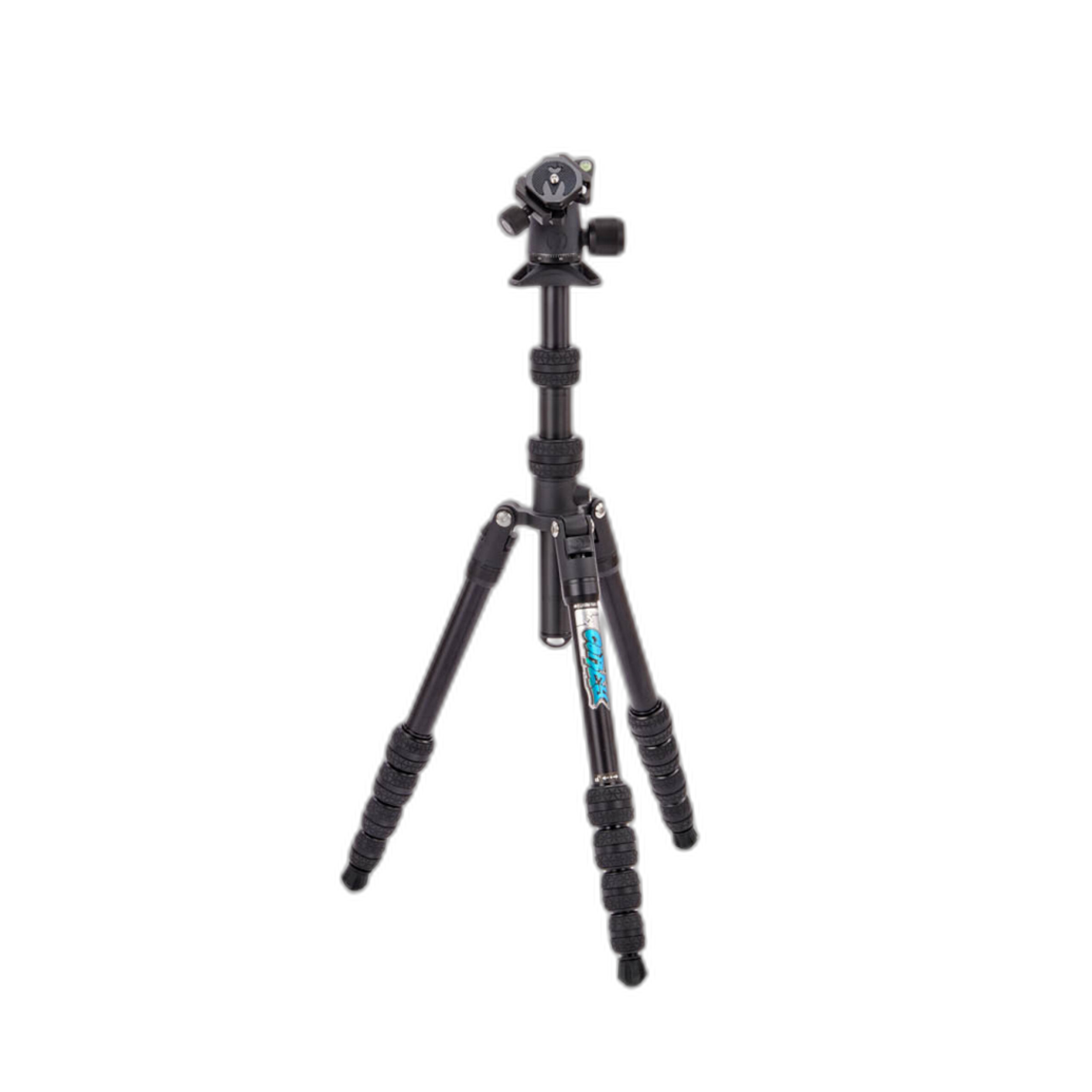
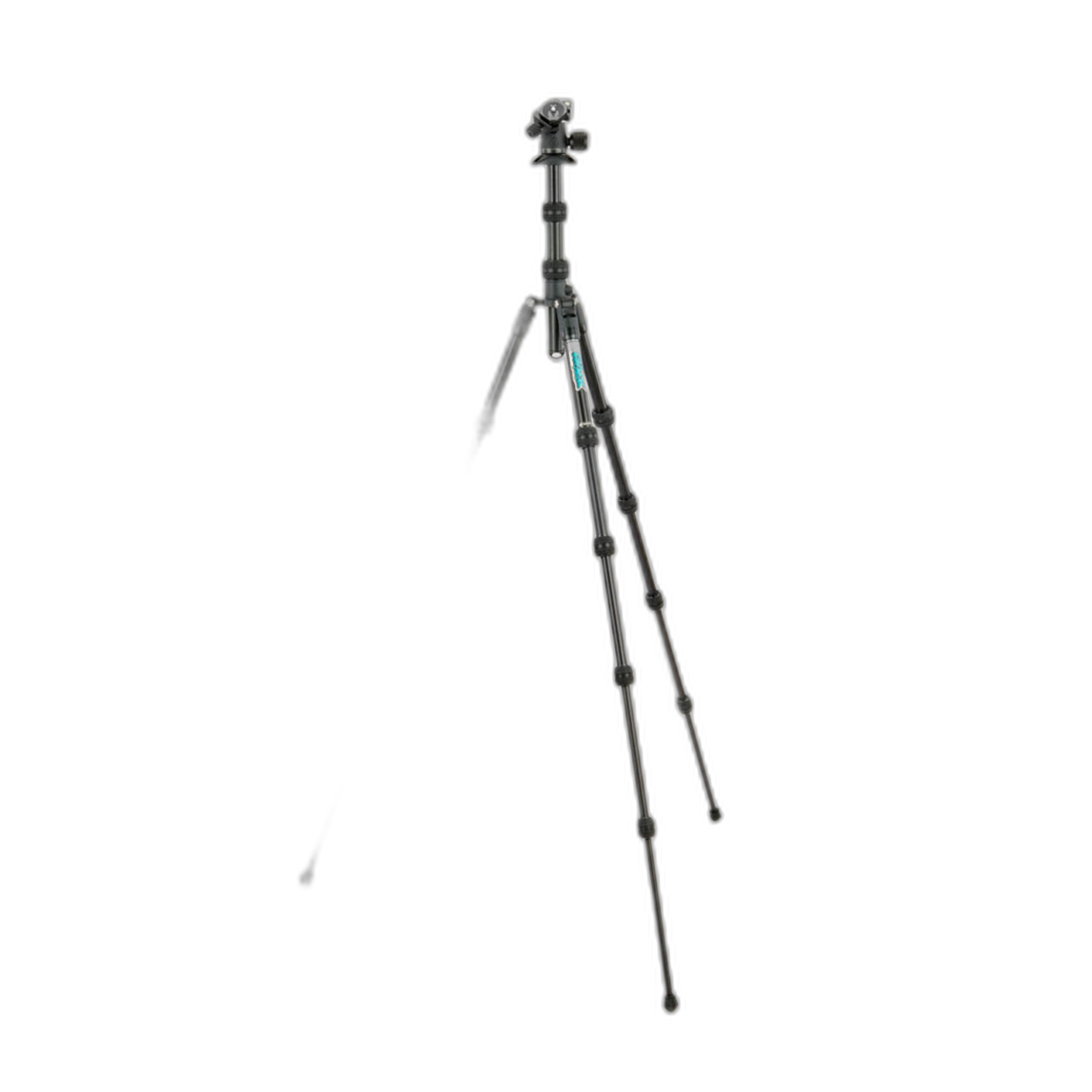
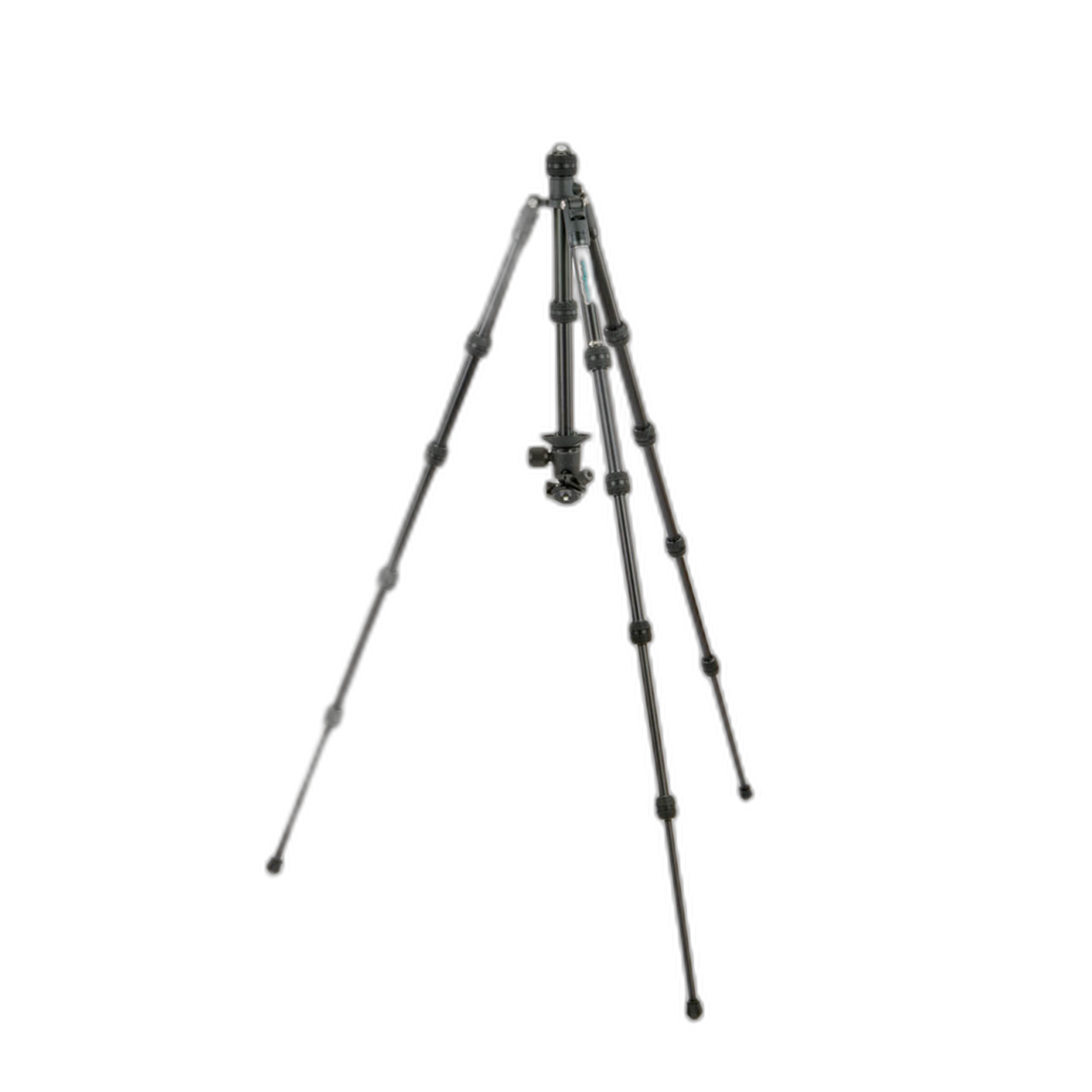
A well-rounded option is the 3 Legged Thing Punks Corey 2.0 Magnesium Alloy Tripod with AirHed Neo 2.0 Ball Head. Magnesium alloy construction helps keep carry weight manageable while still offering the stiffness many travel photographers want. That makes it a strong candidate for photographers who need one tripod to cover travel, landscapes, and general-purpose shooting.
How do I know if a tripod is sturdy enough for my camera and lens?
Start by thinking beyond the published load rating. A tripod may technically support a camera, but that does not always mean it will perform well for long exposures or precise framing. Consider your heaviest body-and-lens combination, the type of shooting you do, and whether you use accessories like L-brackets, macro rails, or a monitor.
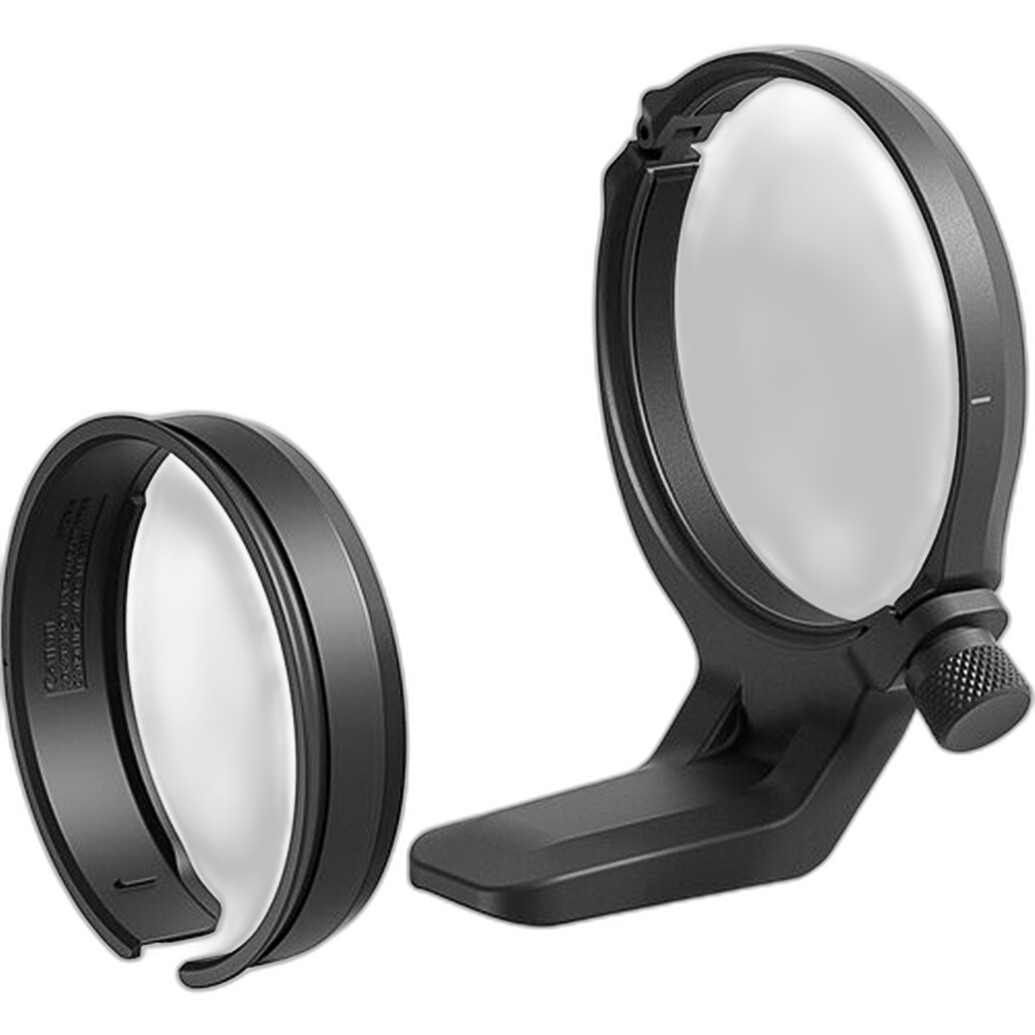
Lens support can also make a major difference in balance and stability. For example, macro photographers using the Canon RF 100mm f/2.8L Macro IS USM can improve support and reduce strain on the camera mount by using the Canon Tripod Mount Ring and Adapter. A tripod collar helps center the weight of the lens over the support system, which is especially useful when shooting close-up work where tiny vibrations matter.
Are lightweight travel tripods good enough for long exposures?
Yes, but only when matched to the shooting conditions. A quality travel tripod can handle long exposures very well if you use proper technique: keep the center column low, spread the legs securely, avoid touching the camera during the exposure, and use a remote release or self-timer. Image stabilization should also be managed appropriately depending on the lens and shooting scenario.
Where lightweight tripods struggle most is in gusty wind, on wooden platforms, or when extended to full height with a heavier camera. In those situations, a sturdier platform can make a visible difference in image sharpness. If your travel work frequently includes night photography, waterfalls, or seascapes, choosing a travel tripod with stronger leg construction and a reliable ball head is worth the extra ounces.
What features should I prioritize in a travel tripod?
The most important features are folded length, weight, maximum working height, leg lock design, head quality, and overall rigidity. A tripod that fits easily in or on your bag is much more likely to travel with you. At the same time, if it is too short or too flexible, you may leave it behind for important shots because it feels inconvenient to use.
For many photographers, a good travel tripod should offer a compact folded footprint, dependable leg locks, and a ball head that holds framing securely without sudden droop. The 3 Legged Thing Punks Corey 2.0 is appealing here because it aims to combine portability with the more serious feel photographers want from a primary support option, rather than acting as a compromise-only travel accessory.
When do accessories improve tripod stability?
Accessories can make a support setup more secure, especially if you shoot video, macro, or use specialized rigs. Spacers, mounting plates, and dovetail systems help improve fit, balance, and repeatability across different setups. They do not turn a tiny tripod into a studio support, but they can improve how efficiently your gear interfaces with your tripod head and rig.
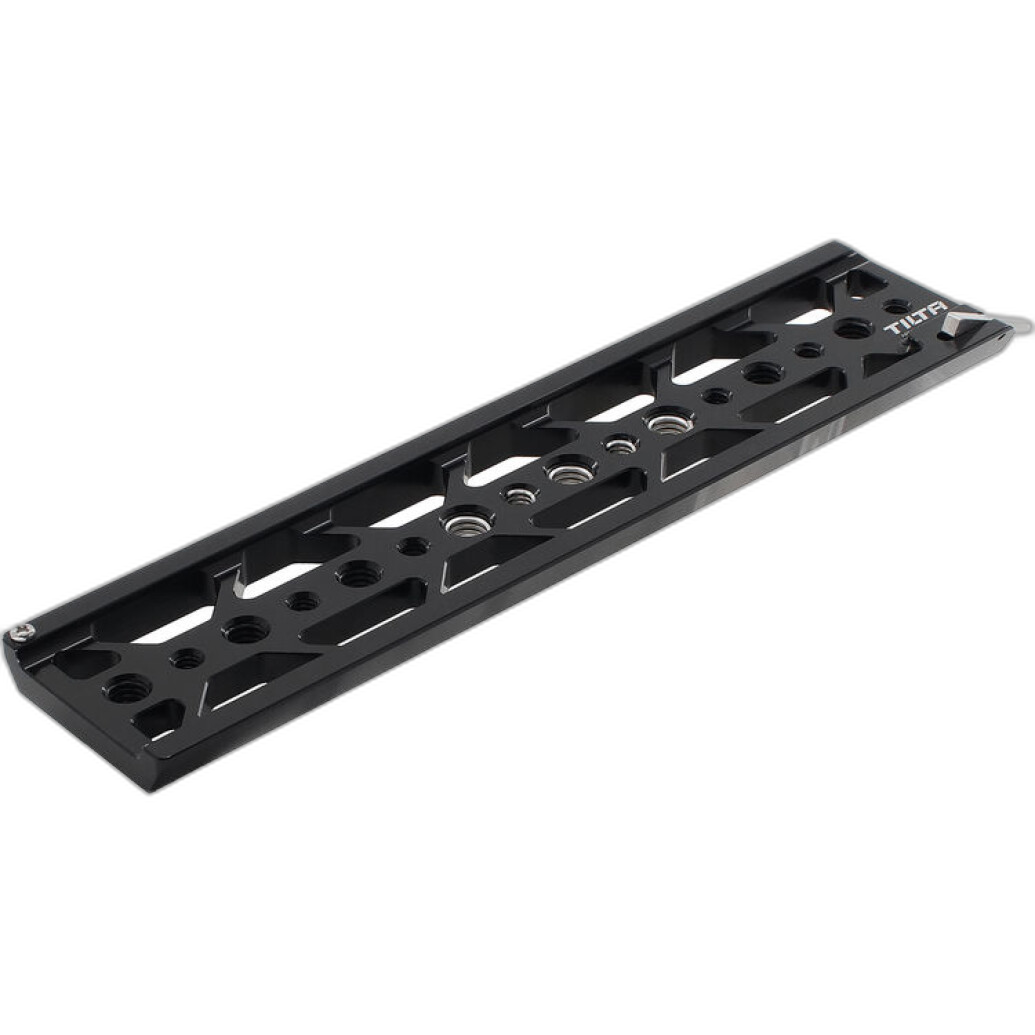
For example, the Benro GDHAD1 Metal Tripod Spacer can be useful in compatible setups where spacing and mounting alignment matter. Likewise, if you are building a camera cage or video-support workflow, accessories such as the Tilta 10 Lightweight Dovetail Plate can streamline mounting while keeping added weight relatively low. These kinds of components are especially helpful for hybrid shooters who alternate between stills and compact video rigs during travel.
Should travelers ever choose a heavier tripod?
Absolutely. If your travel photography involves super-telephoto lenses, multi-minute exposures, architectural precision, or demanding outdoor conditions, a heavier tripod may be the right call. Stability is not just about sharpness; it also affects confidence while composing and reduces frustration in the field.
At the extreme end, large-system supports are built for highly specialized work. A kit like the Used Gitzo GT5563GS Tripod Kit with GS5313 Column and Manfrotto 410 Head represents the kind of setup chosen when maximum rigidity matters far more than portability. That is not the typical travel tripod for flights and walking tours, but it illustrates an important point: there are situations where added size and weight are justified.
Is a tripod collar necessary for travel macro photography?
For many macro photographers, yes. Travel macro often involves working at slower shutter speeds, awkward angles, and very precise focus distances. A tripod collar can make the setup better balanced, easier to rotate between horizontal and vertical compositions, and more stable overall.
The Canon Tripod Mount Ring and Adapter for the RF 100mm f/2.8L Macro IS USM is a great example of an accessory that improves tripod use without changing your entire support system. If macro is a serious part of your travel photography, a dedicated lens support accessory is often a smarter upgrade than simply shopping for a bigger tripod.
What is the best all-around approach for most travel photographers?
For most people, the sweet spot is a tripod that is portable enough to bring everywhere and sturdy enough for the kinds of images they care about most. That usually means choosing a well-made travel tripod from a trusted brand, then pairing it with accessories only when your shooting style truly benefits from them. A stable lens collar for macro work or a lightweight dovetail for a compact rig can be more useful than simply chasing the lowest weight number on a spec sheet.
If you want one setup that can cover vacations, local adventures, city shooting, and occasional landscape work, a thoughtfully designed model like the 3 Legged Thing Punks Corey 2.0 is a practical place to start. It gives photographers a realistic middle ground between packability and dependable field performance.
The best travel tripod is the one you will actually carry and trust when the light gets good. If you are ready to compare support options, accessories, and lens-specific mounting solutions, shop Unique Photo for gear that matches the way you really shoot.