Photo contests are packed with strong images, so standing out takes more than technical polish. The entries that rise to the top usually have a clear point of view, thoughtful execution, and a presentation that feels complete from capture to final submission. If you want your work to catch a judge’s eye for the right reasons, these tips can help you build stronger entries and a more memorable visual voice.
1. Build Around a Clear Idea, Not Just a Pretty Frame
Lead with intent
In crowded contests, judges often move quickly. A photograph with a clear concept tends to hold attention longer than one that is simply attractive. Before you shoot, ask yourself what the image is really about: tension, humor, solitude, scale, routine, or contradiction. A strong idea gives your composition, timing, and editing direction.
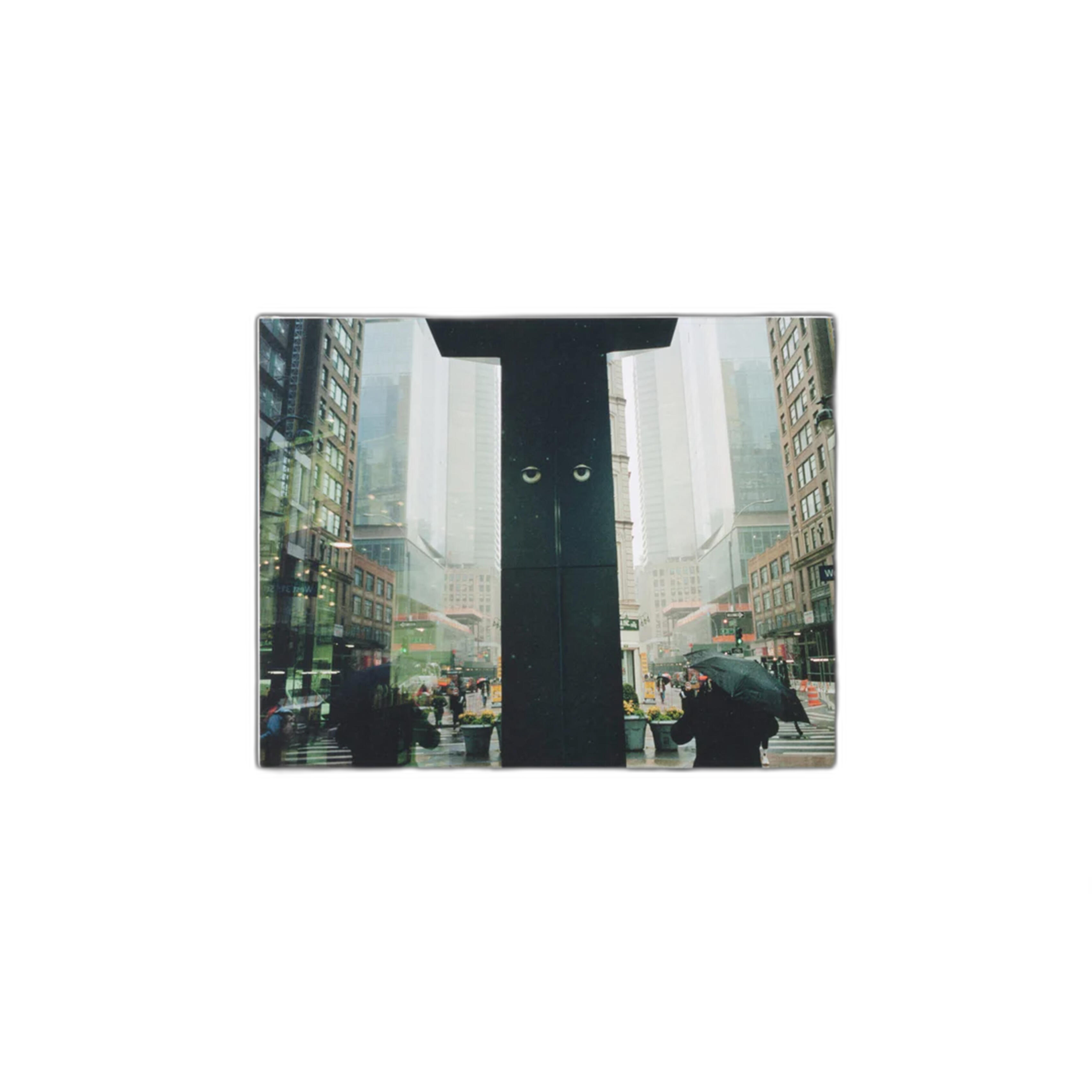
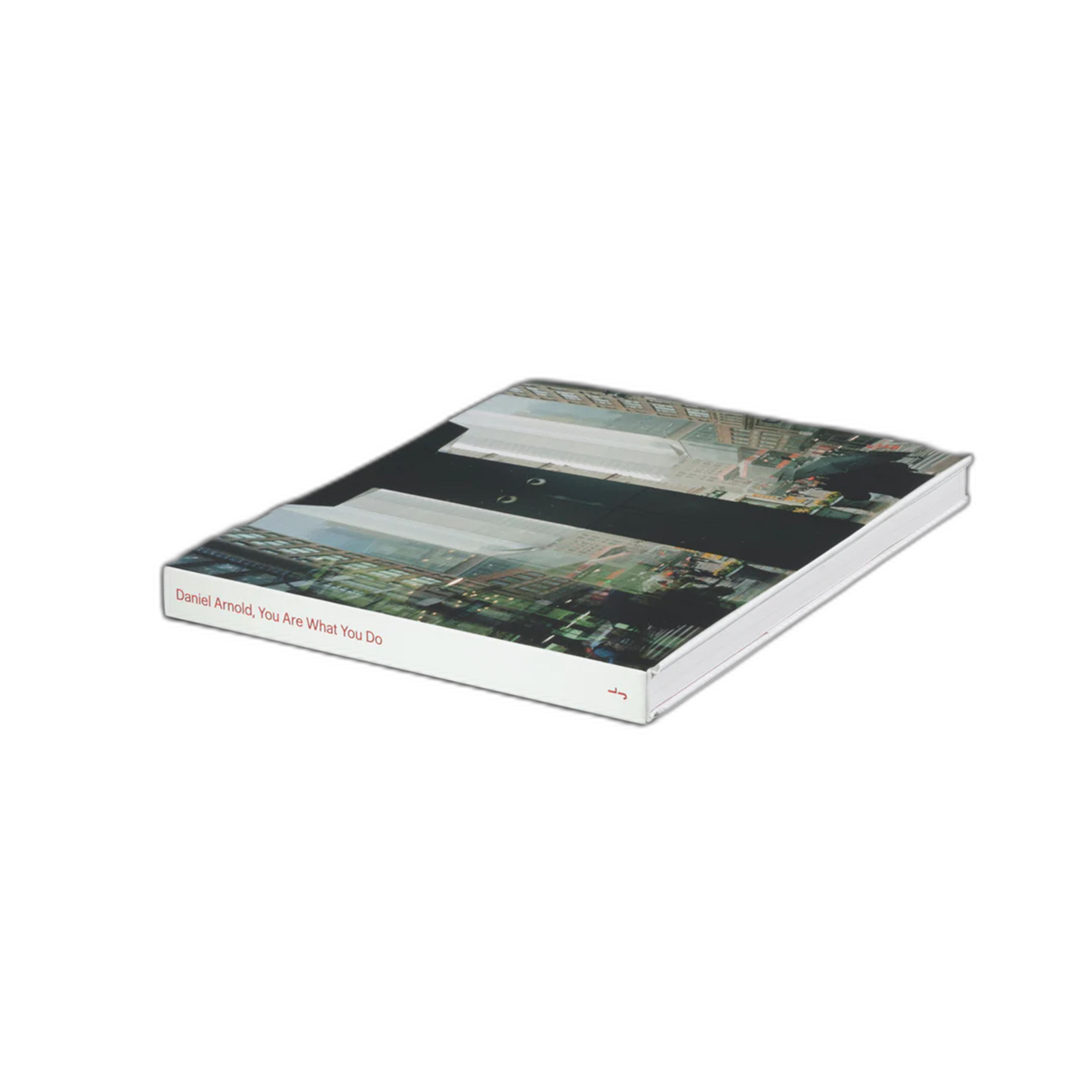
If you want inspiration for developing a more recognizable way of seeing, photography books can be surprisingly useful. You Are What You Do - Daniel Arnold is a great example of work driven by observation and personal voice rather than formula. Studying that kind of approach can help you make images that feel authored instead of generic.
2. Simplify the Scene So Your Subject Wins Immediately
Cut visual clutter
Contests are full of busy images competing for attention. One of the fastest ways to stand out is to remove anything that weakens the subject. Watch your edges, clean up backgrounds, and be intentional about light direction. The fewer distractions in the frame, the faster your message lands.
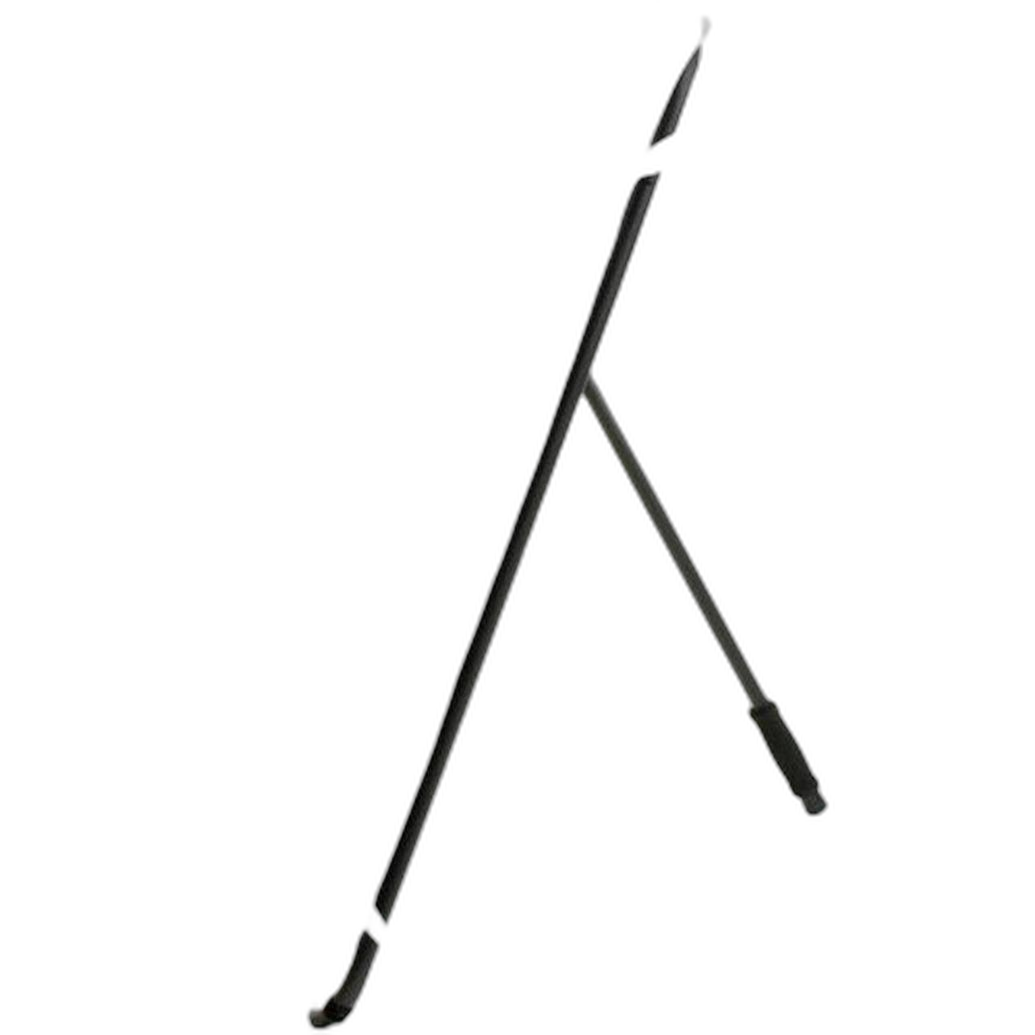
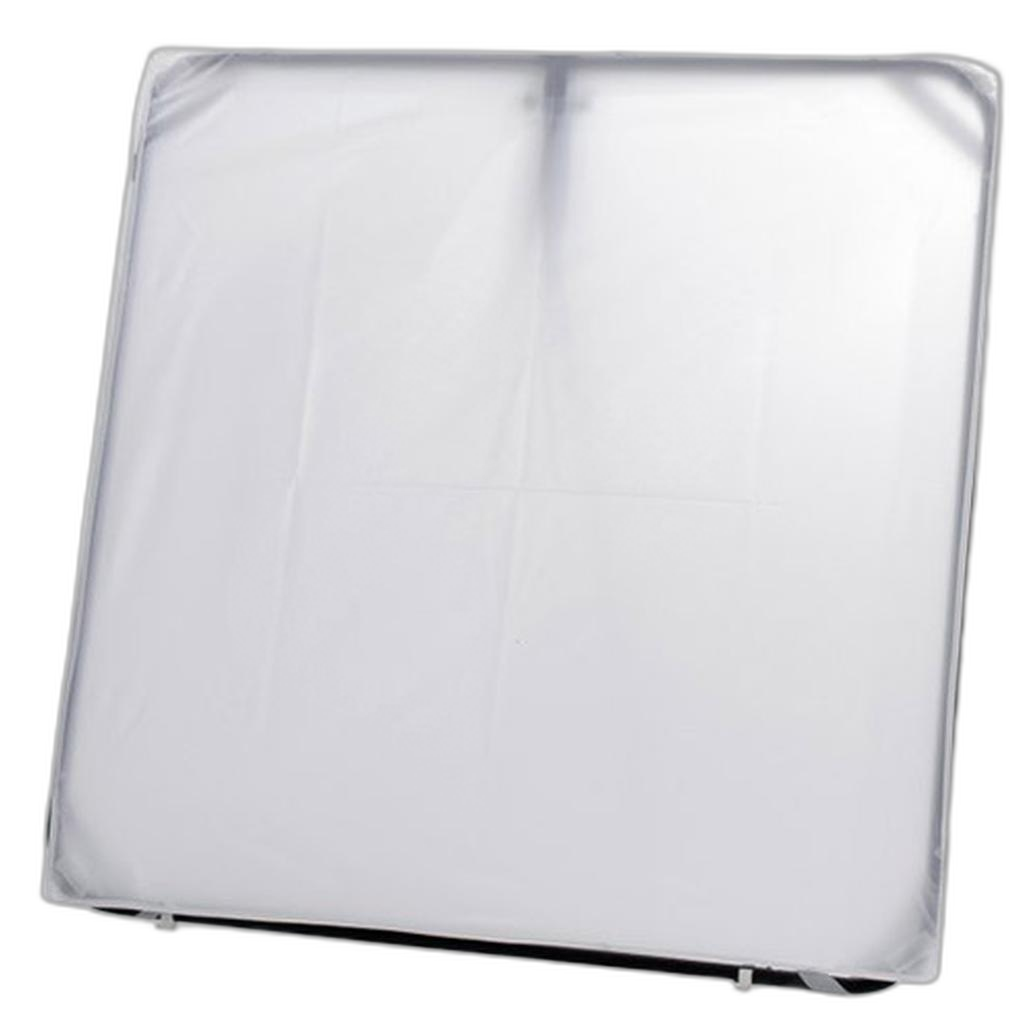
For portraits, close-up details, or environmental work, a compact tool like the RPS Studio 1x1 Meter 4 In 1 Self Standing Reflector Panel Kit can help you shape light without overcomplicating the setup. A little fill on the face, a subtle flag to control spill, or a softer highlight can make your subject separate more clearly from the scene.
3. Prioritize Light That Feels Deliberate
Make lighting part of the story
Great contest images rarely feel accidental. Whether you prefer natural light or a more controlled setup, the key is making the lighting choice support the mood. Hard light can add drama and graphic shape. Soft light can emphasize emotion and detail. Side light can reveal texture. Backlight can create atmosphere.
Even if you are shooting on location, small interventions matter. Using a reflector panel to open shadows or block harsh light can turn an ordinary frame into one that feels refined. Judges notice when light looks intentional.
4. Show a Perspective Others Might Miss
Avoid the most obvious version of the scene
If a contest theme is broad, many photographers will submit similar interpretations. To separate your work, look for the less expected angle, timing, or emotional layer. Instead of photographing only the headline moment, consider the aftermath, the setup, or the quiet detail that says more.
This is where studying contemporary photographers helps. Books like You Are What You Do - Daniel Arnold can remind you that originality often comes from attention and commitment, not from chasing spectacle.
5. Match Technical Quality to Your Creative Ambition
Make sure the file can support the idea
A compelling image always comes first, but technical quality still matters in contests, especially when judges zoom in or when finalists are printed or projected large. Sharpness where it matters, strong tonality, clean color, and enough resolution for the intended presentation all help your work feel complete.
For photographers working in cinematic or ultra-high-resolution workflows, a system like the Blackmagic Design URSA Cine 12K LF Camera with EVF Top Handle Kit shows what is possible when detail, dynamic range, and serious capture flexibility are part of the process. Not every contest image needs that level of production, but the principle is the same: use gear that lets your vision survive editing, cropping, and output without compromise.
6. Edit Ruthlessly Before You Submit
Choose the image with staying power
One of the biggest mistakes in contests is submitting the frame that felt hardest to make instead of the one that reads best. Step away from your work, come back later, and compare finalists side by side. Ask which image reveals itself quickly and still rewards a second look. If there is any confusion about where to look, keep editing.
It often helps to review your work in print or at least at a larger size. Subtle weaknesses in composition and processing become more obvious when the image is no longer just a thumbnail on a screen.
7. Print to Judge Your Image Like a Judge Might
Output matters more than many photographers realize
If a contest includes physical exhibition, portfolio review, or final-round printing, your paper choice can influence how the image is perceived. Fine art papers with strong texture and tonal richness can elevate black-and-white work, muted color palettes, and detail-heavy scenes.
The Hahnemühle Photo Rag Bright White 310gsm line is a strong option when you want a refined, gallery-ready surface. Depending on your printer and output needs, roll sizes like the 24x39, 36x39, and 44x39 versions give you flexibility for test strips, competition prints, or exhibition-scale presentation.
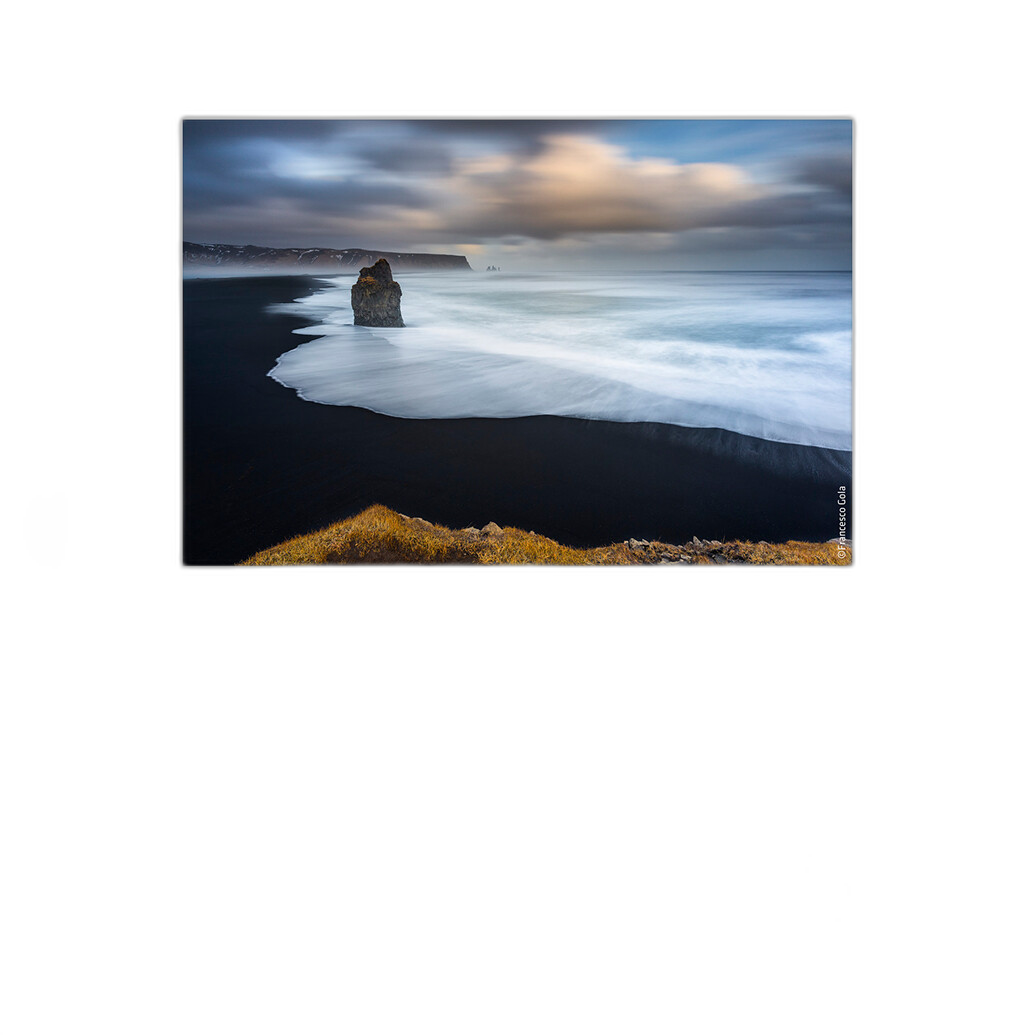
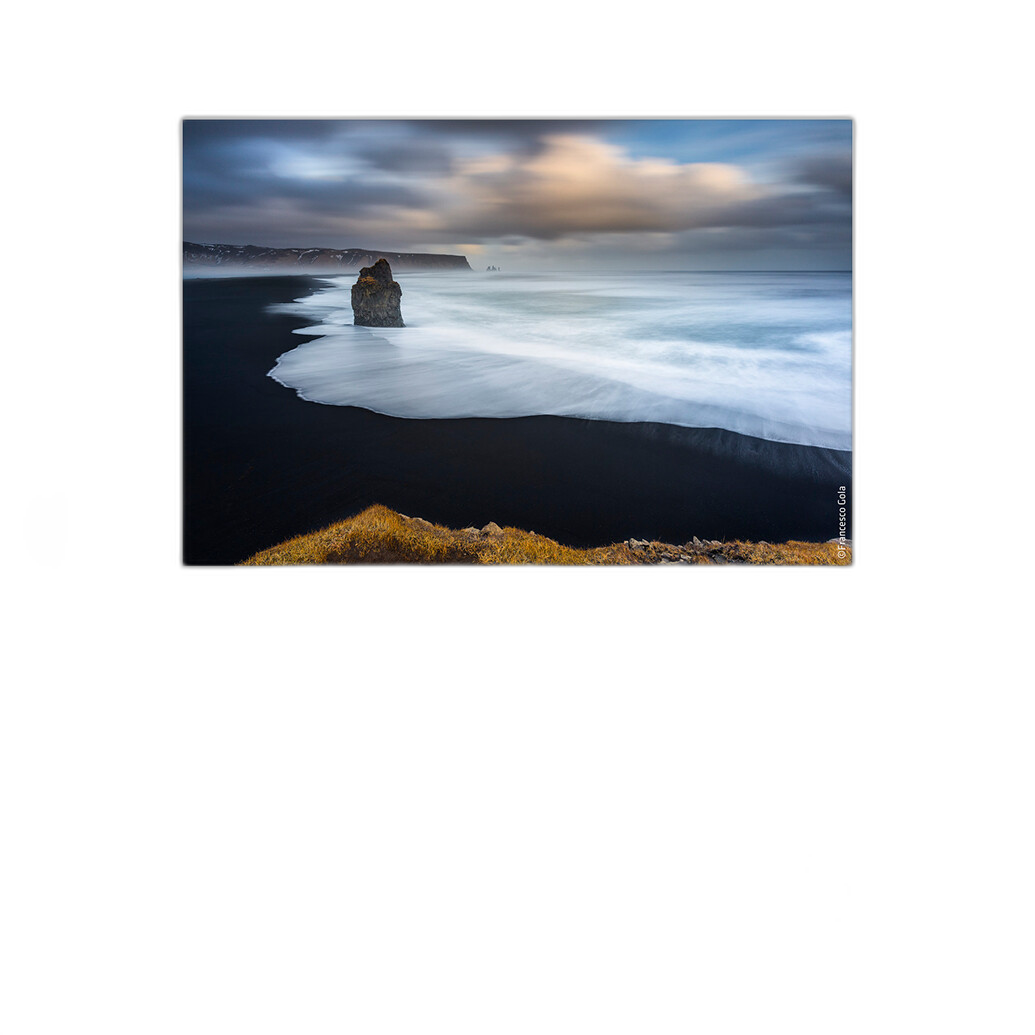
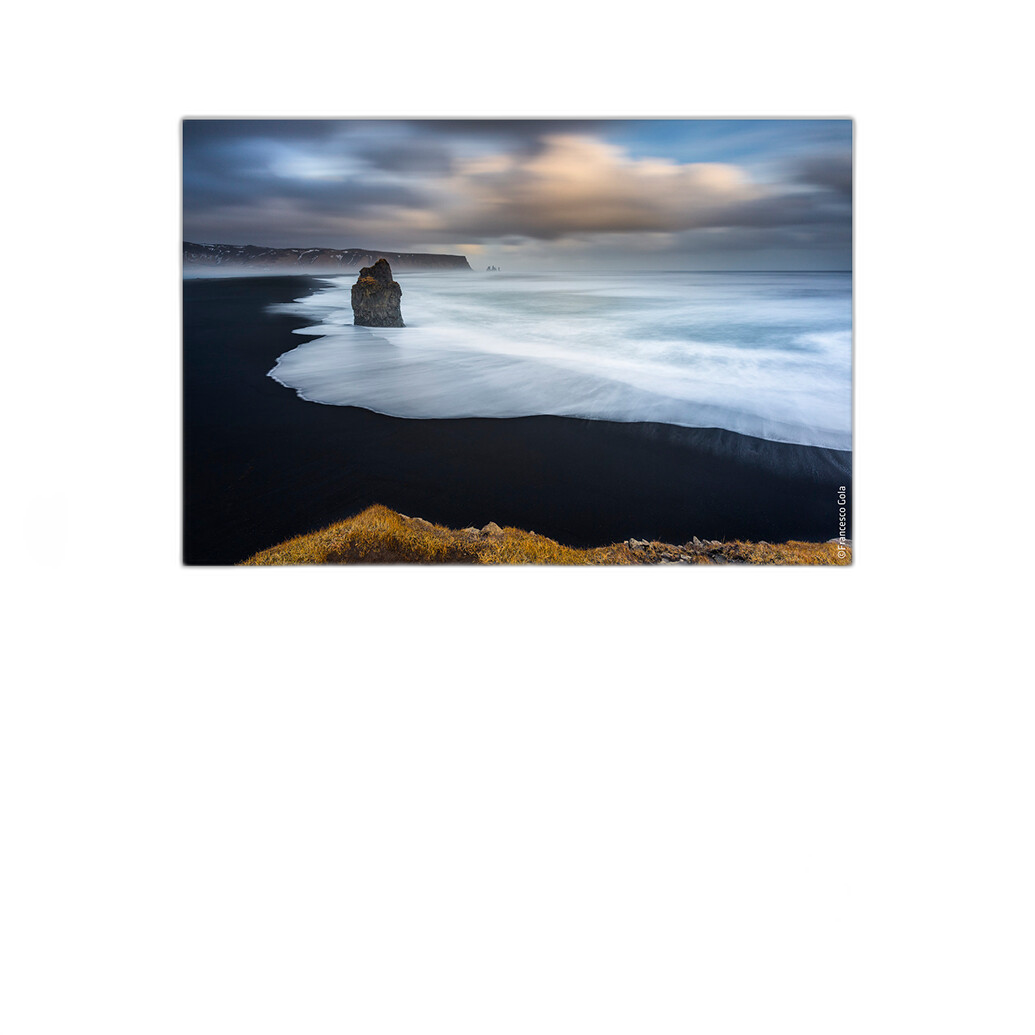
Even if the final submission is digital, making a print can reveal whether your contrast is too aggressive, your shadows are blocking up, or your color grading is distracting from the subject.
8. Keep Post-Processing Focused and Consistent
Don’t let editing become the main subject
Heavy-handed processing can pull judges out of an otherwise strong image. Aim for edits that support the scene instead of announcing themselves. Color should feel controlled, local adjustments should guide attention naturally, and retouching should not erase the authenticity that made the image interesting in the first place.
A winning contest image often feels polished without feeling overworked.
9. Present a Submission That Feels Professional
Details count
- Follow the contest rules exactly, including sizing, naming, and metadata requirements.
- Write a concise title that adds context without overexplaining.
- If an artist statement is requested, keep it specific and relevant to the image.
- Double-check for dust spots, crooked horizons, and export mistakes before uploading.
When every finalist is strong, professionalism in presentation can reinforce the quality of your work.
10. Develop a Body of Work, Not Just a One-Off Entry
Consistency builds recognition
Photographers who do well repeatedly in contests often have a visual language that carries across multiple images. That does not mean repeating yourself, but it does mean building consistency in subject matter, timing, palette, or emotional tone. The more clearly your work feels like your work, the easier it is to stand out.
Studying books, refining your lighting, printing your images, and being more selective with submissions all contribute to that long-term growth.
Final Thoughts
Standing out in a crowded photo contest is rarely about trying to be louder than everyone else. It is about being clearer, more intentional, and more memorable. Focus on concept, simplify your frame, shape your light, edit with discipline, and present the final image with care. If you are looking for tools and inspiration to strengthen your contest workflow, from books and lighting accessories to fine art printing materials, Unique Photo is a great place to start.