Themed photography contests can be exciting, frustrating, and incredibly rewarding all at once. A strong entry does more than match a prompt—it shows judges that you understood the theme, made thoughtful creative choices, and delivered a polished image with intention. Whether the contest theme is broad, abstract, seasonal, or emotionally driven, the best photographers balance originality with clarity. Here are practical strategies photographers use to approach themed contests with confidence.
Start by Defining What the Theme Really Means
1. Brainstorm literal, emotional, and symbolic interpretations
Before you pick up the camera, write down at least three ways to interpret the theme: the obvious meaning, a more emotional reading, and a conceptual or symbolic angle. If the theme is something like “connection,” a literal image might show people interacting, while a more nuanced interpretation could focus on body language, shared objects, or even absence.
This kind of visual brainstorming is often easier when you study how other creatives build concepts. A workshop like Fashion and Valentines: Themed Shoots with Unique Photo and Lindsay Adler can be especially useful for seeing how a familiar theme can be elevated through styling, posing, and visual storytelling instead of relying on clichés alone.

2. Read the contest language carefully
Photographers often miss points by entering an image that is beautiful but only loosely connected to the prompt. Study the contest description, sponsor language, judging criteria, and even past winners if available. Some contests reward technical perfection; others lean toward storytelling, social commentary, or originality.
- Highlight keywords in the rules
- Note whether editing limits apply
- Check if judges prefer a single image or a narrative approach
- Look for clues about how literally the theme should be addressed
Balance Creativity and Clarity
3. Don’t be so abstract that the theme disappears
One common mistake is trying so hard to be original that the image no longer communicates the assignment. Judges should not need a paragraph of explanation to understand your connection to the theme. Strong contest images often have an immediate read first, then reveal deeper layers on a second look.
A good test: show your draft image to someone unfamiliar with the contest and ask what theme they think it represents. If their answer is nowhere close, you may need to refine the concept.
4. Avoid the most obvious visual cliché unless you can reinvent it
Literal interpretations are not automatically bad—they are just common. Hearts for love, hands for connection, roads for journeys, clocks for time: these can still work if the execution is exceptional. The question is whether you are adding mood, design, perspective, or narrative that makes the image memorable.
Books that expand your sense of visual storytelling, such as Marco Polo: A Photographers Journey by Michael Yamashita (Signed), can help you think beyond the first idea and build an image with stronger atmosphere and point of view.
Build the Shot Around Intentional Choices
5. Use styling, location, and color to support the theme
Contest images feel stronger when every element contributes to the idea. Wardrobe, props, lighting, background, and color palette should all reinforce your interpretation. If your theme is “isolation,” a busy, colorful setting may work against the concept unless that contrast is intentional.
Themed shoots especially benefit from previsualization. Studying resources like Fashion and Valentines: Themed Shoots with Unique Photo and Lindsay Adler can give you ideas for translating a prompt into cohesive visual decisions rather than hoping the theme appears later in editing.

6. Prioritize focus and technical precision
A brilliant concept can still fall short if the image is soft in the wrong place, poorly exposed, or visually cluttered. Themed contests are still photography contests, so craft matters. Make sure the subject emphasis is deliberate and supports the story.
If you want to tighten up this part of your process, 50 Things Photographers Need to Know About Focus by John Greengo is a smart resource. Fine control over focus placement can make the difference between an image that feels intentional and one that feels almost there.
Tell More Than the Surface Story
7. Look for emotion, tension, or contrast
Judges see many technically competent images. What often stands out is emotional depth. A themed image becomes stronger when it includes some tension: joy mixed with melancholy, beauty paired with decay, motion against stillness, or closeness contrasted with distance.
This is where photographers can learn from motion and cinematic thinking. Educational tools such as Filmmaking Essentials for Photographers by Eduardo Angel encourage a more scene-based mindset, helping still photographers think about mood, sequence, and visual intention in richer ways.
8. Consider whether movement or sequence could inspire your still image
Even if you are entering a still-photo contest, thinking like a filmmaker can improve your timing and storytelling. Ask yourself what happened just before and just after the frame. That approach often leads to stronger gestures, better anticipation, and more compelling moments.
Classes like PCS: Video for Photographers with Shiv Verma (Lumix) or NJCS: Transitions to Video for Still Photographers with Tony Gale (Sony) can be surprisingly helpful for photographers who want to sharpen narrative instincts and visual pacing.

Refine in Post Without Overpowering the Idea
9. Edit to clarify the concept, not distract from it
Post-processing should support the theme by guiding attention, shaping mood, and removing distractions. Crop with purpose. Adjust color to reinforce emotion. Dodge and burn to emphasize the visual path. But be careful not to over-process an image just to make it “contest-worthy.” Heavy-handed effects can weaken credibility and pull attention away from the concept itself.
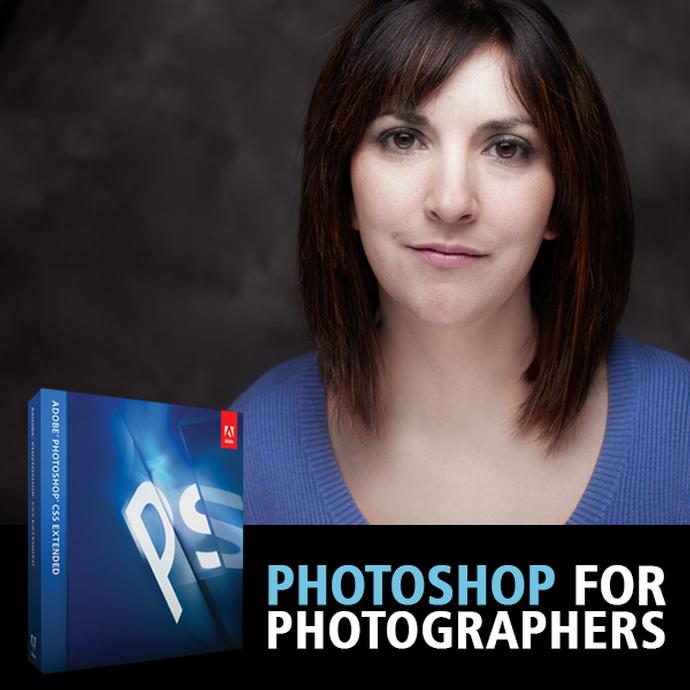
If you want a cleaner, more disciplined finishing workflow, Photoshop for Photographers with Adobe Certified Instructor Blake Taylor is a helpful way to improve your retouching and tonal control while keeping the image believable.
10. Leave enough time to step away and review objectively
The biggest contest mistake is rushing the final submission. Finish your image early enough to revisit it with fresh eyes. Look for anything that feels confusing, too obvious, or visually inconsistent. Ask whether the image still works if the viewer only spends a few seconds with it.
- Check that the theme reads quickly
- Zoom in for technical flaws
- Review the borders and corners for distractions
- Confirm the file meets the contest specifications
Watch for Common Themed Contest Pitfalls
11. Don’t submit a great photo that only weakly fits the theme
Many photographers choose their strongest existing image and try to make it fit the assignment afterward. That rarely works in competitive contests. A good themed entry is built around the prompt from the start.
12. Don’t rely on your caption to do the heavy lifting
If a title or caption is allowed, it should enhance the image, not rescue it. The photograph should carry the idea on its own.
13. Don’t ignore the human side of the process
If your contest image involves portraits or collaborative shoots, your ability to communicate with people matters. Strong relationships often lead to more authentic expressions and better moments on camera. Resources like UUOnline (Free): Photographers and Relationships with Mike Grippi can be a useful reminder that trust and communication are part of what make contest images feel genuine.

Conclusion
The best themed contest entries are clear, creative, and intentional. Interpret the prompt thoughtfully, avoid predictable shortcuts, and make sure every technical and artistic choice strengthens your message. With practice, you will get better at finding that sweet spot between literal and imaginative. If you are looking to sharpen your storytelling, editing, or concept development, Unique Photo offers classes, workshops, and educational resources that can help you turn a good idea into a contest-ready image.