Introduction
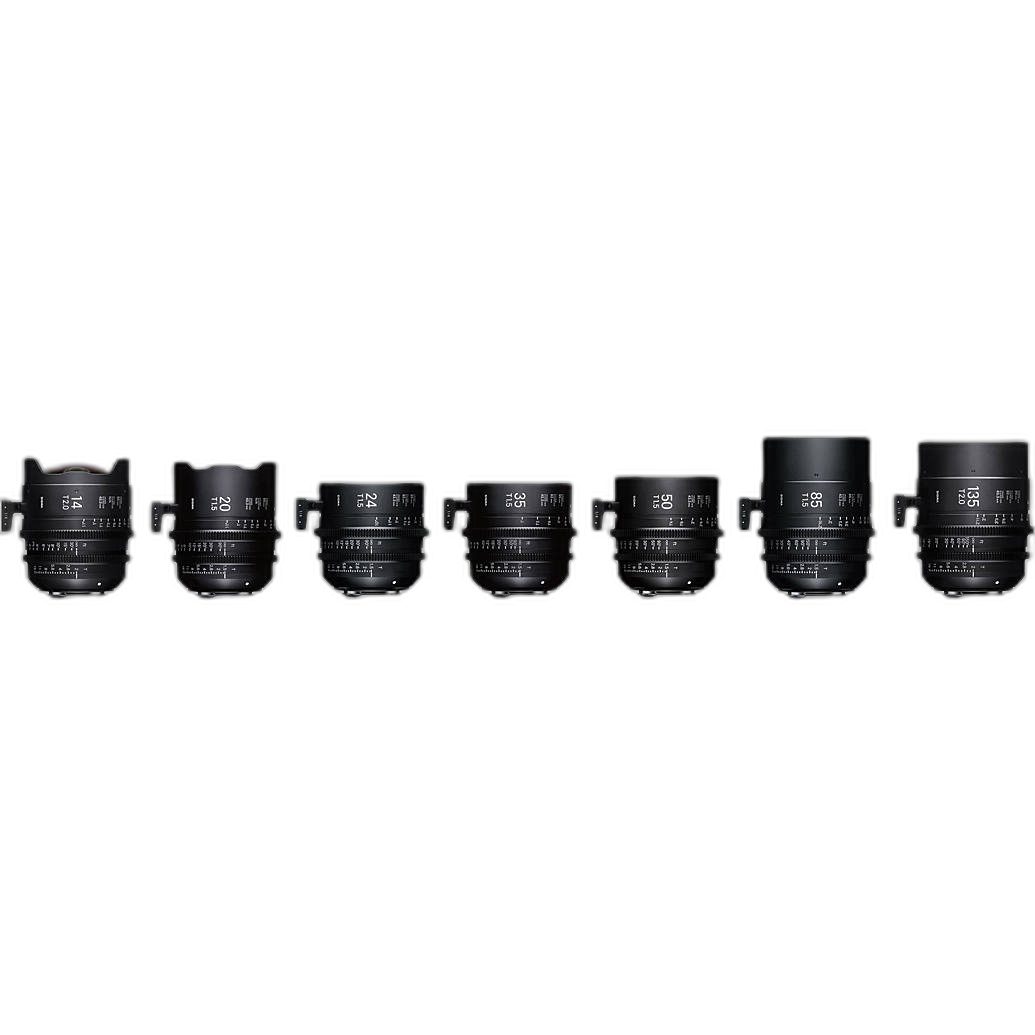
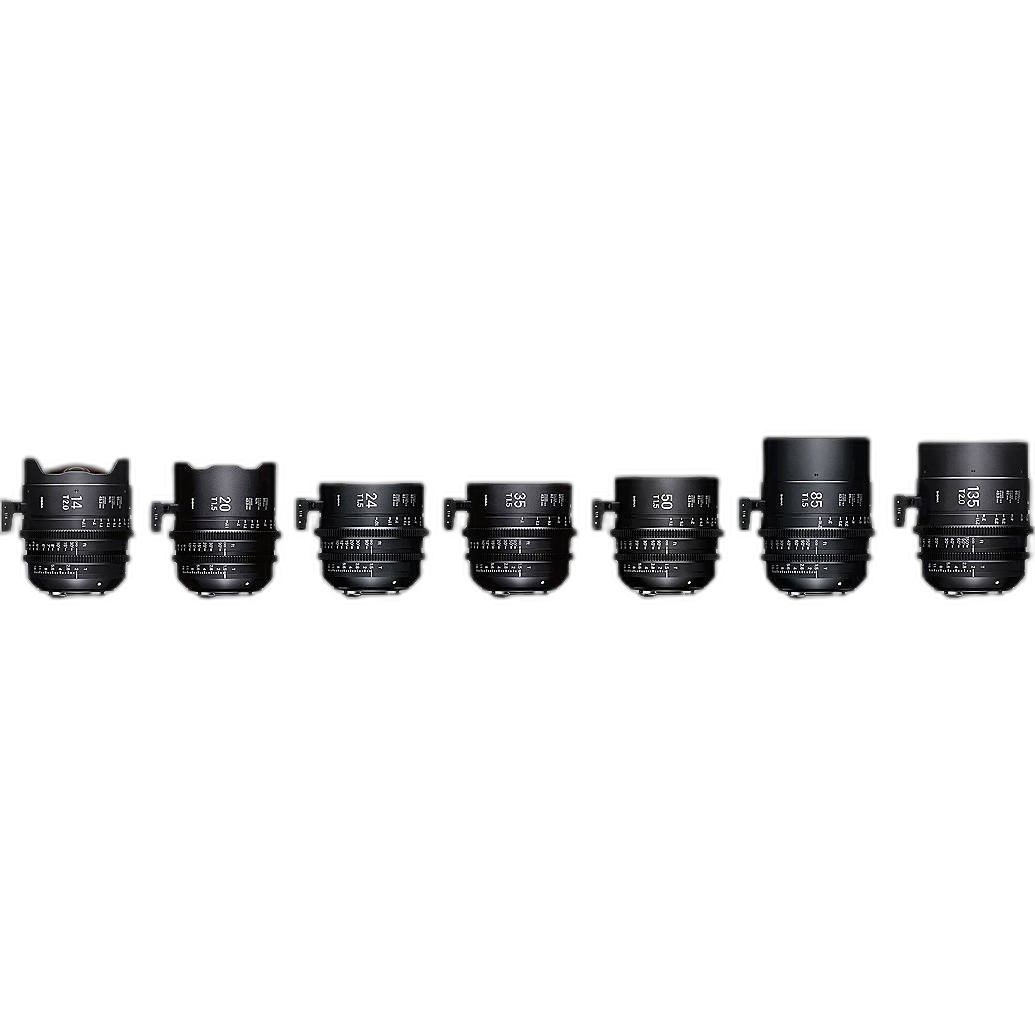
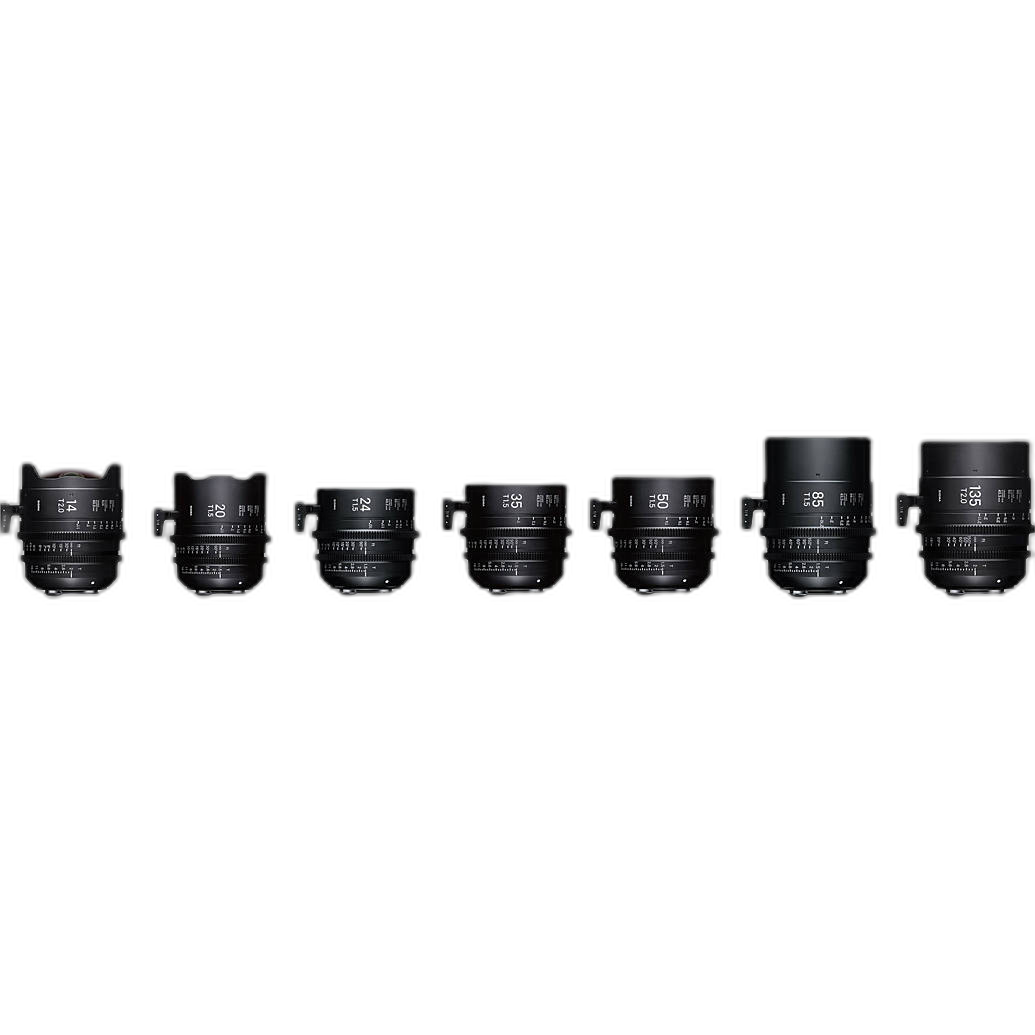
Kit lenses are where many photographers begin, and they can produce excellent images when used well. To make this comparison useful, we’re looking at the practical lessons photographers can apply with a basic kit lens, while also comparing that mindset against a major step up: Sigma’s T2/T1.5 FF 7-lens cinema kits in multiple mounts and configurations. While these Sigma kits are not kit lenses in the traditional sense, they make an interesting comparison point because they show what happens when you move from learning fundamentals on an affordable zoom to working with a purpose-built, fast, full-frame prime lens set.
If your goal is to shoot better photos with the lens you already have, this guide focuses on technique first: light, focal length choice, aperture control, stability, and composition. Along the way, we’ll compare several Sigma cine kits by mount and scale style so you can better understand what premium lens systems offer beyond a standard starter lens.
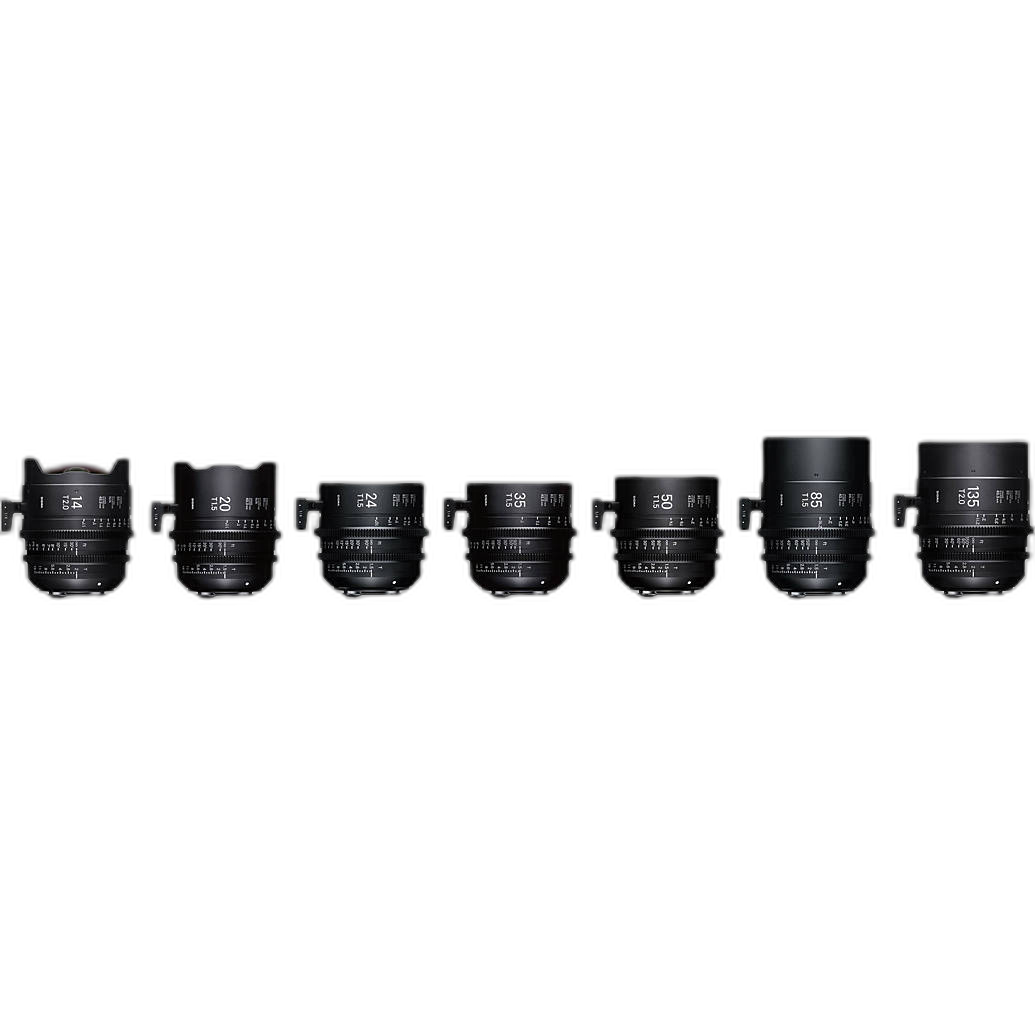
Side-by-Side Specs Comparison
| Product | SKU | Mount | Type | Scale Style | Best For |
|---|---|---|---|---|---|
| Sigma T2/T1.5 FF 7 Lens Kit with Case (PL) | SGC140 | PL | Full-frame cine prime kit | Standard | PL cinema workflows |
| Sigma T2/T1.5 FF 7 Fully Luminous Lens Kit with Case (Canon EF) | SGC220 | Canon EF | Full-frame cine prime kit | Fully luminous | Low-light set work, EF cinema rigs |
| Sigma T2/T1.5 FF 7 Lens Kit with Case (Canon EF) | SGC138 | Canon EF | Full-frame cine prime kit | Standard | EF users seeking a complete cine set |
| Sigma T2/T1.5 FF 7 Fully Luminous Lens Kit with Case (PL) | SGC222 | PL | Full-frame cine prime kit | Fully luminous | Professional PL productions |
| Sigma T2/T1.5 FF 7 Fully Luminous Lens Kit with Case (PL, Metric) | SGC263 | PL | Full-frame cine prime kit | Fully luminous, metric | PL crews using metric focus scales |
| Sigma T2/T1.5 FF 7 Fully Luminous Lens Kit with Case (Canon EF, Metric) | SGC261 | Canon EF | Full-frame cine prime kit | Fully luminous, metric | EF crews using metric scales |
| Sigma T2/T1.5 FF 7 Lens Kit with Case (Sony E) | SGC139 | Sony E | Full-frame cine prime kit | Standard | Sony E users needing native fit |
| Sigma T2/T1.5 FF 7 Fully Luminous Lens Kit with Case (Sony E, Metric) | SGC262 | Sony E | Full-frame cine prime kit | Fully luminous, metric | Sony E cinema setups with metric workflow |
How This Relates to Better Photos with a Kit Lens
Before thinking about lens upgrades, it helps to understand that better photos usually come from better decisions, not just better glass. A kit lens often has a slower maximum aperture and a more limited optical signature than a cinema prime, but the fundamentals still matter more:
- Use the widest aperture wisely for subject separation.
- Choose focal lengths intentionally instead of zooming randomly.
- Work with light direction rather than fighting it.
- Stabilize the camera when shutter speed drops.
- Get closer to your subject to improve impact.
These same principles are what make a premium lens kit shine in the hands of an experienced shooter.
1. Use Your Best Focal Length, Not Just the Whole Zoom Range
One of the easiest ways to improve photos with a kit lens is to learn where that lens performs best. Many starter zooms are sharpest when stopped down a bit and often look cleaner in the middle of the zoom range than at the extreme wide or telephoto ends. Instead of treating the zoom ring like a convenience tool, treat each focal length choice as a creative decision.
That’s one major difference between a kit lens and a set like Sigma’s 7-lens T2/T1.5 FF kits: prime-lens shooting encourages discipline. You commit to a focal length, move your feet, and refine composition more deliberately.
2. Light Matters More Than Lens Price
If your kit lens isn’t giving you the look you want, the real issue may be lighting. Move your subject closer to a window, shoot in open shade, or time outdoor sessions for early morning or late afternoon. Even an inexpensive lens can produce attractive images in soft directional light.
By comparison, Sigma’s fully luminous lens kit variants are designed for visibility and usability in demanding production environments, especially where crews need to read markings quickly in lower-light conditions. That’s a workflow advantage, but it still doesn’t replace good lighting technique. Better light improves every lens.
3. Don’t Always Shoot Wide Open
Many photographers assume the key to better photos is using the widest aperture possible. With kit lenses, that can be limiting because edge sharpness and overall contrast may improve when you stop down slightly. For portraits, you may still want the widest available setting, but for landscapes, travel, and group shots, stopping down often delivers more consistent results.
High-end cine primes like Sigma’s T2/T1.5 full-frame lenses provide far more speed and control, but technique still matters. A sharper image from a kit lens at f/8 can look much better than a rushed image from an expensive lens used carelessly.
4. Focus Accuracy Is a Bigger Deal Than Most Beginners Realize
Soft photos are often caused by missed focus, not poor lens quality. If you’re shooting with a kit lens, use single-point autofocus for still subjects, and make sure the focus point is on the eyes for portraits. In low light, take an extra moment to confirm focus before pressing the shutter.
This is another place where dedicated lens systems stand apart. Sigma’s cinema kits are built for controlled, repeatable manual focus workflows, especially useful in professional video production. For still photographers, the lesson is simple: precision matters. Slowing down improves results.
5. Improve Sharpness with Better Stability
When your kit lens has a modest maximum aperture, shutter speed becomes more critical indoors or at dusk. Raise ISO when needed, brace yourself against a wall, use a tripod, or shoot bursts to increase your chances of getting one sharp frame. Good handholding technique can make a dramatic difference.
This is where larger, more specialized lens kits can demand more support equipment and a more deliberate workflow. If you’re still learning, mastering stability with a lightweight kit lens is actually great training.
6. Backgrounds Make or Break Images
Photographers often blame their kit lens for not getting “pro-looking” results, when the real culprit is a distracting background. Simplify the scene. Change your angle. Put more distance between the subject and the background. Even with a slower zoom, cleaner framing can dramatically improve subject separation.
Fast prime sets like Sigma’s T2/T1.5 FF kits can produce stronger blur and a more cinematic look, but separation starts with scene management. Lens quality helps, but composition does the heavy lifting.
Comparing the Sigma Kits by Buying Scenario
Best for Sony E Users
The Sigma T2/T1.5 FF 7 Lens Kit with Case (Sony E) and the Fully Luminous Lens Kit with Case (Sony E, Metric) target different types of Sony users. If you want native Sony E compatibility and don’t specifically need metric scales or luminous markings, the standard SGC139 is the simpler choice. If your workflow is more production-oriented and metric-based, SGC262 is better aligned.
Best for Canon EF Users
Canon EF shooters can choose between the standard SGC138, the fully luminous SGC220, and the fully luminous metric SGC261. For many users, the decision comes down to whether illuminated markings and metric scales are necessary for the way the kit will be used. If not, the standard EF kit offers a more straightforward path.
Best for PL Mount Productions
PL users have the broadest cinema-centric options here: SGC140, SGC222, and SGC263. If you’re matching established cinema workflows and need a full-frame prime set in PL, these versions make the most sense. Metric versus standard scale preference depends on your crew and focus-pulling conventions.
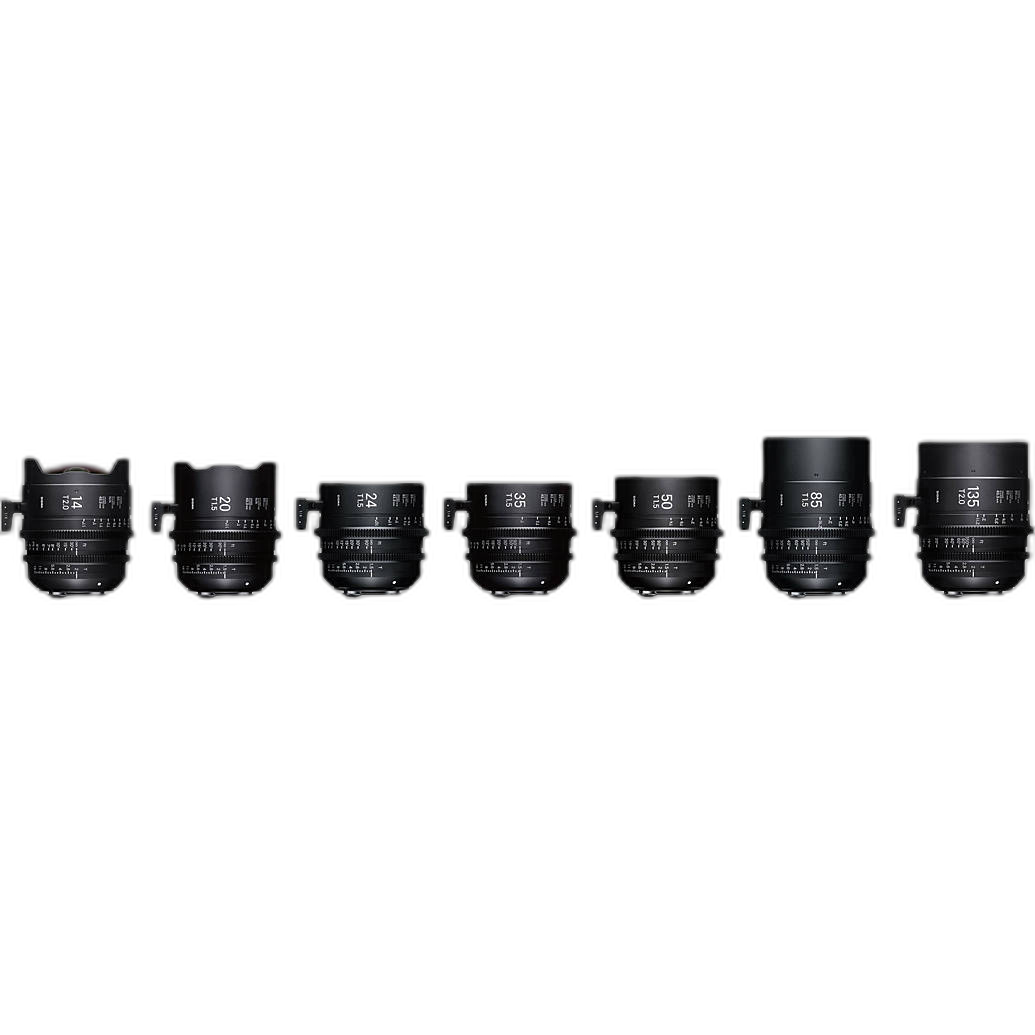
Our Pick
Our Pick: Sigma T2/T1.5 FF 7 Lens Kit with Case (Sony E) - SGC139
For a broad audience, this is the easiest recommendation in the lineup because Sony E remains a popular modern platform for hybrid shooters and filmmakers. The SGC139 delivers the core value of a complete full-frame Sigma cine prime set without adding the extra specialization of luminous metric markings. It’s the most approachable choice for users who want to step beyond the limitations of a basic starter lens and into a more serious lens ecosystem.
Final Takeaway
If you want better photos with a kit lens, focus first on light, stability, composition, background control, and thoughtful focal length selection. Those skills will improve your work immediately, no matter what lens is on your camera. Premium optics like Sigma’s T2/T1.5 FF 7-lens cinema kits offer clear advantages in speed, consistency, and professional workflow, but they reward photographers and filmmakers who already understand the fundamentals.
When you’re ready to compare lenses more seriously—from everyday starter options to advanced cinema glass—Unique Photo is a great place to explore the right system for your camera and shooting style.