Themed photo competitions ask for more than a handful of strong standalone images—they reward coherence, intent, sequencing, and presentation. This guide is for photographers building a competition-ready portfolio or photo series and wondering how to edit tightly, present professionally, and strengthen the overall story. While technique always matters, the tools you use to print, review, study, and refine your work can make the submission process far more effective.
Below, we cover practical tips for shaping a themed body of work and recommend a few smart products and learning resources that can help you prepare with confidence.
How to Build a Strong Themed Competition Entry
Before choosing gear or presentation tools, start with the fundamentals:
- Read the brief carefully: Identify whether the competition favors documentary, conceptual, fine art, travel, nature, or narrative work.
- Edit for consistency: Judges respond well to a series that feels unified in color, mood, subject matter, and visual pacing.
- Sequence with intention: Open with impact, vary rhythm in the middle, and finish with a memorable closing image.
- Print when possible: Seeing your work physically often reveals weak frames, color inconsistencies, and sequencing issues more clearly than a screen.
- Use feedback: Workshops, portfolio reviews, and photo outings can sharpen both your idea and your execution.
What Helps Most When Preparing a Portfolio or Series
For themed competitions, the most useful purchases usually fall into three categories: output tools for high-quality prints, presentation tools for organizing and reviewing work, and education to strengthen storytelling and visual coherence.
If you are serious about competition submissions, a dedicated photo printer is one of the best investments you can make. It lets you evaluate color, tonal transitions, paper choice, and sequencing in a way screens simply cannot match.
Recommended Products
Epson SureColor P5370 17-Inch Professional Photographic Printer
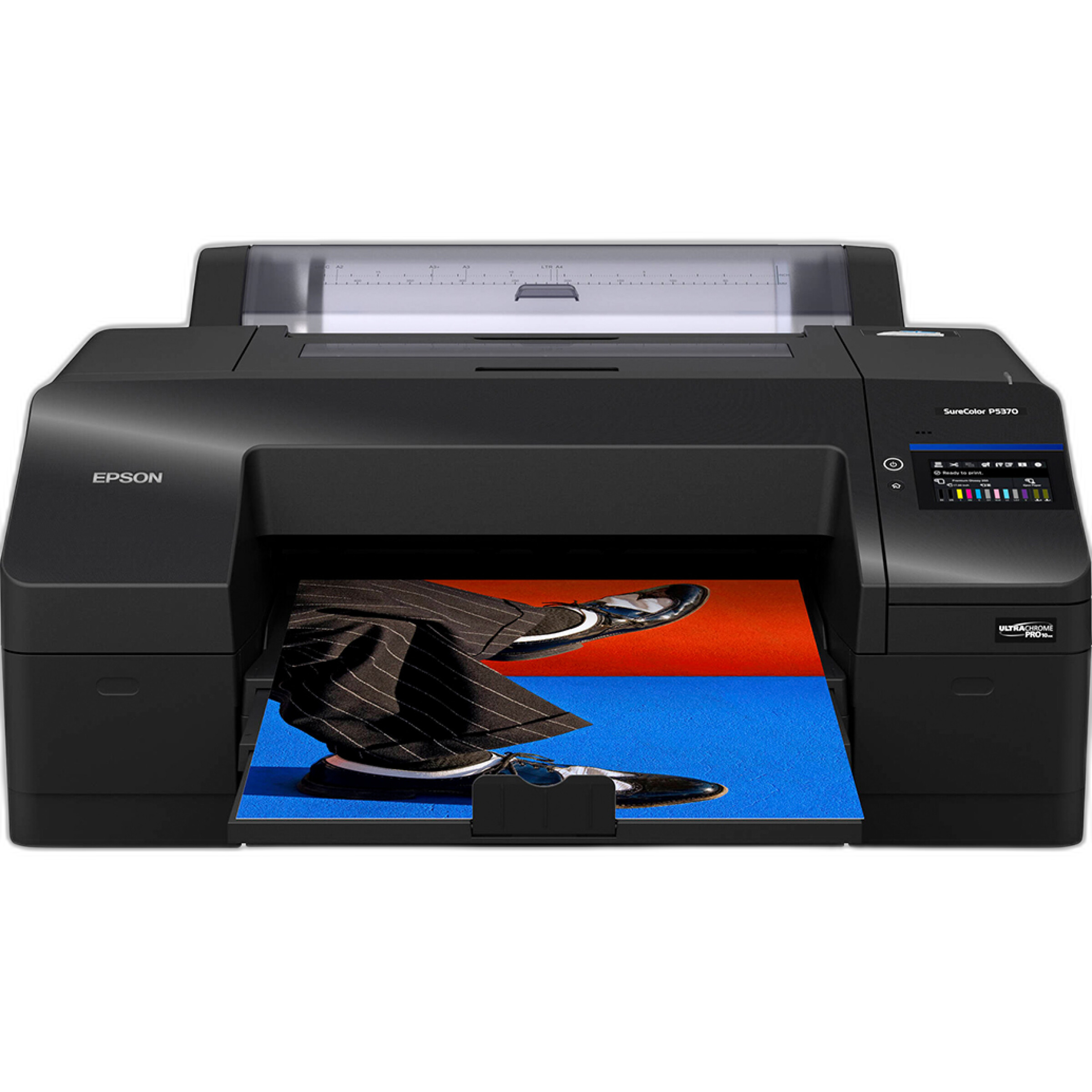
For photographers entering themed competitions, print evaluation is a major advantage. The Epson SureColor P5370 is an excellent fit for producing portfolio-quality prints that help you judge shadow detail, highlight control, color consistency, and overall presentation before submitting or mounting work.
This is especially useful when you're deciding between similar frames in a series. A print often makes the stronger image obvious. It also helps you test whether your series maintains a consistent visual language from beginning to end.
Best for: serious portfolio builders, fine art photographers, competition entrants preparing exhibition-quality output.
Why it helps: precise print review, stronger final presentation, better editing decisions.
Pioneer 4 x 6 In. Bi-Directional Memo Photo Album (200 Photos) - Black
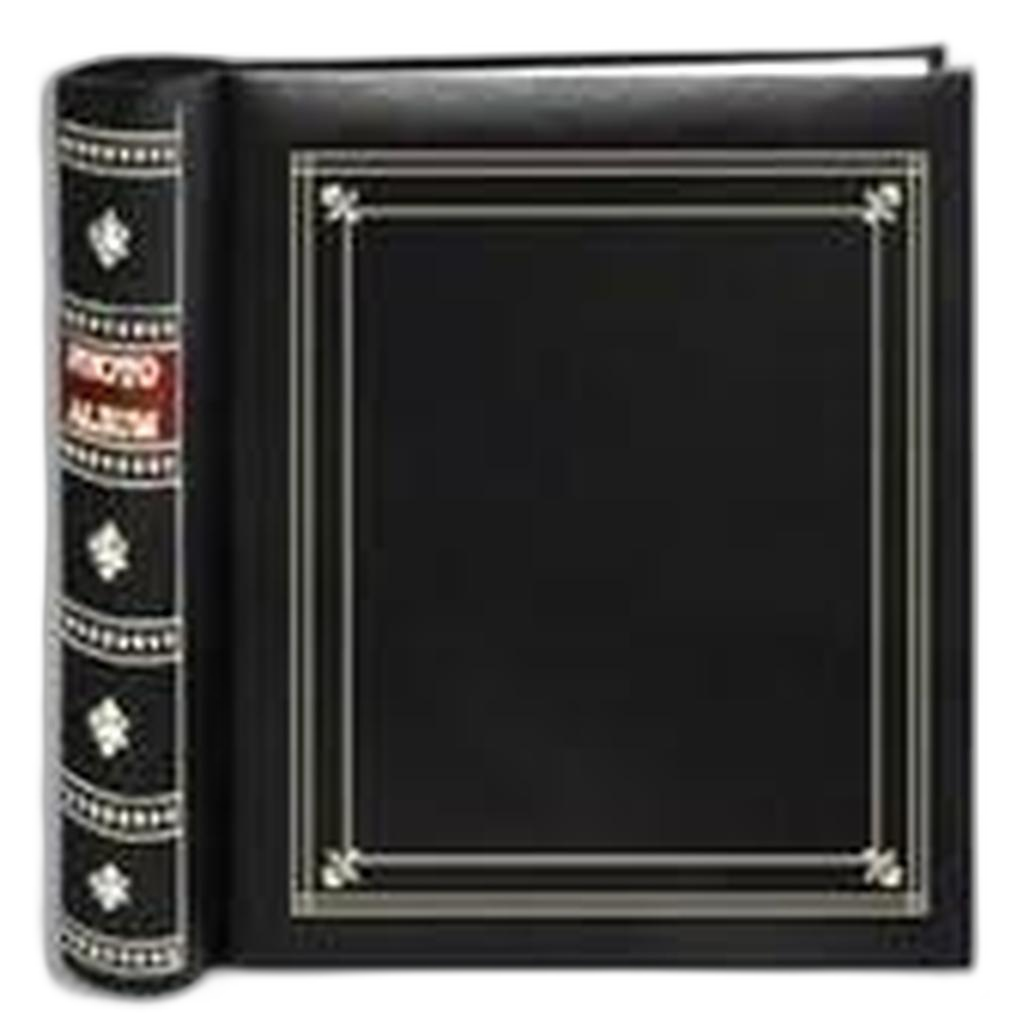
A simple photo album can be surprisingly useful during the editing phase. For photographers working on a themed competition entry, printing small work prints and placing them in an album makes it easier to compare options, test flow, and keep alternate sequences organized.
The memo area can also help you note title ideas, location details, captions, or why a particular image belongs in the final set. This is an affordable, practical tool for shaping a clear and coherent series.
Best for: organizing small prints, studying narrative flow, storing alternate edits.
Why it helps: tactile sequencing, easy review, compact portfolio planning.
Pioneer TS-246 Oxford Brass Corner Photo Album (Black, Holds 208 4x6in Photo
If your competition preparation involves presenting a polished physical portfolio to a mentor, class, or review group, a classic album can help you display your images in a more deliberate and elegant format. This style is useful for photographers who want a traditional presentation approach while evaluating a final image order.
It is also a good option for maintaining a long-term archive of completed themed projects, which can be helpful as you refine and resubmit work to future competitions.
Best for: traditional presentation, archiving completed series, mentor reviews.
Why it helps: clean organization and more formal portfolio handling.
EXPO: Stories from the Road - Photography Across Worlds w. Matthew Borowick
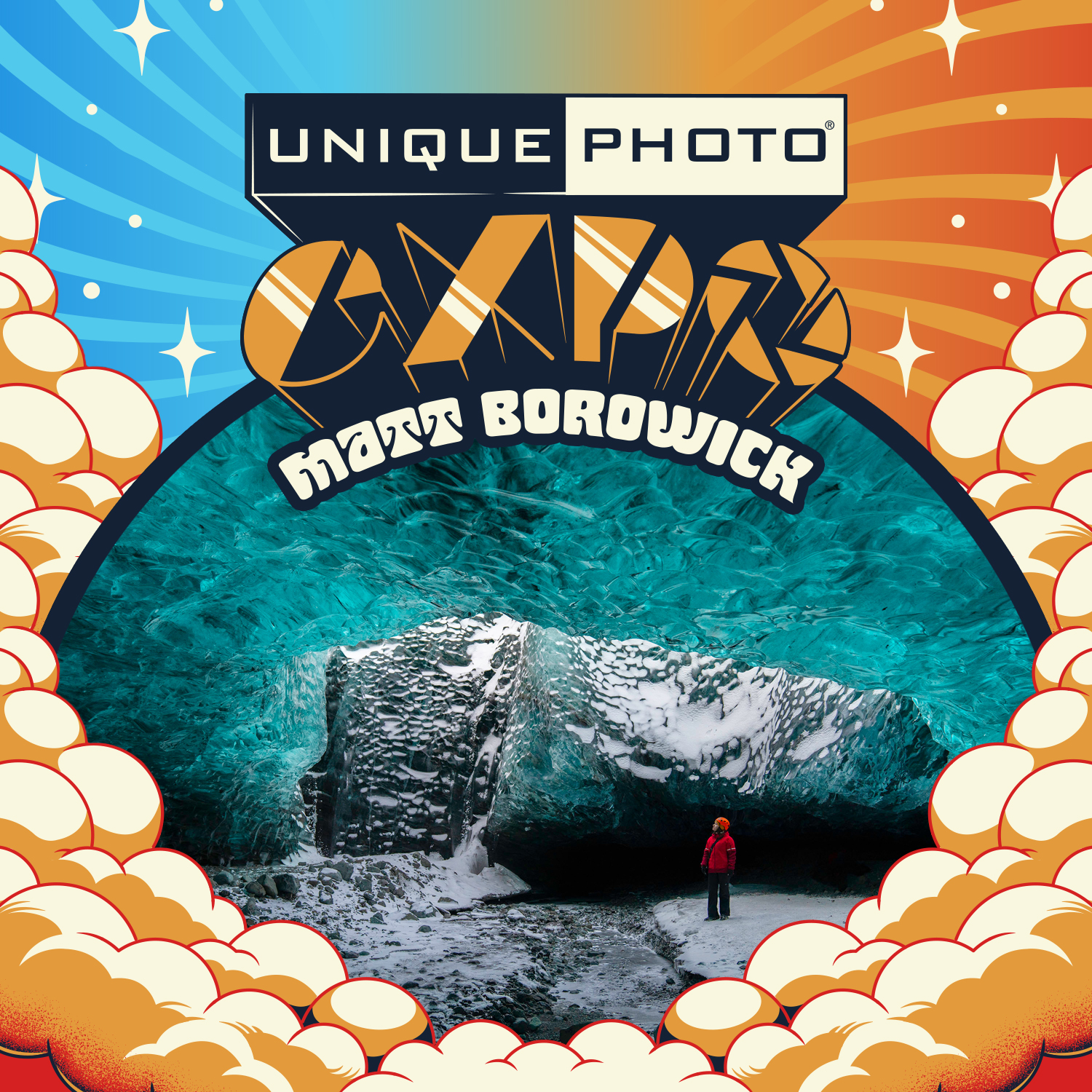
Themed competitions often come down to storytelling. A learning experience like this can help you think beyond single-image impact and focus on how images connect across a broader narrative. If your series needs stronger cohesion or emotional depth, educational events can be just as valuable as gear.
Look to experiences like this for insight into visual storytelling, project development, and how photographers build bodies of work with a recognizable point of view.
Best for: documentary, travel, and narrative-focused competition entries.
Why it helps: stronger storytelling, better series development, improved thematic clarity.
Macro and Landscape Photography at Duke Farms with Michael Downey

If your themed competition centers on nature, environment, detail, or place, a field workshop can help you gather more intentional images and improve visual consistency. This type of guided shooting experience can sharpen your approach to composition, subject selection, and building a set that feels connected.
It is especially useful if you're trying to create a more unified portfolio from scratch rather than pulling unrelated images from your archive.
Best for: nature and landscape themes, photographers building a fresh series.
Why it helps: purposeful image-making, stronger consistency, theme-driven capture.
Photograph Fluorescent Zinc Ore at Sterling Hill Mine

One of the fastest ways to improve a competition entry is to commit to a unique subject and explore it deeply. An excursion like this encourages concentrated work around an unusual visual theme, making it easier to produce a distinctive and memorable series.
For photographers entering themed contests, unique environments can help generate a body of work with immediate identity—something judges often remember.
Best for: conceptual, abstract, science, and niche subject themes.
Why it helps: standout subject matter, cohesive visual opportunities, fresh portfolio material.
Freewell Snow Mist Diffusion Filter Compatible with K2 Filter Series (1/4)
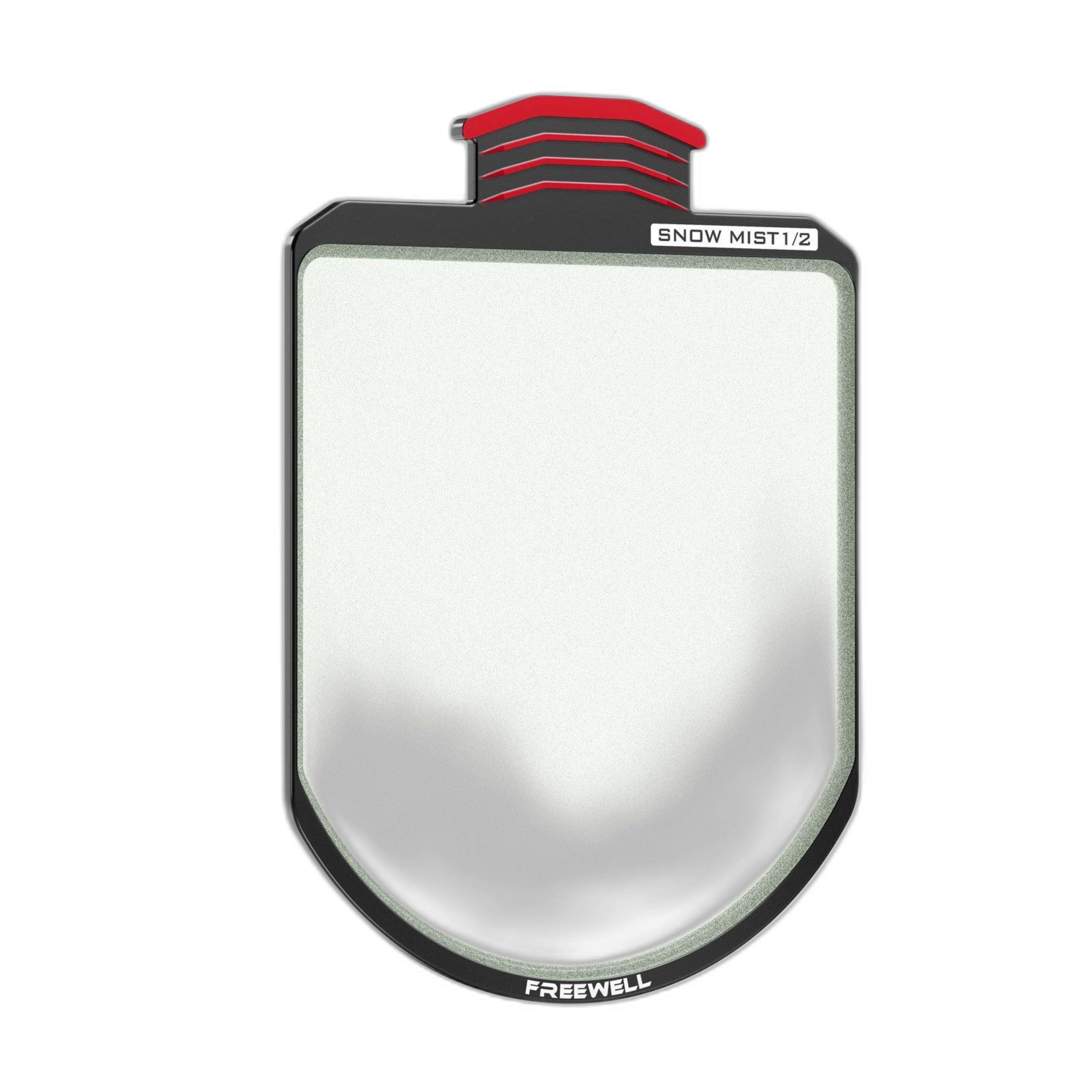
Although presentation and editing matter most, capture style also plays a role in themed competitions. A diffusion filter like the Freewell Snow Mist can help create a softer, more atmospheric look that supports mood-driven series, especially portrait, cinematic, or fine art projects.
Used carefully, a consistent filtration choice across a project can help unify the visual feel of the series. Just be sure the effect serves the concept rather than distracting from it.
Best for: portrait, cinematic, and mood-heavy competition themes.
Why it helps: visual consistency, atmospheric rendering, stylized cohesion.
Comparison Table
| Product | Best Use | Main Benefit for Competitions | Ideal Photographer |
|---|---|---|---|
| Epson SureColor P5370 | Printing and final evaluation | Helps refine color, tonal quality, and final presentation | Serious competitors and fine art photographers |
| Pioneer 4 x 6 Memo Album | Sequencing work prints | Makes it easier to compare edits and test story flow | Photographers organizing a developing series |
| Pioneer TS-246 Album | Physical presentation and archive | Provides a cleaner, more formal review format | Photographers preparing mentor or review sessions |
| Stories from the Road | Storytelling education | Strengthens narrative and thematic cohesion | Documentary and travel-focused entrants |
| Duke Farms Workshop | Guided image-making | Improves consistency while building a new project | Nature and landscape photographers |
| Sterling Hill Mine Excursion | Unique subject exploration | Creates memorable, visually distinctive series material | Creative and concept-driven photographers |
| Freewell Snow Mist Filter | In-camera visual style | Adds mood and a consistent look across images | Portrait and cinematic shooters |
Practical Tips for Final Submission
- Keep the set tight: A strong set of 6–10 images usually beats a diluted set of 15.
- Avoid repetition: If two images do the same job, choose the stronger one.
- Match processing: Make sure contrast, white balance, and cropping feel intentional across the series.
- Print a draft sequence: Even small prints can reveal pacing and redundancy.
- Get outside feedback: Ask whether the theme is clear without explanation.
- Write a concise artist statement: Support the work, but let the images do most of the talking.
Conclusion
Preparing a portfolio or photo series for a themed competition is ultimately about clarity: clear concept, clear sequencing, and clear presentation. If you want the single most impactful tool for improving your final submission, the Epson SureColor P5370 stands out as the best investment because it helps you evaluate and present your work at a much higher level. For photographers still shaping their series, an affordable album and a strong workshop or photo experience can also make a meaningful difference.
Whether you are refining a finished project or building a new one from the ground up, Unique Photo offers the printers, presentation tools, and educational opportunities to help you submit your strongest work.