Entering a print-based photo contest is about more than choosing a strong image on screen. Judges evaluate color, tonal range, sharpness, presentation, and overall impact in print, which means your preparation process matters just as much as your capture. Whether you print at home or work through test rounds before your final submission, these tips can help you present your photographs with confidence.
1. Start with an image that holds up under close inspection
Choose files with detail, clean editing, and strong intent
Print contests invite viewers to get close, so minor issues that are easy to miss on a monitor can become obvious on paper. Before you commit to printing, zoom in and check for halos from over-sharpening, blocked shadows, clipped highlights, distracting noise, and dust spots. A contest-worthy print usually comes from a file with both technical quality and a clear visual point of view.
If you want to strengthen your eye for what makes a landscape or macro image compelling in print, workshops such as Macro and Landscape Photography at Duke Farms with Michael Downey can be a useful way to refine composition and capture habits before you even reach the editing stage.

2. Edit for paper, not just for your monitor
Brightness and contrast often need adjustment before printing
Many photographers prepare images on bright displays, then wonder why the print looks too dark. A calibrated workflow helps, but it is also important to evaluate your image with print in mind. Reduce screen brightness to a realistic level, make careful contrast adjustments, and pay attention to subtle transitions in highlights and shadows. Matte and fine art papers may hold tone differently than glossy media, so a small test print can save you from a disappointing final submission.
Viewing your file as a physical object rather than a backlit image is one of the biggest mindset shifts in print competition preparation.
3. Soft-proof whenever possible
Preview how your colors will translate to your printer and paper
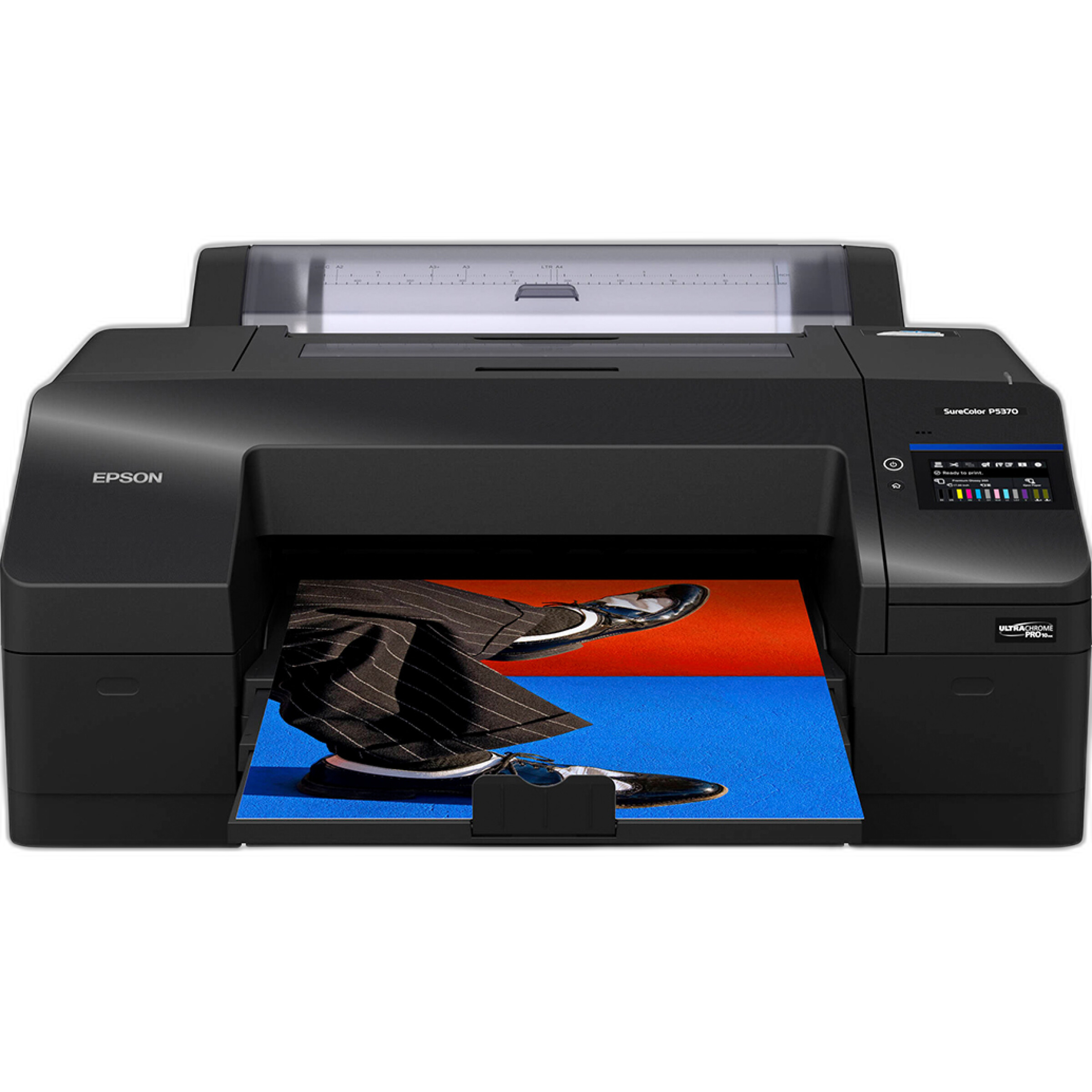
Soft-proofing can reveal out-of-gamut colors, weak shadow separation, and tonal shifts before ink ever hits paper. If you are printing in-house, a dedicated printer like the Epson SureColor P5370 17-Inch Professional Photographic Printer gives photographers serious control over output quality, making it easier to fine-tune prints for contest standards. Pairing careful soft-proofing with a high-end printer can help preserve delicate gradations and nuanced color that judges notice.
4. Pay special attention to color-critical inks
Accurate color reproduction matters, especially in vivid scenes
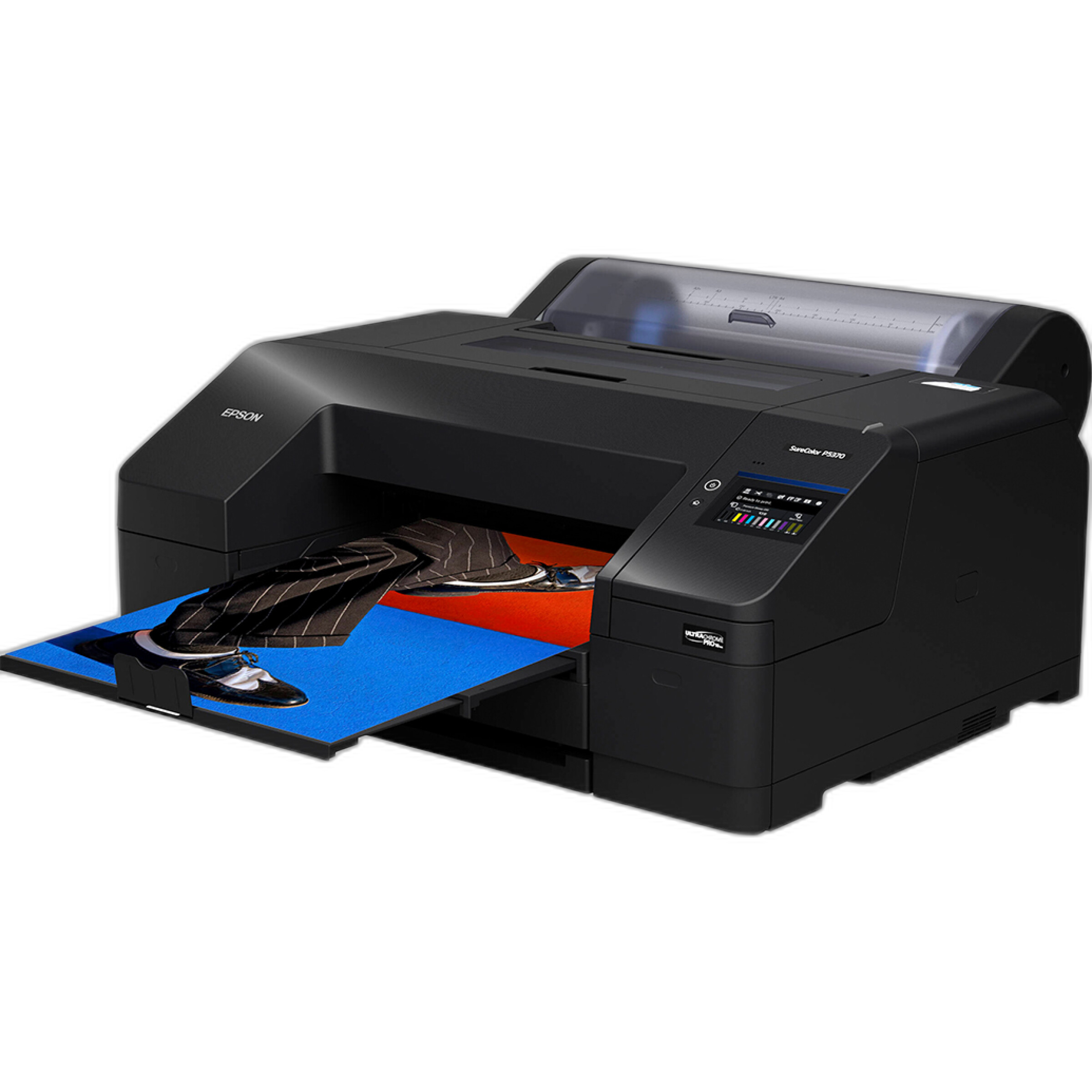
If your image includes flowers, fashion, sunsets, neon, or richly saturated fine art subjects, color precision is essential. For photographers printing on Canon systems, keeping fresh consumables on hand, such as the Canon PFI-4100 Magenta Ink for PRO-1000 Printer, helps maintain consistency in hues that can easily shift in print. Contest judges may not know what your file looked like on screen, but they will absolutely notice muddy reds, weak magentas, or lifeless color relationships in the final print.
5. Print test versions before the final piece
Small proofs can reveal big problems
Even if your final contest entry will be larger, making smaller test prints is one of the smartest steps in the process. Use them to judge edge sharpness, tonal balance, skin rendering, and local contrast. A test print can also show whether your crop feels too tight or whether a subtle distraction in the background becomes more noticeable on paper.
This step is especially important for unusual or high-detail subjects, where texture and tonal separation can make or break a print’s impact.
6. Be careful with sharpening
Print sharpening should be intentional and output-specific
Sharpening that looks crisp on a monitor can look harsh and brittle in print. Apply capture sharpening, creative sharpening, and output sharpening as separate decisions rather than one heavy-handed pass. The paper surface, print size, and viewing distance all affect how much sharpening is appropriate. Contest prints should feel refined, not overprocessed.
If you are preparing highly textured nature or macro work, practicing in real-world environments and educational outings like Photograph Fluorescent Zinc Ore at Sterling Hill Mine can help you learn how unusual surfaces and glow effects reproduce in print.

7. Consider presentation and handling from the start
Protect your best prints as you evaluate and transport them
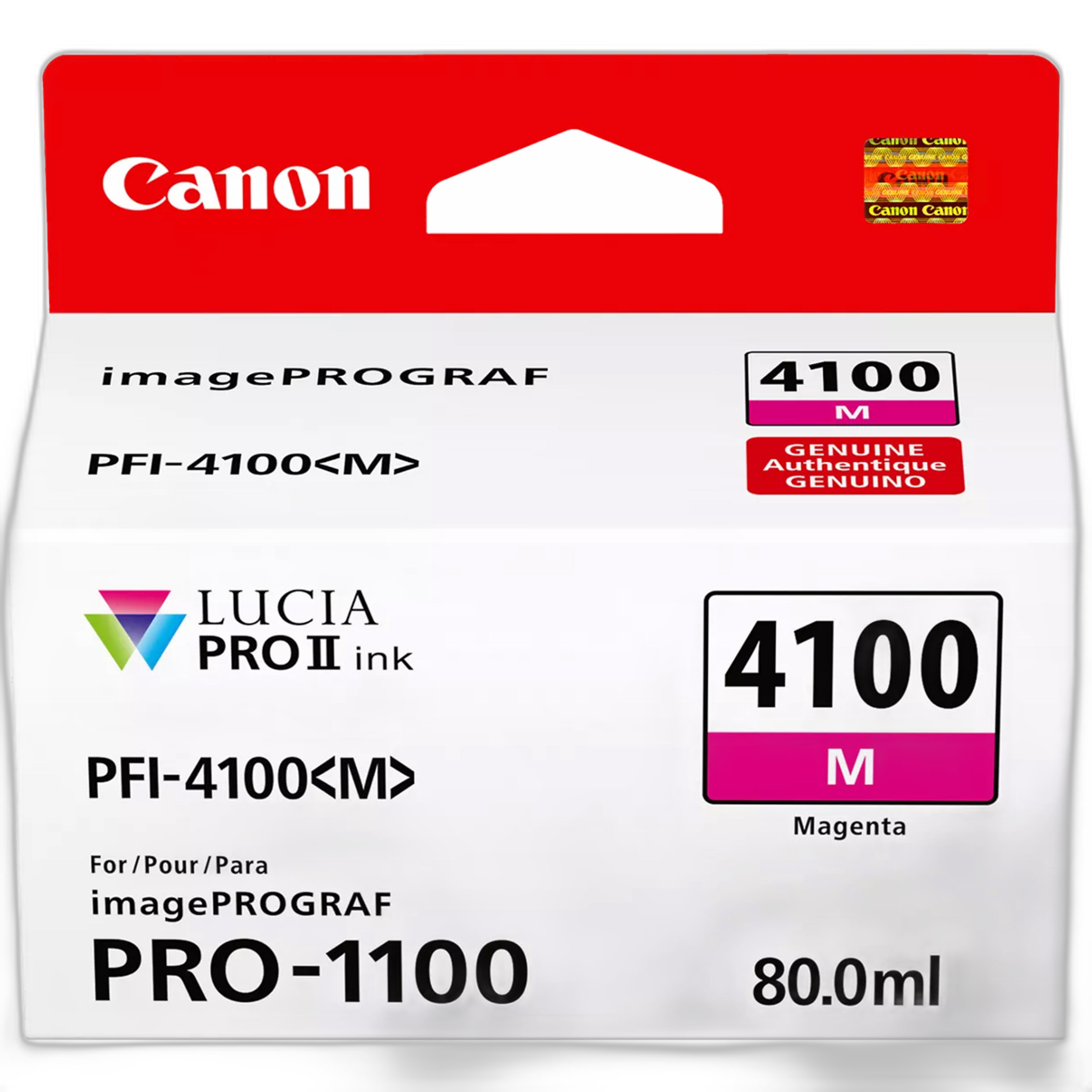
Once you begin making test prints, keeping them organized is surprisingly helpful. A simple archival storage solution like the Pioneer 4 x 6 In. Bi-Directional Memo Photo Album can be useful for holding smaller proofs, sequence tests, or alternate edits you want to compare over time. Looking through physical versions side by side often leads to better decisions than flipping quickly through digital files.

If you generate multiple rounds of proof prints, Pioneer Album Refill Pages for BP-200 Album can also help you keep variations sorted by paper type, crop, or edit version. The more methodical your process, the easier it is to spot the strongest final submission.
8. Study visual storytelling, not just print technique
Impact matters as much as technical perfection
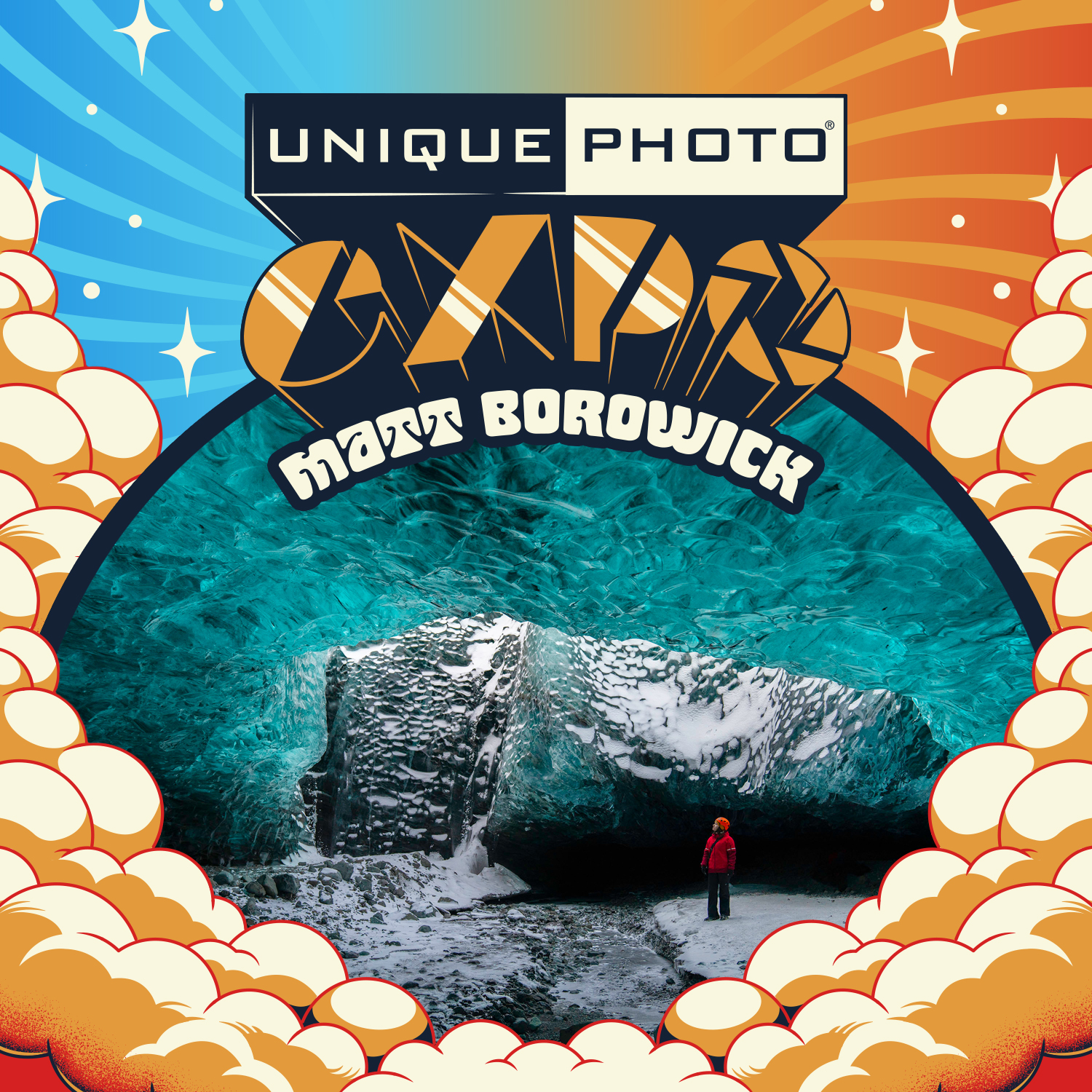
Many contest judges respond first to emotion, timing, and storytelling. Technical excellence supports the image, but it does not replace a compelling idea. If you want to deepen your sense of visual narrative, events like EXPO: Stories from the Road - Photography Across Worlds with Matthew Borowick can offer inspiration on building images that resonate beyond pure sharpness or color.
9. Archive selects and finalists carefully
Keep your strongest prints safe for future entries and review
Not every excellent print wins on its first outing. Maintaining a physical archive of finalists, alternates, and previous submissions makes it easier to revisit work for future contests, portfolio reviews, or exhibitions. For loose print storage and presentation, the Pioneer TS-246 Oxford Brass Corner Photo Album can be a practical option for organizing images while keeping them protected and easy to review.
Building an archive also lets you track your progress over time, which is valuable if you regularly enter juried competitions.
Conclusion
Preparing images for print-based photo contests is a craft of its own. From file selection and soft-proofing to test printing, sharpening, and careful storage, each step improves your odds of presenting work at its best. Take the time to refine both the image and the print, trust the process, and keep learning from every submission. For tools, inspiration, and photography education, Unique Photo is a great resource as you continue building contest-ready work.