Portrait photographers love film because every stock brings its own personality to skin tones, contrast, grain, and color. When photographers compare portrait films, the conversation usually comes down to three things: how flattering the stock is on different complexions, how flexible it is in common lighting setups, and how much it costs to shoot consistently. If you're trying to decide what to load for your next portrait session, these tips can help you narrow down your options and build a workflow that gives you beautiful results without overspending.
Start by Matching Film Stock to the Mood You Want
1. Choose soft, natural stocks for classic portraits
Many portrait photographers recommend lower-contrast color negative films when the goal is gentle skin tones and a timeless feel. These types of stocks are especially popular for window light portraits, open shade, and outdoor golden-hour sessions because they hold highlights well and keep transitions smooth across the face. If your portraits lean romantic, understated, or family-oriented, this category is usually the safest starting point.
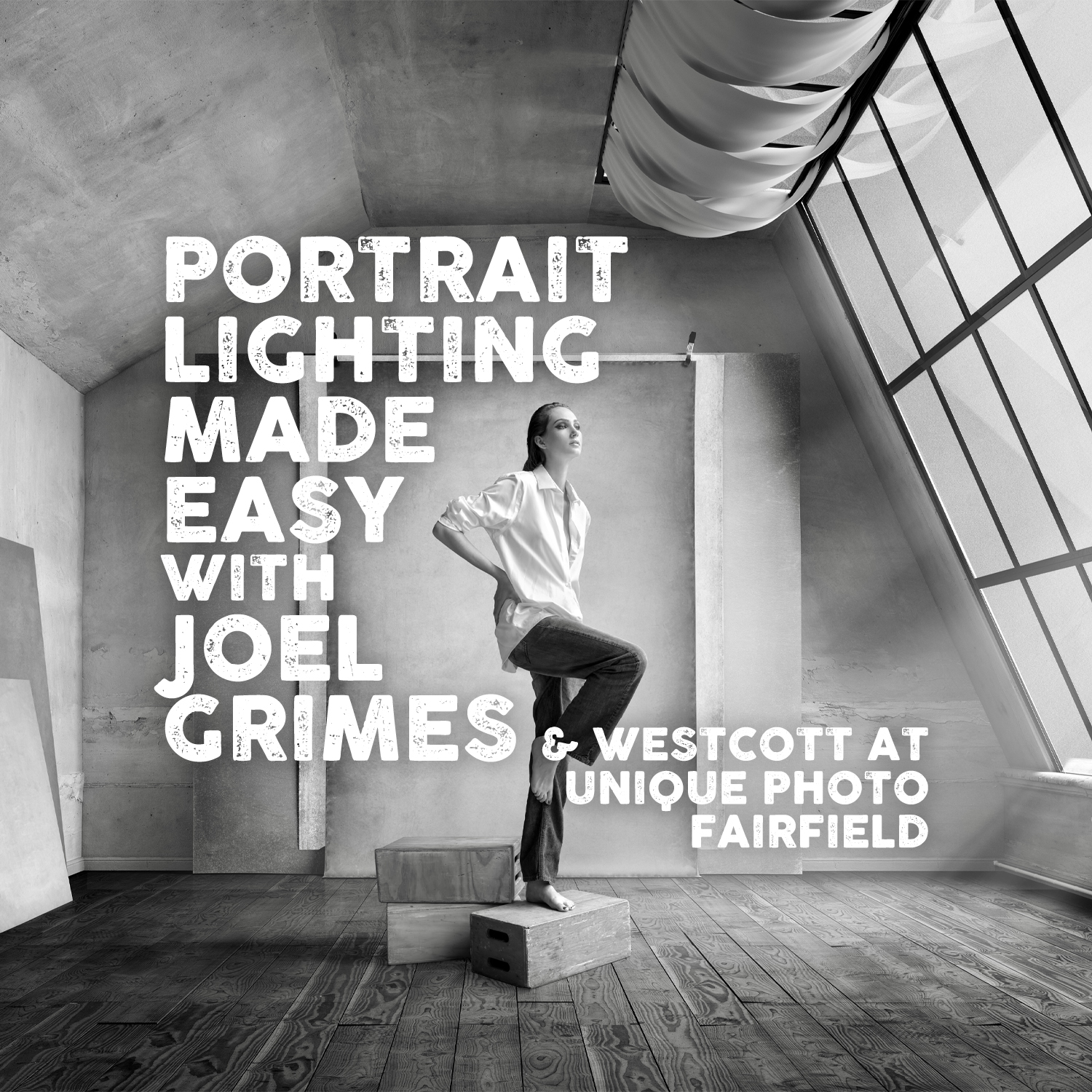
For photographers still refining light placement, studying portrait lighting can be just as important as choosing the film itself. A resource like Portrait Lighting Made Easy with Joel Grimes (Westcott) fits naturally into this process, especially if you want to understand how a film-friendly lighting setup affects contrast and shadow detail before you even press the shutter.
2. Pick more saturated stocks when you want fashion-forward color
Some shooters prefer portrait films with richer color and stronger contrast for editorial, street-style, or stylized environmental portraits. These options can make wardrobe, backgrounds, and makeup pop, but they also require more care with exposure. When photographers compare results, they often note that bolder films look best when lighting is controlled and the subject's styling is part of the image design.
Think About Skin Tones and Exposure Latitude
3. Prioritize exposure forgiveness for mixed lighting
One reason color negative film remains a portrait favorite is its forgiving latitude. Photographers frequently recommend forgiving stocks for sessions that move between sun, shade, interiors, and practical light. If you tend to work quickly with changing light, a stock that tolerates overexposure gracefully is often more useful than one that demands perfect metering.
This is especially true when shooting medium format portraits with a compact vintage camera like the Used Voigtlander Perkeo I 6x6 120 Film Camera - Good. Cameras like this can produce gorgeous square portraits, and pairing them with a forgiving film stock gives you more room to concentrate on expression, pose, and composition instead of chasing absolute exposure precision.
4. Test how a film renders different complexions
Photographers comparing portrait stocks often discover that a film they love for one subject may feel slightly different on another. Some stocks lean warmer, some cooler, and some emphasize reds or yellows more strongly. The best approach is to shoot the same subject, in the same light, on two or three films and compare scans or prints side by side. That real-world test tells you far more than online opinions alone.
Use Simple Shooting Setups to Evaluate Film Honestly
5. Try window light for your first comparisons
A window-light setup is one of the easiest ways to compare portrait films fairly. Keep your subject near a large indirect window, use a plain background, and meter consistently. This eliminates too many variables and lets you focus on what the film is doing with skin tone, highlight roll-off, and shadow detail.
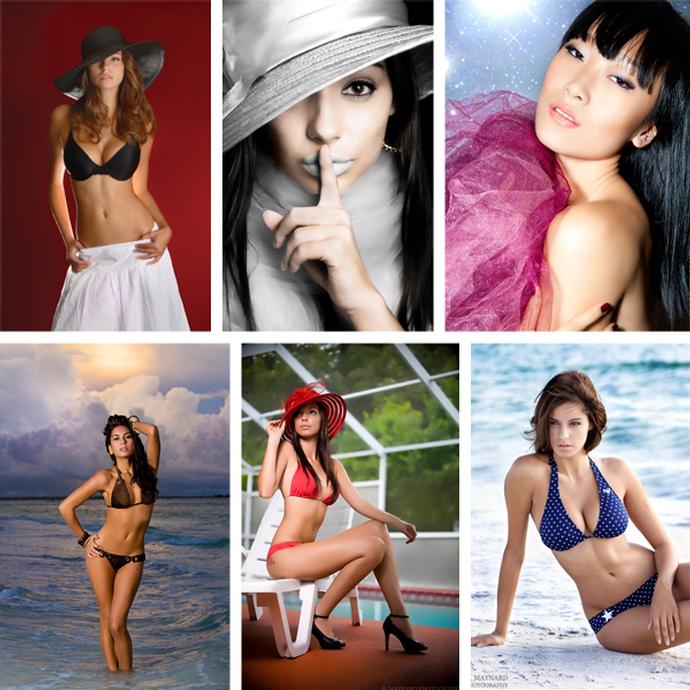
If you want to improve these kinds of foundational setups, a workshop like Stunning Portraits Workshop with David Maynard and ExpoImaging can help photographers refine the posing and lighting choices that make film portraits look intentional rather than accidental.
6. Use one off-camera light setup for controlled comparisons
Another smart approach is to photograph the same subject using a single soft light source, a reflector, and a consistent background. When photographers compare stocks under studio-style conditions, they can see more clearly how each film handles saturation, contrast, and skin texture. A predictable setup makes it easier to decide whether a film is naturally flattering or whether earlier results were just due to changing light.
Balance Look and Cost for Everyday Portrait Sessions
7. Save premium stocks for paid work and key sessions
Many photographers recommend dividing portrait films into "signature" and "practice" stocks. Signature films are the ones you use for client work, personal projects, or important portraits where you want the look you know and trust. Practice films are more cost-effective options for testing locations, trying new lighting, or shooting casual sessions. This strategy keeps your per-session cost manageable without sacrificing quality when it matters most.
8. Consider medium format carefully because cost adds up fast
Portrait photographers love medium format for its tonality and presence, but 120 film can become expensive quickly when you're shooting multiple setups. If you're using a camera like the Used Voigtlander Perkeo I 6x6 120 Film Camera - Good, plan your frames more deliberately. Medium format rewards slower portrait sessions, stronger communication, and better previsualization. That discipline often leads to better portraits, but it also means your film choice should match your budget and pace.
Don’t Overlook the Importance of Reviewing Prints
9. Judge portrait films in print, not only on scans
Online discussions about film stocks often rely entirely on scans, but portrait photographers know that prints tell a fuller story. The way a film stock handles skin, color separation, and contrast can feel very different on paper. If you're comparing options for portrait work, reviewing prints can help you decide which stock really delivers the emotional quality you want.
For photographers producing physical samples or client proofs, materials like Fujifilm DIGITAL PRO 12X354 GLOSSY can be part of a polished presentation workflow when evaluating final portrait color and surface finish.
10. Keep your print workflow consistent
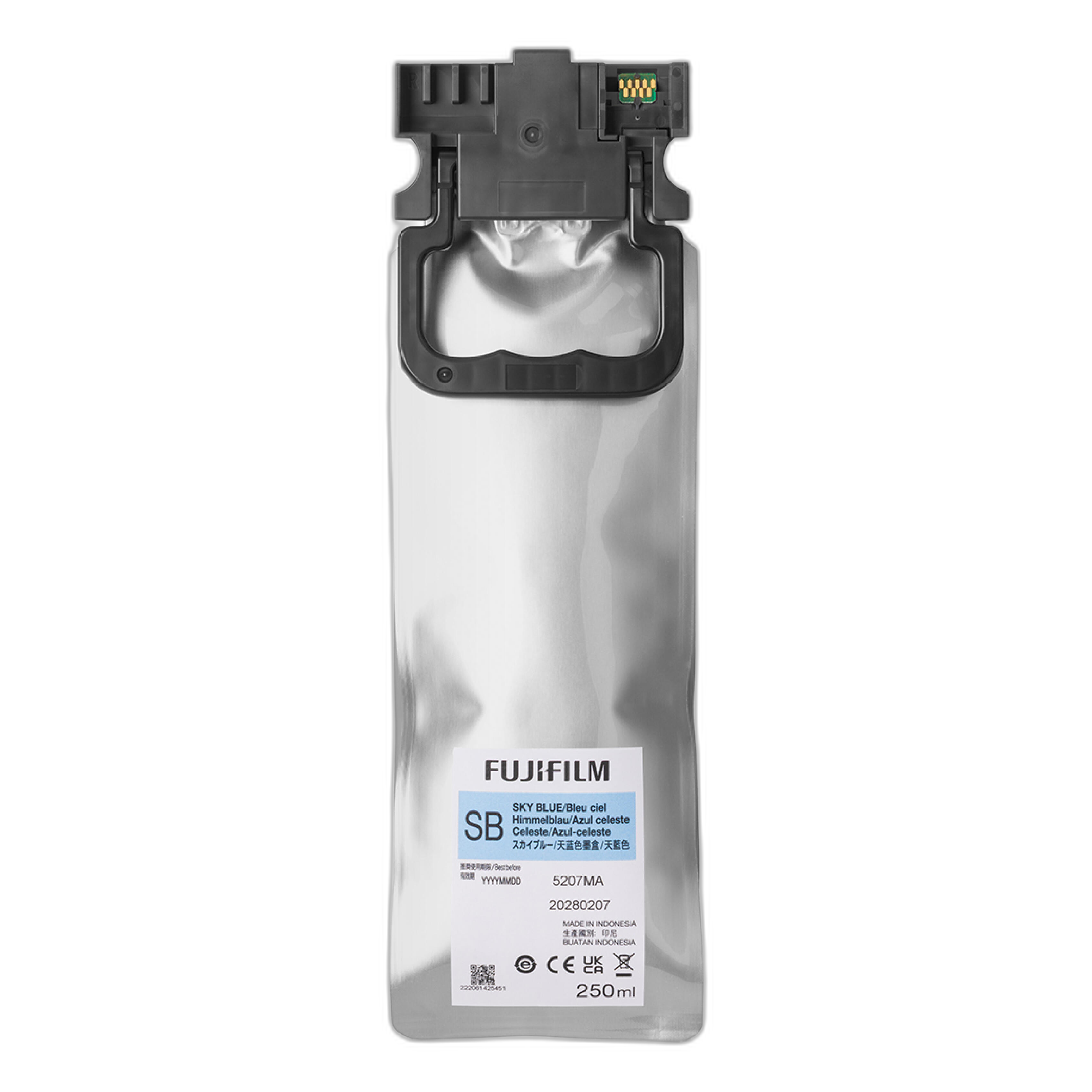
If you're comparing multiple portrait stocks, make sure your print workflow stays consistent too. Paper, chemistry, and output settings can influence how warm, cool, soft, or saturated a portrait appears. Products such as Fujifilm Sky Blue Ink for DX400W and professional Fujifilm paper options fit naturally into a repeatable print evaluation process when you're trying to assess color accuracy and portrait consistency across sessions.
Build a Repeatable Portrait Film Workflow
11. Take notes on stock, light, lens, and meter readings
The photographers who get the most reliable portrait results on film usually keep simple but detailed notes. Record the film stock, ISO rating, lighting setup, lens, exposure, and whether you scanned or printed the final image. Over time, you will see patterns emerge: which films flatter certain skin tones, which stocks work best in backlight, and which options give the best value per roll.
12. Pair film portraits with a dependable digital support workflow
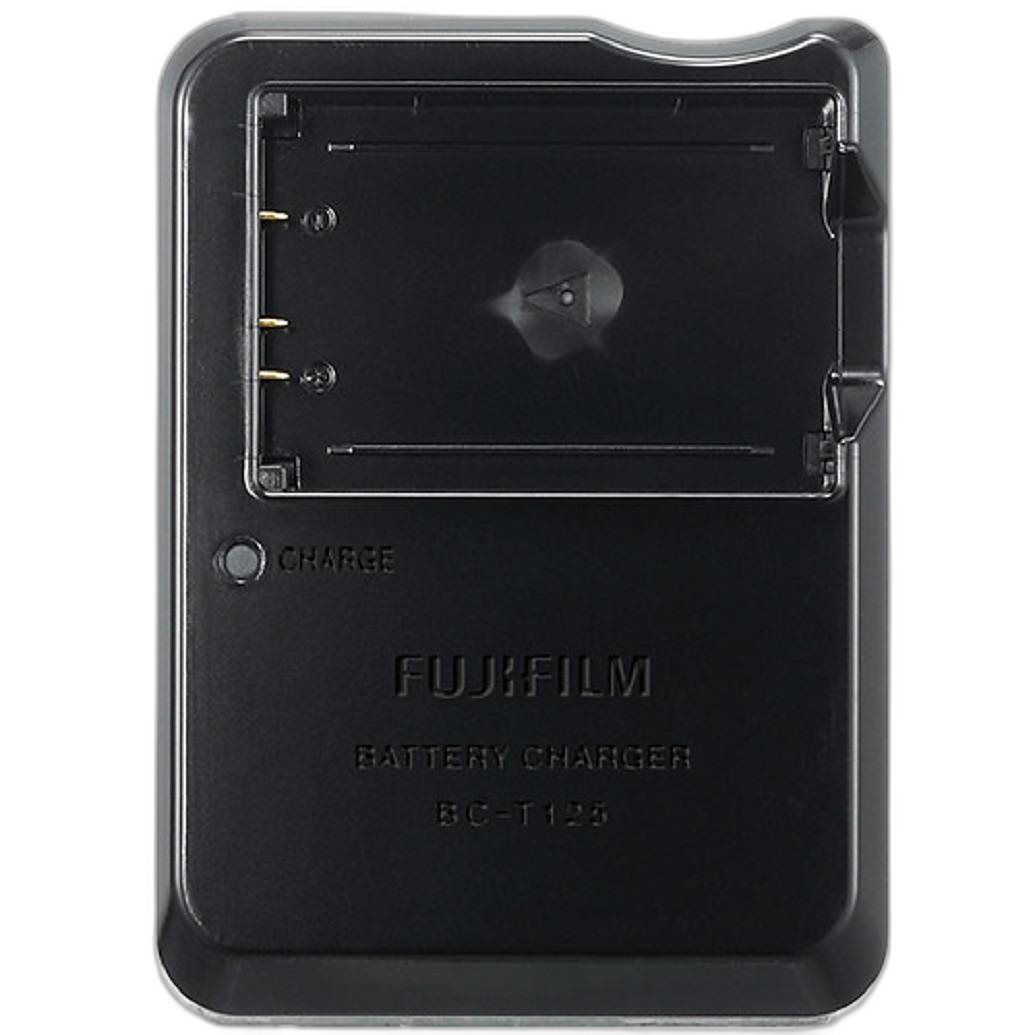
Even film-focused portrait photographers often use digital tools alongside their analog process for lighting tests, behind-the-scenes work, or reference shots. Keeping your accessories organized and ready matters, and something as practical as the Fujifilm BC-T125 Battery Charger for GFX 50S 50R GFX100 supports a hybrid workflow for photographers using a Fujifilm GFX body to pre-visualize lighting before switching to film.
Conclusion
The best portrait film stock is the one that matches your subject, your lighting style, and your budget well enough that you can keep shooting with confidence. Compare a few films in the same setup, pay attention to skin tone rendering and print quality, and create a workflow you can repeat. With thoughtful testing and the right tools, you'll find the stocks that truly fit your portrait style. For film gear, learning resources, and workflow essentials, Unique Photo is a great place to keep building your portrait kit.