Themed photo competitions reward clarity, creativity, and consistency. Whether your prompt is “movement,” “romance,” or “identity,” winning entries tell a tight story in a single frame (or series) with clean execution and purposeful choices. Use these tips to plan, shoot, and present images that judges remember.
Plan and Create
1) Clarify the theme and your story
Break the prompt into keywords, emotions, and visuals. Define your subject, conflict, and resolution in one sentence, then build every choice around it.
- List 3–5 visual motifs that reinforce your concept (color, shape, props).
- Choose an aspect ratio that supports the idea (square for symmetry, pano for scale).
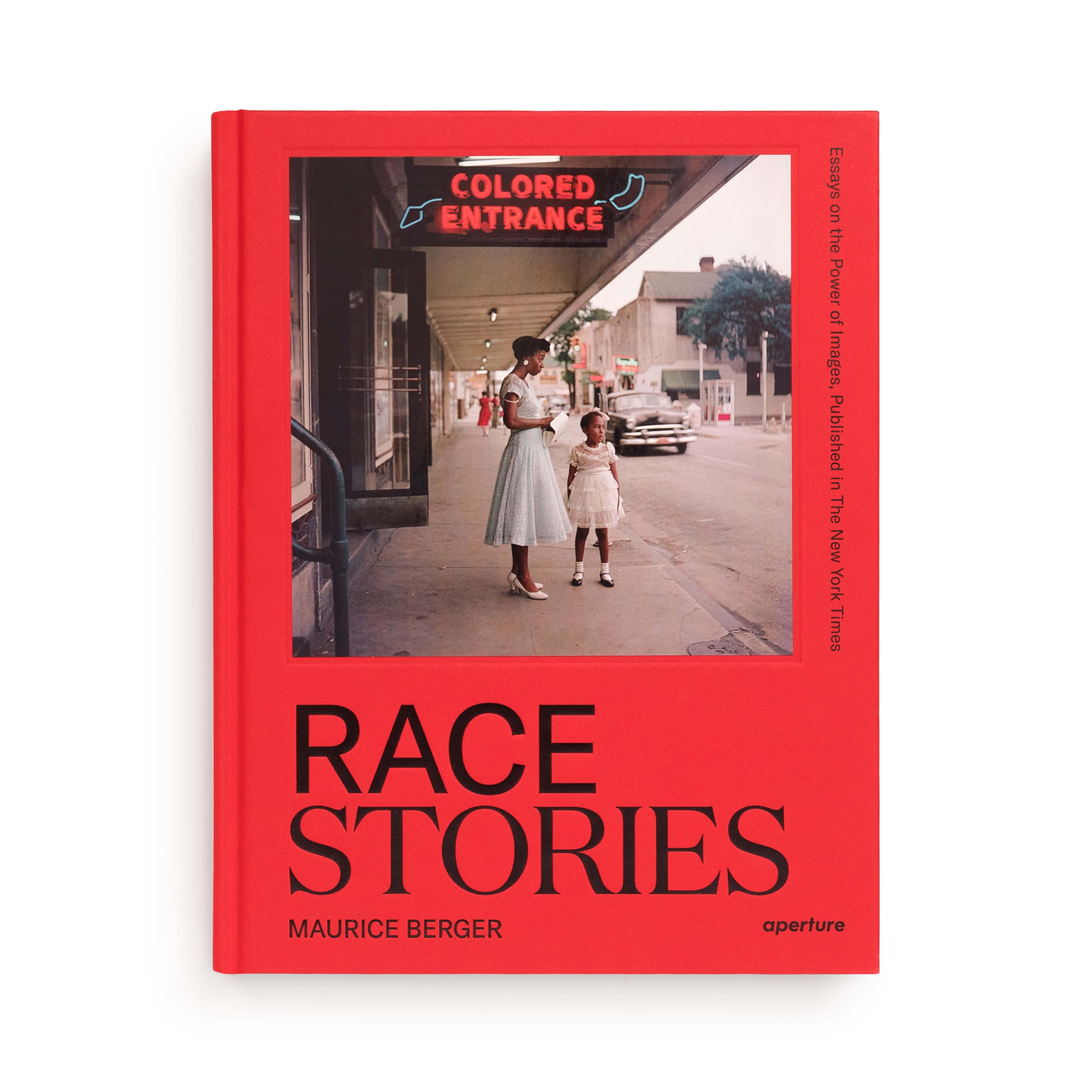
- Research how great image-makers communicate ideas succinctly. A thoughtful read like Race Stories: Essays on the Power of Images can sharpen your narrative instincts.
2) Build a focused mood board and palette
Collect 8–12 references only—too many options dilute decisions. Lock a palette early so wardrobe, backdrop, and retouching all harmonize.
- Decide one hero color and one accent; let everything else recede.
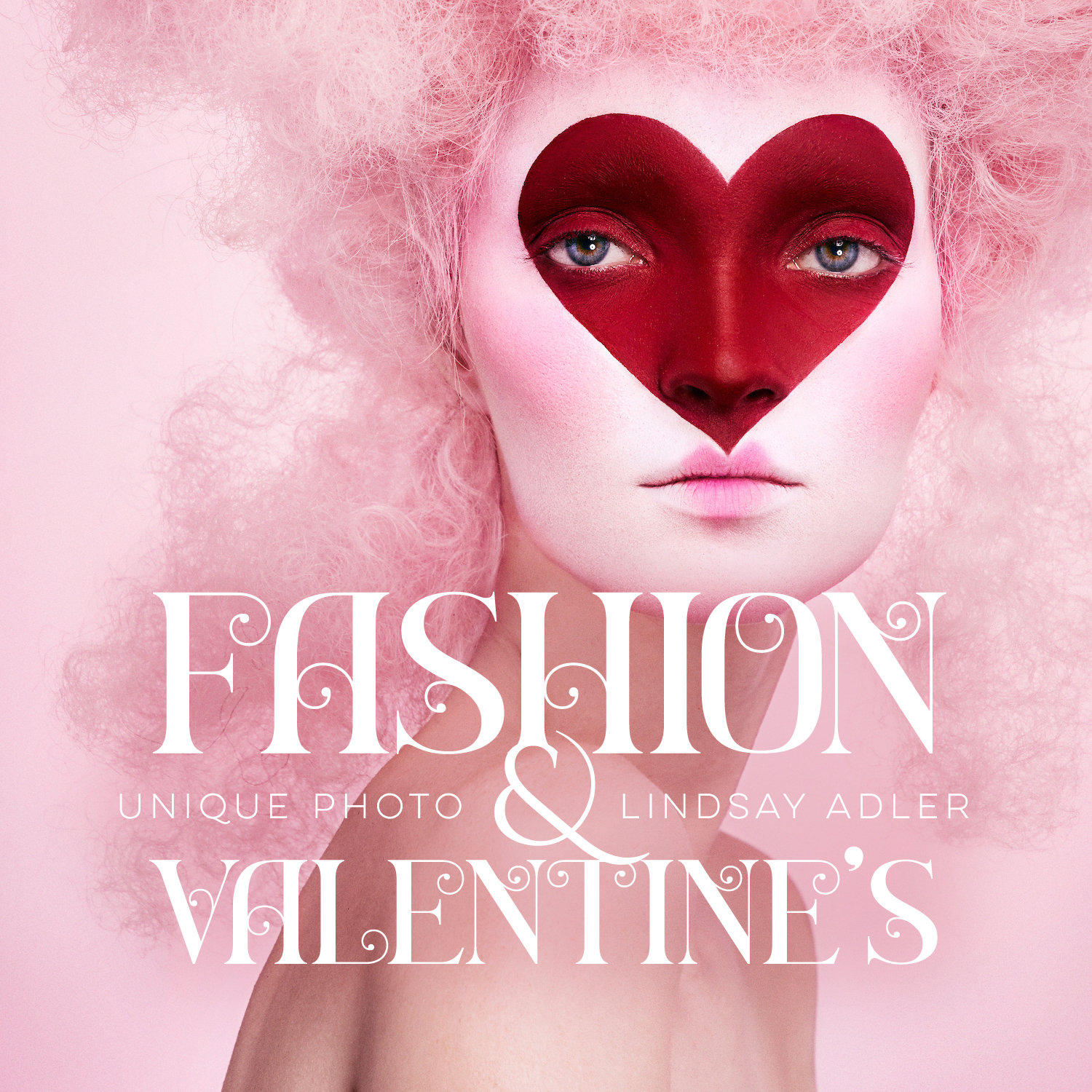
- For fashion-forward themes, practice styling and posing at hands-on sessions like Fashion and Valentines: Themed Shoots with Unique Photo and Lindsay Adler.
3) Scout locations and props with purpose
Find spaces that “do the storytelling” for you—textures, lines, or ambient light that match the theme. Bring 1–2 signature props max; more can clutter the frame.
- Test at the right time of day; screenshot sun paths or bring a small LED for fill.
- Pre-visualize 3 anchor shots and 2 alternates for flexibility.
4) Light with intent—shape mood, not just exposure
Use light to communicate the theme. Hard light for grit or drama; soft wrap for intimacy. Add a rim or kicker to separate the subject when backgrounds get busy.
- Create a lighting “why” for every modifier and angle.
- Hone portrait-specific lighting at NJCS: Part II - Compelling Portraiture Live Shoot with Jonny Edward—great for dialing in ratios and direction.
5) Direct poses and expressions that match the brief
Tie body language to the theme. Minimalist themes often need stillness and clean lines; energetic themes benefit from asymmetry and motion.
- Give action verbs instead of static poses (“glide,” “shield,” “reach”).
- Shoot tethered when possible to refine micro-adjustments quickly.
6) Master movement and timing
For dance, sport, or “motion” themes, decide whether to freeze peak action or convey flow with intentional blur.
- Freeze: 1/1000s+ with burst shooting; pre-focus and pan with subject.
- Blur: 1/5–1/30s with tripod or controlled panning for sharp subject + streaked background.
- Hands-on practice like PCS: Capturing Dance Movement with Steve Vaccariello helps lock in timing and shutter technique.
Refine and Present
7) Compose for judges’ eyes
Judges scan edges, then center. Keep borders clean and remove mergers. Use negative space to underscore your theme and give the subject breathing room.
- Check corners for bright distractions; crop purposefully.
- If submitting prints, plan final crop to fit standard mats for a polished look—try a 16 x 20 frame paired with a 4-up layout using the 16 X 20 Precut Custom Mat for 4/UP images (SKU DPM16204UP).
8) Nail technical quality before stylistic flair
Exposure, focus, and color must be flawless. Judges forgive creativity less when basics slip.
- Expose to protect highlights; keep skin tones natural unless stylized for the brief.
- Calibrate white balance to your palette; unify color across a series.
9) Iterate with targeted feedback
Before submitting, get critique that addresses your theme, not just aesthetics. Ask reviewers to state the story they perceive without your explanation.
- Schedule a Portfolio Consultation and Images Reviewed by Judith Farber (30 min or 120 min options) to refine sequencing and presentation.
- Revise one variable at a time—light, crop, or color—so improvements are measurable.
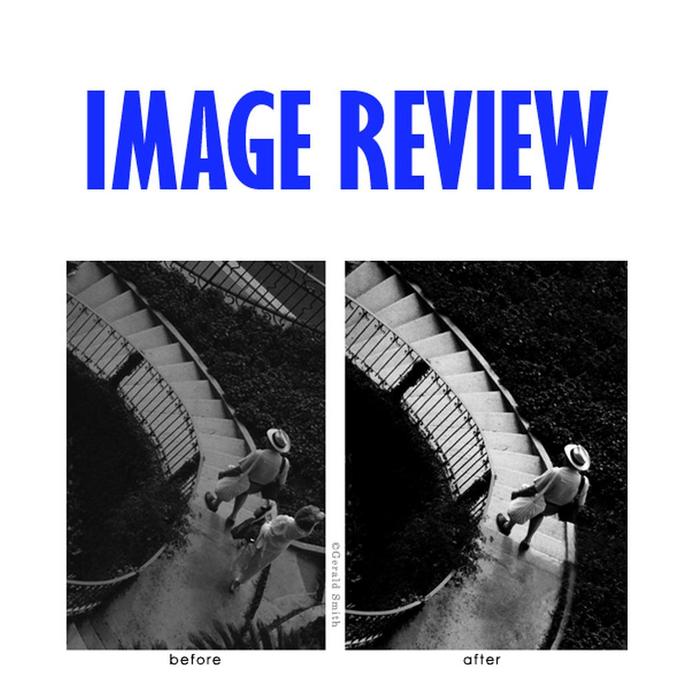
10) Present with purpose—finish like a winner
Your final delivery should feel intentional and on-theme.
- Prints: consistent paper choice and matting elevate perceived quality; ensure titles and captions are concise.
- Keep-alikes and gifts: for themed showcases or festivals, a 3 x 4 Two-Sided Metal Ornament (Two Images) can serve as a memorable leave-behind featuring hero and detail shots.

Most competitions reward clarity over complexity. Start with a strong concept, light and compose to support it, then finish with professional presentation. If you want hands-on practice or expert feedback, explore Unique Photo’s workshops and consultations—they’re a smart way to sharpen your edge for the next themed challenge.