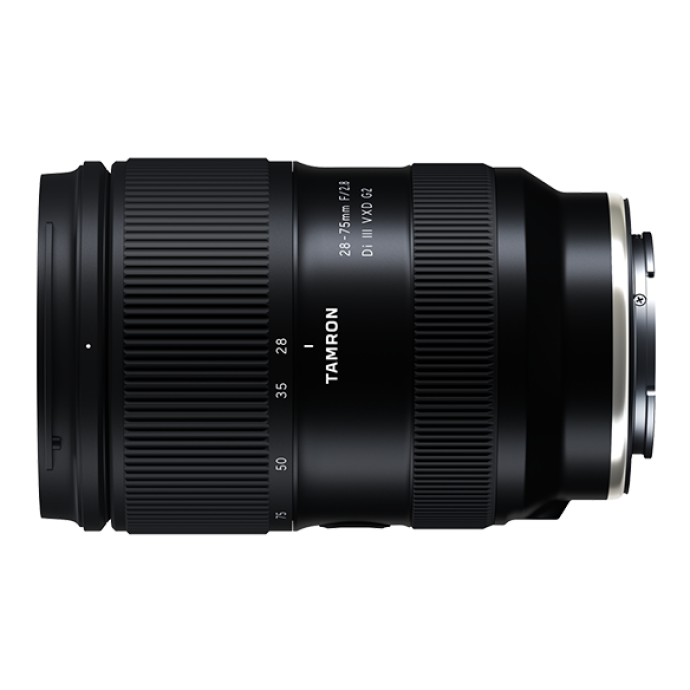
Sony mirrorless cameras have become a go-to choice for everyone from first-time full-frame upgraders to working professionals, and one of the biggest reasons is lens choice. By 2025, the E-mount ecosystem had matured into one of the deepest in photography, giving shooters access not only to Sony’s own premium glass, but also to a strong lineup from third-party makers. Among those, Tamron earned a particularly loyal following.
For many Sony users, Tamron represented one of the smartest ways to build a serious kit without immediately stepping into the highest price tier. The company’s mirrorless-era lenses developed a reputation for sharp optics, practical feature sets, relatively compact designs, and focal-length choices that often felt tailored to how people actually shoot. Whether you needed a standard zoom for everyday work, a wide-angle option for travel and landscapes, a telephoto for sports or wildlife, or an all-in-one zoom for convenience, Tamron offered compelling answers.
This archival buying guide looks at what made the best Tamron lenses for Sony mirrorless stand out around the 2025 period, and why they became such popular recommendations for photographers and hybrid creators seeking professional-looking results on a budget.
Why Tamron Became a Standout for Sony E-Mount
Tamron’s rise in the Sony mirrorless world did not happen by accident. The company benefited from entering a system that was rapidly expanding, but it also made a series of smart product decisions. Rather than simply imitating first-party lens lineups, Tamron often focused on useful, flexible zoom ranges and portable designs. That approach resonated with photographers who wanted to carry less gear while still covering a wide range of subjects.
Just as important, Tamron lenses for Sony mirrorless were widely seen as delivering performance that exceeded their price class. Users regularly praised their sharpness, autofocus capability, and overall reliability for everyday shooting. For many enthusiasts and even professionals, Tamron hit a sweet spot: lenses capable enough for paid work, travel, events, portraits, and content creation, but priced in a way that made assembling a multi-lens kit more realistic.
By 2025, Tamron had become a common recommendation for Sony shooters who wanted to maximize value without settling for entry-level results.
Best Tamron Lens Categories for Sony Mirrorless
Because Tamron’s Sony lineup covered standard, wide, telephoto, and all-in-one zooms, the brand could serve as the backbone of an entire kit. The best choice depended less on prestige and more on how you shoot.
Standard Zooms: The Everyday Workhorse
If there is one category that defines modern mirrorless photography, it is the standard zoom. For Sony users, Tamron’s standard zoom options became especially attractive because they often combined practical focal lengths with a lighter, more travel-friendly feel than many traditional pro zooms.
A strong standard zoom is usually the first lens many photographers reach for. It covers daily subjects like portraits, street scenes, family photos, documentary work, and general video. In the Tamron ecosystem, this category appealed to users who wanted one lens that could stay on the camera most of the time while still producing crisp, polished results.
For budget-conscious creators, this was where Tamron’s value proposition felt most obvious. A standard zoom could serve as the foundation of a serious Sony kit, and Tamron helped make that foundation more affordable. For many buyers, the brand offered a practical middle path between entry-level compromises and premium pricing.
Wide-Angle Zooms: Landscapes, Travel, and Interior Coverage
Wide-angle zooms are essential for photographers who want to capture expansive scenes, dramatic architecture, interiors, and immersive travel imagery. They are also increasingly useful for vloggers and video creators who need a broader field of view without moving farther from the camera.
Tamron’s wide-angle options for Sony mirrorless stood out because they aligned with the needs of modern hybrid shooters. Portability mattered here. A large, heavy wide-angle lens can be a burden on long walks, hikes, and travel days, so lenses that delivered strong image quality in a manageable package earned real enthusiasm.
By the mid-2020s, Sony users looking at Tamron wide zooms often appreciated not just the breadth of coverage, but the fact that these lenses fit naturally into a lightweight mirrorless setup. For landscape photographers, that meant easier packing. For travel shooters, it meant greater flexibility. For video creators, it meant wide framing that remained practical for handheld and on-the-go use.
Telephoto Zooms: Reach for Sports, Wildlife, and Portrait Compression
Telephoto lenses have always played a major role in serious photography, but they can also be among the most expensive and physically demanding pieces of gear to buy. Tamron’s telephoto zooms for Sony mirrorless appealed to users who wanted longer reach without immediately stepping into the largest and most costly professional options.
This category matters for several kinds of photography. Wildlife and bird photographers need distance. Sports shooters need reach and responsiveness. Portrait photographers often value telephoto focal lengths for flattering compression and subject isolation. Even travel photographers can benefit from a tele zoom for distant details, candid moments, and tighter compositions.
Tamron’s contribution to the Sony system was significant because it gave buyers more attainable options in this space. A lens did not need to be the absolute most expensive model in the catalog to be useful, sharp, and dependable. For many Sony users, Tamron telephoto zooms opened the door to subjects they might otherwise have skipped due to cost.
All-in-One Zooms: Convenience Without Constant Lens Swaps
All-in-one zooms occupy a special place in the market. They are rarely purchased for bragging rights; they are purchased because they solve real problems. If you are traveling, walking through a city, documenting family events, or simply trying to carry one lens instead of three, the all-in-one zoom can be the smartest tool in your bag.
Tamron became especially compelling in this category because convenience was one of the brand’s core strengths. Sony mirrorless users who wanted maximum versatility often found Tamron’s all-in-one zooms attractive for exactly that reason. Rather than carrying separate wide, standard, and telephoto lenses, they could cover an enormous range with a single lens and spend more time shooting than changing gear.
There are always trade-offs with all-in-one designs, but for many real-world photographers, those trade-offs were worth it. Around the 2025 period, these lenses continued to appeal to travelers, casual enthusiasts, and content creators who valued flexibility above all else.
How to Choose the Right Tamron Lens for Your Sony Camera
The smartest buying decision starts with identifying your most common subjects.
If you shoot a little bit of everything, a standard zoom is usually the best starting point. It is the most broadly useful lens category and often the most cost-effective place to build your kit.
If your priorities are scenery, interiors, architecture, or immersive travel images, a wide-angle zoom deserves attention. It can dramatically expand what you are able to capture, especially in tight spaces.
If you are drawn to sports, wildlife, concerts, distant subjects, or portraits with stronger compression, a telephoto zoom may be the better investment. Reach changes the kinds of images you can make, and for many photographers it unlocks entirely new genres.
If convenience is your top concern and you want to avoid changing lenses throughout the day, an all-in-one zoom may be the best value of all. It is an especially sensible option for vacations, day trips, and general-purpose photography.
It is also worth thinking about how you carry your gear. One of Tamron’s strengths in the Sony mirrorless era was that many of its lenses complemented the portability of mirrorless bodies rather than overpowering them. For photographers trying to keep kits compact, that was a major advantage.
Why Tamron Made Sense for Budget-Minded Serious Shooters
The phrase “budget lens” can sometimes sound dismissive, but Tamron helped challenge that idea in the Sony ecosystem. These were not simply low-cost alternatives for buyers who could not afford something else. In many cases, they were smart, deliberate choices made by photographers who wanted a stronger balance of performance, price, and portability.
That distinction matters. Around 2025, many photographers were building hybrid kits for stills and video, balancing camera purchases with lighting, storage, support gear, and travel costs. Spending wisely on lenses became part of a broader strategy. Tamron fit that moment well because the company offered credible tools for real image-making needs, not merely stripped-down placeholders.
For enthusiasts moving into full-frame Sony, Tamron often provided an accessible path into higher-level photography. For working shooters, it could be a practical way to fill out focal-length gaps or assemble a lighter second kit. For travelers and creators, it made it easier to carry less while still covering more.
The Lasting Appeal of Tamron for Sony Mirrorless
Looking back from the 2025 release period, the best Tamron lenses for Sony mirrorless stood out not because they chased luxury for its own sake, but because they met photographers where they lived. The lineup’s appeal came from usefulness: standard zooms for everyday work, wide zooms for big scenes, telephotos for reach, and all-in-one lenses for convenience.
That broad coverage made Tamron more than a niche alternative. It made the brand a central part of how many Sony users built their systems. If you wanted pro-looking results while keeping your budget under control, Tamron remained one of the strongest names to consider.
If you are exploring Tamron lenses for Sony today or researching standout options from this period, Unique Photo is a great place to buy gear, compare lens categories, or learn more from a team that understands how these systems fit real photographers’ needs.