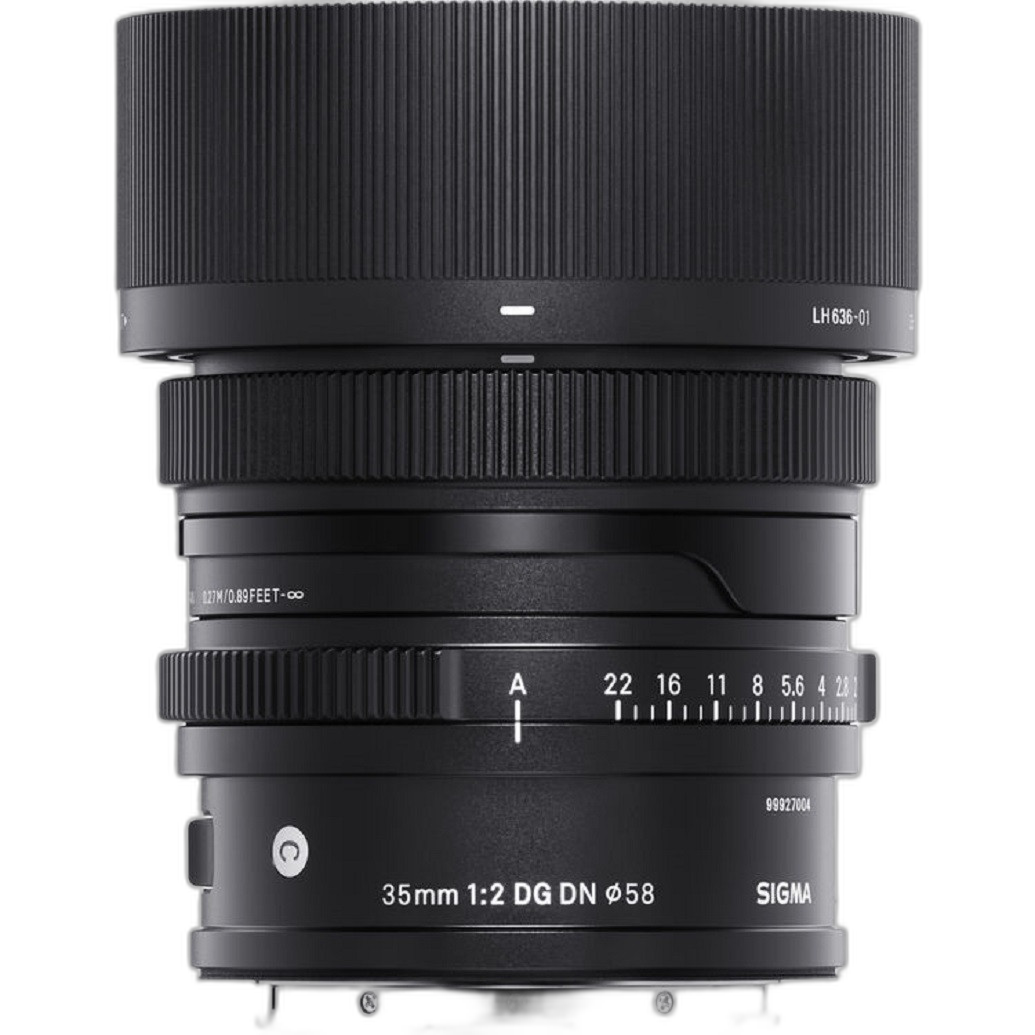
Sigma’s Art-series lenses have earned a rare reputation in modern photography: they are often the lenses working shooters recommend when someone wants premium image quality without stepping all the way into the highest-priced first-party glass. By 2025, that reputation is no accident. Across primes and zooms, DSLR-era classics and newer DG DN designs built specifically for mirrorless cameras, Sigma’s Global Vision lineup has become one of the most important alternatives in the lens market.
This guide looks at the best Sigma Art lenses available right now, with an emphasis on real-world use cases. Rather than treating the line as one-size-fits-all, it helps to think about where each lens shines: portraits, weddings, landscapes, street, video, travel, and all-around professional work. Sigma’s Art family covers a broad range, and that breadth is part of why the lineup has endured as such a strong value.
Why Sigma Art Matters
When Sigma introduced the Global Vision system, dividing lenses into Art, Contemporary, and Sports categories, it gave photographers a much clearer sense of intent. Art lenses were positioned as the optical showpieces: lenses designed for high image quality, strong low-light performance, and creative control. Over time, the label came to mean something even more specific in the minds of photographers: sharp, fast, ambitious optics that competed directly with premium OEM lenses while usually landing at a more approachable price.
That formula has been especially important in the mirrorless era. Sigma did not simply carry over old DSLR ideas; with DG DN mirrorless designs, the company refined autofocus behavior, handling, and size in ways that made the Art line feel more native to current systems. The result is a catalog that now spans classic fast primes, modern compact options, and professional zooms that can anchor an entire working kit.
Best Sigma Art Primes
Sigma 35mm F1.4 Art and the Modern Standard
If there is a focal length that symbolizes the Art line, it may be 35mm. For years, Sigma’s 35mm Art lenses have been central recommendations for photographers who wanted a fast, versatile prime for weddings, documentary work, portraits, and environmental storytelling. The appeal is obvious: 35mm is wide enough to include context but still natural enough for people-focused work, and an f/1.4 aperture adds both low-light flexibility and strong subject separation.
For many shooters, a Sigma 35mm Art remains the ideal first step into the lineup because it does so much well. It can be a daily-carry lens for street photography, a workhorse at events, and a cinematic focal length for hybrid creators. In practical terms, it is one of the safest bets in the entire Art ecosystem.
Sigma 50mm F1.4 Art for Portraits and General Use
The 50mm Art lens category has long been another Sigma stronghold. A fast normal lens occupies a special place in photography because it can handle almost anything: portraits, detail shots, travel, editorial work, food, and video. Sigma’s Art approach to 50mm has historically emphasized strong sharpness and a premium rendering style that appeals to photographers who want a classic focal length without settling for a basic kit option.
For portrait photographers on full frame, 50mm can feel more intimate and flexible than 85mm, especially in tighter spaces. For general-purpose photography, it may be the most adaptable single prime in the lineup. If you want one lens that can move from casual personal work to paid assignments, a Sigma 50mm Art is still one of the smartest choices.
Sigma 85mm F1.4 Art for Dedicated Portrait Work
When photographers talk about “Art look,” portrait lenses often come to mind first, and 85mm is a major reason why. A fast 85mm Art lens gives portrait specialists the flattering perspective, compression, and shallow depth of field they want for headshots, weddings, fashion, and beauty work. Sigma’s reputation here has been built on producing lenses that feel like true premium portrait tools rather than compromises.
If your work centers on people and you want a lens that can deliver separation and polish, 85mm is often the place to start. It is less universal than 35mm or 50mm, but for portraits it can be the most rewarding option in the entire range.
Wide-Angle Art Primes for Landscape, Astro, and Architecture
Sigma Art has also been a serious destination for wide-angle photographers. Fast wide primes appeal to landscape shooters chasing edge-to-edge detail, astrophotographers working under dark skies, and architecture photographers looking for broad coverage with high optical ambition. In the Art family, wide primes have often represented Sigma at its most technically confident.
These lenses are not always the smallest choices, but photographers who prioritize image quality frequently accept that tradeoff. If your goal is dramatic perspective, night-sky capability, or expansive environmental imagery, Sigma’s wide Art options deserve close attention.
Best Sigma Art Zooms
24-70mm F2.8 Art: The Workhorse
No buying guide is complete without the standard fast zoom. In practical terms, a 24-70mm f/2.8 Art lens is the center of many professional kits, covering everything from event work and portraits to products, travel, and video. It is the lens you mount when you need flexibility without giving up a professional aperture.
Sigma’s Art-series standard zooms have appealed to photographers who need dependable coverage and strong image quality but do not want to pay the highest first-party premium. For wedding and event shooters in particular, this range is often the backbone of the day. If you want one lens that can handle the broadest variety of assignments, this is likely the top Sigma Art zoom to consider.
14-24mm F2.8 Art: Ultra-Wide Performance
For landscape, interiors, architecture, and dramatic video work, the ultra-wide zoom is where Sigma Art has made a particularly strong impression. A 14-24mm f/2.8 Art lens gives photographers access to expansive compositions while preserving the fast aperture many professionals require for low-light and creative control.
This type of lens is not for every shooter, but for those who regularly work wide, it can be transformational. Real estate photographers, nightscape specialists, and travel photographers looking for bold perspective all benefit from the combination of width and pro-level intent.
70-200mm F2.8-Class Coverage and Telephoto Options
Although Sigma’s Global Vision lineup extends beyond the Art category into Sports, many buyers comparing Sigma glass in 2025 are evaluating the system as a whole. For telephoto needs, it is worth noting that some professionals pairing Art primes and zooms with longer lenses may also look to Sigma’s broader catalog. That is one advantage of understanding Global Vision as a family rather than a single badge. Art often covers the creative and standard focal lengths, while Sports can take over in more specialized action-oriented territory.
For buyers building a complete kit, Sigma’s strength is that you are not limited to just one style of lens philosophy. You can mix Art, Contemporary, and Sports according to your priorities.
Why DG DN Mirrorless Art Lenses Stand Out
One of the biggest reasons Sigma remains such a compelling recommendation in 2025 is the success of its DG DN mirrorless designs. These lenses were created with mirrorless systems in mind rather than merely adapted from DSLR formulas. That matters in handling, size, balance, and autofocus performance.
For mirrorless shooters, especially those using full-frame systems, DG DN Art lenses often represent the sweet spot between premium optical ambition and realistic pricing. They feel contemporary in a way that earlier third-party lenses sometimes did not. Aperture rings on some models, refined external controls, and cleaner physical design have helped make Sigma a more natural fit for modern hybrid workflows.
The phrase “pro glass without the pro price” is not just marketing shorthand here. It reflects a real shift in how photographers now evaluate value. Sigma’s mirrorless Art lenses are frequently not “budget” choices at all; they are serious tools priced more strategically than many direct competitors.
Choosing the Right Sigma Art Lens by Use Case
For Portrait Photographers
Start with 85mm if portraits are your main focus, or 50mm if you want more flexibility. A 35mm can also be excellent for environmental portraiture and wedding storytelling.
For Wedding and Event Shooters
A 24-70mm f/2.8 Art zoom is the practical anchor, often paired with a 35mm or 85mm fast prime for low-light moments and a more distinctive look.
For Street and Travel
A 35mm or 50mm Art prime offers an ideal balance of speed, portability, and versatility. Mirrorless DG DN options are especially appealing here.
For Landscape and Architecture
Look toward wide Art primes or an ultra-wide zoom such as a 14-24mm-class lens. These are the lenses that let Sigma’s optical ambitions really show.
For Hybrid Photo and Video Creators
Modern DG DN Art lenses are especially attractive because they fit naturally into mirrorless rigs and can provide premium image quality across both stills and motion work.
Sigma Art in the Larger Global Vision System
It is important to remember that Sigma Art is only one part of a broader identity. Contemporary lenses often prioritize compactness and accessibility, while Sports lenses are built with action and telephoto durability in mind. Art, however, remains the emotional center of the lineup for many photographers. It is the category people gravitate toward when they want character, speed, and serious image quality.
That broad system-level thinking is part of Sigma’s appeal. You can buy into the brand for one standout Art prime, then expand over time into other focal lengths and categories without losing the sense of a coherent lens family.
Final Thoughts
The best Sigma Art lenses right now are not defined by a single focal length or one headline model. The real strength of the lineup is that it covers primes, zooms, mirrorless DG DN designs, and a wide range of use cases with unusual consistency. Whether you want a fast portrait prime, a versatile standard lens, or a professional zoom that can carry an entire assignment, Sigma Art remains one of the most compelling values in photography.
As an archival snapshot of the 2025 market, that may be the clearest takeaway: Sigma no longer feels like the alternative choice for many photographers. In many categories, it is simply one of the best choices, period. To explore Sigma Art lenses in person, compare options, or learn more about the Global Vision lineup, visit Unique Photo.