Introduction: A Practical Review of the Ethics Behind Multiple Contest Submissions
Submitting the same image to multiple photography contests is a common question among emerging and experienced photographers alike. In practice, the answer is rarely a simple yes or no. It depends on the wording of each contest, the exclusivity of the submission period, rights-grab clauses, judging transparency, and whether an image has already won, placed, or been publicly licensed elsewhere. In that sense, this topic can be reviewed much like a product category: some tools and educational resources genuinely help photographers make smarter decisions, while others are best seen as organizational support for a serious contest workflow.
For photographers building a disciplined submission process, educational resources from Unique Photo can be especially useful, and physical archive tools like albums and refill pages can still play a role in sequencing, proofing, and keeping a contest-ready body of work organized. If you want a clean way to review your images, study your edits, and present cohesive selections before you hit “submit,” the products below fit surprisingly well into that workflow.
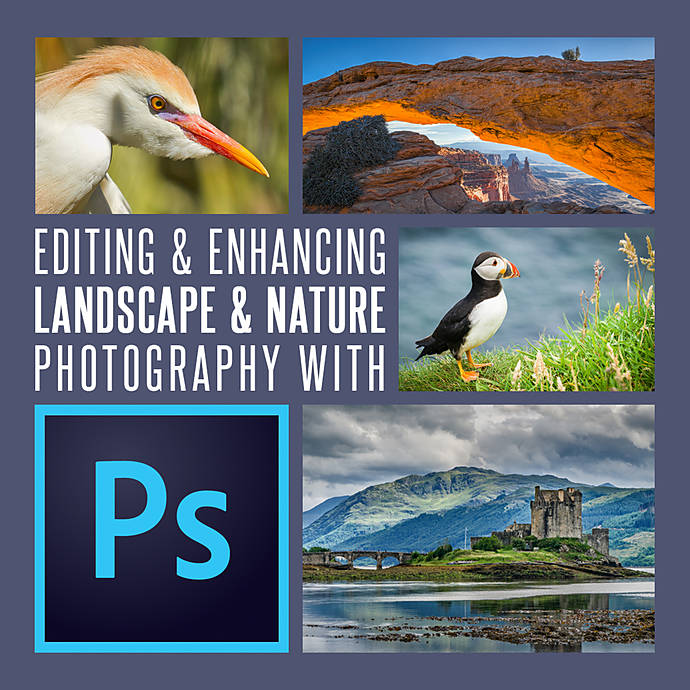
As a review-style recommendation, the strongest overall support item for this topic is Editing and Enhancing Landscape and Nature Photography with Photoshop, because contest ethics are only part of the equation. The other part is making sure the image you enter is technically polished, honestly presented, and consistent with the competition's rules on editing and manipulation.
Key Features for a Contest-Submission Workflow
1. Learn the Rules Before You Submit Anything Twice
The most important recommendation is to read every contest's terms and conditions in full. Many competitions allow simultaneous submissions, but some prohibit images that are under review elsewhere, and others disqualify work that has already won another award. Still others define publication so broadly that posting to social media, a personal portfolio, or a gallery site may affect eligibility.
This is where educational resources from Unique Photo stand out. Rather than treating contests as a numbers game, they help photographers understand context, intent, and presentation. A class like Editing and Enhancing Landscape and Nature Photography with Photoshop supports a better submission mindset: know what your image is, know how far your edit goes, and know whether your processing remains truthful for documentary, wildlife, travel, or fine-art categories.
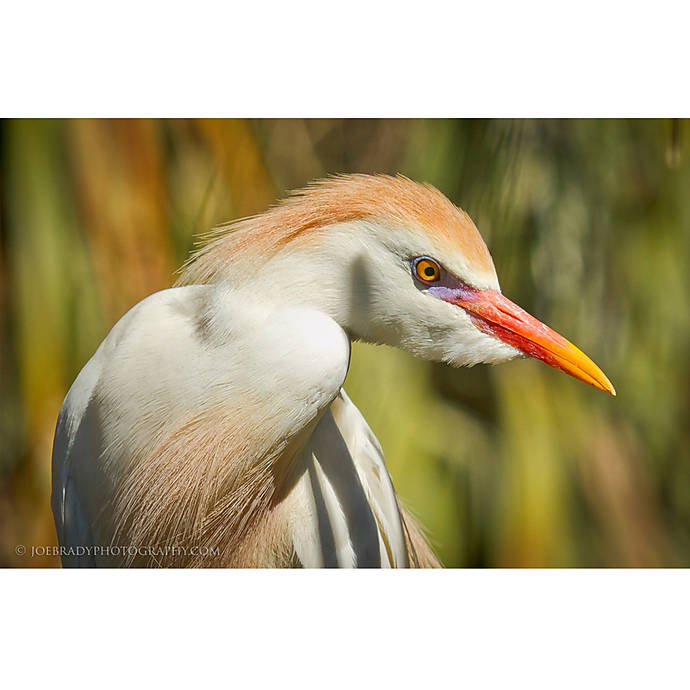
Ethics recommendation: If the rules do not explicitly forbid multiple submissions to different contests, it is usually acceptable. But if one contest requests exclusivity during judging, honor it. If an image wins a major prize, revisit your remaining submissions and withdraw where appropriate if their rules require unpublished or non-awarded work.
2. Organize Your Entries Like a Serious Portfolio
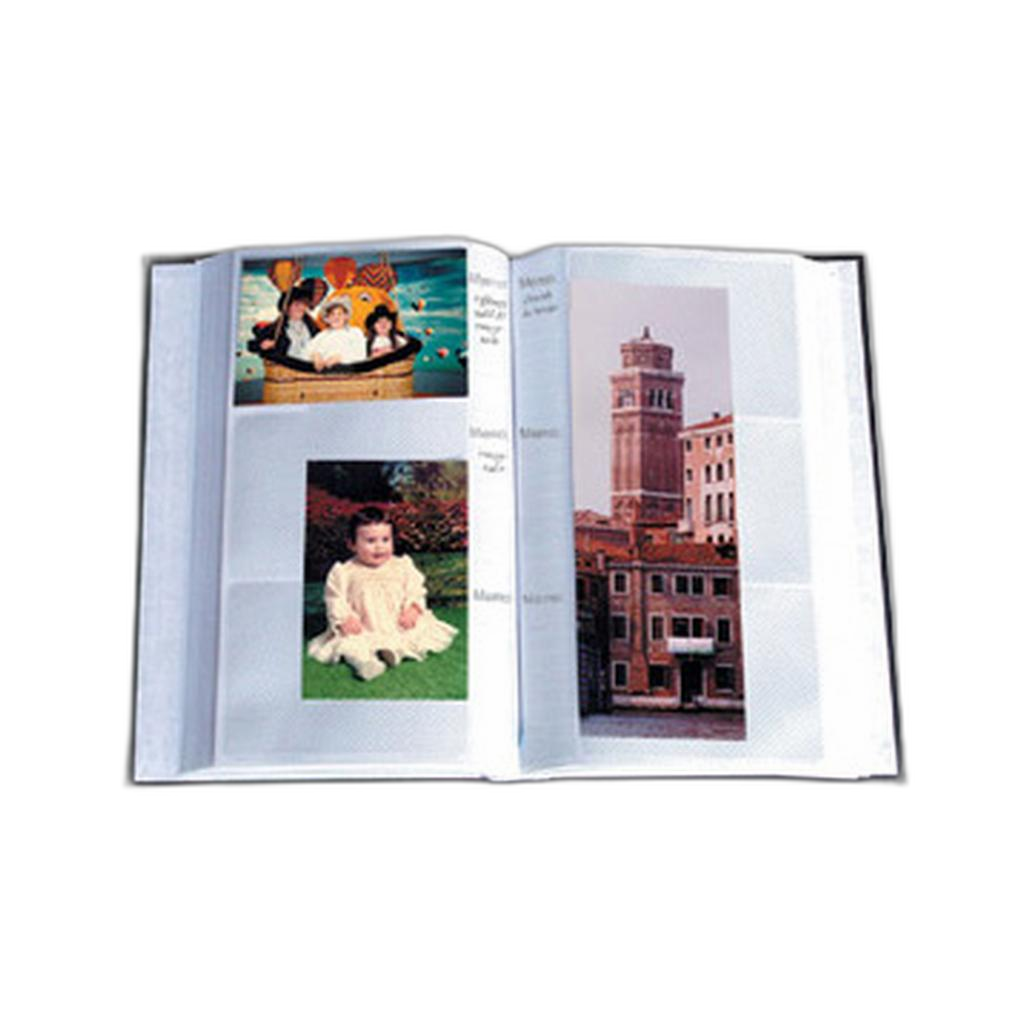
Contest photographers often underestimate the value of physical organization. A product like the Pioneer 4 x 6 In. Bi-Directional Memo Photo Album (200 Photos) - Black is not glamorous, but it is effective. It gives you a simple way to sequence possible entries, compare alternate edits, and keep notes beside printed images. For photographers entering multiple contests with different themes, this kind of analog review can prevent duplicate mistakes and help track where an image has been sent.

The memo area is especially useful if you want to log contest names, submission dates, category choices, release status, and whether a file has already been shortlisted or published. In the context of this topic, that makes the album more than a storage item; it becomes a practical ethics and workflow tool.
3. Build a Submission Tracking System with Refill Options
If you submit regularly, a scalable system matters. The Pioneer Album Refill Pages for BP-200 Album (30 Photos) are a good example of a low-cost support item that keeps a long-term contest archive growing without forcing you to reinvent your process every season.
Why does this matter ethically? Because one of the easiest ways to accidentally violate contest rules is to lose track of prior entries. Photographers who submit to multiple venues at once should maintain a clear record of:
- Contest name and deadline
- Image filename and caption
- Category entered
- Whether exclusivity is required
- Whether the image has won, placed, or been publicly exhibited
- Whether model or property releases were supplied
A refillable archival system supports that discipline well.
4. Presentation Still Matters, Even Before Judging
The Pioneer 4 x 6 In. Embossed Leather Frame Photo Album (200 Photos)-Brown is a more polished, presentation-friendly option for photographers who want to review a contest series as a coherent body of work. While it is still a simple album, the more refined look can make it useful for mentor reviews, portfolio conversations, or pre-submission editing sessions.
If you are deciding whether one image should be sent broadly across multiple contests, or whether different contests deserve different images from the same series, sequencing prints in a dedicated album can reveal redundancies, weaknesses, or overused favorites. That often leads to a better recommendation than “submit the same image everywhere.” In many cases, a stronger strategy is to match specific images to specific contests based on theme, judging history, and category fit.
5. Education Helps You Avoid Ethical Gray Areas
Another useful support resource is UUOnline: Photoshop Mentoring (Session 3). While not a contest rulebook, one-on-one or guided Photoshop learning can help photographers stay within acceptable editing boundaries for contests that restrict compositing, object removal, excessive retouching, or AI-assisted changes.

This matters because multiple contest submissions become ethically messy when the image itself changes between versions. If you enter one lightly corrected version into a documentary contest and a more heavily manipulated version into an open art contest, you need to track those versions carefully and title them clearly. Educational support can help you build that file discipline.
6. Event and Festival Photographers Need Extra Care
For photographers entering reportage, event, or festival images, Seminar: How to Capture Great Festival and Event Photos with David Wells is particularly relevant. Event imagery often includes crowds, cultural context, performances, and moments that may be entered in travel, editorial, street, or documentary competitions, each with different standards.

The recommendation here is simple: if you plan to submit event photos to multiple contests, confirm whether the work is considered editorial, whether releases are needed for commercial-oriented competitions, and whether heavy retouching changes the nature of the moment captured. Better field technique and stronger curation reduce the temptation to over-edit later.
Practical Ethics Recommendations
Here is the clearest review-style guidance on the topic:
- Usually acceptable: Submitting the same photo to multiple contests if their rules permit simultaneous entries.
- Potentially unethical or disallowed: Entering an image in contests that require exclusivity, unpublished status, or no prior awards when those conditions are no longer true.
- Best practice: Keep a tracking log for every image and every contest.
- Smarter than mass submission: Tailor images to contests whose themes, categories, and judging styles genuinely fit the work.
- Always avoid: Misleading captions, hidden composites, undisclosed AI edits where prohibited, and duplicate submissions that violate written rules.
Pros and Cons of a Multi-Contest Submission Strategy
Pros
- Maximizes exposure for strong images
- Improves odds of recognition when rules allow simultaneous entry
- Helps photographers learn which work resonates with different judges
- Can be efficient if backed by a solid tracking system
Cons
- Easy to lose track of exclusivity or publication restrictions
- Risk of disqualification if terms differ between contests
- Can encourage overreliance on one “hero image” instead of developing a broader portfolio
- Version control problems may create ethical issues around editing transparency
Best Product Fit for This Topic
If this topic is treated like a review category, the most directly valuable item is Editing and Enhancing Landscape and Nature Photography with Photoshop because it supports the judgment, restraint, and technical consistency that contest entries require. The best physical companion is the Pioneer 4 x 6 In. Bi-Directional Memo Photo Album (200 Photos) - Black, thanks to its practical note-taking and organization potential.
Together, they cover the two sides of ethical contest entry: making better images and keeping better records.
Verdict and Recommendation
Submitting photos to multiple contests is not inherently unethical. In fact, it is often a smart and efficient strategy when the rules explicitly allow it. The ethical line is crossed when photographers ignore exclusivity terms, conceal prior wins or publication, or submit edited work that no longer fits a contest's standards. The best recommendation is to build a repeatable system: read every rule set, maintain detailed records, organize your images thoughtfully, and match each image to the right competition instead of sending the same file everywhere blindly.
For photographers who want to sharpen both their technical and organizational approach, Unique Photo is an excellent place to buy supportive educational resources and archival tools like the courses and albums mentioned here.