Introduction
Finding the right photography contest is less about entering everything you see and more about matching your goals, budget, subject matter, and presentation quality to the opportunities that make sense for your work. For photographers comparing contest strategies, three areas matter most: business judgment, image presentation, and portfolio reach. In this guide, we compare a few useful tools and resources from Unique Photo that align with those needs: a photography business guide for evaluating contest terms, a professional printer for preparing exhibition-ready prints, and a teleconverter for photographers seeking stronger wildlife, nature, and distant-subject entries.
Rather than comparing identical product types, this article compares contest-entry strategies through the lens of different tools that support them. If your goal is to choose contests more intelligently and submit stronger work, this breakdown can help you decide where to invest first.
Side-by-Side Comparison
| Product | Best For | Contest Strategy Role | Primary Advantage | Potential Limitation |
|---|---|---|---|---|
| Rocky Nook Best Business Practices for Photographers by John Harrington | Researching rules, rights, fees, and long-term value | Helps photographers evaluate contest legitimacy and terms | Strong foundation for smarter contest selection | Educational resource rather than a gear upgrade |
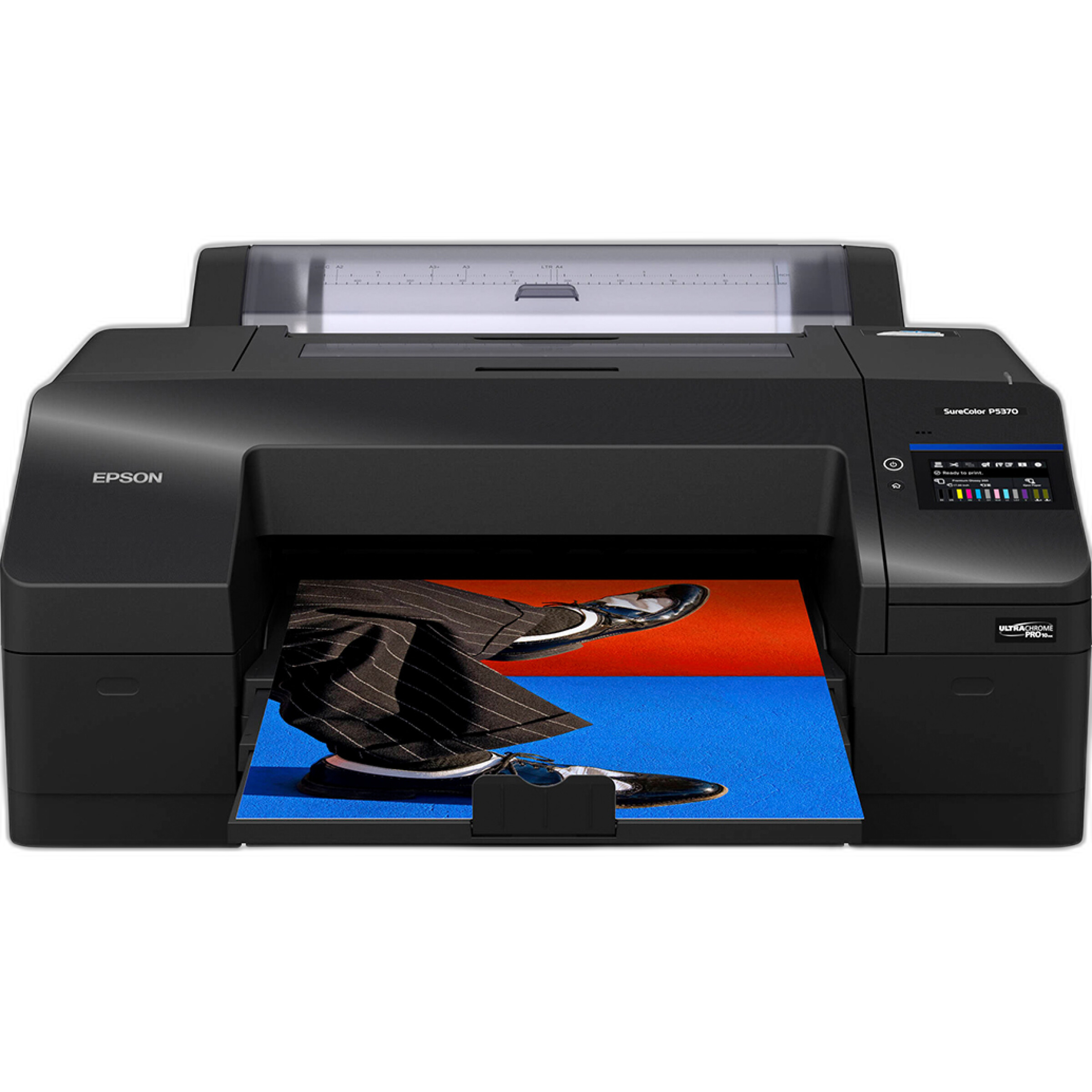
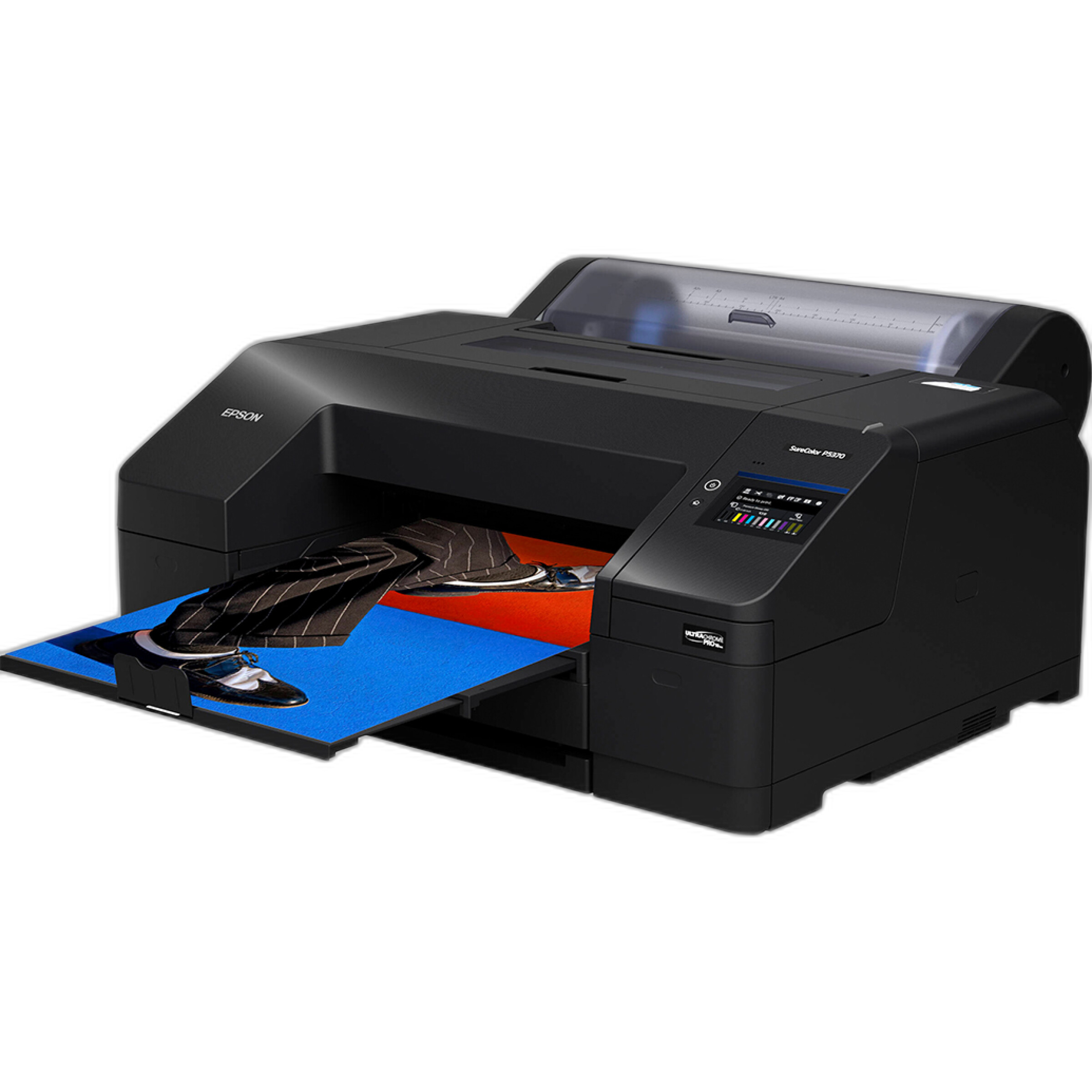
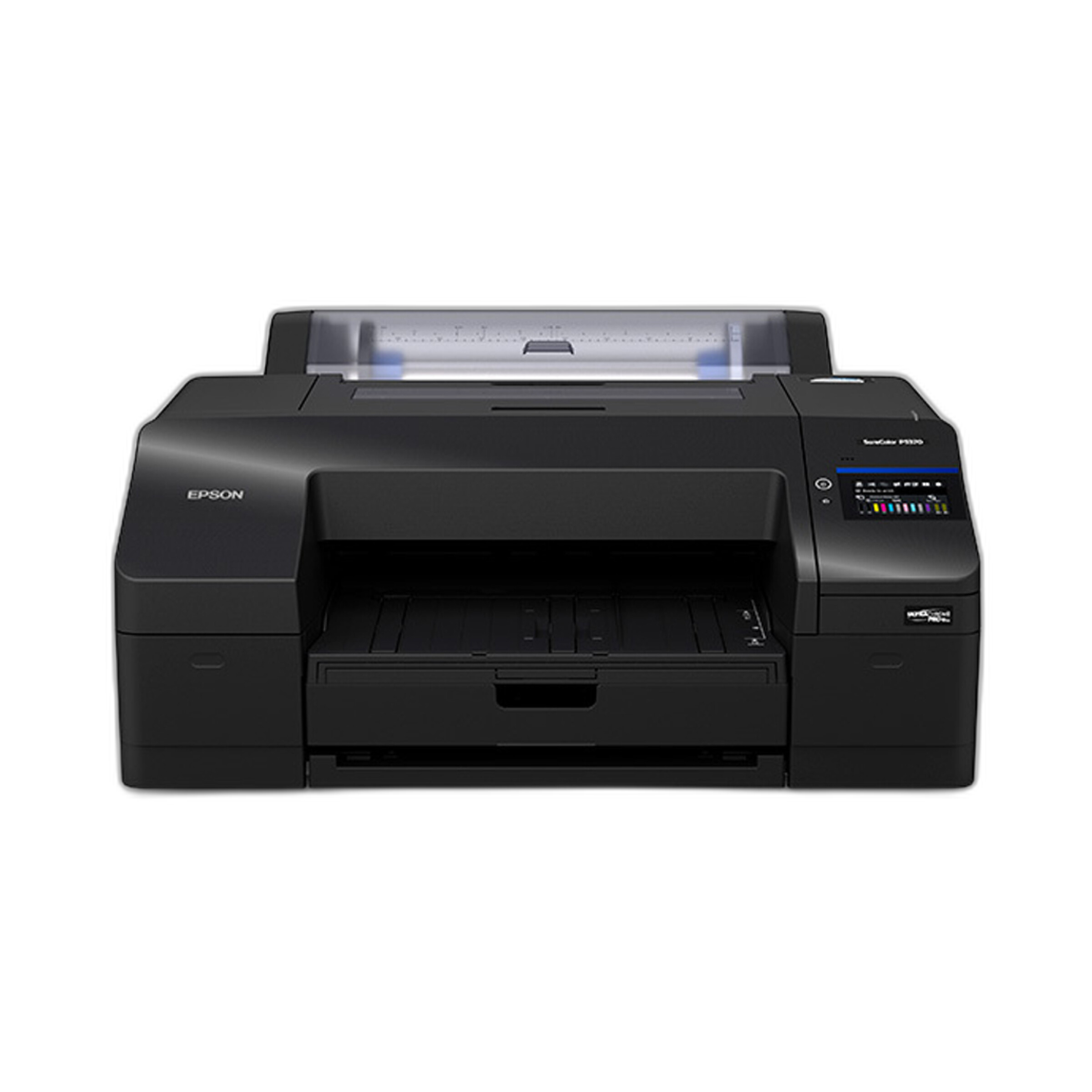
| Epson SureColor P5370 17-Inch Professional Photographic Printer | Print competitions, juried exhibitions, gallery submissions | Improves final presentation quality for physical entries | Professional-level print output and control | Higher investment than simply submitting digital files |
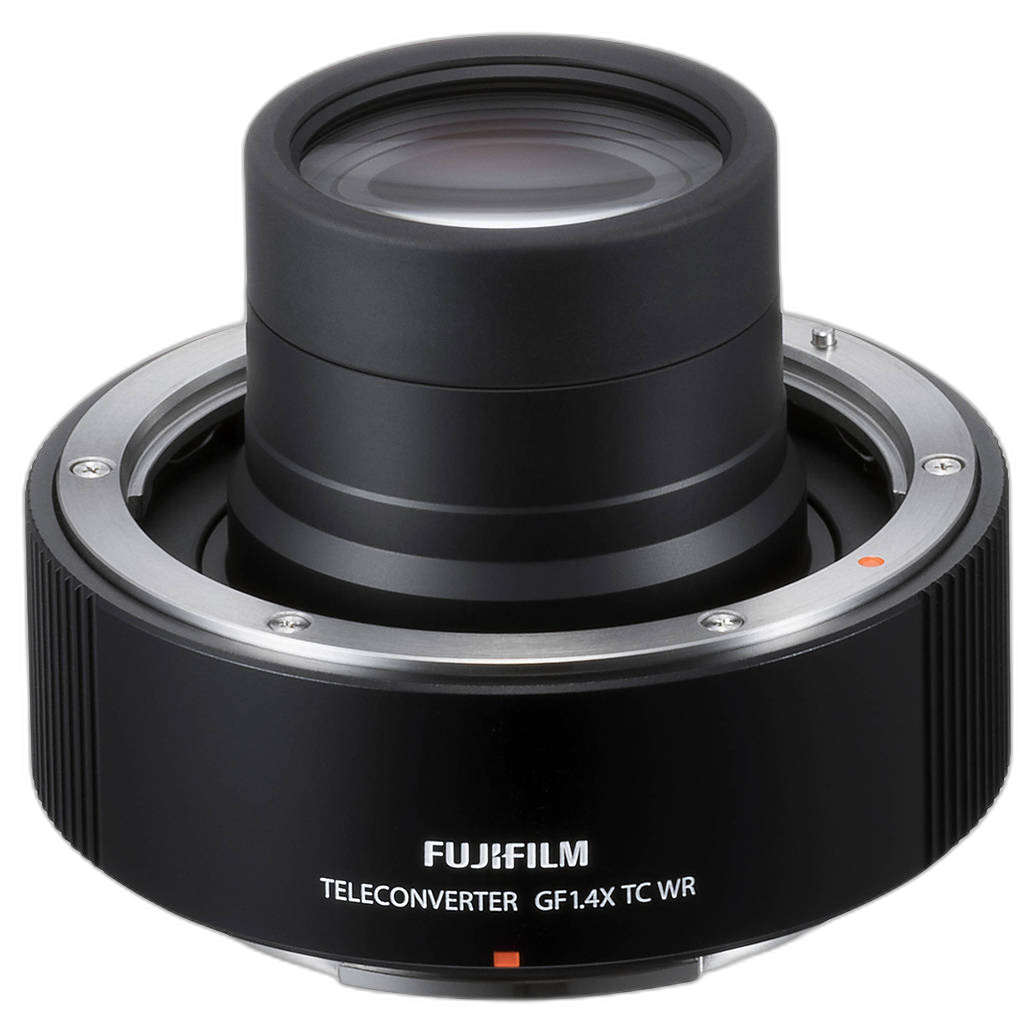
| Fujifilm GF 1.4X TC WR Teleconverter for G-Mount Lenses | Wildlife, sports, nature, and distant-subject contest entries | Expands framing reach for stronger field capture | Extra reach without replacing a primary lens | Only relevant for compatible Fujifilm G-Mount users |
Comparing the Best Strategies for Contest Success
1. Best Strategy for Evaluating Contest Quality
If you are still figuring out which contests are worth entering, the strongest starting point is education. Many photographers lose time and money by entering competitions with vague judging criteria, excessive usage-rights grabs, weak industry reputation, or entry fees that do not align with the prize or exposure offered.
The Best Business Practices for Photographers by John Harrington is the best fit for photographers who want to compare contests with a more professional mindset. This strategy is especially valuable if you are trying to answer questions like:
- Does this contest help build my portfolio or client credibility?
- Are the terms fair, especially around image licensing and usage rights?
- Are the judges and sponsoring organizations reputable?
- Is the fee justified by the potential return?
For photographers choosing between dozens of open calls, annual awards, themed competitions, and local juried exhibitions, a business-first approach is often the smartest path.
2. Best Strategy for Print-Based Competitions
Not all contests are digital-only. Some of the most meaningful opportunities in photography still involve physical prints, whether for gallery judging, portfolio review, museum submissions, or regional exhibitions. In those cases, print quality can directly affect how your work is perceived.
The Epson SureColor P5370 17-Inch Professional Photographic Printer stands out for photographers who want control over tonal gradation, color accuracy, and presentation. If your contest strategy includes fine art, portrait, landscape, or documentary submissions that may be printed and judged in person, this type of printer supports a more polished final result.
This approach makes the most sense when:
- You regularly enter juried art shows or print competitions
- You want to test paper choices and output before submitting
- You value consistency between your creative edit and final print
- You are building a contest workflow around exhibition-quality presentation
In short, if the contest is judged on the wall rather than on a screen, print control becomes a strategic advantage.
3. Best Strategy for Strengthening Wildlife and Distant-Subject Entries
Sometimes choosing the right contest also means choosing contests that match the subjects you can capture well. If your strongest opportunities are in wildlife, outdoor, sports, or nature categories, greater reach can improve your ability to produce contest-worthy frames.
The Fujifilm GF 1.4X TC WR Teleconverter for G-Mount Lenses is best viewed as a strategy tool for photographers who already work in the Fujifilm GFX system and need more flexibility with distant subjects. Instead of changing your whole lens lineup, a teleconverter can extend your field capabilities for the kinds of images that often perform well in highly competitive nature-based categories.
This strategy is a good fit when:
- You already have strong access to wildlife or field subjects
- You want to enter contests where detail and subject isolation matter
- You need more reach without a larger lens investment
- Your contest goals are tied to outdoor or remote-subject photography
For the right shooter, this can be a more targeted contest investment than general-purpose gear.
How to Choose the Right Contest Strategy for You
Choose Education First If You Are New to Contests
If you are just getting started, enter fewer contests and evaluate them more carefully. A resource focused on professional practices can help you avoid common mistakes, including entering rights-heavy competitions or paying fees for low-value exposure.
Choose Print Quality If You Are Pursuing Fine Art Recognition
If your goal is awards, exhibitions, or juried wall display, presentation matters. A professional printer supports repeatable, controlled output and can elevate how judges experience your work.
Choose Capture Reach If Your Best Work Depends on Subject Access
If your strongest contest opportunities involve wildlife, sports, or nature, the ability to frame distant subjects more effectively may have a bigger impact than any post-production upgrade.
Our Pick
Our Pick: Best Business Practices for Photographers by John Harrington
For most photographers trying to find and choose the right contests, the best first investment is not more gear—it is better decision-making. This book is the most broadly useful option in this comparison because it helps photographers judge whether a contest is actually worth entering in the first place. That foundation can save money, protect image rights, and lead to better long-term outcomes than simply submitting more often.
If you already have a clear contest plan, the Epson SureColor P5370 is the stronger pick for print-focused entrants, while the Fujifilm teleconverter is the targeted choice for G-Mount photographers building competitive outdoor portfolios.
Conclusion
The best strategy for photography contests depends on whether your biggest challenge is choosing wisely, presenting professionally, or capturing more competitive images. For many photographers, the smartest order is to evaluate contest quality first, then improve output or field capability based on the categories they want to pursue. Unique Photo offers useful tools for each stage of that process, whether you are refining your business judgment, preparing gallery-quality prints, or strengthening your subject reach for specialized contests.