Sony Wide-Angle Zooms for Astrophotography: What We’re Comparing
For astrophotography, wide-angle zooms are often judged by two very different standards: what spec sheets and rating tools suggest, and what photographers actually experience under the night sky. In this comparison, we’re focusing on Sony wide-angle zoom options available here from Unique Photo, with special attention on the practical traits astrophotographers care about most: focal length coverage, aperture, stabilization, format compatibility, portability, and likely real-world usability for starscapes, Milky Way scenes, and night landscapes.
The lenses compared here are the Sony E 10-18mm f/4 OSS in several used/open-box conditions, the Sony FE PZ 16-35mm f/4 G in used condition, and the Sony FE 20-70mm f/4 G. While “Lens Compare Beta ratings” can help organize features and general lens classes, user experience tends to matter even more for astro work, where corner performance, usable width, handling in the dark, and system matching can outweigh a simple score.
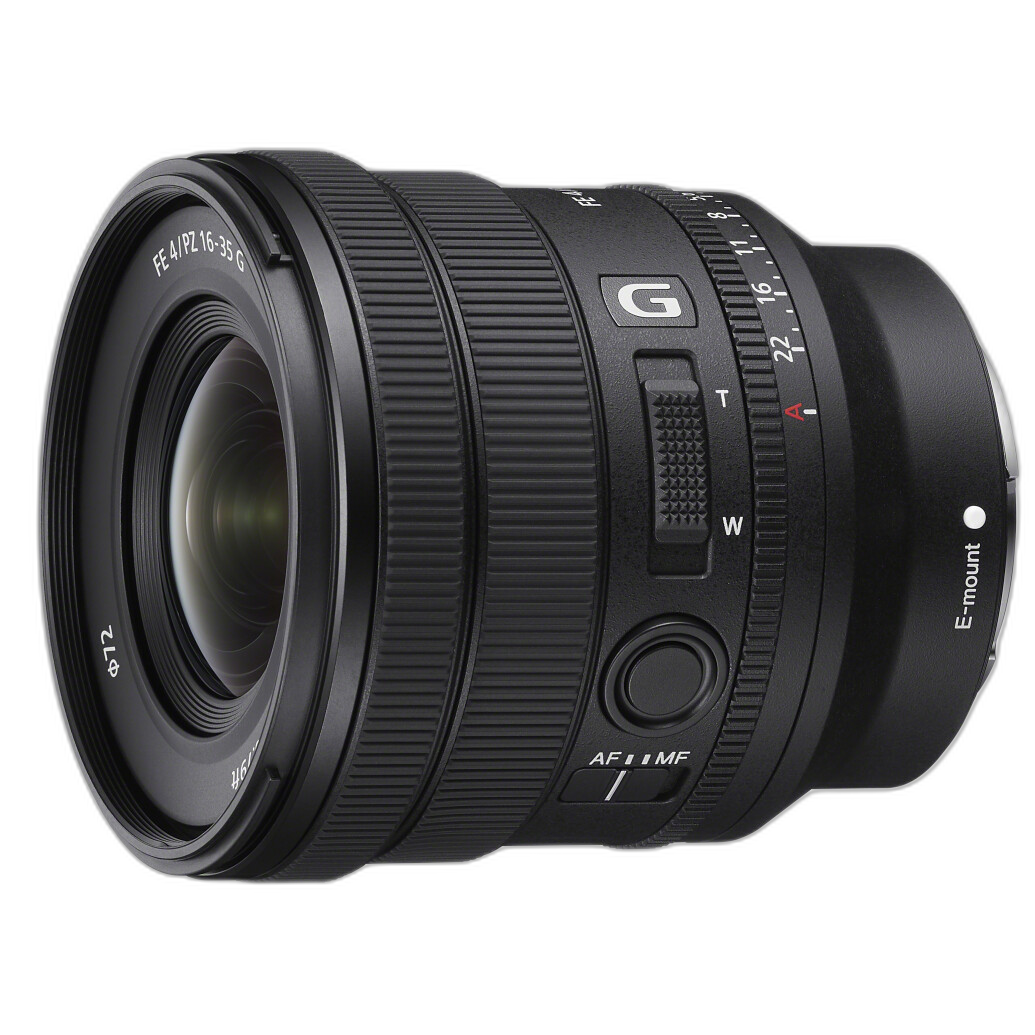
Side-by-Side Specs Comparison
| Lens | Mount / Format | Focal Length | Max Aperture | Stabilization | Best Astro Use Case |
|---|---|---|---|---|---|
| Open Box Sony 10-18mm f/4 OSS E-Mount Wide Zoom Lens | Sony E / APS-C | 10-18mm | f/4 | OSS | Ultra-wide APS-C night landscapes |
| Used Sony E 10-18mm F4 OSS - Excellent | Sony E / APS-C | 10-18mm | f/4 | OSS | APS-C travel astro and wide sky scenes |
| Used Sony 10-18mm f/4 OSS E-Mount Lens - Good | Sony E / APS-C | 10-18mm | f/4 | OSS | Budget-minded APS-C astro setup |
| Used Sony 10-18mm f/4 OSS E-Mount Lens - Fair | Sony E / APS-C | 10-18mm | f/4 | OSS | Lowest-cost entry into ultra-wide Sony APS-C shooting |
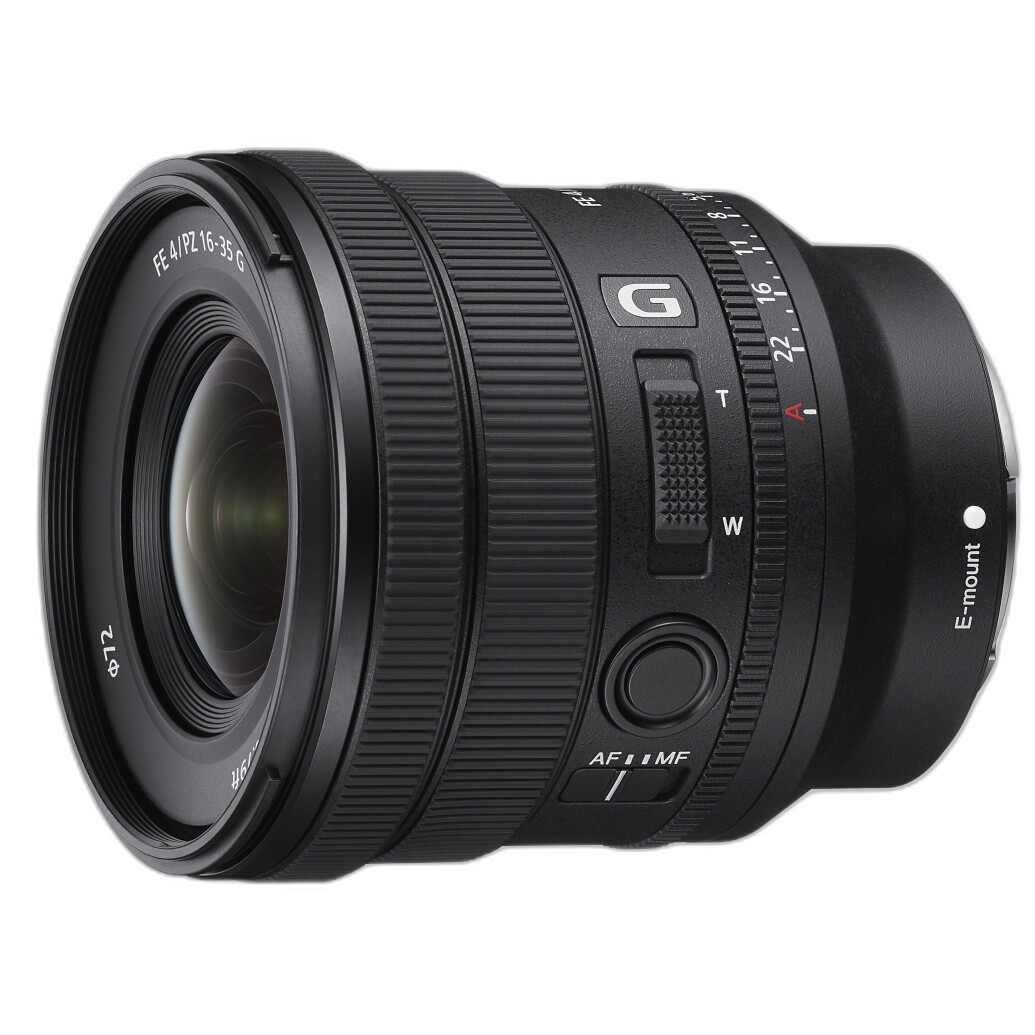
| Used Sony Sony FE PZ 16-35mm f/4 G Lens - Excellent | Sony FE / Full Frame | 16-35mm | f/4 | Lens-based design without OSS emphasis | Full-frame astro landscapes with flexible framing |
| Used Sony FE PZ 16-35mm f/4 G Lens - Good | Sony FE / Full Frame | 16-35mm | f/4 | Lens-based design without OSS emphasis | Versatile used full-frame wide zoom for night and day |
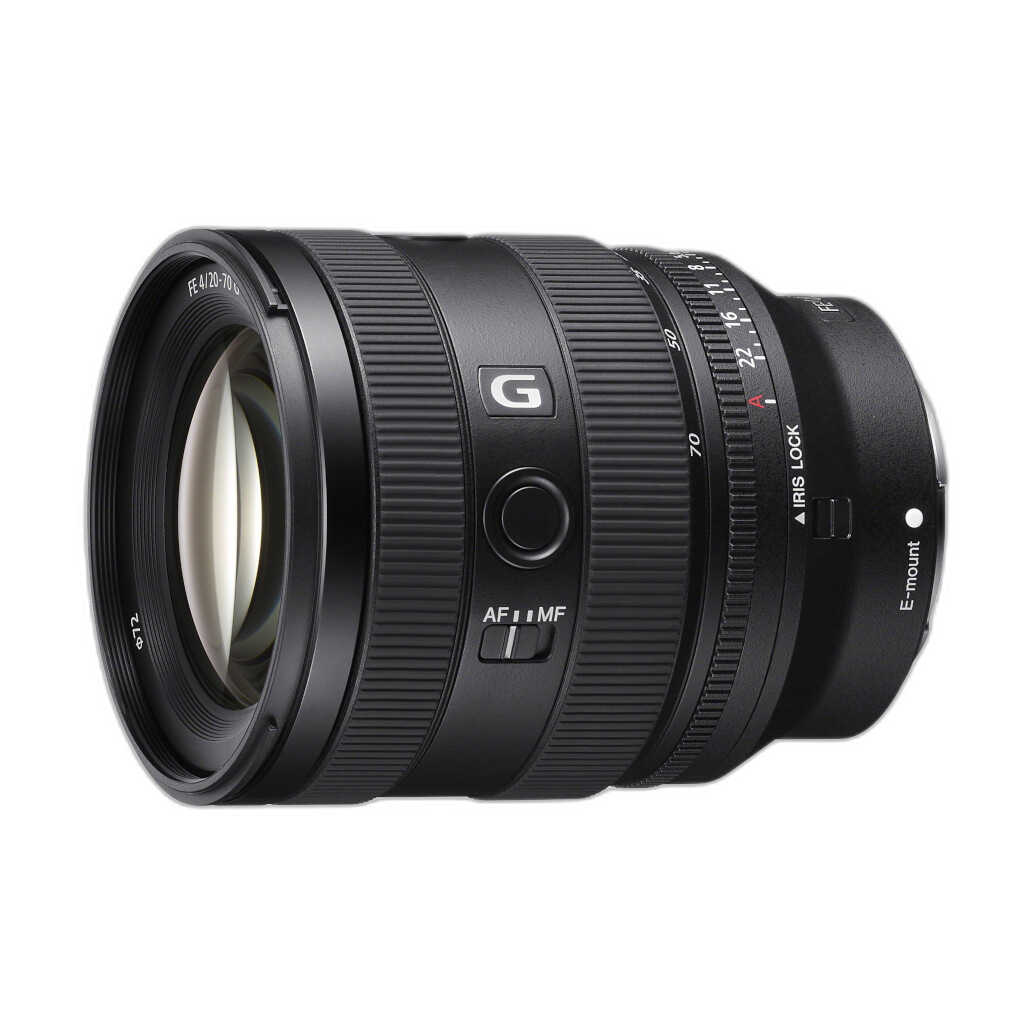
| Used Sony FE 20-70mm f/4 G Lens - Excellent | Sony FE / Full Frame | 20-70mm | f/4 | No OSS emphasis | Hybrid travel/night landscape lens |
The Main Lenses in This Comparison
Because multiple listings represent condition variants of the same optical design, the real head-to-head is between three Sony zoom concepts:
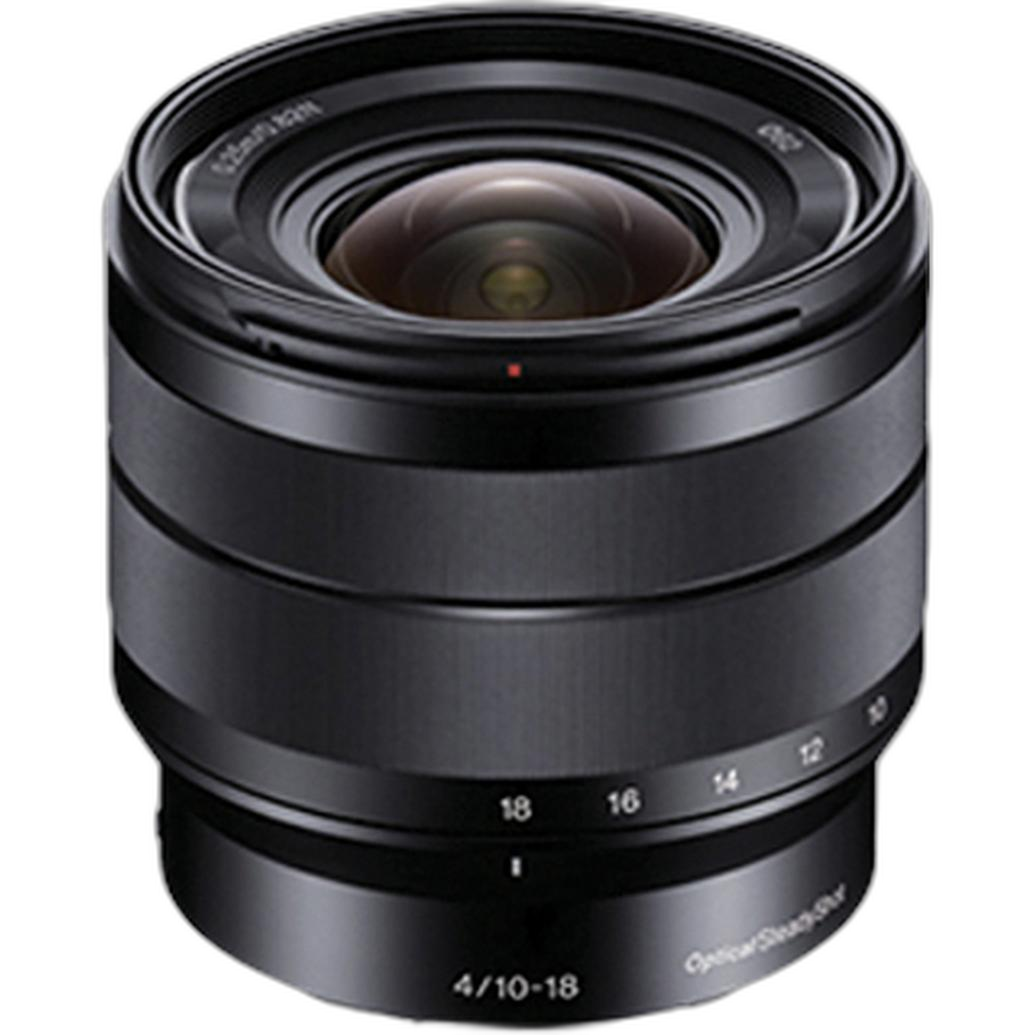
- Sony E 10-18mm f/4 OSS for APS-C shooters who want the widest field of view in this group.
- Sony FE PZ 16-35mm f/4 G for full-frame users who want a strong balance of width and versatility.
- Sony FE 20-70mm f/4 G for photographers who split time between astro, landscapes, travel, and general-purpose work.
Field of View for Night Sky Work
User experience often starts with one simple question: How much sky can I fit in the frame? On that front, the 10-18mm f/4 OSS clearly stands out for APS-C cameras. Its ultra-wide coverage makes it especially appealing for Milky Way panoramas, foreground-heavy compositions, and cramped shooting locations where stepping backward isn’t an option.
The FE PZ 16-35mm f/4 G is the more natural fit for full-frame astrophotographers. At 16mm, it reaches a classic astro focal length that gives a dramatic sky perspective while still allowing stronger subject placement in the foreground. Many users prefer this zone because it feels expansive without becoming so wide that composition gets difficult.
The FE 20-70mm f/4 G is the least specialized of the group for astro-specific work. Starting at 20mm is still usable for night landscapes, but user experience generally favors wider starting points for large sky scenes. Lens comparison tools may reward its broader zoom range, yet dedicated astrophotographers may see that as secondary to the missing 16mm or 10mm-equivalent advantage.
Aperture and Low-Light Expectations
All of the Sony lenses here share a constant f/4 maximum aperture. That makes this an interesting comparison, because no lens wins on brightness alone. For astrophotography, user feedback typically treats f/4 as workable rather than ideal. It can absolutely produce strong results, especially with modern Sony sensors, careful exposure technique, and stacking workflows, but it is not the same as using an f/2.8 or faster lens.
This means Lens Compare Beta-style ratings that heavily weight constant aperture may show these lenses as evenly matched. In practice, astro users will care more about how sharp the corners stay wide open, how easy the lens is to compose with in darkness, and whether the focal range suits the scene. Since these listings do not provide detailed optical test charts, the practical takeaway is that focal length and format matching become the bigger deciding factors.
APS-C vs. Full-Frame Experience
This is where user experience can diverge sharply from an abstract rating.
The Sony E 10-18mm f/4 OSS is designed for APS-C E-mount bodies. For Sony APS-C shooters, it fills an important role: true ultra-wide coverage in a compact package. If your astrophotography setup is built around an APS-C camera, this lens is likely the most purpose-built choice in the lineup.
The FE PZ 16-35mm f/4 G and FE 20-70mm f/4 G are full-frame FE lenses. On full-frame cameras, the 16-35mm is the more astro-oriented option, while the 20-70mm feels more like a flexible all-around lens that can also handle occasional night work. If a comparison engine gives the 20-70mm high marks for range and utility, users focused on stars may still prefer the 16-35mm because it starts wider where it matters most.
Stabilization and Real Astro Relevance
The 10-18mm f/4 OSS includes Optical SteadyShot, which can be useful for handheld video, twilight landscapes, and general low-light photography. But for dedicated astrophotography, stabilization is usually less important because star shooting is commonly done on a tripod, and tracked astro work minimizes the benefit further.
That’s a good example of where user experiences and rating systems sometimes separate. A lens may score well for stabilization features, but the astrophotography community often places more value on width, coma control, and edge consistency than on OSS or power zoom convenience.
Handling, Weight, and Dark-Sky Practicality
The Sony E 10-18mm f/4 OSS is attractive for travel and hike-in night shoots because it is part of Sony’s compact APS-C ecosystem. Users building lightweight kits for mountain overlooks, desert trips, or casual Milky Way outings will appreciate that.
The FE PZ 16-35mm f/4 G brings modern full-frame flexibility in a wide zoom range that works for astro, architecture, landscapes, and video. For users who want one full-frame wide-angle zoom that can stay on the camera all day and still come out at night, this is likely the sweet spot.
The FE 20-70mm f/4 G is arguably the best generalist. Its user appeal comes from reducing lens changes during travel. But for pure astro sessions, photographers may feel its wide end is just not as compelling as 16mm or 10mm-equivalent coverage.
Used vs. Open Box: What Matters to Buyers
Several of the listings here represent the same Sony 10-18mm f/4 OSS in different conditions: open box, excellent, good, and fair. That does not change the core imaging role of the lens, but it does affect value. For astrophotographers on a budget, used gear can be especially appealing because night shooting is often tripod-based and methodical rather than rough-and-tumble event work.
If image quality priorities are the same across condition grades, the decision becomes budget, cosmetic tolerance, and availability. A fair-condition copy may be the smartest low-cost path into ultra-wide astro on APS-C, while an excellent or open-box listing can appeal to buyers who want more confidence in cosmetic and operational condition.
User Experiences vs. Lens Compare Beta Ratings
If you’re weighing crowd wisdom against lens comparison ratings, here’s the simplest way to frame it:
- Ratings tools are good at summarizing feature sets, zoom range, format, and overall category placement.
- User experiences are better at revealing whether a lens feels truly right for Milky Way shooting, foreground composition, and practical night use.
For example, the FE 20-70mm f/4 G may look very strong in a feature-based comparison because it covers an unusually useful range. But an astrophotographer comparing actual field use will usually value the FE PZ 16-35mm f/4 G more for full-frame work simply because 16mm is far more compelling at night than 20mm. Likewise, APS-C users may find the 10-18mm f/4 OSS more relevant than any broader-scoring lens because it directly answers the need for ultra-wide sky coverage.
Our Pick
Best overall for full-frame astrophotography: Used Sony FE PZ 16-35mm f/4 G Lens - Excellent
If you shoot Sony full frame and want the strongest balance between real astro usability and everyday versatility, the FE PZ 16-35mm f/4 G is our pick. It starts at a much more astro-friendly 16mm, offers flexible framing for landscapes and travel, and feels better aligned with how photographers actually shoot night scenes than a more generalized zoom.
Best value for Sony APS-C astrophotographers: Used Sony E 10-18mm F4 OSS - Excellent
For APS-C users, the 10-18mm f/4 OSS remains the most purpose-driven option in this group. If your priority is fitting more sky into the frame and building a lightweight astro kit, this is the lens family to target.
Conclusion
When comparing Sony wide-angle zooms for astrophotography, Lens Compare Beta ratings can help narrow the field, but user experience often tells the more important story. The Sony E 10-18mm f/4 OSS is the clear fit for APS-C shooters who need maximum width, the Sony FE PZ 16-35mm f/4 G is the strongest full-frame astro choice here, and the Sony FE 20-70mm f/4 G makes the most sense for photographers who want one lens for many roles beyond the night sky. If you’re shopping used or open-box Sony glass, Unique Photo offers several compelling options to match both your camera format and your budget.