If you're shopping for a mirrorless camera and trying to decide between Sony, Canon, and Nikon, you're not alone. These three brands dominate the enthusiast and professional mirrorless market, and each one brings a distinct approach to image quality, autofocus performance, ergonomics, lens selection, and overall value. This guide is for photographers, hybrid shooters, and content creators who want a practical breakdown of what each system does best—without getting lost in spec-sheet overload.
Because mirrorless buying decisions are really system decisions, we'll compare the strengths of each brand and also highlight a few lens options that make a strong Sony kit especially compelling for landscape, travel, everyday shooting, and fast-paced creative work.
How Sony, Canon, and Nikon Compare at a Glance
| Brand | Image Quality | Autofocus | User Experience | Lens Ecosystem | Value for Money |
|---|---|---|---|---|---|
| Sony | Excellent dynamic range and detail, especially in full-frame bodies | Class-leading subject detection and tracking | Feature-rich, compact, sometimes menu-heavy | Extensive native and third-party options | Very strong, especially across multiple price tiers |
| Canon | Excellent color science and reliable overall output | Fast, confident AF with great eye detection | Polished handling and intuitive controls | Strong native RF lenses, fewer third-party choices in some segments | Good, but often pricier once lenses are added |
| Nikon | Superb image quality with natural color and strong low-light results | Greatly improved AF in recent generations | Comfortable ergonomics and familiar interface | Growing Z-mount lineup, not as broad as Sony yet | Strong in select bodies and kits |
Image Quality: All Three Are Excellent, but They Differ in Character
At a high level, Sony, Canon, and Nikon all produce excellent image quality in modern mirrorless cameras. For most buyers, the differences are less about whether a camera is capable and more about the look, workflow, and sensor behavior you prefer.
Sony tends to stand out for dynamic range, fine detail, and sensor performance across a broad lineup. Landscape photographers and hybrid shooters often appreciate how flexible Sony files are in post-production. The system also spans entry-level to high-end full-frame options, making it easier to grow without changing brands.
Canon is often praised for pleasing color and a polished out-of-camera look. Skin tones are a common reason many portrait and event shooters gravitate toward Canon. While Sony may edge out in sheer system breadth, Canon bodies often win points for how quickly users feel comfortable with them.
Nikon remains a favorite among photographers who value natural rendering, strong RAW flexibility, and excellent still-image output. Nikon mirrorless cameras have become increasingly competitive, especially for serious enthusiasts and pros who prioritize image quality and ergonomics.
Autofocus: Sony Still Sets the Pace
Autofocus is one of the biggest factors separating mirrorless systems, especially if you shoot sports, wildlife, kids, events, or video. Sony continues to lead the conversation with highly refined real-time tracking and dependable eye autofocus for people, animals, and more. In practical use, Sony often feels especially sticky and confident when subjects move unpredictably.
Canon is also excellent here. Its Dual Pixel AF-based mirrorless systems are fast, smooth, and easy to trust. Many users love how naturally Canon cameras acquire and hold subjects, especially for portraiture and general-purpose shooting.
Nikon has improved dramatically in recent generations. While older perceptions may linger, current Nikon mirrorless autofocus is much stronger than many shoppers expect. For many users, especially outside the most demanding action scenarios, Nikon AF is more than capable.
User Experience: The Best Camera Is the One You Enjoy Using
This is where personal preference matters most. Canon is often seen as the easiest to pick up and enjoy right away, thanks to intuitive menus and comfortable handling. Nikon also scores highly for ergonomics, especially among photographers who like substantial grips and direct control over settings.
Sony has evolved significantly over the years. While older models were sometimes criticized for menu complexity, newer Sony bodies are much more refined. The payoff is deep customization, compact body designs, and access to one of the most mature mirrorless ecosystems available.
Value for Money: Sony's Ecosystem Advantage Is Hard to Ignore
When evaluating value, it is important to look beyond the camera body. Lenses, accessories, and long-term upgrade options matter just as much. This is where Sony often becomes especially attractive. In addition to strong native lenses, Sony users can choose from a wide range of third-party options from brands like Tamron, making it easier to build a capable kit at multiple budget levels.
Canon and Nikon both offer excellent premium lenses, but Sony currently has an edge in breadth and flexibility. For many buyers, that wider ecosystem translates into better overall value over time.
Recommended Sony Lenses to Build a Strong Mirrorless Kit
While this guide compares camera systems broadly, lenses are what turn a mirrorless body into a real photographic tool. Here are several standout Sony-compatible options that show why the Sony ecosystem remains so compelling.
Sony FE 24-105mm f/4 G OSS Lens
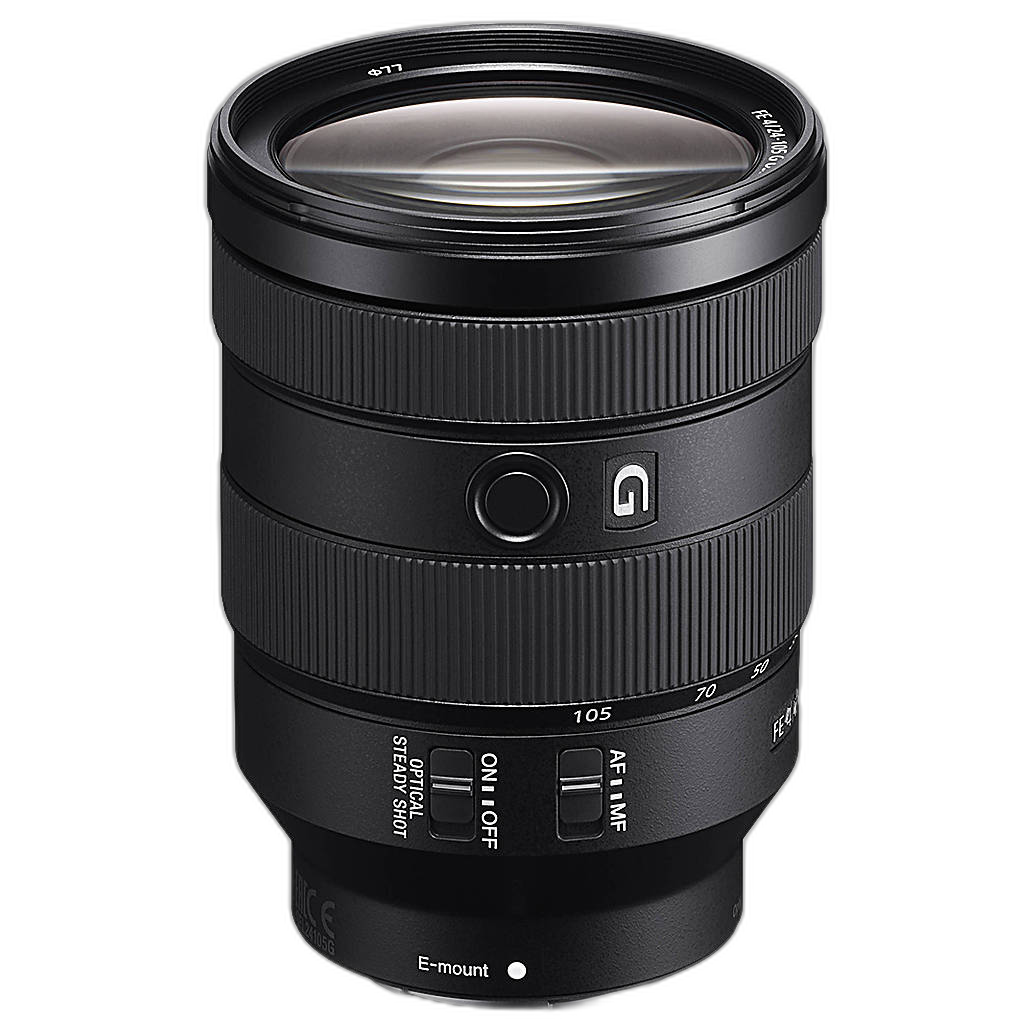
If you want one lens that can do almost everything, this is one of the smartest choices in the Sony full-frame system. The 24-105mm range covers landscapes, travel, portraits, events, and everyday shooting, while the constant f/4 aperture keeps exposure predictable across the zoom range.
Its optical stabilization adds flexibility for handheld work, and the overall balance of image quality, versatility, and convenience makes it an ideal walkaround lens for enthusiasts and working photographers alike.
Best for: travel, general photography, events, all-purpose full-frame kits
Sony FE 12-24mm f/2.8 GM Lens
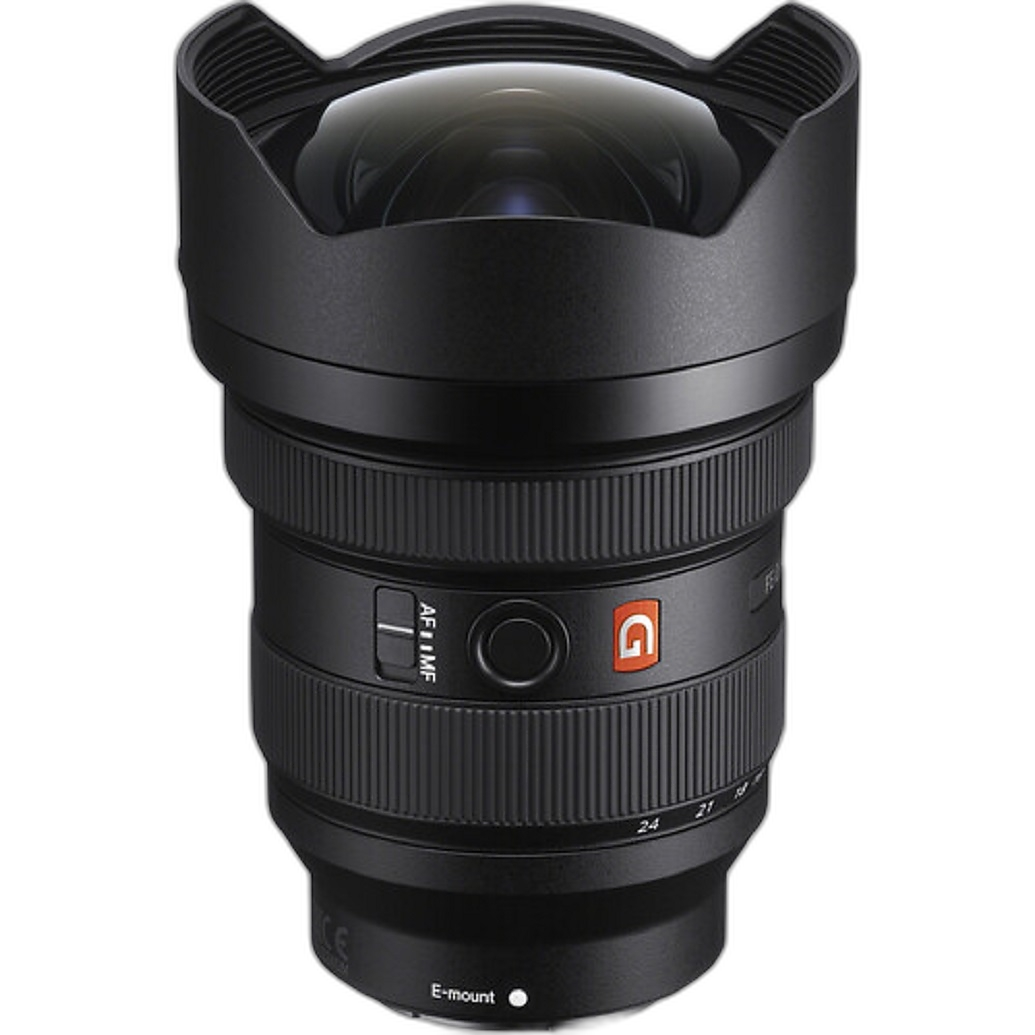
For landscape, architecture, interiors, and dramatic video work, this ultra-wide G Master zoom is a premium option that shows off the high-end potential of the Sony system. The fast f/2.8 aperture is especially useful for night scenes, astrophotography, and professional video production.
This is not an entry-level value lens—it's a statement lens for creators who need extreme wide-angle coverage without giving up pro-level optical performance.
Best for: landscapes, architecture, astro, real estate, cinematic ultra-wide work
Tamron 16-30mm F/2.8 Di III VXD G2 Lens for Sony E
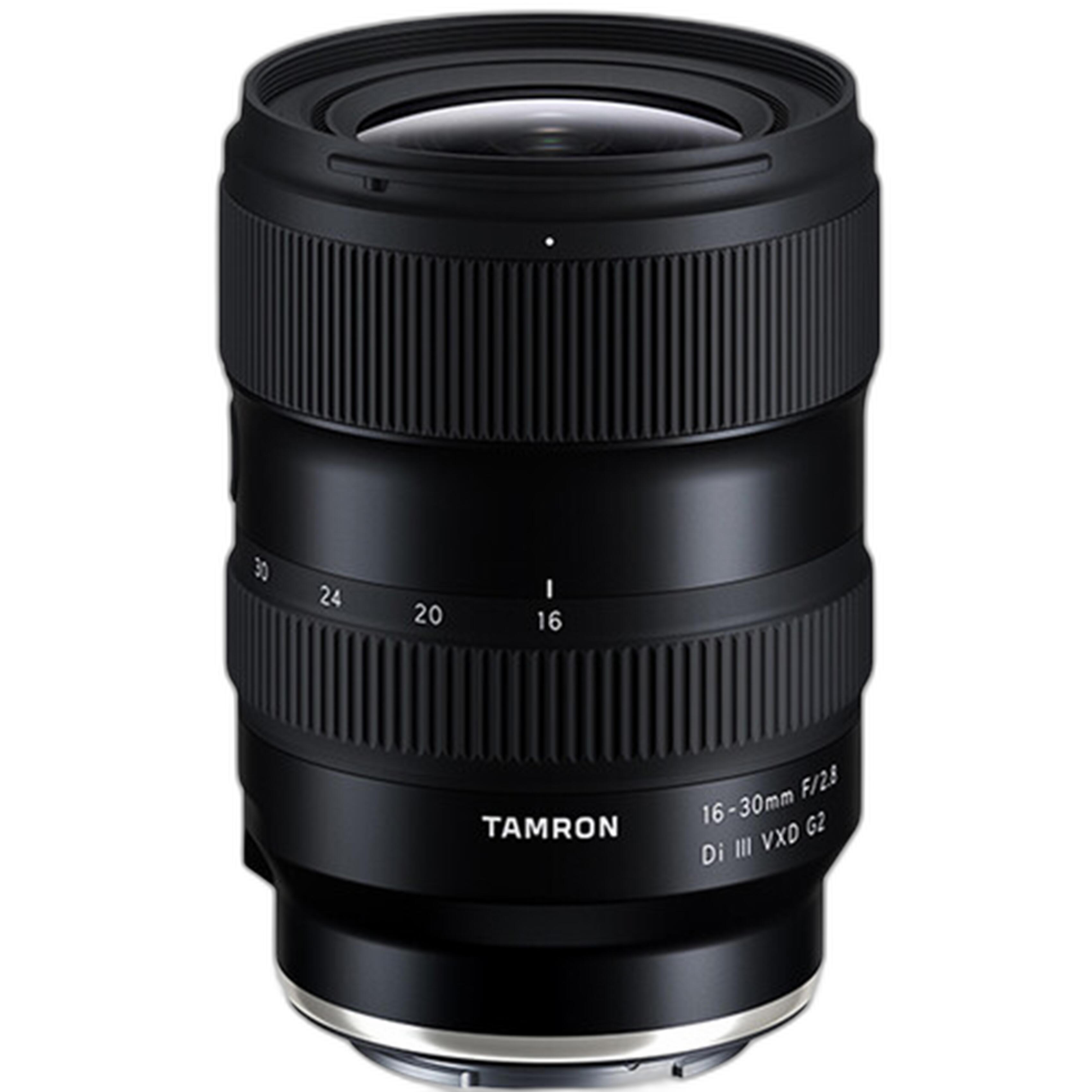
This lens is a great example of why Sony's ecosystem offers such impressive value. Tamron gives Sony shooters a fast ultra-wide zoom option that can appeal to buyers who want strong performance without necessarily stepping up to the highest-tier premium pricing.
It is a compelling choice for travel, landscapes, vlogging, and hybrid shooting, especially for photographers building a flexible full-frame kit with smart budget awareness.
Best for: wide-angle travel, landscapes, hybrid creators, value-focused Sony shooters
Lens Comparison Table
| Lens | Type | Best Use | Why It Stands Out |
|---|---|---|---|
| Sony FE 24-105mm f/4 G OSS | Standard zoom | Everyday, travel, events | Excellent all-in-one versatility |
| Sony FE 12-24mm f/2.8 GM | Ultra-wide zoom | Landscape, architecture, astro | Premium optics with fast f/2.8 aperture |
| Tamron 16-30mm F/2.8 Di III VXD G2 | Ultra-wide zoom | Travel, hybrid, wide-angle creative work | Strong performance and attractive value |
Our Pick
Best overall system for most mirrorless buyers: Sony.
Sony earns our pick because it combines excellent image quality, top-tier autofocus, a mature lens ecosystem, and some of the strongest long-term value in the mirrorless market. Canon remains a fantastic option for photographers who prioritize intuitive handling and color, while Nikon is highly appealing for those who love great ergonomics and beautiful still-image output. But for the broadest mix of performance, flexibility, and future-proof system growth, Sony is the most versatile recommendation for most buyers.
Who Should Choose Each Brand?
Choose Sony if: you want the broadest lens selection, leading autofocus, strong hybrid features, and excellent system value.
Choose Canon if: you prioritize user-friendly operation, refined handling, and excellent out-of-camera color.
Choose Nikon if: you want great ergonomics, impressive image quality, and a system that feels especially strong for still photographers.
Conclusion
There is no bad choice among Sony, Canon, and Nikon mirrorless cameras today—but there is a best choice for your priorities. If autofocus performance, lens variety, and long-term value are at the top of your list, Sony stands out as the most complete system for the widest range of photographers and creators. Canon is ideal for users who want a polished, intuitive shooting experience, and Nikon remains a strong contender for image-focused photographers who value handling and natural rendering.
If you're ready to compare gear and build the right mirrorless kit, Unique Photo is a great place to explore lenses, accessories, and expert guidance tailored to your shooting style.