Sony Portrait Zoom vs Prime Lenses: Frequently Asked Questions
Choosing a portrait lens for Sony can feel complicated, especially when online comparison tools promise easy answers about sharpness, blur, and overall rendering. At Unique Photo, we recommend using lens comparison data as a starting point, then matching those findings to how you actually shoot portraits: posed sessions, events, environmental work, or hybrid photo/video production.
If you are trying to decide between the flexibility of a zoom and the classic look of a prime, this FAQ breaks down what matters most and how to interpret comparison results in a practical way.
What can a lens comparison tool tell you about portrait sharpness and bokeh?
A good comparison tool can help you evaluate technical differences such as center sharpness, edge sharpness, contrast, and how a lens behaves at different apertures and focal lengths. For portraits, though, those numbers only tell part of the story. Most portrait photographers care just as much about subject separation, transition from in-focus to out-of-focus areas, skin rendering, and whether the background blur looks smooth rather than distracting.
In practice, primes often stand out because their wider maximum apertures can produce shallower depth of field and a more pronounced background blur. Zooms, especially premium telephoto zooms, can still create beautiful compression and flattering perspective while giving you much more framing flexibility. That makes them especially appealing for fast-moving sessions where you cannot constantly change position or lenses.
Are prime lenses usually better than zooms for portraits on Sony?
Not always better, but they are often better for a specific type of portrait look. A prime lens is usually chosen for its speed, subject isolation, and consistent rendering. If your priority is a classic portrait style with soft background separation and a deliberate shooting pace, a prime can be a great fit.
Zooms shine when versatility matters. A lens that covers multiple portrait focal lengths lets you move from tighter headshots to looser half-body compositions without interrupting the session. For photographers who shoot families, events, weddings, or editorial portraits, that flexibility can outweigh the aperture advantage of a prime.
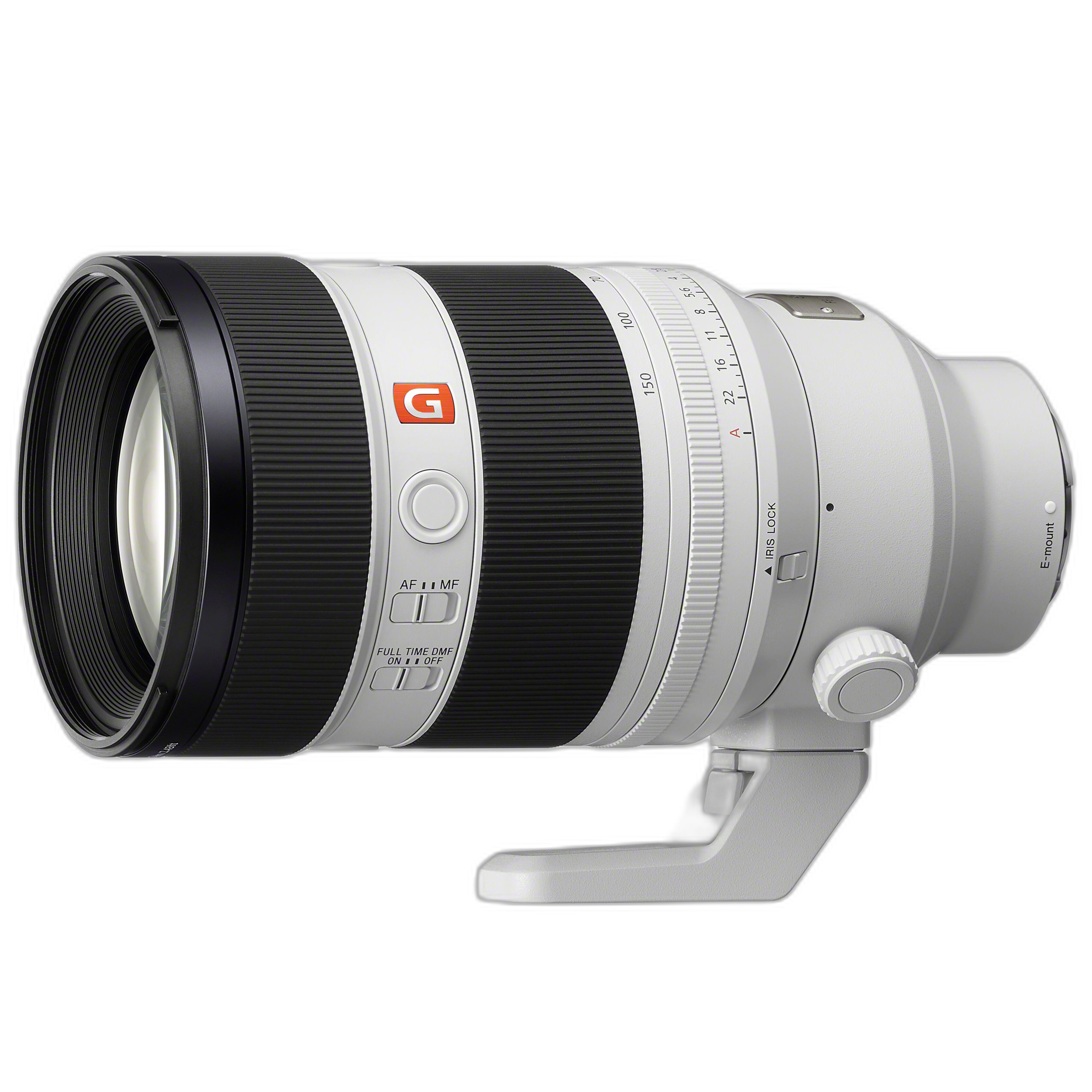
For Sony users who want a modern premium zoom option with portrait-friendly range and a bright aperture, the Sony FE 50-150mm F2 GM Lens is especially compelling. An f/2 zoom across that range can deliver excellent background separation while giving you the ability to fine-tune framing quickly.
How should I think about an 85mm-style portrait look versus a 70-200mm-style approach?
Many portrait photographers love the 85mm focal length because it feels natural for headshots and upper-body portraits while maintaining flattering facial proportions. That focal length has long been associated with portraiture because it balances intimacy, separation, and working distance very well.
A 70-200mm-style approach changes the experience. Longer focal lengths compress the background more, help isolate the subject even in busy environments, and let you shoot from farther away. This can be great for candid portraits or for subjects who are more comfortable with extra personal space. The tradeoff is size, weight, and sometimes a less spontaneous feel in tighter locations.
While the exact 85mm and 70-200mm lenses discussed online may not be the same models you are considering today, the general principle still holds: if you want a single focal length with a classic portrait identity, choose a prime; if you want maximum compositional flexibility and consistent results across different distances, choose a telephoto zoom.
Is a lens comparison beta tool reliable enough to choose a portrait lens by itself?
It is useful, but it should not be your only deciding factor. Comparison tools are best for narrowing options, not making the final call. Portrait photography is deeply affected by factors that are harder to quantify, including autofocus confidence on eyes, handling during long sessions, color and contrast rendering, flare behavior, and how pleasing the out-of-focus areas feel in real images.
At Unique Photo, we suggest using comparison data to identify likely candidates, then considering your style. If you shoot outdoor portraits in changing light, low-light capability and autofocus may matter more than tiny sharpness differences. If you shoot studio work stopped down, the practical gap between lenses may be much smaller than charts suggest.
What matters more for portraits: sharpness or bokeh?
For most portrait work, balance matters more than chasing the sharpest possible lens. Extremely high sharpness can be impressive, but portraiture often benefits more from the right combination of clear subject detail, gentle falloff, and pleasing background blur. A lens that renders eyes crisply while keeping skin and backgrounds attractive is often more desirable than one that is clinically sharp everywhere.
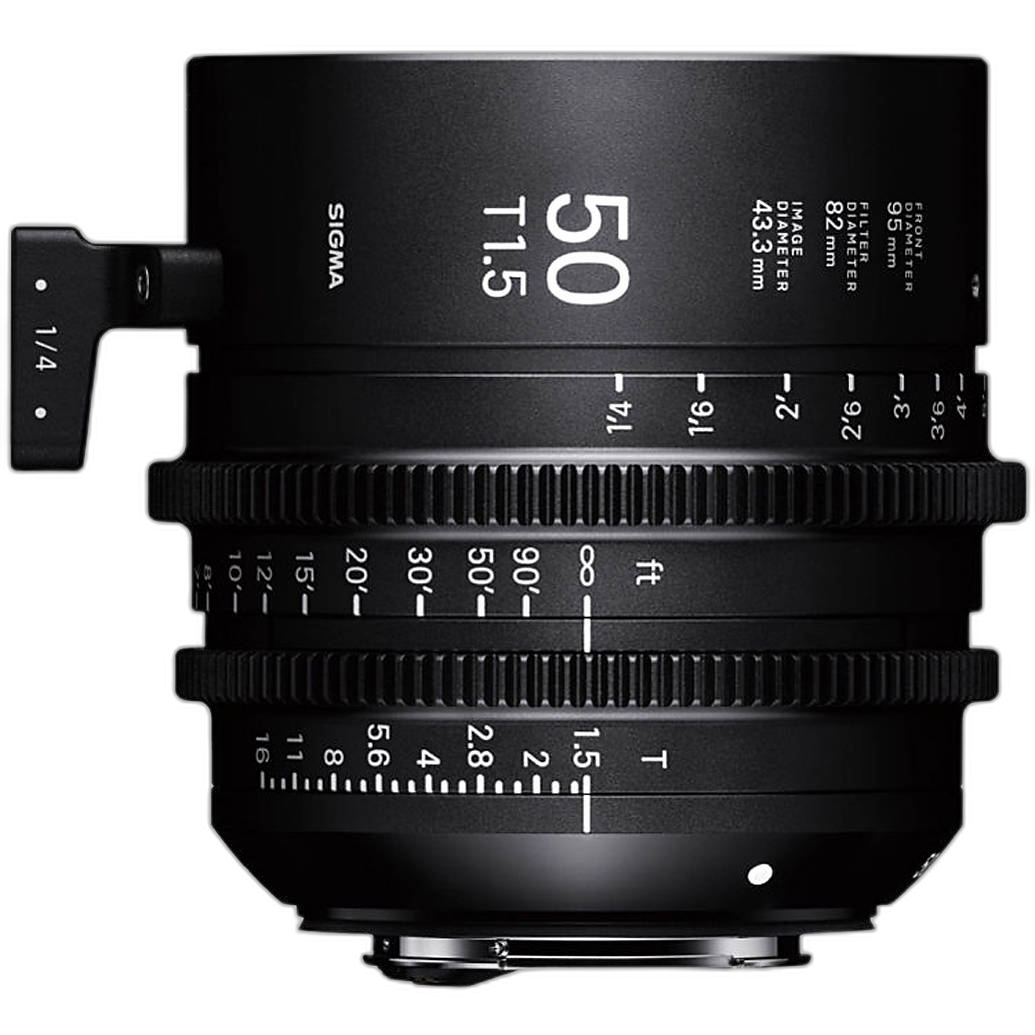
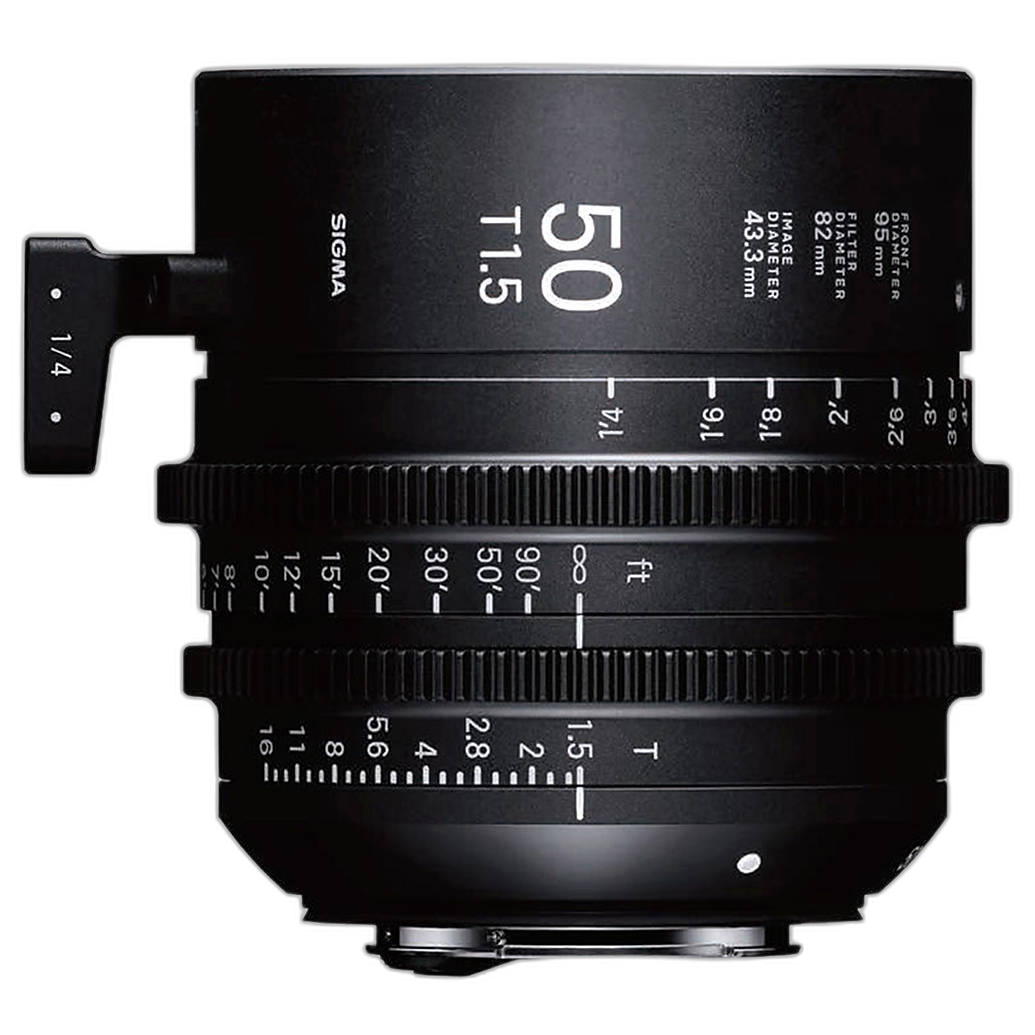
This is one reason many portrait shooters still love fast primes. If you also create video or want a highly controlled cinematic look, a dedicated prime can be especially appealing. For example, the Sigma 50mm T1.5 Fully Luminous FF High-Speed Prime Lens for Sony E offers a fast aperture and a classic normal perspective that works well for environmental portraits and stylized productions.
Can a zoom still give me strong background separation for portraits?
Absolutely. Separation depends on more than just aperture. Focal length, subject-to-background distance, and framing all play major roles. A longer zoom can create excellent blur and compression, even if it is not as fast as a portrait prime. In fact, many photographers are surprised by how elegant telephoto portraits can look when the subject is well separated from the background.
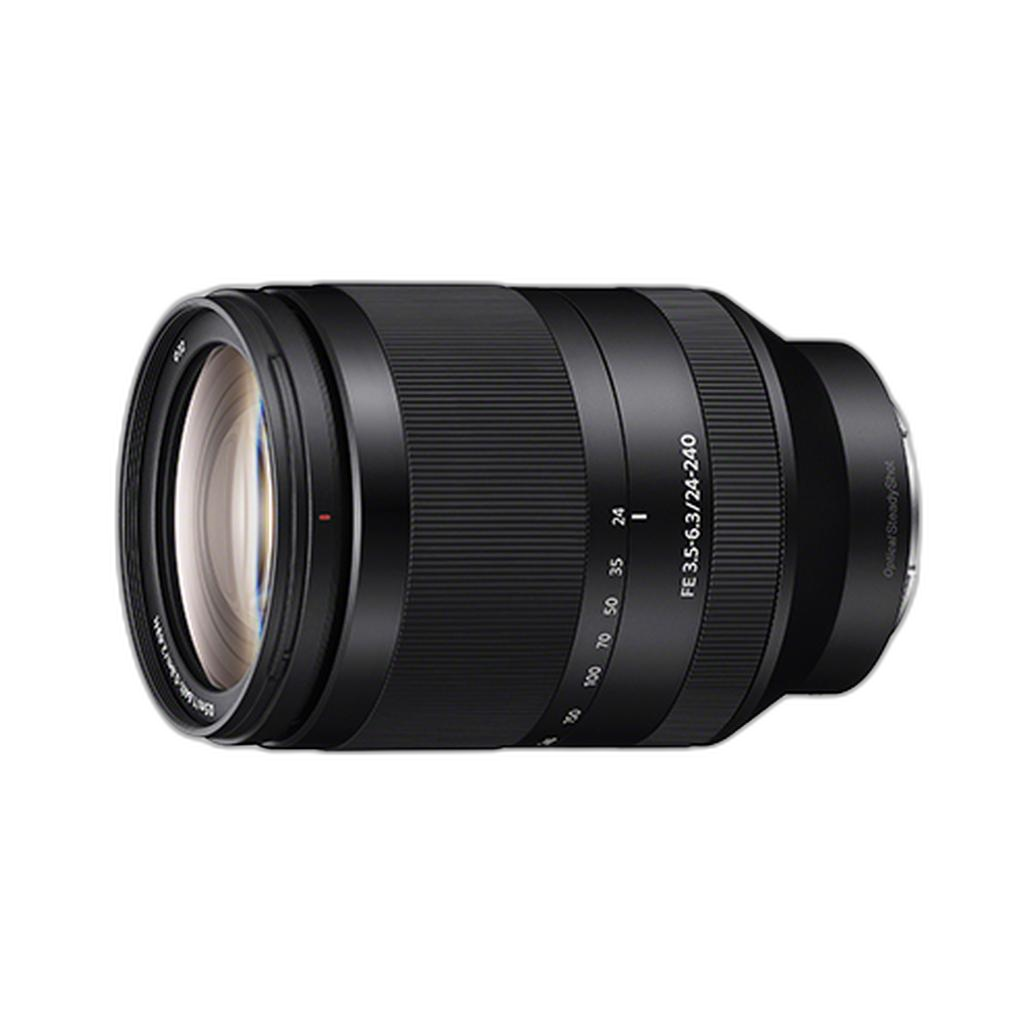
If you want broad coverage in one lens, the Sony FE 24-240mm f/3.5-6.3 OSS offers exceptional reach for travel, casual portraiture, and all-in-one convenience. It is not a dedicated portrait specialist, but it can still be useful for photographers who want flexibility first and portrait capability second.
For photographers who want a more premium portrait-oriented zoom experience, the Sony FE 50-150mm F2 GM stands out as a much stronger creative option thanks to its faster aperture and highly useful focal range.
What if I shoot APS-C Sony cameras for portraits?
APS-C users should think in terms of full-frame equivalent field of view. A 35mm lens on APS-C gives you a perspective similar to roughly 50mm on full frame, which can be excellent for environmental portraits, couples, and everyday people photography. It may not replace a traditional short telephoto portrait lens, but it is a smart and versatile choice.
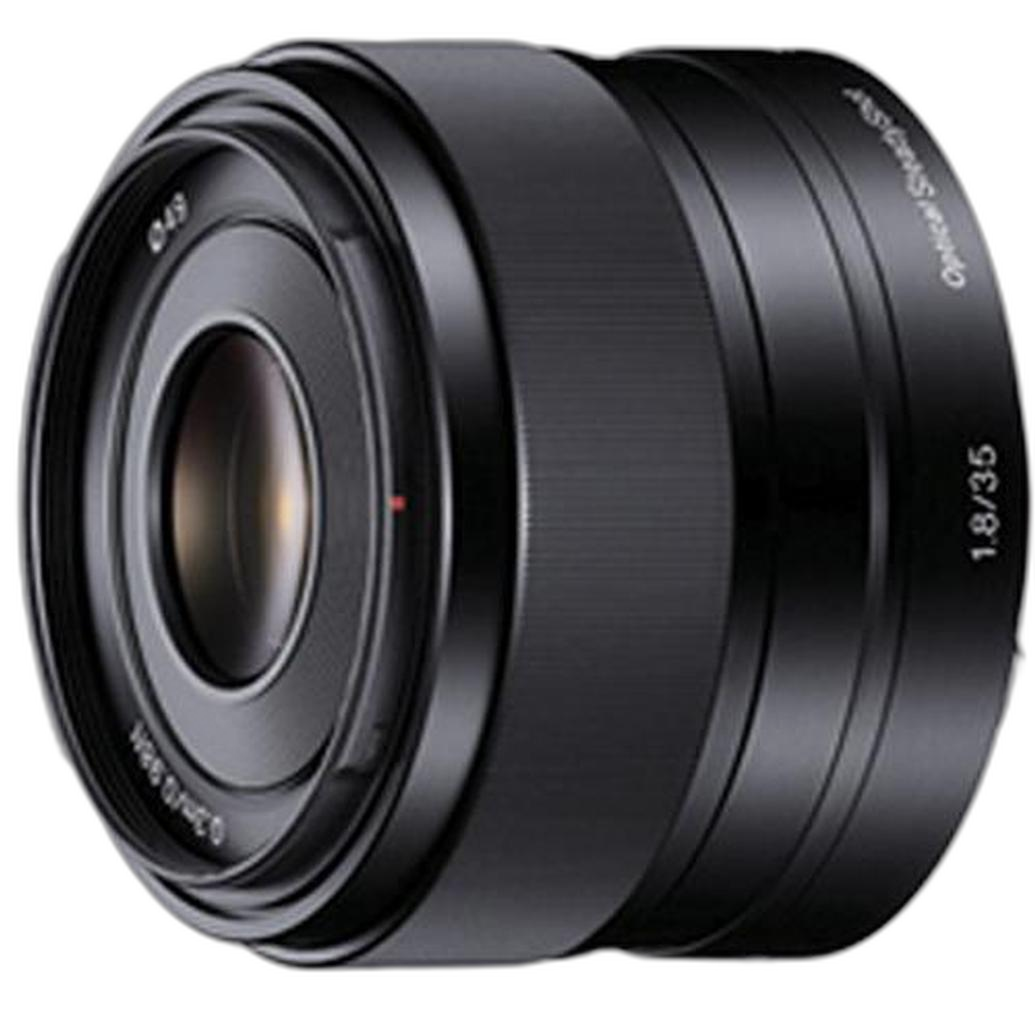
The Sony E 35mm f/1.8 OSS is a particularly appealing option for APS-C portrait shooters who want a compact lens with a bright aperture and stabilization. It works well for natural-light portraits, casual sessions, and hybrid shooters who also value portability.
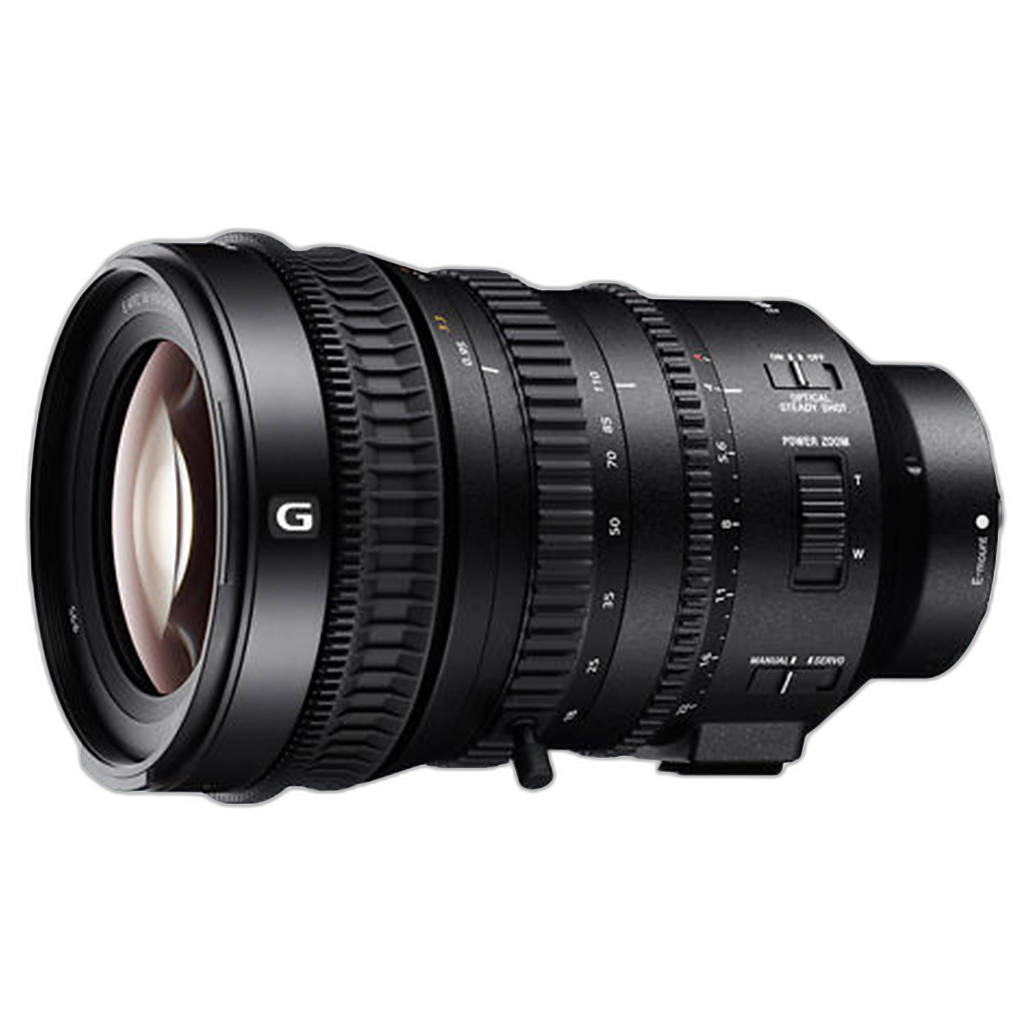
On the other hand, if your APS-C workflow leans more toward video, documentary, or controlled productions, the Sony 18-110mm f/4 G OSS Power Zoom gives you broad coverage and smooth zoom capability, though it is more of a cinema-oriented tool than a traditional portrait prime substitute.
Are cine lenses a smart choice for portrait work?
They can be, especially for photographers and filmmakers who value manual focus precision, consistent gearing, and a cinematic rendering style. Cine lenses are not the first recommendation for every portrait stills shooter, but they can be excellent for controlled sessions, video portraits, and editorial productions where manual operation is part of the workflow.
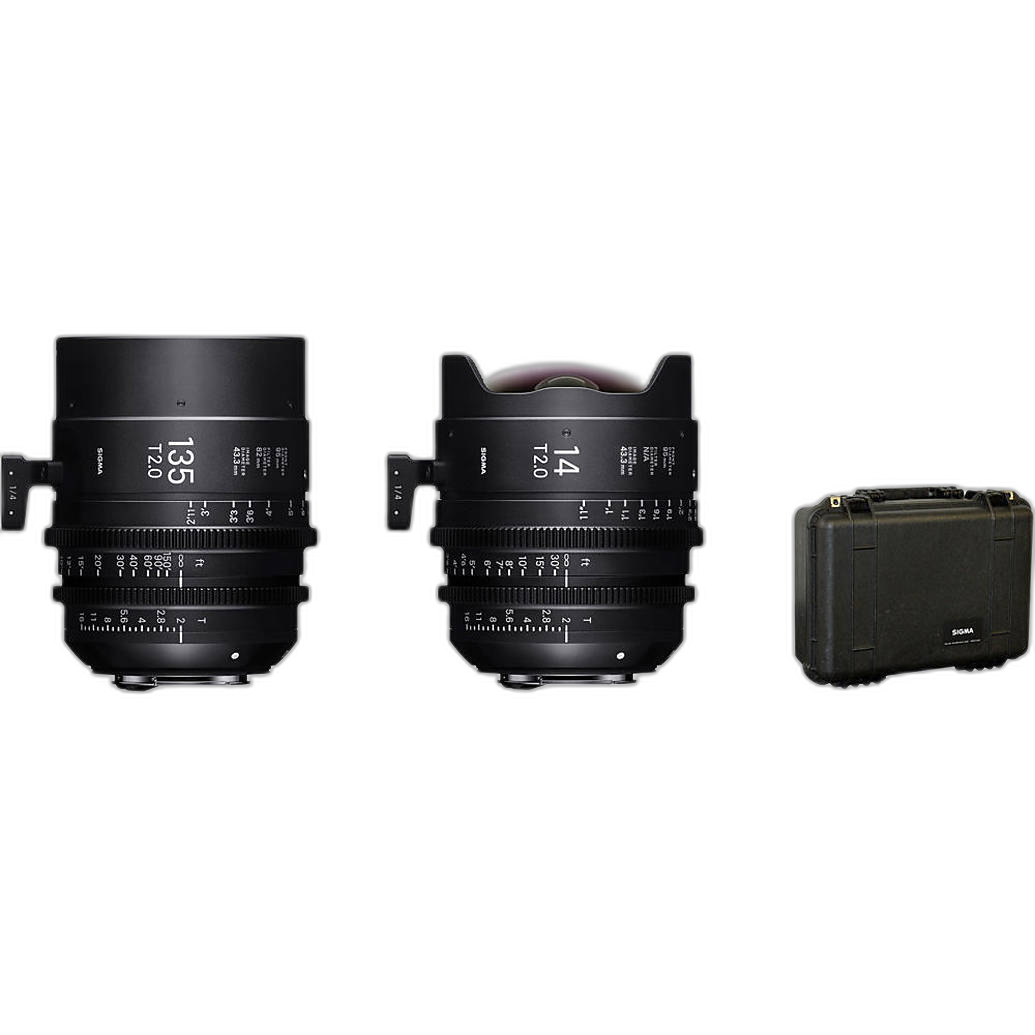
For example, Sigma's high-speed cine primes can be attractive for creators who want a stylized look and very fast apertures. A lens like the Sigma 50mm T1.5 FF High-Speed Prime Lens for Sony E is particularly useful if your portrait work blends stills and motion. For larger productions or teams building a matched look across focal lengths, the Sigma 14/135mm T2 FF High-Speed Fully Lum. Prime Lens Kit offers a full cine-oriented system for Sony E users.
What is the best way to choose between a zoom and a prime for my portrait style?
Start by reviewing your actual shoots. If most of your favorite portraits happen at one focal length and you love shallow depth of field, a prime is probably the more satisfying option. If you regularly change compositions, work in tight spaces, or photograph a variety of subjects in one session, a zoom may help you work faster and more confidently.
Ask yourself a few practical questions: Do you want the softest possible background? Do you shoot in low light? Do you prefer traveling light? Do you need one lens that can handle portraits plus general shooting? Your answers usually point to the right category very quickly.
For many Sony photographers, the real answer is not zoom or prime forever. It is often one of each: a flexible zoom for working sessions and a fast prime for a signature look.
What is Unique Photo's bottom-line advice?
Use comparison tools to learn, but do not let them make the decision for you. Portrait lenses should be judged by how they fit your subjects, your workflow, and the visual style you want to create. A prime may give you the classic portrait look you have in mind, while a strong zoom may deliver better results in real-world sessions simply because it helps you react faster and compose more freely.
If you are ready to build or refine your Sony portrait kit, Unique Photo can help you compare lenses, explore Sony and Sigma options, and find the right match for your camera and shooting style.