Introduction
Macro photographers tend to judge lenses on two things faster than almost any other audience: how much real detail a lens can actually resolve, and how predictable focus behavior remains once you get close. In discussions around Sony macro lenses, those same priorities often come up when evaluating Beta tool renderings as well—does the rendering really show the fine texture, edge definition, and shallow depth-of-field transitions that matter in true macro work?
Here, we compare three popular Sony options that often enter that conversation: the Sony FE 100mm F2.8 GM OSS Macro Lens, the Sony FE 50mm f/2.8 Macro Lens, and the Sony E 30mm F3.5 Macro E-mount Macro Lens. We also include the Sony FE 70-200mm f/4 Macro G OSS II Lens, because forum users frequently bring it up as a close-focusing alternative even though it is not a dedicated 1:1 macro lens. The goal is to see which lens best matches real-world macro expectations for detail rendering, working distance, and focus handling.
Side-by-Side Specs
| Lens | Format | Max Aperture | Macro Capability | Stabilization | Best Use Case |
|---|---|---|---|---|---|
| Sony FE 100mm F2.8 GM OSS Macro | Full-Frame E-mount | f/2.8 | True macro lens | OSS | Serious macro, product, nature close-ups |
| Sony FE 50mm f/2.8 Macro | Full-Frame E-mount | f/2.8 | True macro lens | No OSS | General-purpose macro, tabletop, budget-conscious full-frame users |
| Sony E 30mm F3.5 Macro | APS-C E-mount | f/3.5 | True macro lens | No OSS | Entry-level macro, small subjects, travel kits |
| Sony FE 70-200mm f/4 Macro G OSS II | Full-Frame E-mount | f/4 | Close-focusing macro-style zoom | OSS | Versatile telephoto shooting with strong close-up performance |
How Macro Photographers Evaluate Detail and Focus
When photographers compare Beta tool renderings against actual macro shots, they are usually looking for a few telltale signs. First is whether the rendering preserves very fine texture: insect wings, flower pollen, watch dials, fabric fibers, and product surfaces. Second is focus falloff—macro shooters know that depth of field becomes extremely thin, so a convincing rendering needs to show abrupt but natural transitions from sharp focus to blur. Third is focus behavior itself: does the lens feel easy to place precisely, or does it hunt, shift, or require more care at high magnification?
That makes lens choice especially important. Even if a Beta rendering looks impressive, experienced users often compare it against real macro samples to see whether the lens' optical character and handling are being represented honestly.
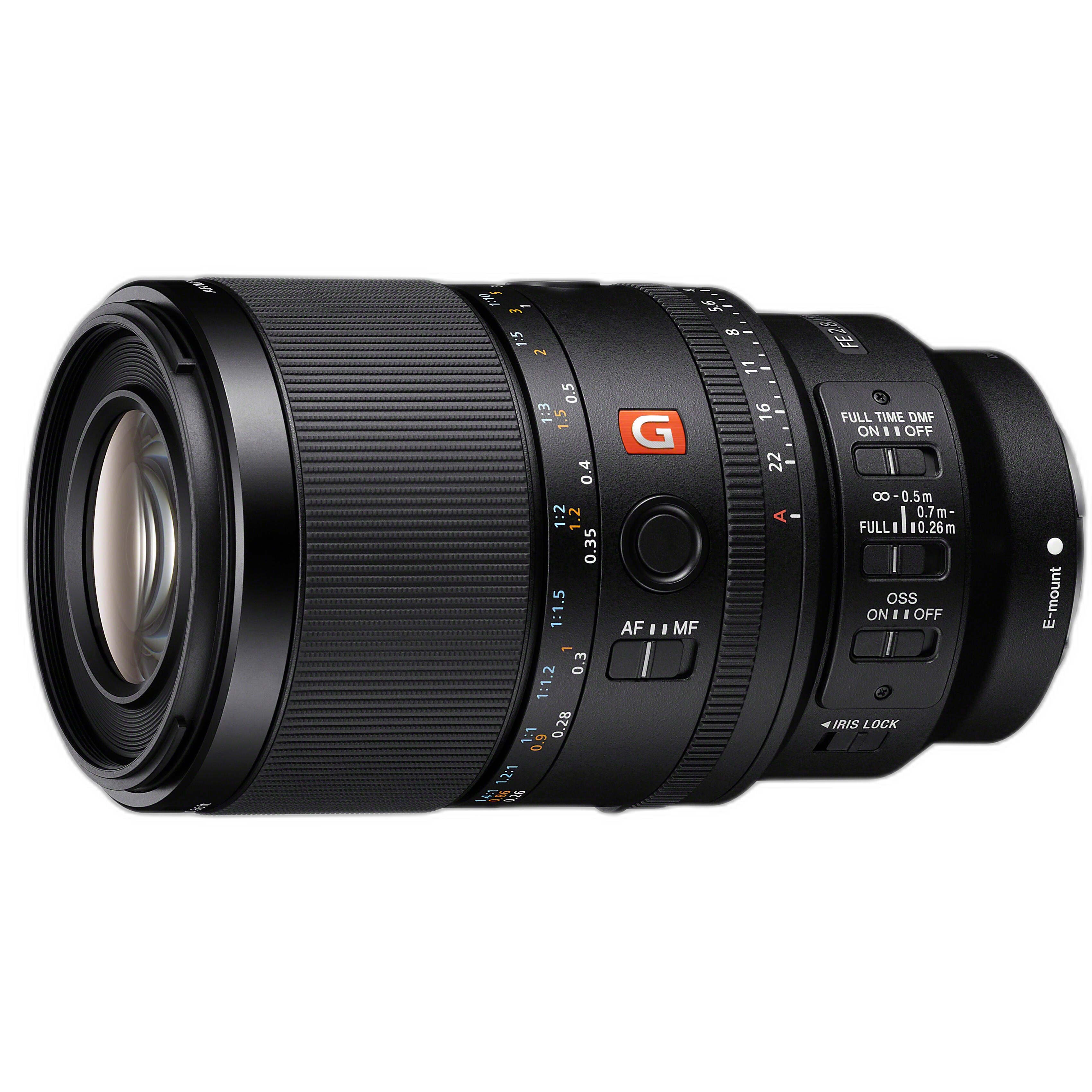
Sony FE 100mm F2.8 GM OSS Macro Lens
The 100mm GM is the most natural fit for demanding macro shooters. In forum-style comparisons, it is usually the benchmark Sony macro lens because it balances high magnification with a more comfortable working distance than shorter focal lengths. That extra distance matters for insects, reflective products, and lighting setups where you do not want the front of the lens crowding the subject.
For Beta renderings, this lens is also the easiest to judge favorably because its real-world output tends to show the kind of clean micro-contrast and isolated subject detail macro photographers expect. Fine edges, subtle texture separation, and smoother background transitions are all areas where renderings based on this lens should appear more believable.
Its Optical SteadyShot helps in practical handheld close-up work, though macro photographers still know stabilization does not replace careful technique at higher magnifications. Focus behavior is generally more confidence-inspiring than shorter, less specialized alternatives, particularly when precision matters.
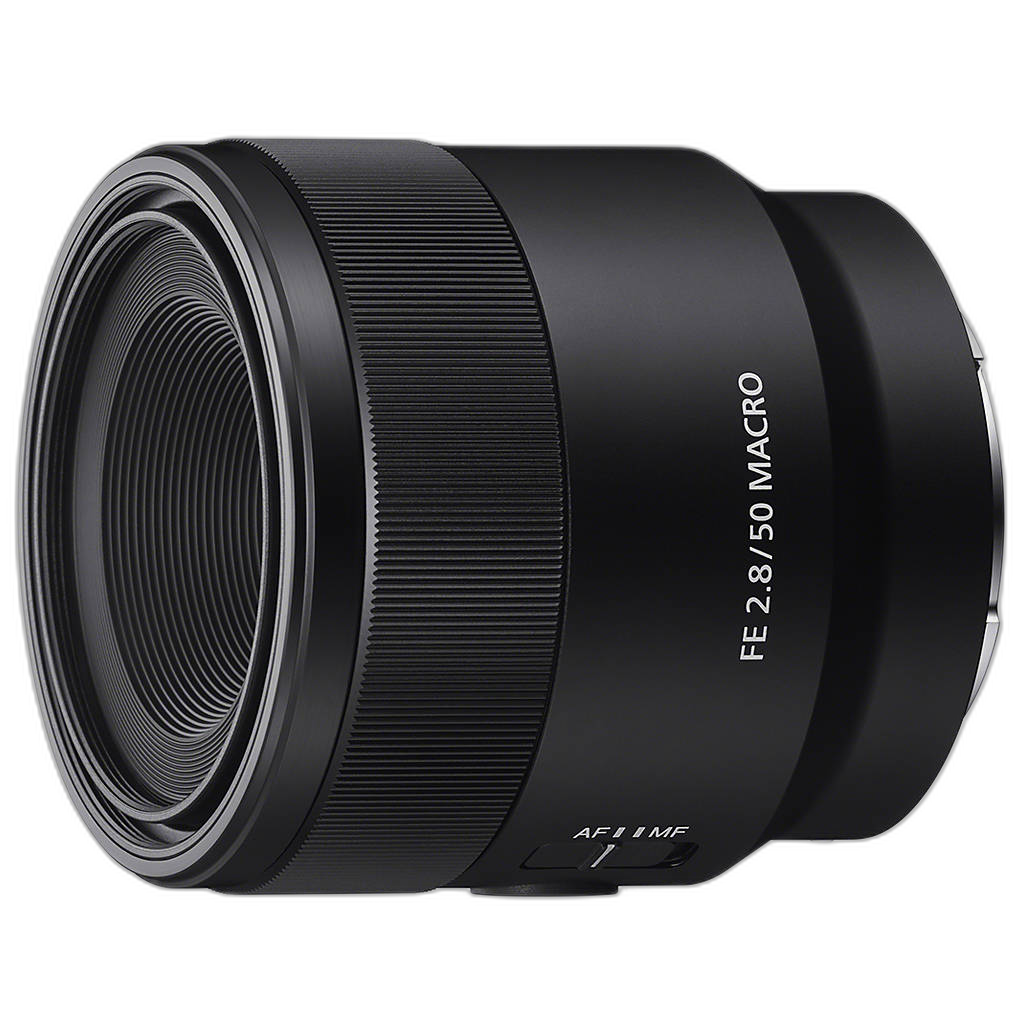
Sony FE 50mm f/2.8 Macro Lens
The FE 50mm f/2.8 Macro is appealing because it offers true macro capability in a smaller, more accessible package. For tabletop photography, collectibles, food details, and controlled product work, it can be very effective. In real macro discussions, though, photographers often point out that 50mm macro lenses force you closer to the subject. That can complicate lighting and make live subjects harder to photograph.
In terms of Beta renderings, the 50mm can still show excellent detail, but the look differs from the 100mm. Perspective feels less compressed, backgrounds may be more present, and the sense of separation at close range can be less dramatic. If a rendering seems flatter or more crowded, that may actually reflect the shooting experience more accurately than photographers expect.
Focus behavior is respectable, but at macro distances users often prefer slower, more deliberate technique. It is a practical lens, but not the one most macro specialists reach for first when evaluating the most critical fine-detail output.
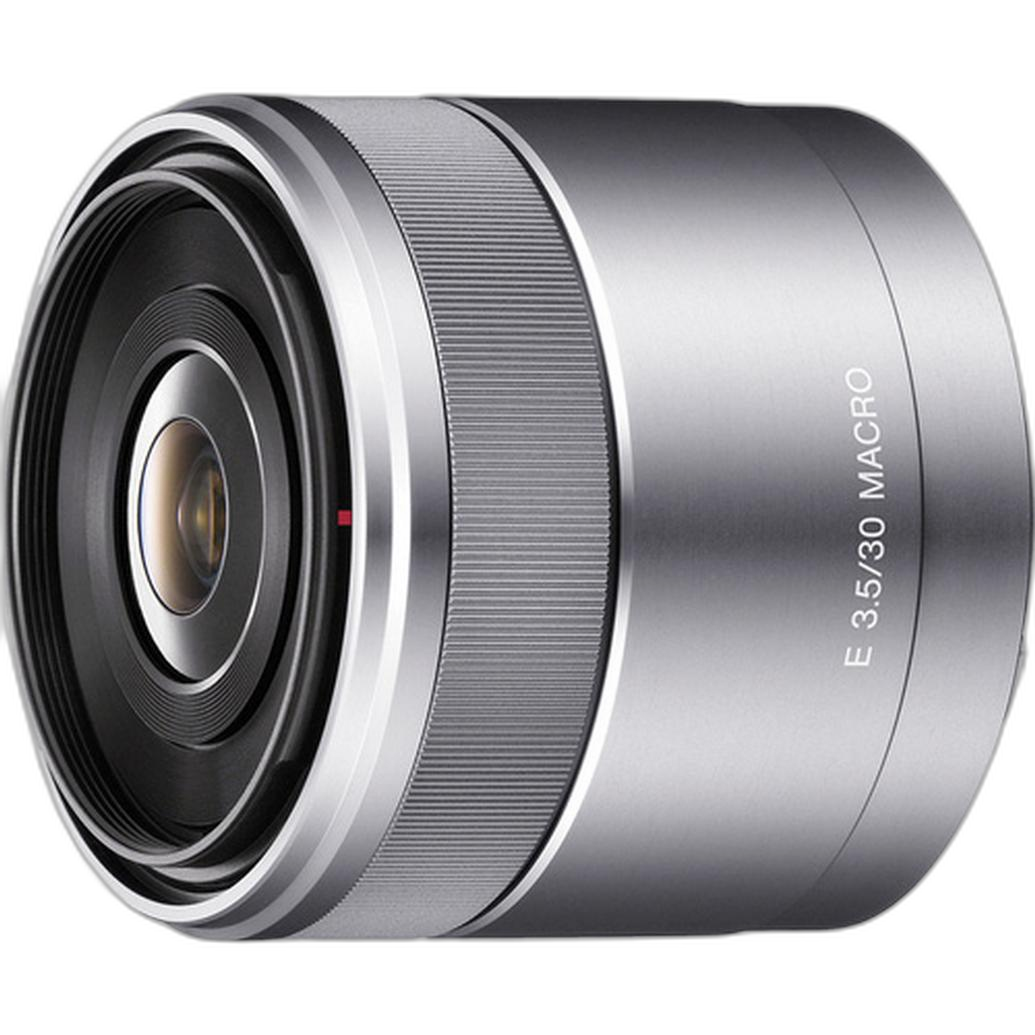
Sony E 30mm F3.5 Macro E-mount Macro Lens
The E 30mm F3.5 Macro is the most compact and budget-friendly of the group, designed for APS-C Sony cameras. It gives newer macro photographers a way into true close-up imaging without a large investment, and for static subjects it can be surprisingly capable.
That said, forum advice around this lens is usually consistent: because it is so short in focal length, working distance becomes the main compromise. You need to get very close to reach macro-style compositions, and that affects both lighting and ease of focusing. For coins, documents, crafts, or still-life subjects, that may be fine. For insects and skittish subjects, much less so.
When Beta renderings are judged against real examples from the 30mm, photographers may notice that depth cues and background blur are less dramatic than with the 100mm. Detail can still be strong, but the lens does not create the same classic macro feel. That does not mean the rendering is inaccurate—it may simply be showing the limitations and perspective of a shorter macro design.
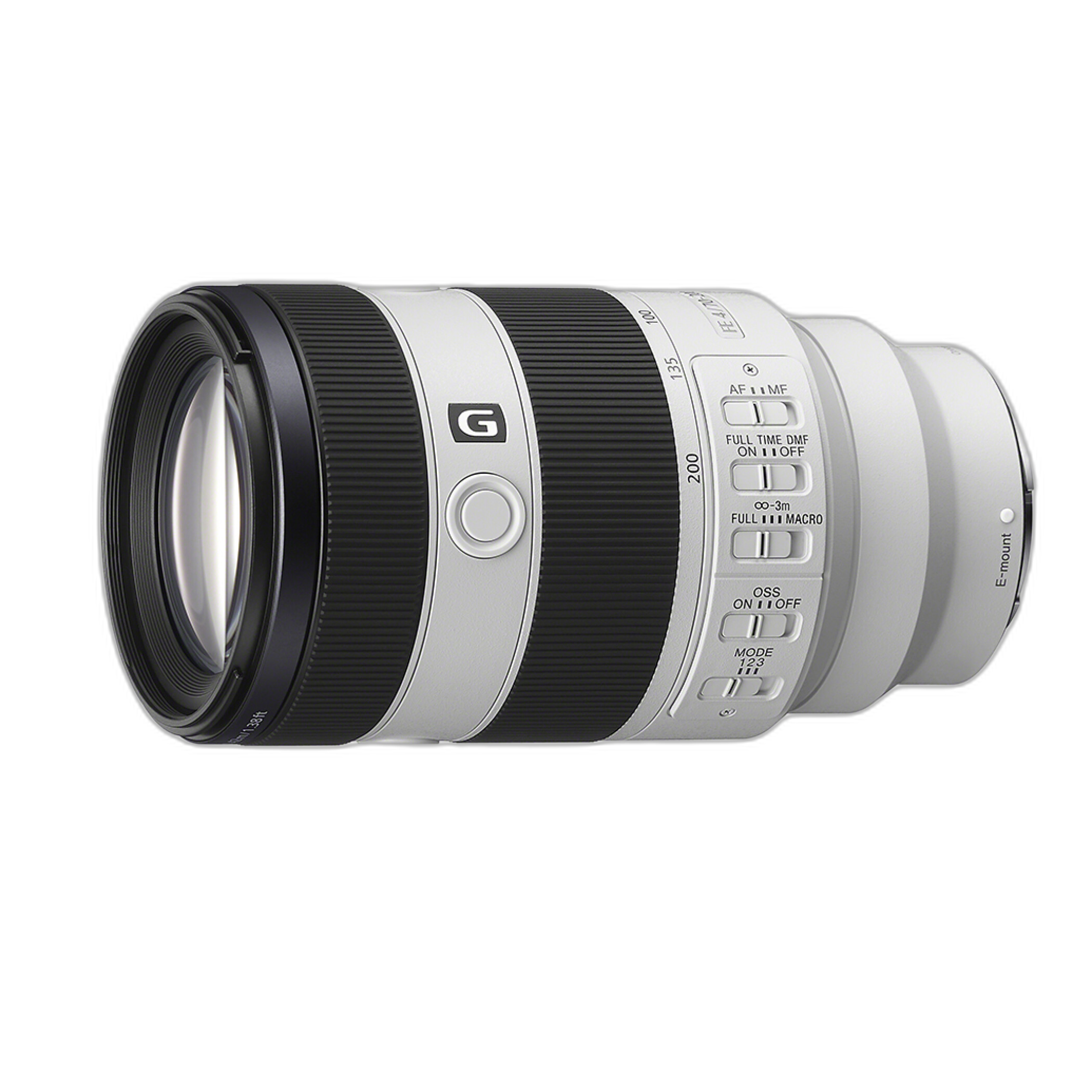
Sony FE 70-200mm f/4 Macro G OSS II Lens
This lens enters the conversation differently. It is not the same kind of dedicated macro lens as the 50mm, 30mm, or 100mm, but macro photographers often discuss it because modern close-focusing zooms can be very useful in the field. The appeal is flexibility: one lens can cover portraits, compressed nature details, and strong close-up work without changing gear.
In a Beta rendering context, this lens may produce highly attractive close-up images with strong subject separation, especially toward the longer end. But photographers comparing renderings with true macro examples should remember that close-focusing performance is not identical to a purpose-built 1:1 macro lens. If the discussion is specifically about reproducing tiny detail at life-size, the dedicated macros still have the advantage.
Where this lens shines is versatility and handling. For shooters who want excellent near-macro performance while retaining telephoto utility, it is a compelling alternative.
Real Detail Rendering: Which Sony Macro Looks Most Convincing?
Based on the way macro photographers typically compare renderings to actual sample shots, the Sony FE 100mm F2.8 GM OSS Macro is the lens most likely to satisfy detail-critical users. It combines strong subject isolation, comfortable working distance, and a rendering style that lines up well with what macro shooters expect when they zoom in and inspect texture.
The FE 50mm f/2.8 Macro follows as a good value option for controlled work, especially if your subjects do not move and you do not mind shooting close. The E 30mm F3.5 Macro is best viewed as an entry point: real macro is possible, but its short working distance shapes both the images and the shooting experience. The 70-200mm f/4 Macro G OSS II is the wildcard—excellent for flexible close-up shooting, but not the pure macro specialist's first pick.
Our Pick
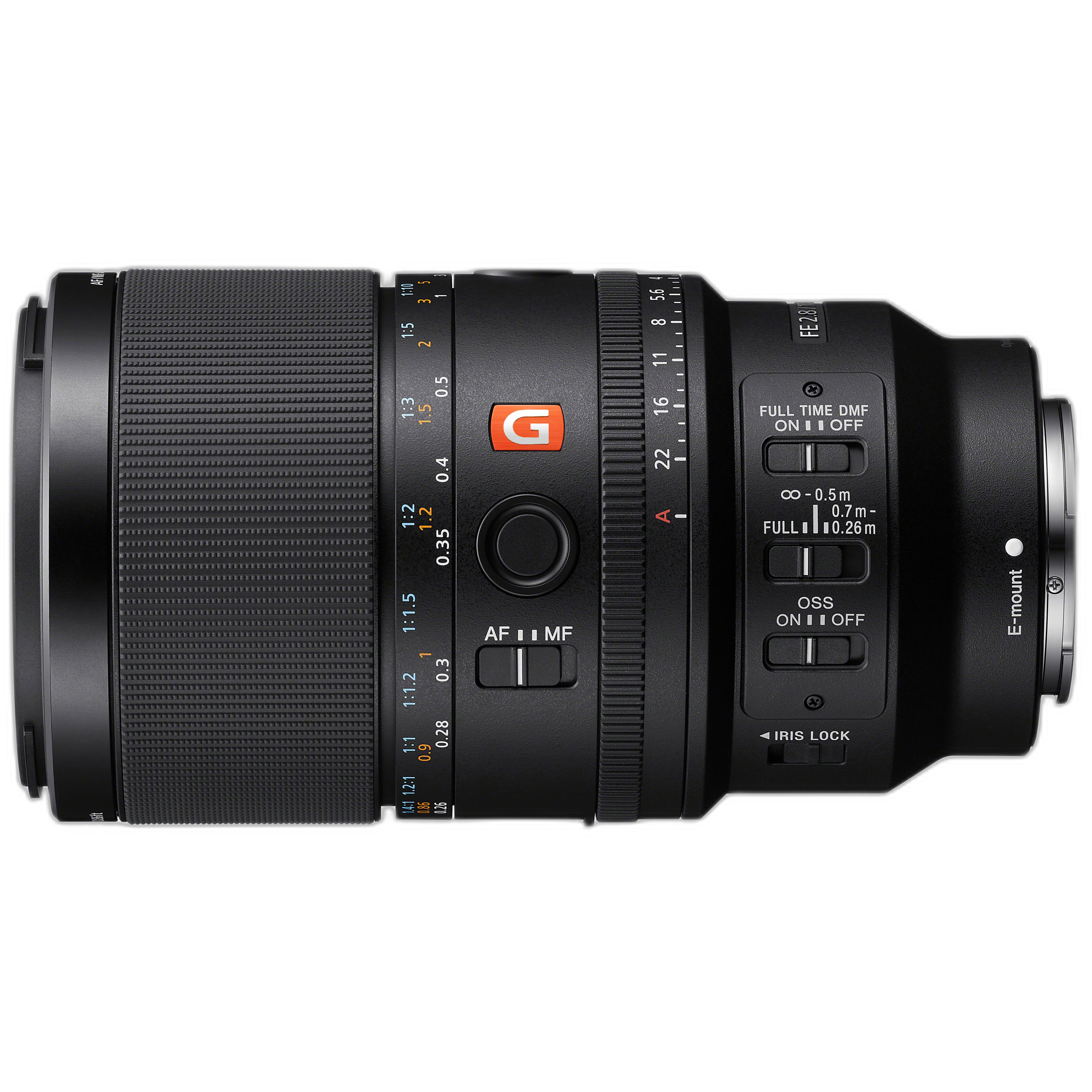
Our Pick: Sony FE 100mm F2.8 GM OSS Macro Lens
If your priority is seeing whether Beta renderings truly capture macro-level detail, focus precision, and realistic depth transitions, the Sony FE 100mm F2.8 GM OSS Macro Lens is the strongest choice in this group. It is the most convincing all-around tool for serious macro photographers, especially those comparing rendered output with real close-up images of insects, flowers, jewelry, and product textures.
Conclusion
For macro photographers discussing Sony lenses and comparing Beta tool renderings to real-world results, the biggest differences come down to working distance, true detail reproduction, and how manageable focus feels at close range. The Sony FE 100mm F2.8 GM OSS Macro remains the most complete option for dedicated macro work, while the FE 50mm f/2.8 Macro and E 30mm F3.5 Macro serve more specialized or budget-minded roles. Meanwhile, the FE 70-200mm f/4 Macro G OSS II offers a flexible path for photographers who want strong close-up capability without carrying a dedicated macro lens.
If you are deciding which Sony macro setup best fits your shooting style, Unique Photo is a great place to explore these lenses and compare the options in more detail.