Introduction
Sony shooters often debate whether the Sony Lens Compare Beta tool reflects realistic performance. On paper, online comparison tools can be helpful for checking sharpness, focal length differences, and broad rendering trends. But in practice, photographers quickly discover that lab-style comparisons do not always predict how a camera-and-lens setup will feel in real shooting situations like sports, portraits, travel, or hybrid content creation.
That is why this comparison takes a slightly different approach. Instead of treating online comparisons as the final word, we are looking at several used Sony camera bodies available from Unique Photo and evaluating how realistic performance depends on the camera you pair with your lens, the type of work you do, and the condition/value equation.
For photographers wondering whether charts and beta tools matter more than field use, these cameras show the bigger truth: autofocus behavior, sensor resolution, speed, handling, and budget often have more impact on your results than a side-by-side lens simulator alone.
Side-by-Side Specs Comparison
| Model | Type | Sensor Class | Best For | Key Strength | Tradeoff |
|---|---|---|---|---|---|
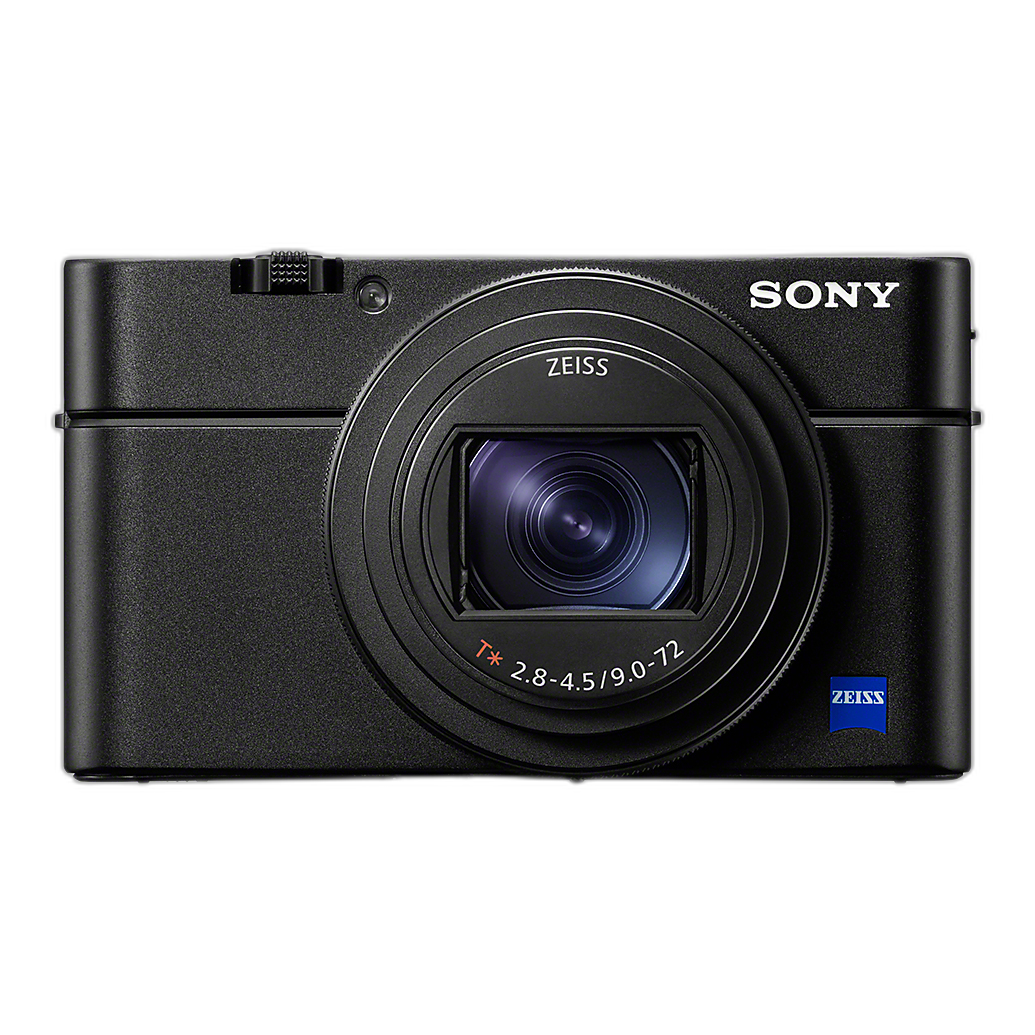
| Used Sony RX100 VII Cyber-shot Digital Camera - Excellent | Compact Point-and-Shoot | 1-inch sensor | Travel, casual shooting, everyday carry | Portability and built-in lens convenience | Less flexibility than interchangeable-lens bodies |
| Used Sony A9 Body Only - Good | Full-frame Mirrorless | High-speed full-frame | Sports, action, wildlife | Speed and blackout-free style shooting experience | Older generation resolution/features versus newer high-end bodies |
| Used Sony A9 Body - As Is *Viewfinder plastic cracked viewfinder is working* | Full-frame Mirrorless | High-speed full-frame | Budget-minded action shooters comfortable with cosmetic issues | A9 performance at lower entry cost | Condition concerns and resale confidence |
| Used Sony A7III Body Only - Excellent | Full-frame Mirrorless | 24MP full-frame | Hybrid shooters, portraits, events, general use | Balanced all-around performance | Not as specialized for speed or ultra-high resolution |
| Used Sony Alpha a7R IV Body Only - Excellent | Full-frame Mirrorless | High-resolution full-frame | Landscape, studio, commercial, crop flexibility | Resolution and detail capture | Demands more from lenses, storage, and technique |
| Used Fair Sony Alpha a1 Mirrorless Digital Camera (Body Only) | Full-frame Mirrorless | Flagship full-frame | Professional hybrid, sports, commercial, high-end video/photo | Top-tier blend of speed and resolution | Fair condition may matter to cautious buyers |
| Used Sony A7III Body Only - Good | Full-frame Mirrorless | 24MP full-frame | Value-focused enthusiasts and working shooters | Strong price-to-performance potential | Cosmetic wear compared to excellent condition units |
| Used Sony A7III Body Only - Fair Condition | Full-frame Mirrorless | 24MP full-frame | Budget entry into Sony full-frame | Lowest-cost path to proven full-frame performance | Condition compromises |
Why the Sony Lens Compare Beta Tool Only Tells Part of the Story
The core issue with any online lens comparison tool is that it tends to isolate optical performance from the rest of the shooting experience. That can be useful if you are comparing edge sharpness, focal length framing, or broad contrast differences. But many photographers in real discussions question whether those comparisons feel realistic because photography is not done in a static chart environment.
In actual use, results depend on autofocus reliability, sensor resolution, shutter behavior, burst rate, stabilization, subject movement, lighting, and even how aggressively you crop. A lens that looks only slightly better in an online beta tool may feel dramatically better on a high-resolution body like the Sony a7R IV, while the same difference may matter far less on a balanced body like the a7 III.
For Resolution-Critical Work
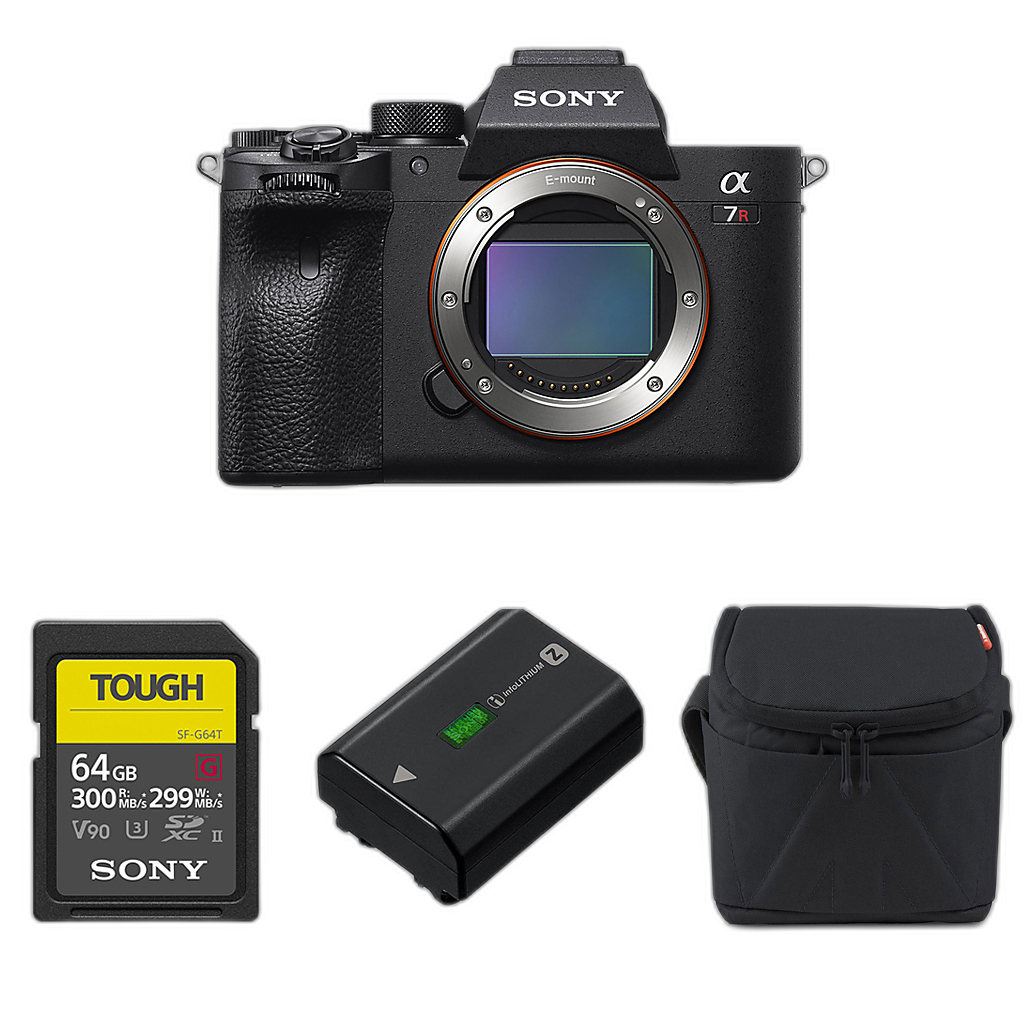
If your genre is landscape, architecture, studio, or commercial detail work, the Used Sony Alpha a7R IV Body Only - Excellent is one of the clearest examples of why practical performance can differ from online lens previews. A high-resolution body reveals lens strengths and weaknesses more aggressively. In other words, the lens comparison tool may give you a rough idea, but the a7R IV will make those differences visible in final files, especially when cropping or printing large.
For this kind of work, lens choice absolutely matters, but so does the body. If you rely heavily on subtle rendering differences, real-world shooting on a demanding sensor is more trustworthy than a beta comparison screen alone.
For Sports and Action
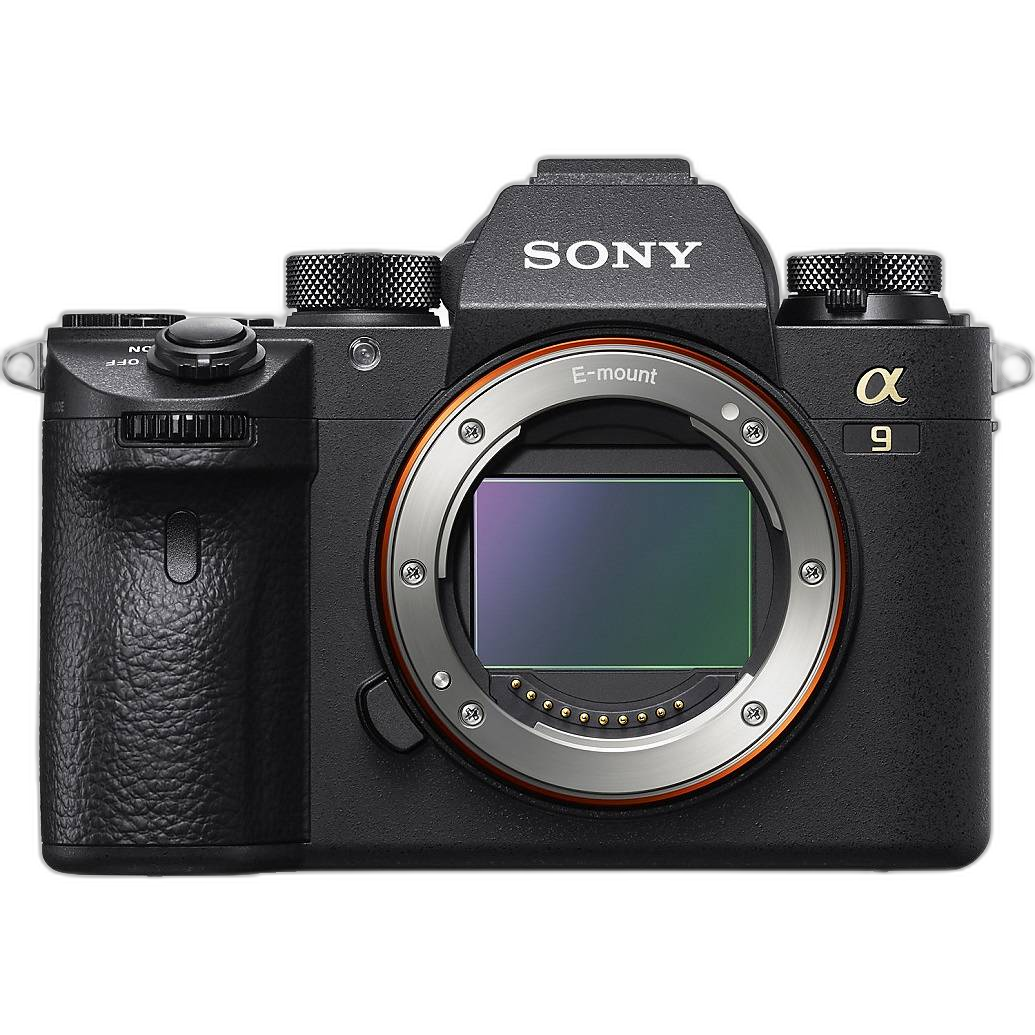
The Used Sony A9 Body Only - Good and Used Sony A9 Body - As Is illustrate another reason online comparisons can feel incomplete. Action shooters care about more than center sharpness. They care about subject tracking, frame rate, responsiveness, and whether a lens locks focus quickly under pressure.
That means a lens that looks similar in a comparison tool may perform very differently on a fast body in the field. For sports, wildlife, or fast-paced events, the shooting experience on an A9 often matters more than what an online beta chart suggests. The body's speed changes the value of the lens in ways a static tool cannot fully simulate.
For Balanced Everyday Full-Frame Use
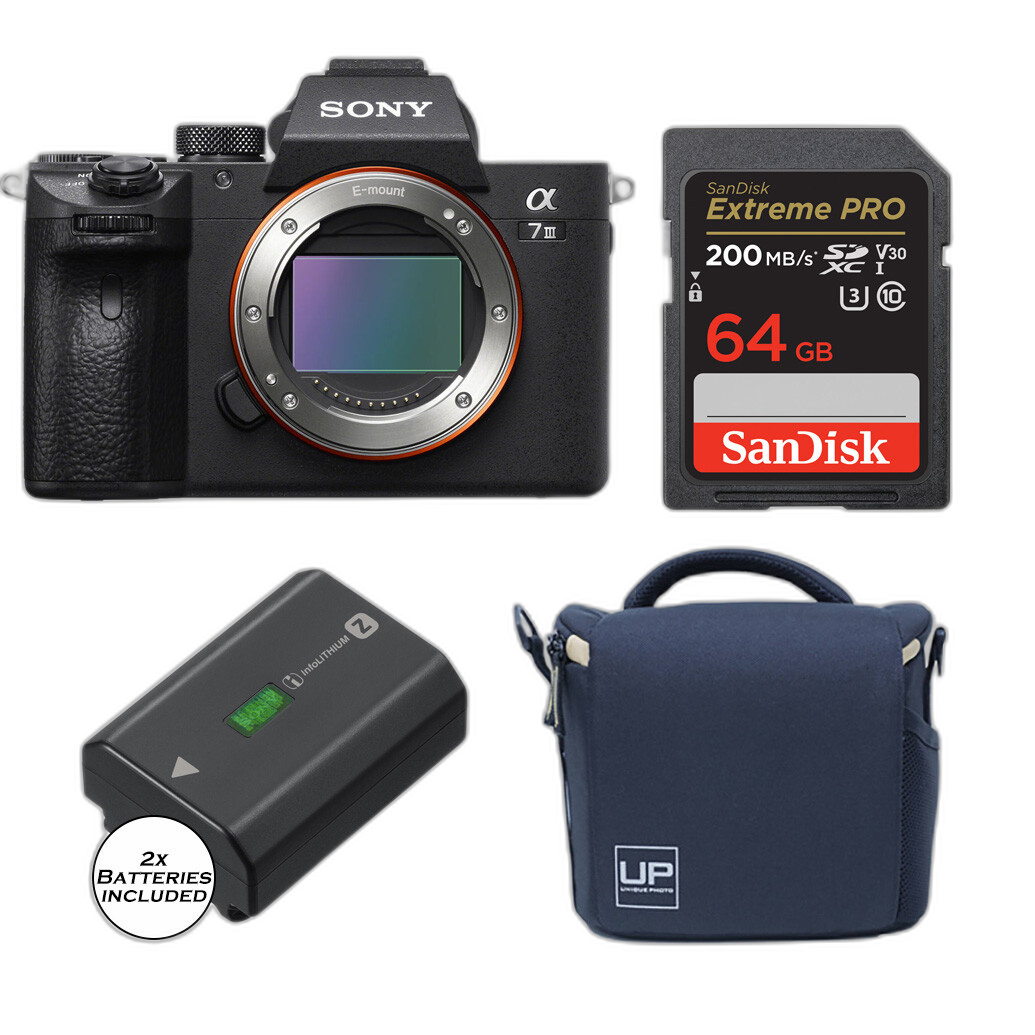
The Sony a7 III remains one of the easiest cameras to recommend because it is a practical middle ground. The Used Sony A7III Body Only - Excellent, Good, and Fair Condition options all reinforce the same point: for many photographers, real-world usability beats obsession over tiny online comparison differences.
The a7 III is ideal for users shooting portraits, weddings, events, family sessions, travel, and hybrid content. In these genres, overall performance matters more than lab-style perfection. If a lens comparison beta tool shows small differences between two lenses, those differences may be far less important than price, focal range, autofocus feel, and low-light usability on an a7 III body.
That is why many photographers ultimately trust field experience over web tools. A balanced body tends to reveal whether a lens fits your workflow, not just whether it wins a pixel-peeping contest.
For Top-End Hybrid Performance
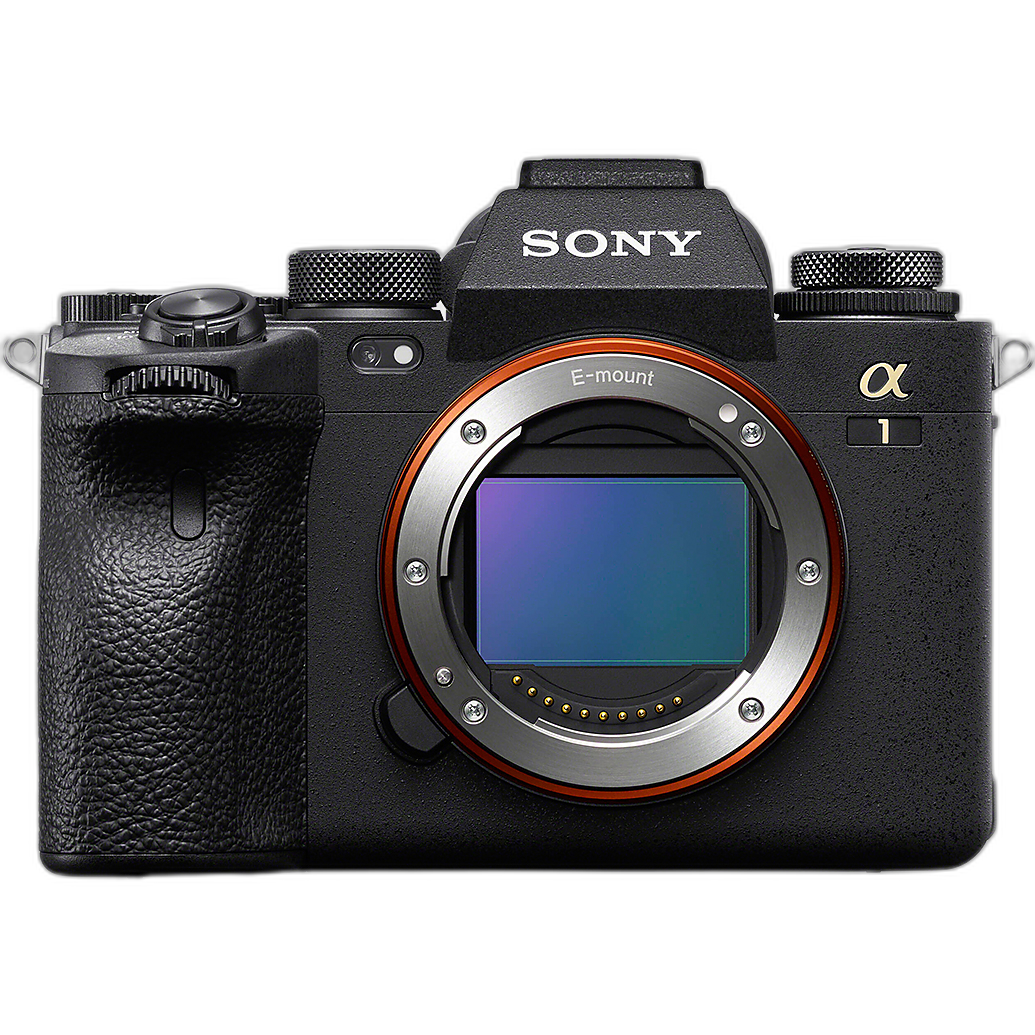
The Used Fair Sony Alpha a1 Mirrorless Digital Camera (Body Only) is the strongest argument that body choice can completely reshape how lens performance should be judged. The a1 combines high resolution with flagship speed, making it a camera for users who genuinely need both. On a body like this, lens selection becomes more critical because you are asking for speed, precision, and detail at once.
If the Lens Compare Beta tool seems unrealistic to some users, it is often because it cannot replicate the pressure a flagship body puts on a lens during demanding assignments. Fast bursts, difficult tracking, high-resolution delivery, and mixed shooting conditions expose performance in a much more meaningful way than a browser-based simulator.
For Travel and Convenience
The Used Sony RX100 VII Cyber-shot Digital Camera - Excellent is a useful counterpoint in this conversation. It reminds us that practical shooting often favors convenience over theoretical perfection. If your priority is portability, spontaneity, and always having a capable camera with you, then no online lens comparison between interchangeable optics really replaces the value of a compact all-in-one solution.
For travelers and everyday shooters, the "best" tool is often the one that gets carried, used, and trusted. In that sense, real-world performance is not only about image quality. It is also about access, speed, weight, and whether the camera fits your life.
Condition and Value Matter More Than Online Beta Tools Suggest
Another reality that online comparison tools rarely address is condition. When buying used gear, the decision is not just about idealized performance. It is also about value. An Excellent condition a7 III may be the right pick for someone who wants peace of mind, while a Fair condition version may make more sense for a budget-conscious shooter who cares most about output and can accept cosmetic wear.
The same logic applies to the A9 options and the Fair-condition a1. If you are using online tools to split hairs between lenses, but your real buying choice is between condition tiers or body classes, the more meaningful question becomes: what setup gives you the best reliability and shooting confidence for your genre?
Our Pick
Our Pick: Used Sony A7III Body Only - Excellent
If the goal is to make a smart, realistic decision rather than chase overly theoretical comparisons, the Used Sony A7III Body Only - Excellent is the best overall recommendation here. It offers the most balanced combination of full-frame image quality, autofocus performance, versatility, and value. It also suits the widest range of photographers, from enthusiasts to working professionals.
Why this is our pick:
- Strong all-around body for portraits, events, travel, and hybrid use
- Less specialized and less demanding than the a7R IV or a1
- More flexible for most buyers than an action-focused A9
- A better long-term value proposition than relying too heavily on online comparison tools
If you are regularly shooting sports, choose the A9. If you need maximum detail, choose the a7R IV. If you need the broadest no-compromise flagship performance, the a1 stands out. But for the majority of shooters questioning whether Sony's Lens Compare Beta reflects real-world results, the a7 III is the body that best aligns with practical photography.
Conclusion
The Sony Lens Compare Beta tool can be useful as a starting point, but it should not be mistaken for a complete predictor of real-world performance. Genre, shooting pace, body choice, resolution demands, autofocus behavior, and budget all matter. In many cases, practical shooting reveals much more than online comparisons ever can.
For shoppers weighing Sony bodies and trying to build a setup that performs where it counts, exploring used gear at Unique Photo is a smart way to match your budget with your real shooting needs.