Sony Lens Compare Beta for Landscapes: What the Data Really Means
Lens comparison tools can be incredibly useful for landscape photographers, but the numbers only matter if you know how they translate into real images. At Unique Photo, we recommend using Sony Lens Compare Beta data as a starting point for narrowing your choices, then matching those findings to the kind of scenes, focal lengths, and shooting conditions you actually work in.
For landscape photography, the best lens is rarely chosen by one score alone. Corner sharpness, distortion control, flare resistance, and practical focal range all play a role, especially if you shoot wide vistas, stitched panoramas, forests, coastlines, or mountain scenes.
Which Sony Lens Compare Beta metrics matter most for landscape photography?
For most landscape shooters, sharpness across the frame is the first place to look. A lens may appear excellent in the center, but landscape images often place important detail near the edges and corners, where weaker lenses can fall apart. If you print large or crop aggressively, corner performance becomes even more important than a single overall score.
Distortion is another major metric to watch, particularly for ultra-wide compositions with horizons, architecture, or strong foreground lines. Barrel distortion can bend straight lines near the edge of the frame, while more complex distortion can make stitching panoramas harder. Vignetting also matters, though it is often easier to correct in post than poor edge detail.
Landscape photographers should also pay attention to chromatic aberration and contrast. Color fringing along tree branches, rocks, or mountain ridgelines can become distracting in high-contrast scenes. Strong microcontrast can make textures such as leaves, stone, and distant terrain look more defined.
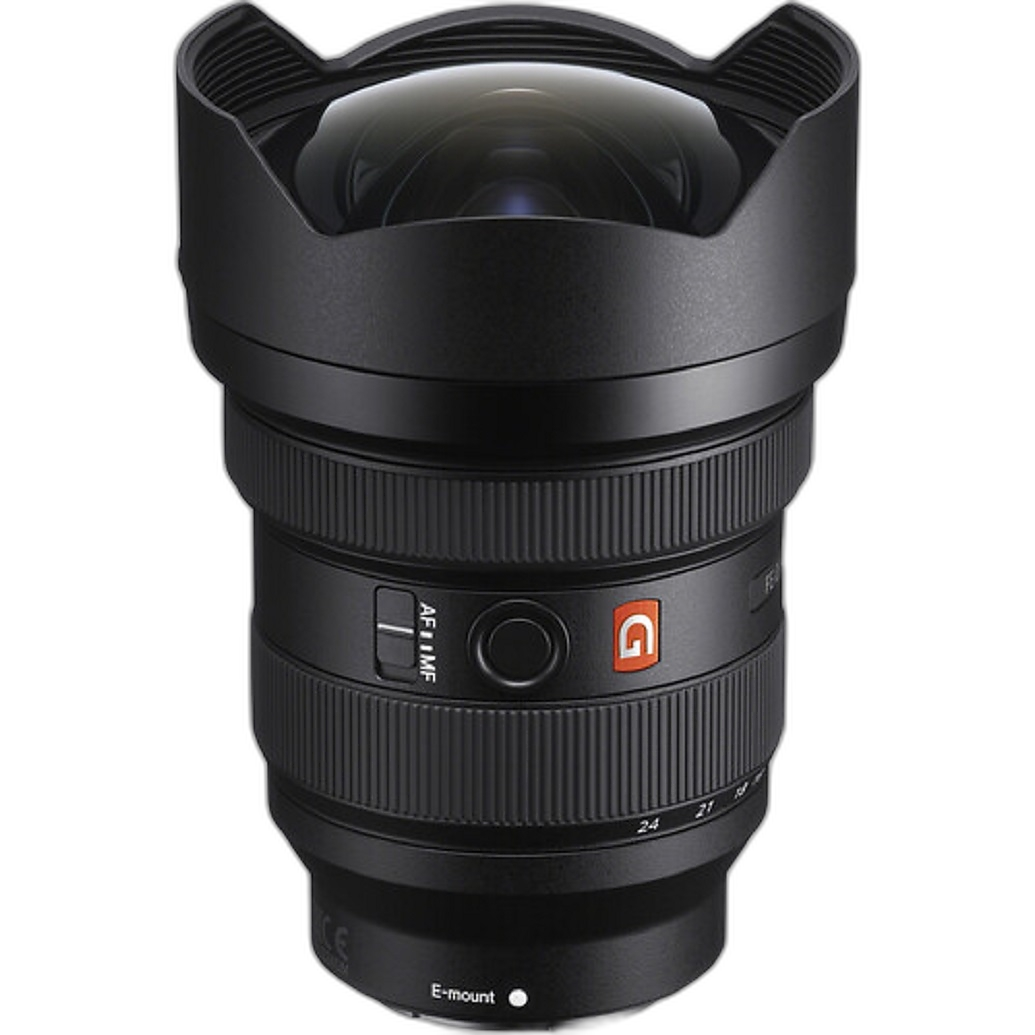
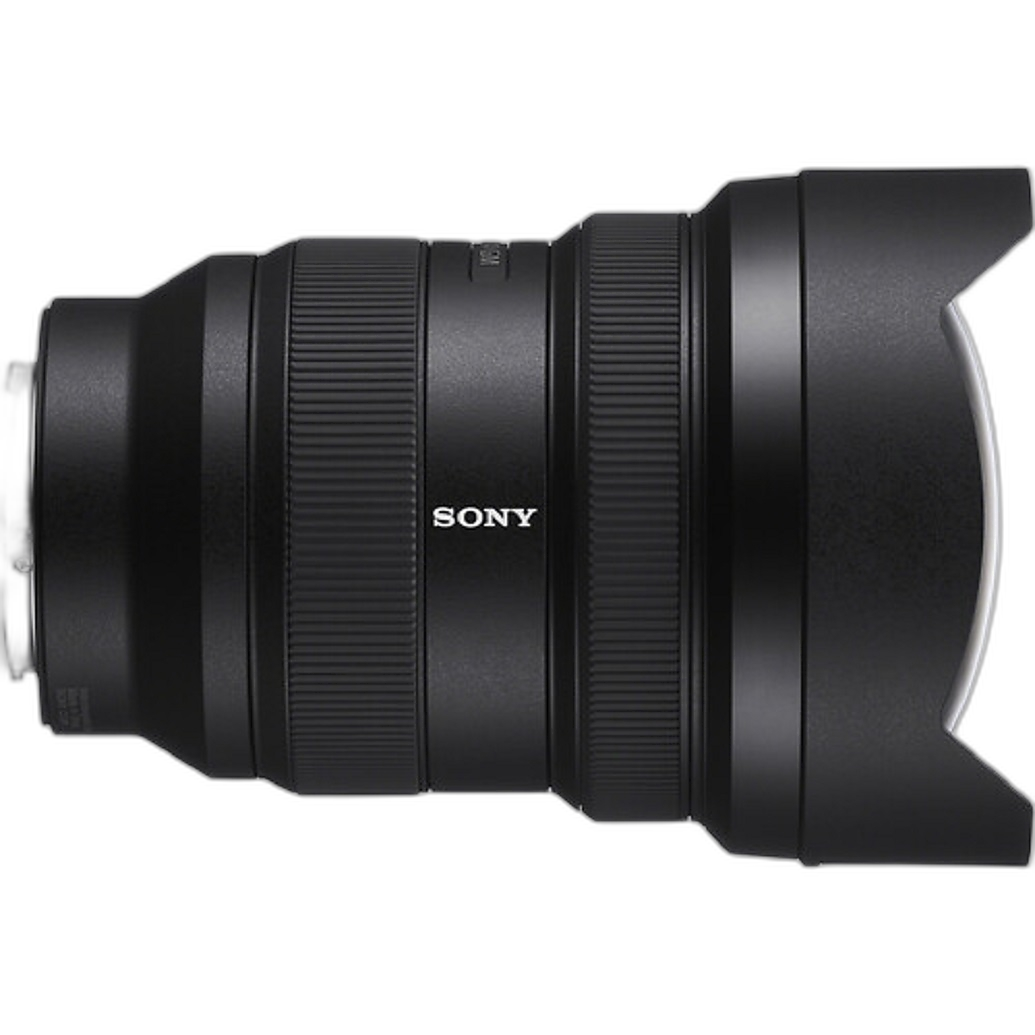
If your work leans heavily toward dramatic wide-angle landscapes, the Sony FE 12-24mm f/2.8 GM Lens is a standout option to evaluate against Beta data because edge-to-edge image quality and distortion control are especially important at these focal lengths.
Is sharpness the only thing that should guide a landscape lens decision?
No. Sharpness is important, but it is not the whole story. Landscape photography often involves sunrise and sunset shooting, backlit scenes, weather changes, travel, hiking, and frequent tripod use. That means handling, flare resistance, weight, filter compatibility, and zoom flexibility can matter just as much as a lab score.
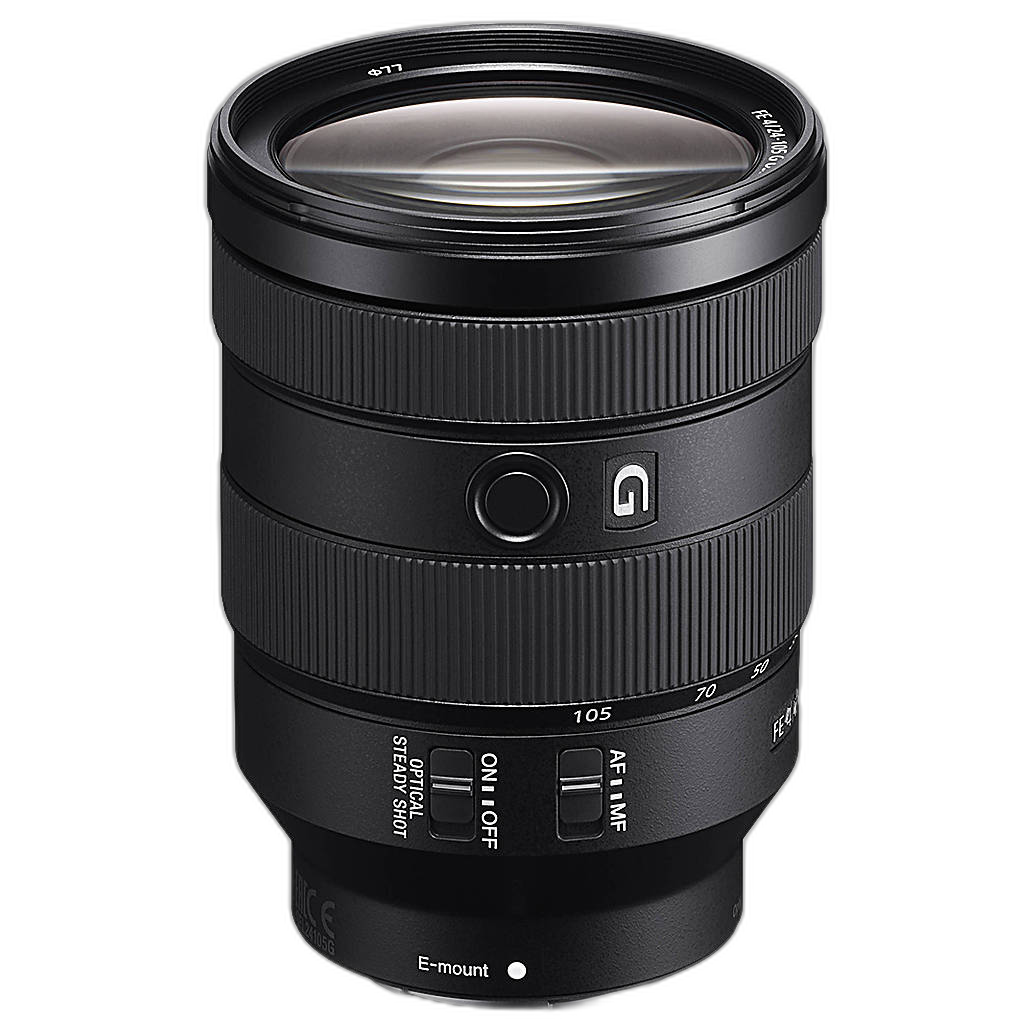
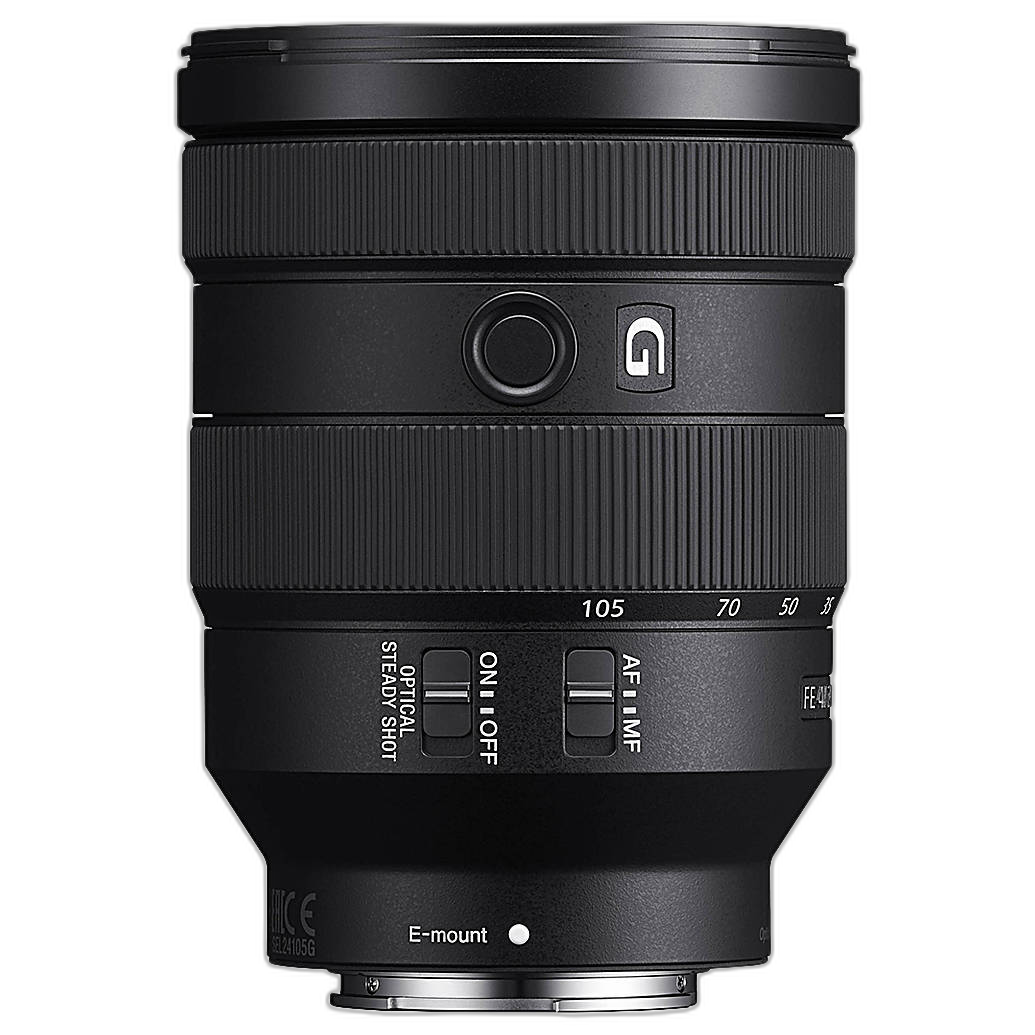
For example, a lens with slightly lower test-chart sharpness may still be the better field choice if it gives you a more practical zoom range, better stabilization for handheld travel landscapes, or more manageable size for long hikes. This is where a lens like the Sony FE 24-105mm f/4 G OSS Lens often makes sense. It offers a very useful focal range for grand scenes, compressed mountain layers, and detail studies without forcing frequent lens changes in the field.
How closely do Beta results reflect real landscape photos?
They can be very helpful, but they are not a perfect substitute for field use. Comparison data usually measures lenses under controlled conditions, which is great for consistency. Real landscapes introduce haze, changing light, wind, atmospheric distortion, and subject distance variations that can affect how a lens actually feels in use.
In practice, a lens that tests a little better in a comparison tool may not create a visibly better image in every outdoor scenario. Stopping down to f/8 or f/11, focusing carefully, and shooting on a stable tripod can reduce differences between good lenses. On the other hand, flare behavior, sunstars, weather resistance, and compositional flexibility often become more obvious outdoors than they do in test data.
That is why we suggest using Beta results to build a shortlist rather than to declare an automatic winner. If the tool shows one lens excelling in edge sharpness and another offering broader versatility, your final decision should come down to how you actually shoot.
What should landscape photographers look for in wide-angle Beta comparisons?
When comparing wide-angle lenses, give extra attention to corner detail, distortion, and field curvature. A lens can post strong central sharpness and still disappoint if the edges soften noticeably at the apertures you commonly use. Landscape photographers who include foreground elements close to the camera should be especially aware of this, since edge softness becomes easier to notice in those compositions.
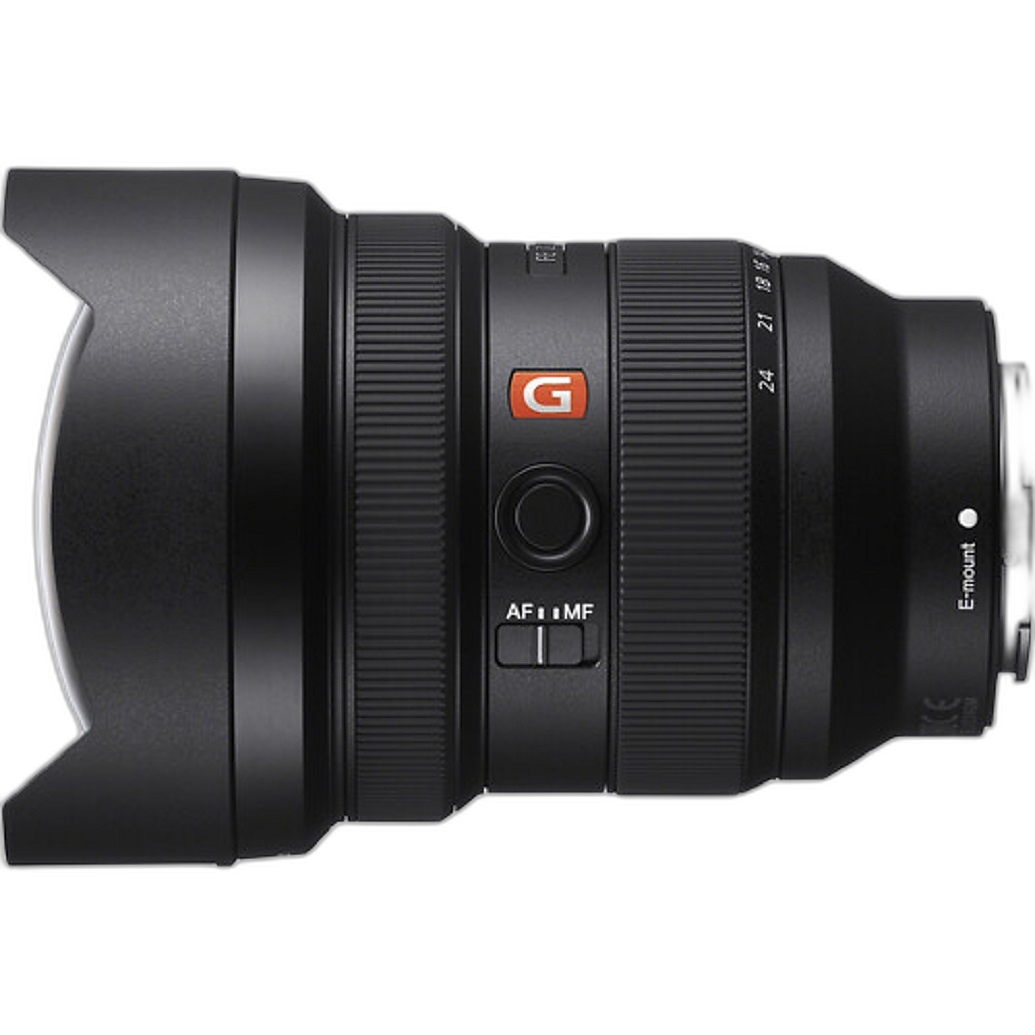
Ultra-wide options are ideal for immersive foreground-to-background scenes, dramatic skies, and confined viewpoints where you cannot step back. The Sony FE 12-24mm f/2.8 GM Lens is especially appealing for photographers who want premium wide-angle coverage for full-frame Sony bodies, whether shooting seascapes, desert formations, waterfalls, or environmental scenes with strong perspective.
If the Beta shows excellent border performance and well-controlled distortion at the focal lengths you use most, that is a strong sign the lens deserves serious consideration.
Are zoom lenses a smart choice for landscapes, or should I prioritize primes?
For many landscape photographers, zooms are the most practical choice. They allow fast framing changes as light shifts, help you refine compositions without constantly moving, and reduce lens swaps in dusty, wet, or windy conditions. A strong zoom can cover everything from expansive vistas to tighter landscape details in one package.
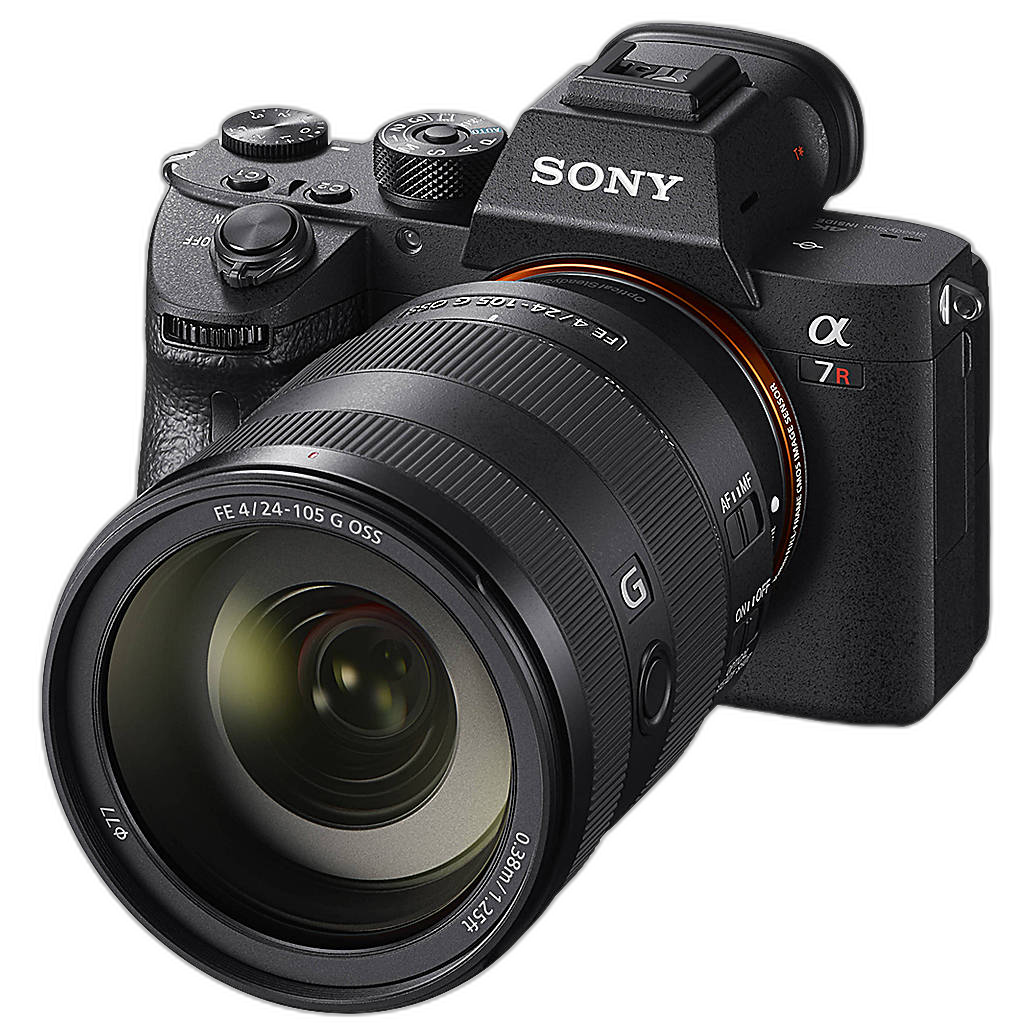
The Sony FE 24-105mm f/4 G OSS Lens is a great example of a landscape-friendly zoom because it spans wide to short telephoto, making it useful for travel, roadside landscapes, and location scouting. At 24mm, you can capture broad scenes; at longer focal lengths, you can isolate ridgelines, distant trees, or abstract patterns in the terrain.
Primes still have their place, especially if you want a specific rendering style or maximum optical performance at one focal length. But for many photographers reading Beta comparison data, the best choice is the lens that helps them make more images in more situations.
How should I balance extreme image quality against versatility?
Start by reviewing your existing catalog. If most of your strongest landscape images are made at ultra-wide focal lengths, then a specialized option may serve you better than an all-purpose lens. If your work includes both sweeping scenes and compressed details, a more flexible zoom may be the smarter investment.
Think about where and how you shoot. Backpackers and travel photographers often value lighter kits and broader focal coverage. Dedicated tripod-based landscape specialists may be more willing to carry a premium wide-angle lens if it gives them the composition and image quality they want. Beta data can reveal optical strengths, but only you can decide whether those strengths matter enough to outweigh size, cost, and range.
At Unique Photo, we often recommend that photographers choosing between the Sony FE 12-24mm f/2.8 GM and the Sony FE 24-105mm f/4 G OSS ask a simple question: do you need maximum wide-angle impact, or do you need one lens that can handle an entire day of landscape shooting?
What real-world factors are missing from many lens comparison tools?
Most comparison tools do not fully capture how a lens behaves with the sun in or near the frame, how confidently it focuses in changing weather, how easy it is to pack, or how comfortable it is to use for hours on a hike. They also do not tell you whether a focal length inspires you creatively or feels limiting in the field.
Landscape photographers should also think about filter use and accessory compatibility. If your workflow includes neutral density filters or graduated filters for long exposures and bright skies, the lens design may influence which filter systems make sense. Field practicality can become just as important as measured performance once you are on location before sunrise.
What is the best way to choose a Sony landscape lens using Beta data?
The best approach is to use the Beta findings in three steps. First, identify the metrics that matter most to your style, usually corner sharpness, distortion, and chromatic aberration. Second, compare those results at the focal lengths you actually use, not just the lens's headline specifications. Third, narrow the list to lenses that also fit your budget, packing style, and shooting habits.
If your priority is dramatic perspective, night landscapes, and premium ultra-wide performance, the Sony FE 12-24mm f/2.8 GM Lens is an excellent lens to place high on your shortlist.
If you want a more adaptable lens for mixed travel and landscape work, the Sony FE 24-105mm f/4 G OSS Lens is one of the most useful full-frame Sony options to evaluate.
In both cases, the smartest reading of Beta data is practical rather than absolute: look for patterns that support your shooting style instead of chasing a single number.
Should landscape photographers trust a lens ranking list by itself?
Not by itself. Rankings are helpful for quick sorting, but they often compress complex optical behavior into a simple order that can hide what really matters. A lens ranked slightly lower overall may still outperform a higher-ranked competitor in the exact areas that matter for landscapes, such as edge consistency at f/8, lower distortion at the wide end, or better control of color fringing in high-contrast scenes.
Use rankings to identify candidates, then read the deeper data and compare that against your own goals. The best landscape lens is the one that helps you create stronger compositions consistently, not necessarily the one with the flashiest summary score.
If you are ready to move from comparison charts to real gear decisions, Unique Photo can help you find the right Sony landscape lens for your shooting style. Explore lenses like the Sony FE 12-24mm f/2.8 GM and Sony FE 24-105mm f/4 G OSS at Unique Photo and build a kit that performs just as well in the field as it does on paper.