Sony Landscape Lens FAQ: How to Compare Sharpness, Edges, and Color
Choosing the right landscape lens is about more than picking a focal length. Serious photographers often compare corner sharpness, edge consistency, contrast, flare control, and color rendering before deciding which lens belongs in their bag.
At Unique Photo, we help Sony shooters evaluate lenses the same way experienced landscape photographers do: by looking at how a lens performs in real scenes and matching those strengths to the way you actually shoot. Below are some of the most common questions we hear when photographers are comparing Sony landscape lenses.
What matters most when comparing lenses for landscape photography?
For landscapes, the biggest priorities are usually sharpness across the frame, strong edge and corner performance, controlled distortion, pleasing color and contrast, and reliable flare resistance when shooting into sunrise or sunset light. Center sharpness is important, but landscape photographers frequently compose with detail all the way to the edges, so corner quality matters much more here than it might for portraits.
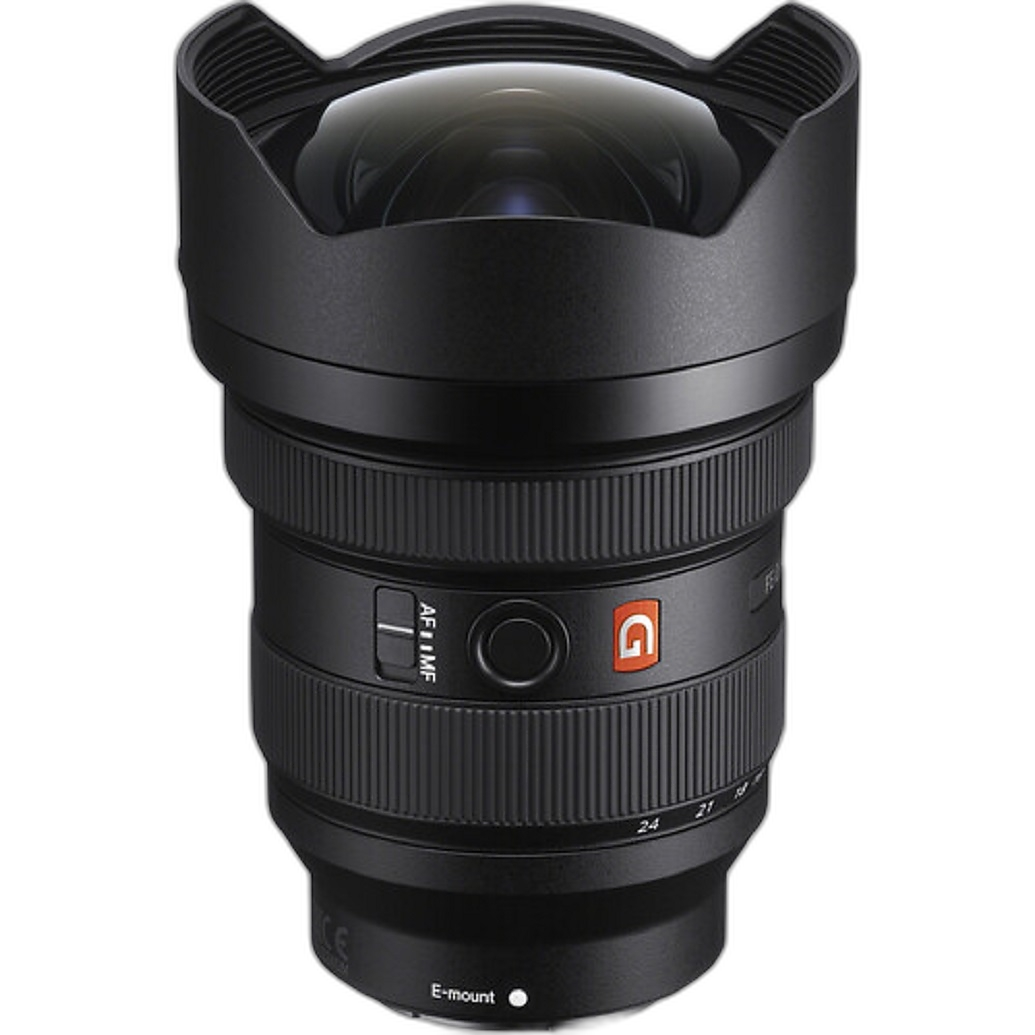
It also helps to consider how you use aperture. Many landscape photographers work around f/8 to f/11 for depth of field, so a lens that is already strong wide open and becomes excellent when stopped down can be a great long-term investment. If you want an ultra-wide option for dramatic foregrounds and expansive skies, the Sony FE 12-24mm f/2.8 GM is one of the most compelling choices in the system.
How do I judge edge and corner sharpness in a landscape lens?
When evaluating a lens, look at fine detail near the outer parts of the frame: tree branches, rock textures, distant buildings, and foliage are all useful subjects. A strong landscape lens should hold detail consistently without the corners becoming noticeably smeared or soft compared to the center.
Ultra-wide lenses are especially demanding because they stretch a very large scene across the sensor. That is why edge performance is such a major talking point when comparing wide Sony lenses. The Sony FE 12-24mm f/2.8 GM is designed for photographers who want premium sharpness at dramatic focal lengths, making it a standout tool for seascapes, mountain vistas, architecture, and environmental scenes where every part of the frame counts.
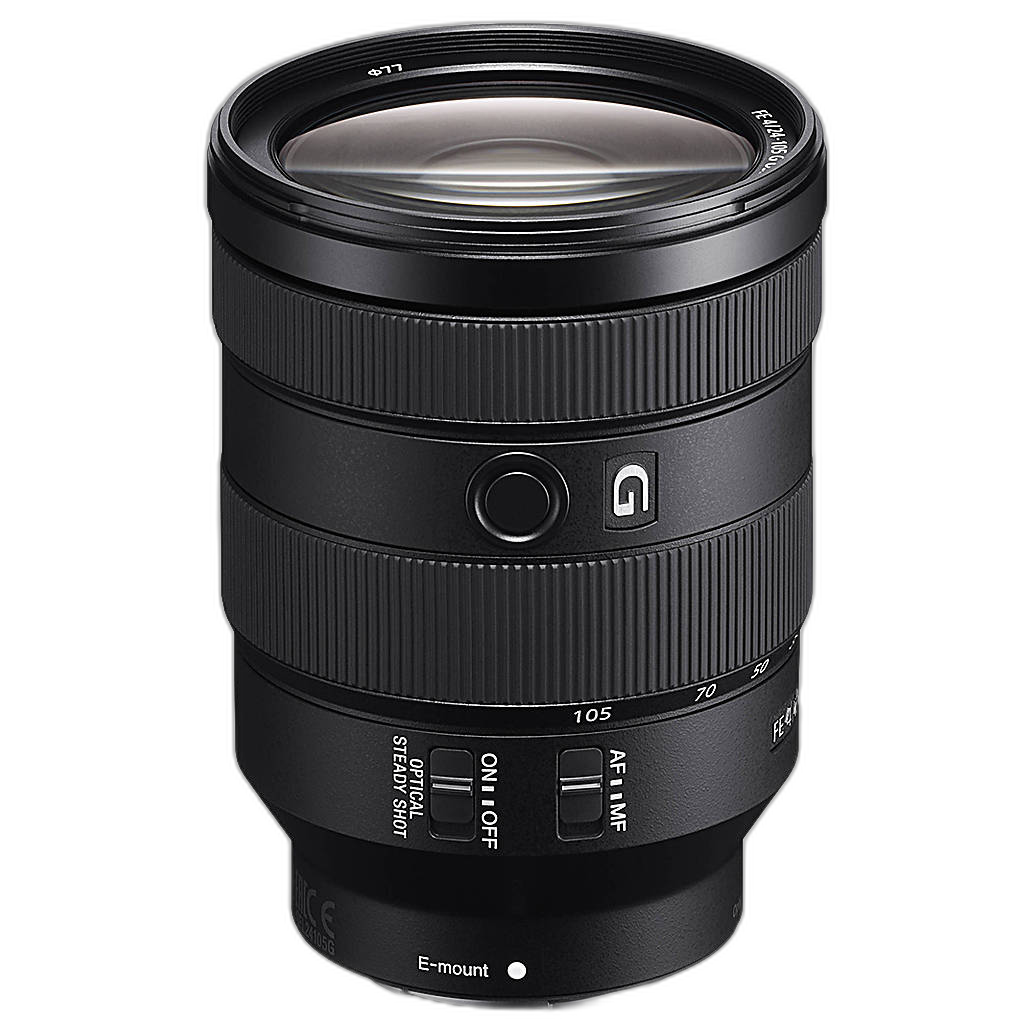
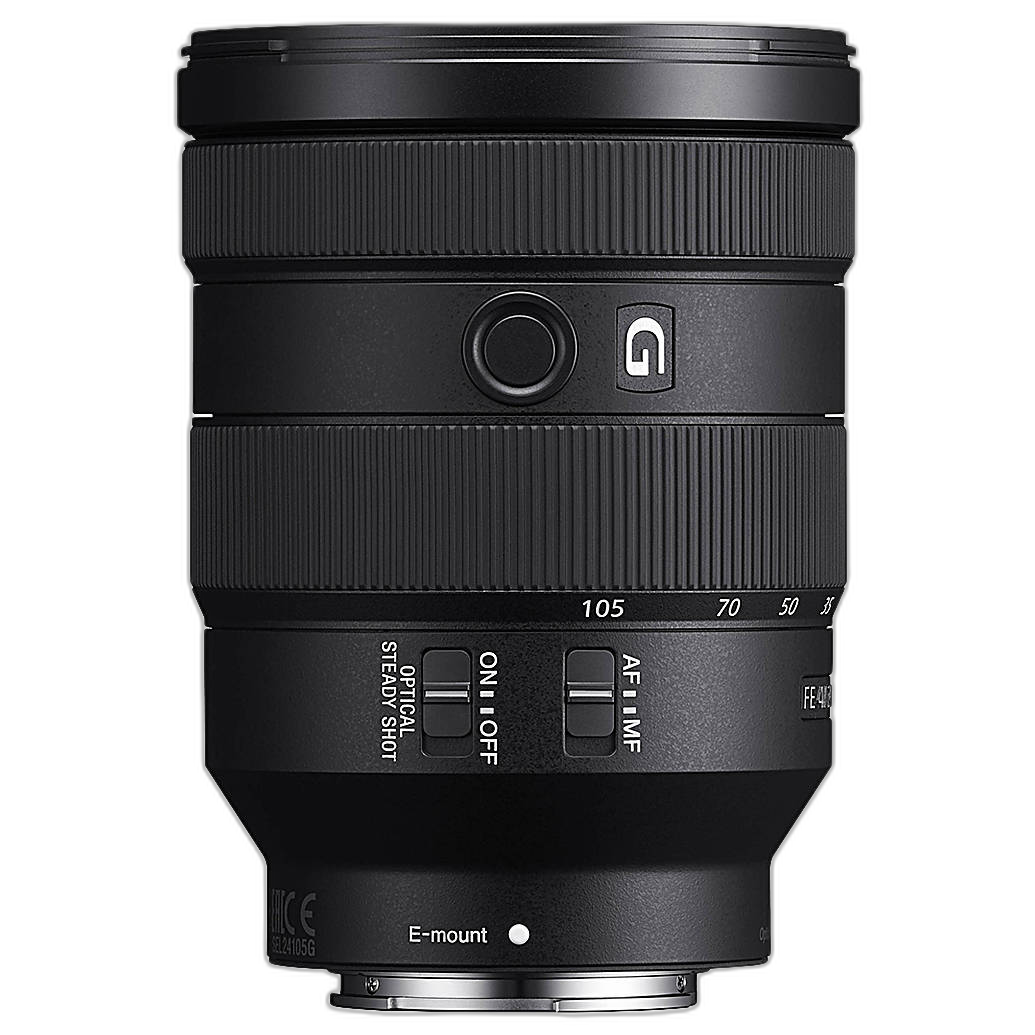
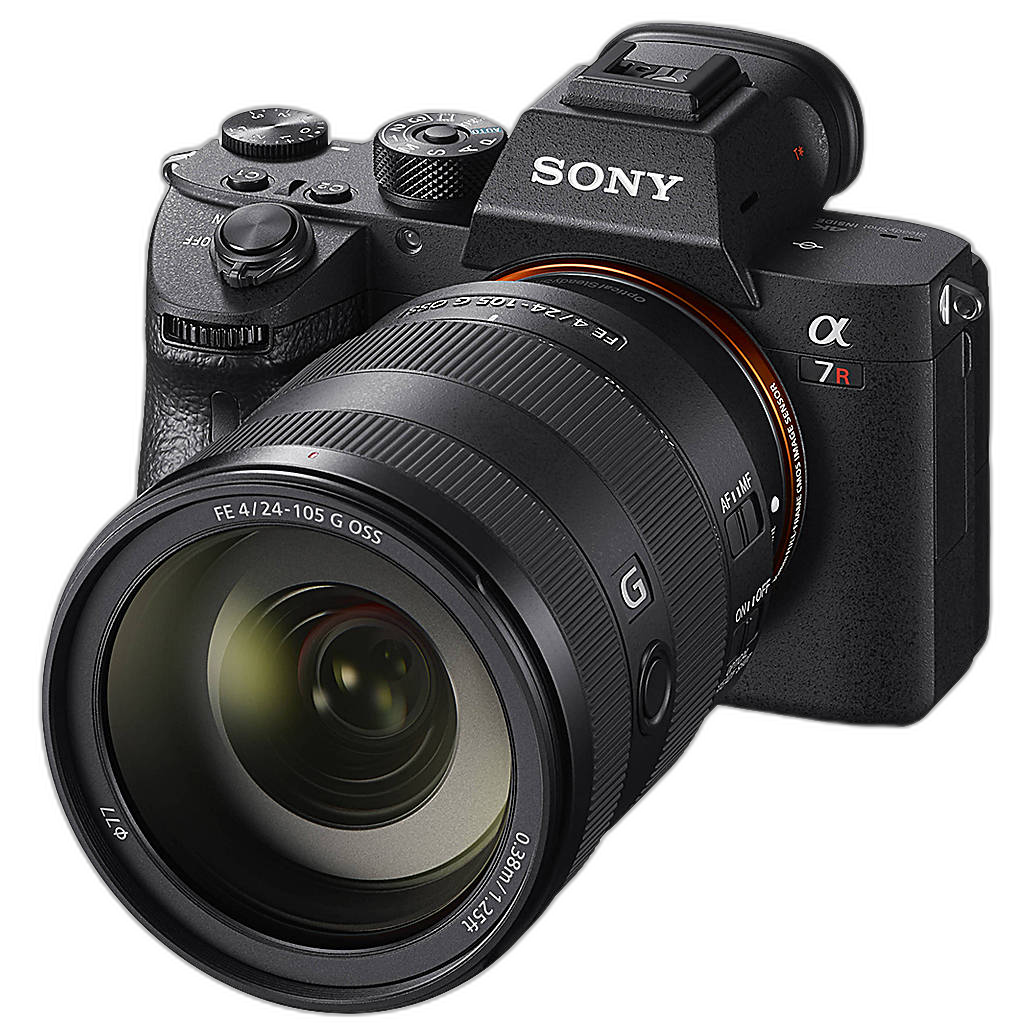
If your needs are broader and you want a lens that can handle landscapes, travel, and general-purpose shooting, the Sony FE 24-105mm f/4 G OSS offers impressive versatility with a practical zoom range and dependable image quality throughout the frame.
Is an ultra-wide lens always the best choice for landscapes?
Not always. Ultra-wide lenses are fantastic when you want dramatic perspective, strong foreground emphasis, and a sweeping sense of space. They are ideal for grand scenes where you can get close to foreground elements like rocks, flowers, or water while still fitting in the horizon and sky.
But many landscapes actually benefit from a more moderate or longer focal length. A lens like the Sony FE 24-105mm f/4 G OSS can isolate layers of hills, compress distant ridgelines, and frame details more selectively than an ultra-wide. That flexibility makes it an excellent choice for photographers who want one lens that can cover wide scenic views and tighter compositions without changing lenses in the field.
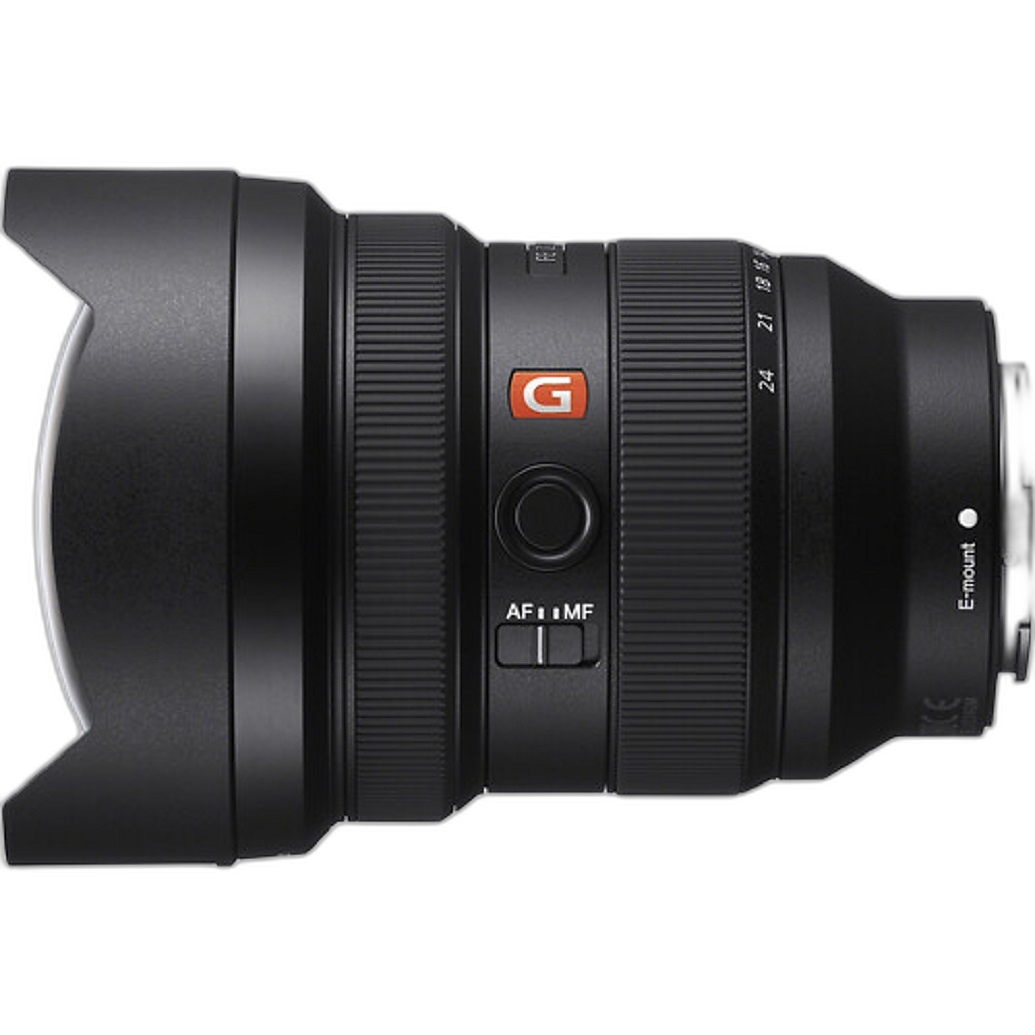
On the other hand, if your style leans toward immersive compositions, exaggerated perspective, or astrophotography-adjacent landscapes, the Sony FE 12-24mm f/2.8 GM gives you creative room that a standard zoom simply cannot match.
How important is color rendition when choosing a Sony landscape lens?
Color rendition can be subtle, but it absolutely matters. Landscape photographers often pay close attention to how a lens renders greens, blues, warm sunrise tones, and fine tonal transitions in clouds or mist. A lens with strong contrast and clean color can make files feel more polished before editing even begins.
Sony's premium lenses are often chosen not just for resolution, but for their overall rendering. The Sony FE 12-24mm f/2.8 GM is especially appealing for photographers who want vivid, high-contrast files with a refined look in challenging natural light. The Sony FE 24-105mm f/4 G OSS is also a dependable performer for photographers who want balanced color, solid contrast, and a versatile focal range for day-long landscape outings.
Should I prioritize maximum sharpness or zoom versatility?
That depends on how you work. If you usually hike with a plan, build compositions carefully, and want the widest possible field of view with top-tier optical performance, a specialized lens can make sense. The Sony FE 12-24mm f/2.8 GM is a premium option for photographers who know they want exceptional ultra-wide capability and pro-level image quality.
If you prefer to travel light with one lens, respond quickly to changing conditions, or capture both wide scenes and tighter natural details, versatility may be more valuable than chasing the last bit of ultra-wide specialization. The Sony FE 24-105mm f/4 G OSS is one of the strongest all-around choices for Sony landscape photographers because it covers so many real-world situations while still delivering very good sharpness and portability.
Does a fast f/2.8 aperture matter for landscape photography?
For classic daytime landscapes, many photographers stop down, so an f/2.8 aperture is not always essential. However, it can still be very valuable. A brighter aperture helps with low-light composition, night landscapes, astrophotography, and shooting in dim pre-dawn or post-sunset conditions. It can also indicate a premium optical design built to perform at a very high level.
That is one reason the Sony FE 12-24mm f/2.8 GM stands out. Even if you frequently shoot at f/8, having that f/2.8 capability expands your creative options significantly. By contrast, the Sony FE 24-105mm f/4 G OSS trades a bit of speed for a much broader focal range, making it a practical choice for photographers who want flexibility over outright low-light advantage.
Can one lens handle both landscape photography and travel?
Yes, and for many Sony users, that lens is the Sony FE 24-105mm f/4 G OSS. It covers wide scenes, midrange documentary perspectives, and short telephoto framing, which makes it especially useful for trips where you may be photographing national parks one hour and street scenes the next. Optical stabilization is also a welcome benefit for handheld work in changing light.
If your travel is heavily focused on dramatic vistas, interiors, or architecture, the Sony FE 12-24mm f/2.8 GM may be the better fit, but it is more specialized. Many photographers ultimately pair an ultra-wide like the 12-24mm with a more flexible zoom like the 24-105mm to build a highly capable travel and landscape kit.
What is the best way to improve my landscape photography beyond buying a new lens?
Gear matters, but technique matters just as much. Learning how to use foreground elements, manage depth, evaluate light, and choose the right focal length for the scene will improve your images regardless of what lens you own. That is why workshops and hands-on instruction can be so valuable, especially if you want to understand how lens choice affects composition in the field.
For photographers who want to build both technical and creative skills, Unique Photo's Macro and Landscape Photography at Duke Farms with Michael Downey is a great way to deepen your understanding of landscape image-making in a practical setting.

Which Sony lens is the better landscape choice for most photographers?
If your priority is the highest-end ultra-wide performance, dramatic perspective, and premium optical design, the Sony FE 12-24mm f/2.8 GM is the clear choice. It is ideal for photographers who specifically want expansive compositions and strong edge-to-edge quality in a professional-grade lens.
If you want a more versatile lens that still performs very well for landscapes while also covering travel, everyday shooting, and tighter scenic compositions, the Sony FE 24-105mm f/4 G OSS is often the smarter all-around investment. It is one of the most useful lenses in the Sony full-frame ecosystem for photographers who need flexibility without sacrificing image quality.
Both are excellent options, and the right one depends on whether your shooting style favors specialized ultra-wide work or broad real-world versatility.
Whether you are comparing Sony lenses for your next landscape trip or building a full-field kit, Unique Photo can help you choose the right glass for your style and budget. Explore these Sony lenses and our photography classes at Unique Photo to get the gear and guidance you need for your next great landscape image.