Sony Landscape Lens Decisions: Panel vs Workshop
Landscape photographers love choice — and Sony’s online comparison tool makes it easier to pick the right lens for your style. To help you get the most out of it, we’re putting two Unique Photo learning experiences head-to-head: the Sony Inspirational Panel Discussion with Gene Szucs and the Pros vs. CS: For the Love of Landscapes with Roman Kurywczak (Tamron). One is brand-focused and ideal for decoding Sony’s specs; the other is technique-driven and sharpens your priorities in the field.

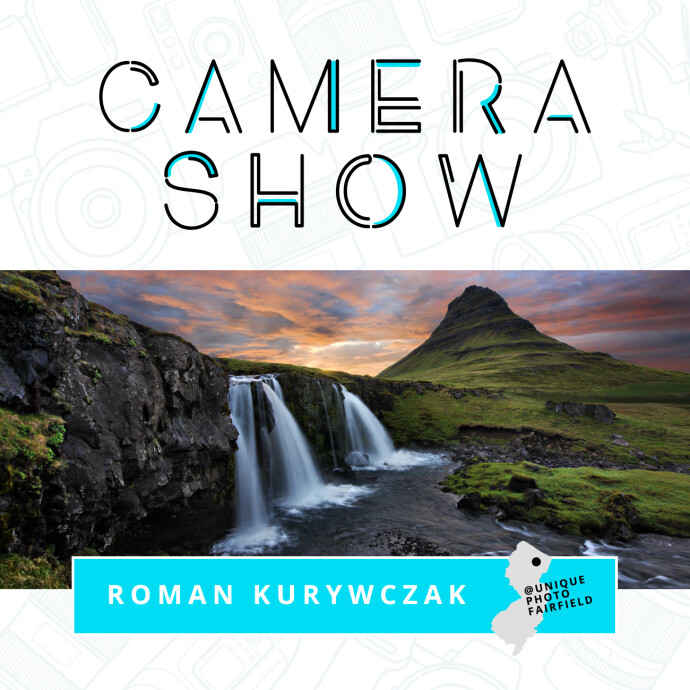
Side-by-Side Comparison
| Feature | Sony Inspirational Panel Discussion with Gene Szucs and the Pros | CS: For the Love of Landscapes with Roman Kurywczak (Tamron) |
|---|---|---|
| Format | Panel discussion with Sony pros | Creative seminar centered on landscape shooting |
| Best if you want | Sony system insights, lineup context, Q&A on lens choices | Practical landscape priorities and real-world tradeoffs |
| Emphasis on using Sony’s Compare Tool | High — brand-specific lens data and ecosystem context | Moderate — applies priorities across brands and budgets |
| Perspective | First-party Sony lens families (G, G Master, compact primes/zooms) | Third-party lens value/weight/performance balance |
| Nightscape considerations | General low-light guidance; pairs well with a night-focused class | Technique-forward; complements a dedicated night class for lens picks |
| Who should attend | Sony shooters deciding between similar Sony options | Landscape photographers refining what to prioritize before comparing lenses |
How to Use Sony’s Compare Tool for Landscape Lenses
Focal length and field of view
Start by comparing focal lengths you actually use. In Sony’s tool, line up obvious alternatives (for example, a 16–35 vs. a 20mm prime vs. a 24–70) and note:
- Field of view: Ultra-wide (14–20mm) for sweeping vistas and foreground drama; 24–35mm for balance; 70–200mm+ for compression and detail studies.
- Zoom vs. prime tradeoffs: Range flexibility vs. maximum aperture, weight, and edge performance.
Maximum aperture and exposure latitude
For golden hour, f/4 zooms are often enough. For twilight and nightscapes, fast primes (f/1.4–f/2) help keep ISO down. In the tool, compare maximum aperture side-by-side and consider the weight penalty of f/2.8 zooms versus f/4.
Sharpness and MTF behavior
Use Sony’s charts and published data to assess center-to-corner performance. For landscapes, consistent edges at f/5.6–f/8 matter more than wide-open sharpness. Compare how lenses improve when stopped down and note microcontrast (fine textures in rocks and foliage).
Close focus and magnification for foreground interest
Foregrounds make landscapes pop. In the comparison, scrutinize minimum focus distance and maximum magnification. A lens that focuses close lets you pack small subjects into the frame without a dedicated macro.
Weight, size, and filter friendliness
Hiking weight matters. Compare dimensions and grams. Also check filter thread sizes — 67/72/77/82mm are common — so you can standardize neutral density and polarizers. Note whether the front element plays nice with filters for long exposures.
AF, stabilization, and handling
For landscapes, AF speed is less critical than accuracy and repeatability. If you handhold at dusk, consider OSS in the lens versus relying on IBIS. In the tool, compare stabilization, focus hold buttons, and focus throw for precise manual adjustments.
Distortion, vignetting, flare, and sunstars
Look for lenses that control flare when shooting into the sun and that form pleasing sunstars when stopped down. Compare stated distortion/vignetting, then plan to correct the rest in post.
Price-to-performance and system strategy
Use the tool to stack a first-party option against a lighter/less costly alternative. Decide what you value most: ultimate corners and weather sealing, or portability and price. Third-party options can be excellent for backpacking kits.
Nightscape specifics
For stars, prioritize fast aperture, clean corners, and low coma. Use the tool to shortlist 14–24mm primes/zooms, then validate with sample images and real-world feedback.
Post-processing headroom
Sharper files with better contrast and lower aberrations give you more latitude in Lightroom and Photoshop. When lenses compare closely on paper, choose the one that produces cleaner edges and flare resistance to simplify post.
Category-by-Category Verdict
Decoding Sony’s specs and lineup
Advantage: Sony Inspirational Panel. If you’re wading through multiple Sony options that look similar in the compare tool, the panel’s brand-specific perspective and Q&A help you map specs to real use.
Setting field priorities before you compare
Advantage: For the Love of Landscapes (Tamron). Roman’s technique-first approach clarifies what actually matters in the field, so your comparisons focus on the right stats.
Balancing weight vs. performance
Draw. The panel explains Sony’s compact vs. pro builds; the landscape seminar shows where shaving grams matters on a hike.
Budget-savvy choices
Advantage: For the Love of Landscapes (Tamron). A third-party perspective can reveal high-value options once you know which specs you can flex.
Nightscape readiness
Best with a dedicated add-on. Pair either session with a night-focused class to refine fast wide-angle picks and Milky Way techniques.
Our Pick
Recommendation: Sony Inspirational Panel Discussion with Gene Szucs and the Pros. If your main goal is to leverage Sony’s comparison tool to choose between similar FE lenses, the panel’s Sony-centric context makes it easier to interpret specs and tradeoffs. Then, add Roman Kurywczak’s For the Love of Landscapes to cement which attributes truly impact your images and to pressure-test your shortlist in the field.
Conclusion
Use Sony’s comparison tool to narrow by focal length, aperture, weight, and filter size; confirm edge performance and close focus; then sanity‑check your shortlist with real-world priorities. Unique Photo’s Sony panel and landscape seminar together give you both the brand context and the practical field perspective to buy with confidence. Visit Unique Photo to explore upcoming classes and build the lens kit that matches your landscape vision.