Sony GM vs G Lenses: How to Compare Them in Sony Lens Compare Beta
Sony’s lens lineup can be confusing in the best possible way: there are many excellent options, and the gap between “very good” and “elite” is often smaller than buyers expect. That is exactly why a tool like Sony Lens Compare Beta is useful. If you are trying to decide between Sony G Master and Sony G lenses, the smartest approach is not to ask which series is universally better, but which one best fits your shooting style, budget, size preference, and performance needs.
In broad terms, Sony G Master lenses are positioned as the brand’s flagship optics. They are designed to deliver top-tier sharpness, premium build quality, fast apertures in many cases, and autofocus performance intended to keep up with high-resolution sensors and demanding professional workflows. Sony G lenses, meanwhile, often aim for a more balanced mix of image quality, portability, price, and practical everyday usability. For many photographers and filmmakers, that balance is exactly the right choice.
When using Sony Lens Compare Beta, the most helpful mindset is to compare lenses by real-world priorities rather than marketing tiers alone. A GM badge does not automatically mean it is the best lens for every user, just as a G lens should not be mistaken for a compromise that cannot produce professional results.
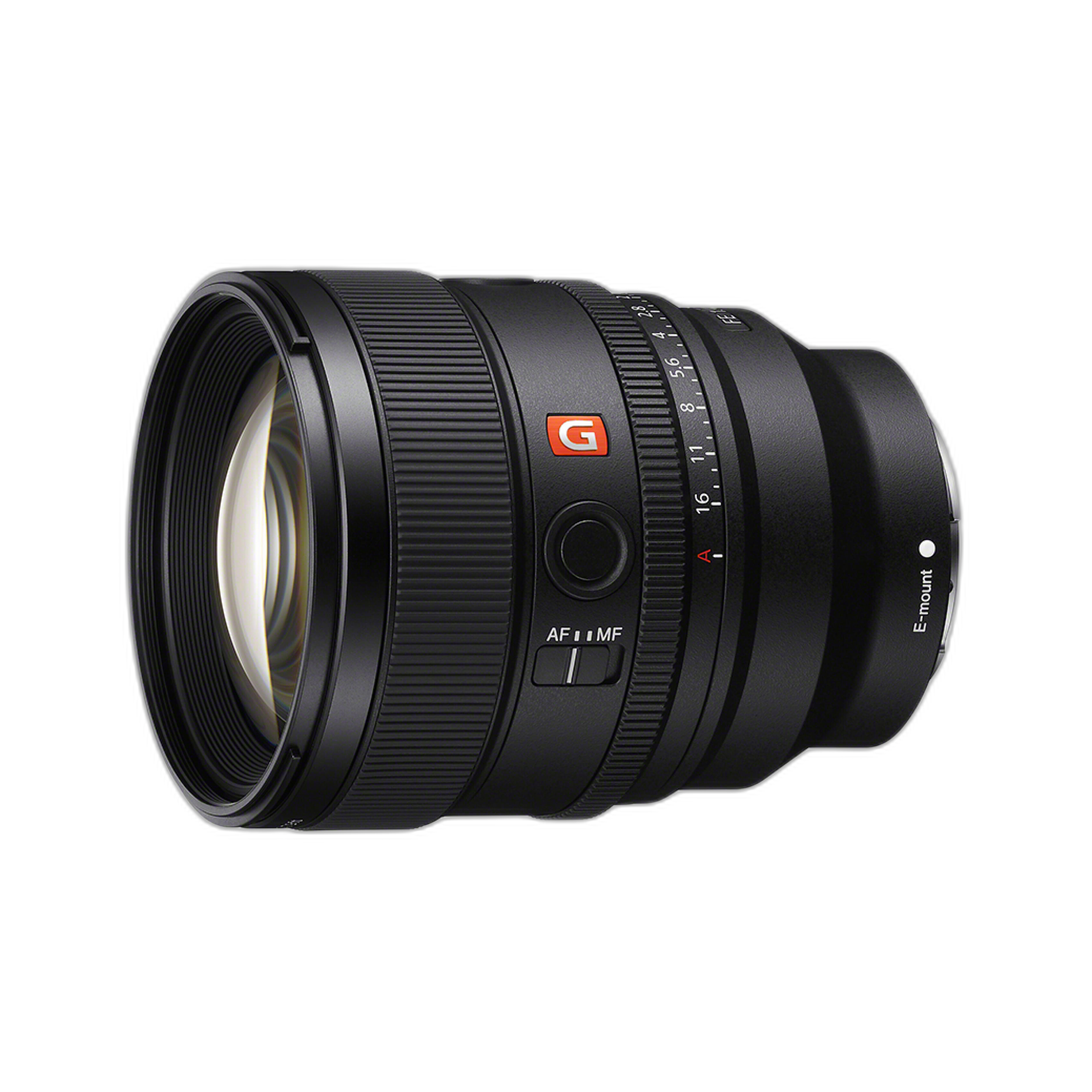
To illustrate how Sony GM lenses are positioned, lenses like the Sony FE 85mm F1.4 GM II, Sony FE 50mm f/1.2 GM, Sony FE 50mm F/1.4 GM, Sony FE 28-70mm f/2 GM, Sony FE 50-150mm F2 GM, and the specialized Sony FE 400mm f/2.8 GM OSS show what the G Master line is all about: fast apertures, premium optics, and performance aimed at portrait, event, sports, wildlife, and commercial shooters who need the best Sony can offer.
What GM and G Really Mean
G Master: maximum optical ambition
Sony G Master lenses are built to push both resolution and rendering. In practical use, that usually means excellent center-to-edge sharpness, strong contrast, refined bokeh, robust autofocus systems, and premium handling. They are often the lenses people choose when they shoot paid work, need subject isolation, or want equipment that can fully exploit modern Sony full-frame bodies.
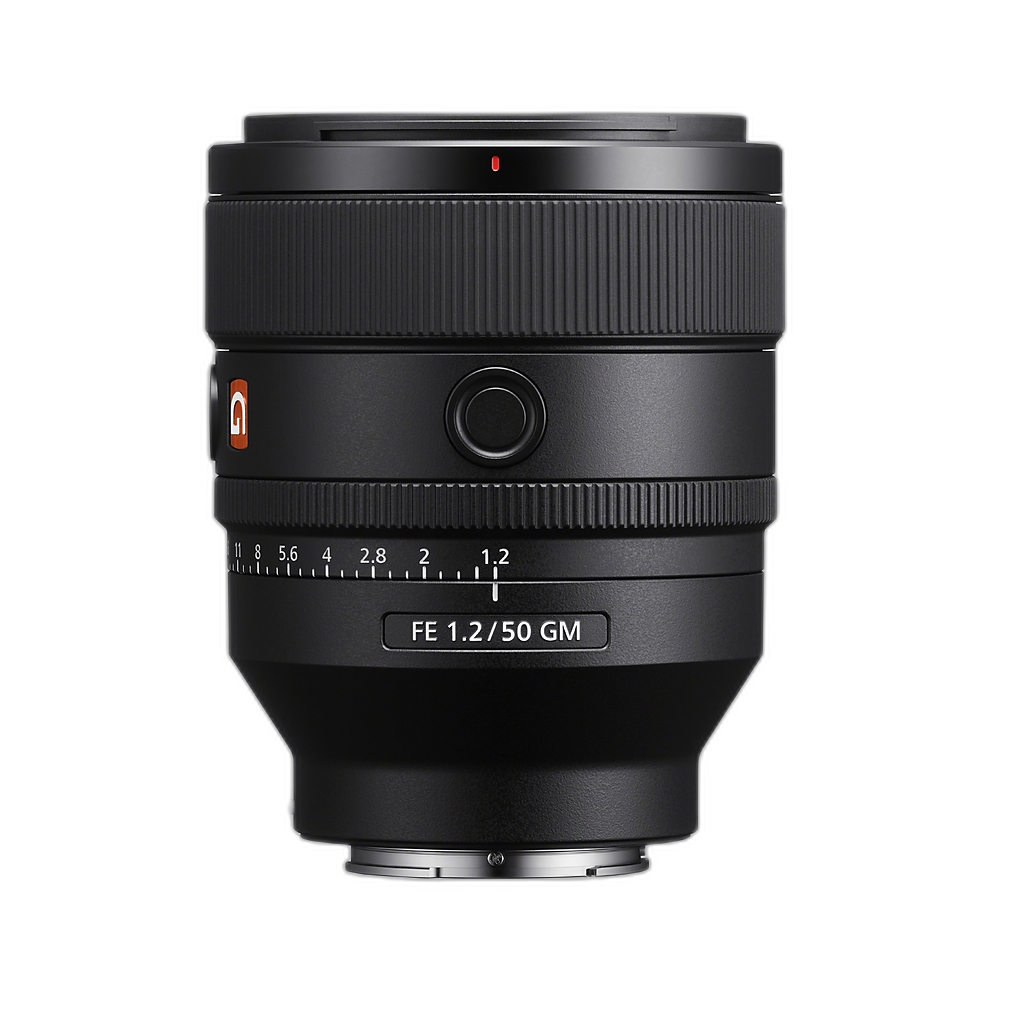
For example, the Sony FE 50mm f/1.2 GM is a classic case of a GM lens that exists for photographers who want speed, shallow depth of field, and high-end optical performance in one package.
G: the practical performance tier
Sony G lenses generally target users who want strong image quality and modern autofocus without necessarily paying for the last few percentage points of exotic performance. Depending on the lens, a G option may be smaller, lighter, slower in maximum aperture, or simply more affordable than a comparable GM lens. In many cases, that makes it a better day-to-day choice for travel, walkaround shooting, hybrid content creation, and enthusiasts who value flexibility.
When comparing in Sony Lens Compare Beta, the key is understanding that G and GM are not just quality levels; they are often different design philosophies.
How to Use Sony Lens Compare Beta the Right Way
Compare by focal length first
Start with focal length and shooting purpose. A lens comparison only makes sense if the lenses are intended to solve a similar problem. Comparing a 50mm prime to a 400mm super-telephoto may teach you about product tiers, but it will not help you buy intelligently unless you know exactly what you are shooting.
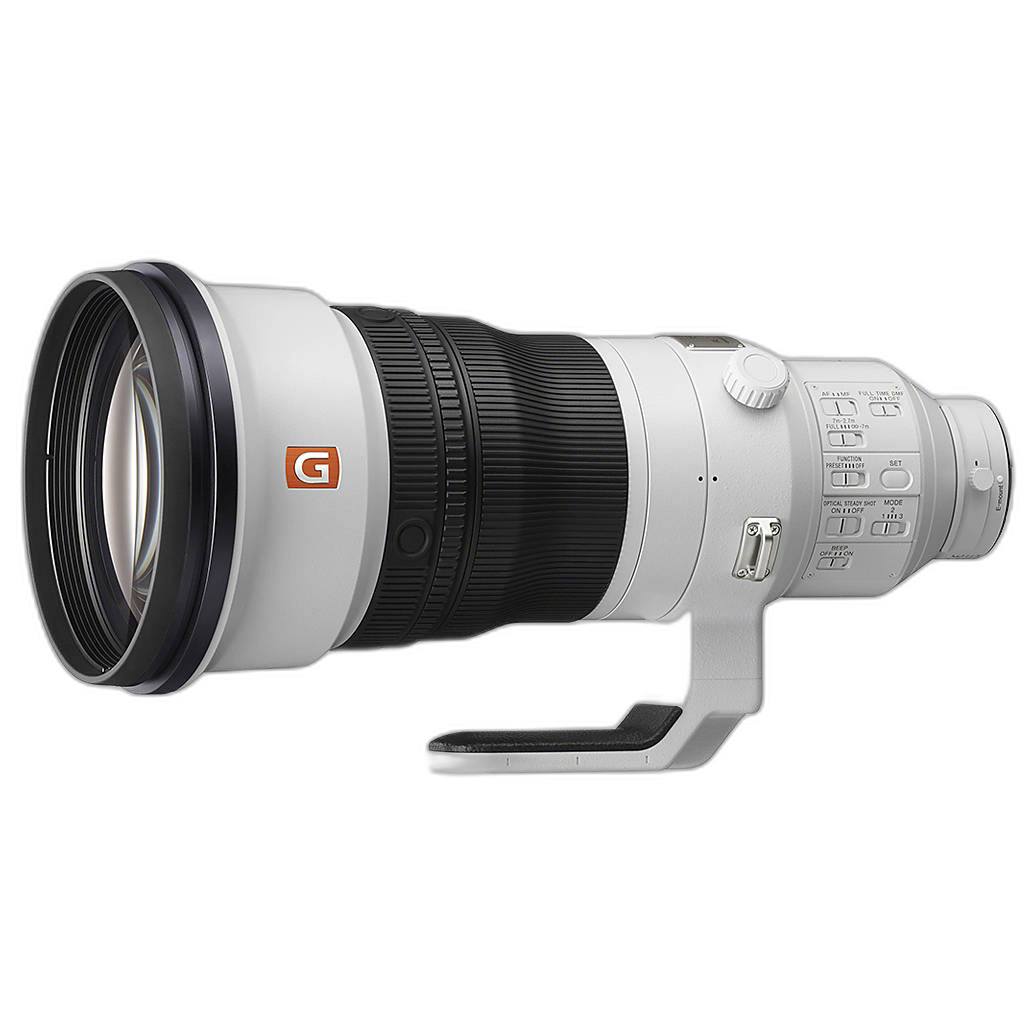
If you shoot portraits, a comparison centered around a lens like the Sony FE 85mm F1.4 GM II makes sense. If you cover sports or wildlife, the Sony FE 400mm f/2.8 GM OSS is in a completely different class and should be judged against your need for speed, subject separation, and autofocus precision.
Then compare aperture and light-gathering ability
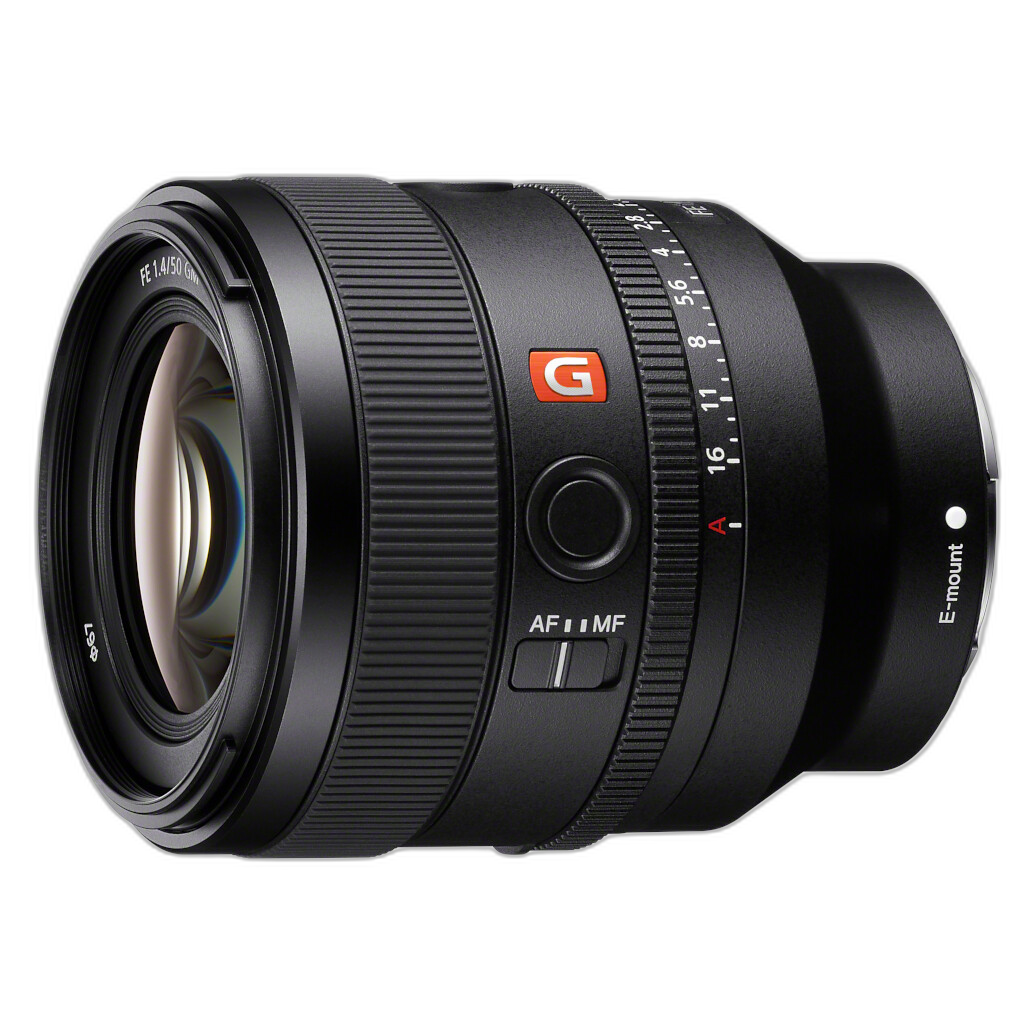
One of the biggest reasons photographers move into GM territory is aperture. Faster lenses offer more background blur, stronger low-light performance, and more creative control. That is why lenses such as the Sony FE 50mm F/1.4 GM and Sony FE 50mm f/1.2 GM are so compelling. On paper, the difference between f/1.4 and f/1.2 may seem small, but in practice it can matter for certain portrait and event shooters.
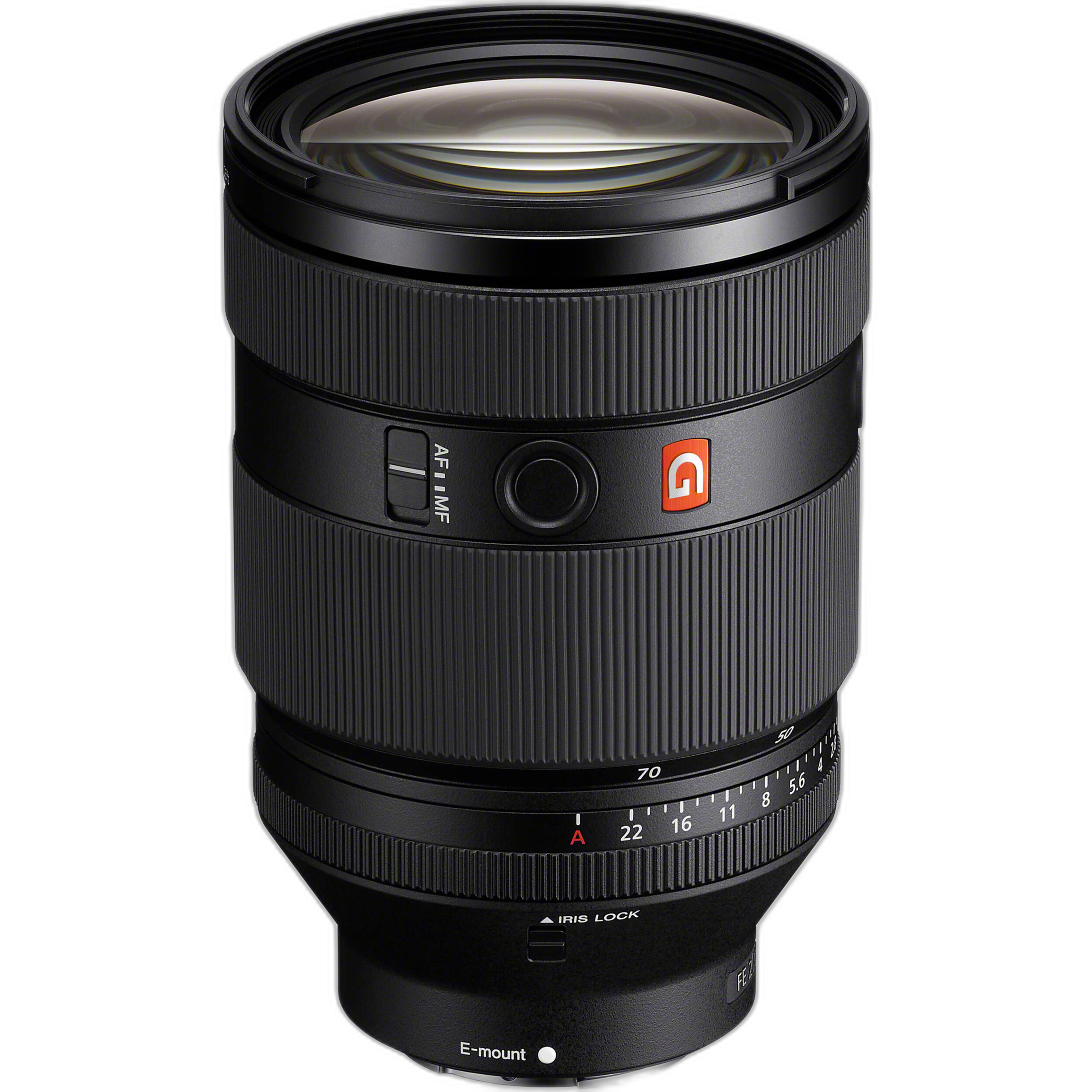
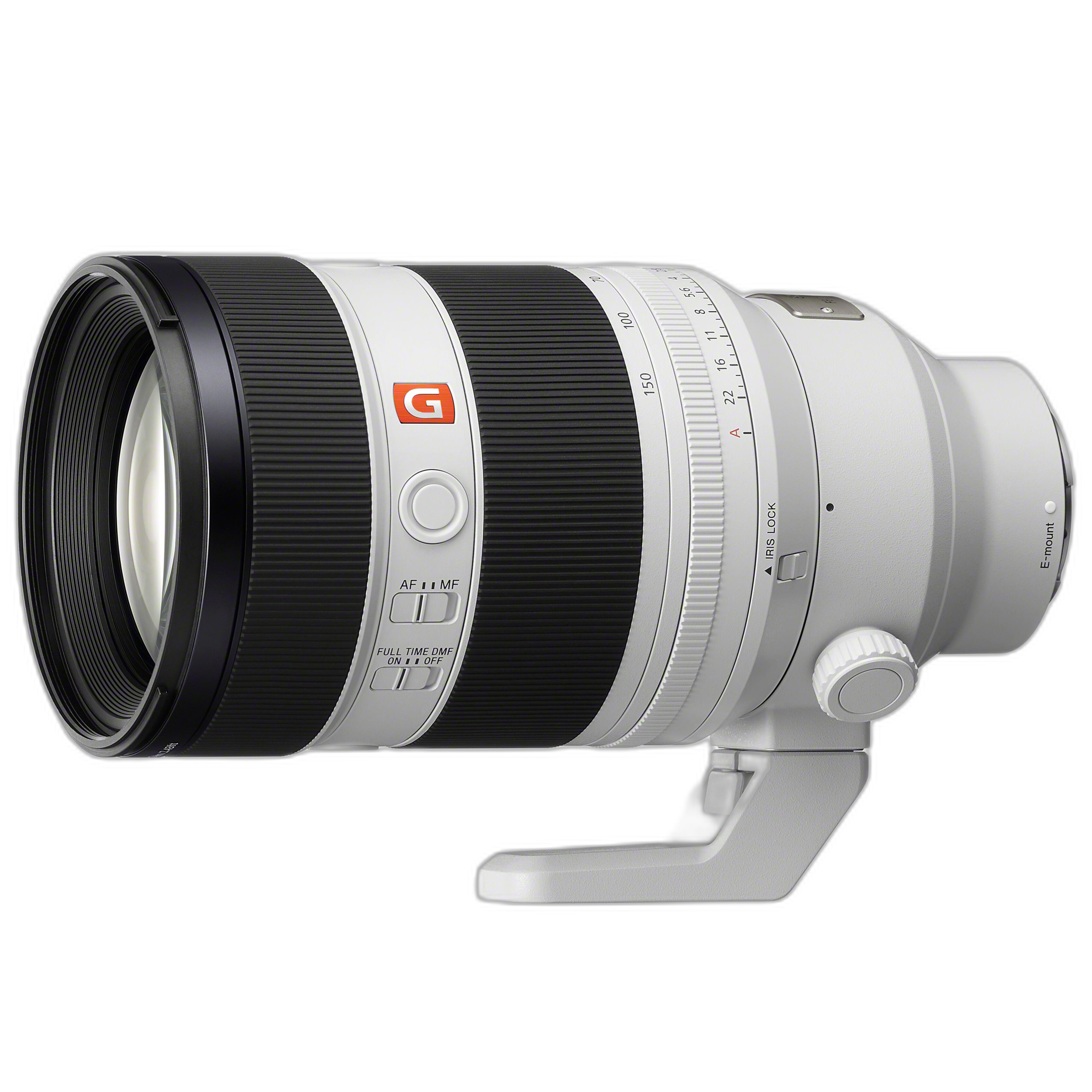
Likewise, zooms like the Sony FE 28-70mm f/2 GM and Sony FE 50-150mm F2 GM demonstrate how Sony uses GM to create premium zooms with unusually bright constant apertures. Those lenses are not only about sharpness; they are about enabling shooting scenarios that slower lenses cannot match as easily.
Check size and weight, not just image quality
This is where many buyers make the wrong decision. In Sony Lens Compare Beta, don’t stop at MTF charts or spec sheets. Consider what you actually want to carry. A lens can be spectacular and still not fit your workflow. A large, fast GM may be perfect for client sessions and a poor fit for travel or casual daily use.
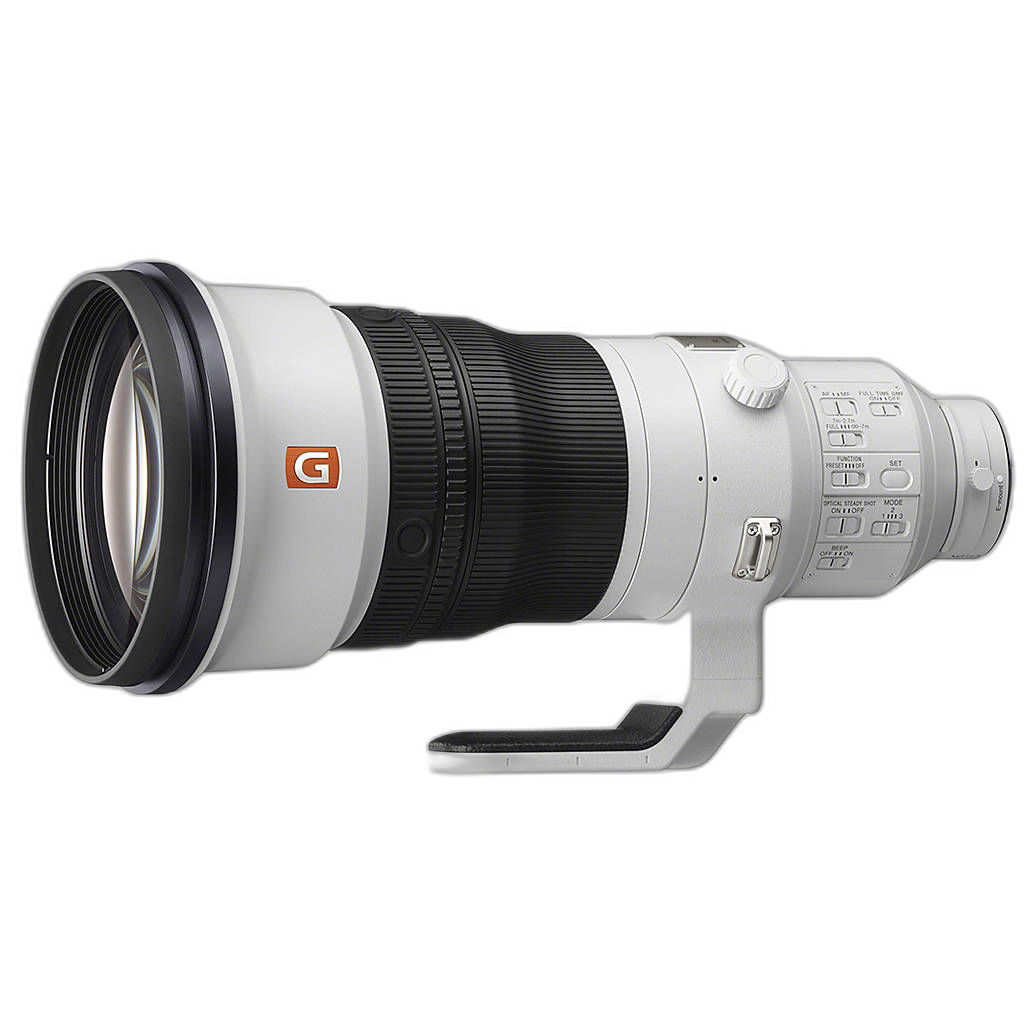
For example, the Sony FE 400mm f/2.8 GM OSS is an elite sports and wildlife lens, but it is also a specialist tool. It rewards photographers who need that exact combination of reach, speed, and autofocus reliability. If you do not need those strengths, its advantages will not justify its cost or bulk.
Use rendering, not just sharpness, as a deciding factor
GM lenses are often chosen because of the way they draw an image, not simply because they resolve more detail. Portrait photographers in particular tend to care about background transitions, highlight shape, subject separation, and micro-contrast. The Sony FE 85mm F1.4 GM II is a great example of a lens that earns its place through rendering as much as raw resolution.
If Sony Lens Compare Beta provides sample images or handling comparisons, spend time there. Rendering is often the difference between “technically good” and “artistically ideal.”
Real-World Comparison Tips by Shooting Style
For portrait photographers
If your work revolves around people, compare wide-aperture primes first. GM lenses often justify their price here because portraits benefit from smoother bokeh, faster apertures, and premium rendering. The Sony FE 85mm F1.4 GM II, Sony FE 50mm f/1.2 GM, and Sony FE 50mm F/1.4 GM are all strong examples of where G Master delivers visible character and flexibility.
Ask yourself these questions in Sony Lens Compare Beta:
- Do you need maximum subject separation?
- Do you frequently shoot in low light?
- Are you delivering paid portrait, wedding, or fashion work?
- Do you prefer the look of a 50mm or 85mm perspective?
If the answer is yes to several of these, a GM lens often makes strong sense.
For events and hybrid creators
Versatility may matter more than absolute speed. This is where comparing zoom ranges becomes important. The Sony FE 28-70mm f/2 GM can appeal to photographers and filmmakers who want a premium general-purpose zoom with more light-gathering ability than a standard f/2.8. The Sony FE 50-150mm F2 GM may be even more attractive for portrait, event, and indoor sports shooters who need reach and speed in one lens.
In this category, compare not only aperture and focal range, but also whether the lens can reduce lens changes during fast-paced assignments.
For sports and wildlife shooters
This is one area where GM often becomes less of a luxury and more of a necessity. The Sony FE 400mm f/2.8 GM OSS is a flagship lens for professionals who need world-class autofocus support, subject isolation, and performance in poor light. If your shooting depends on decisive moments, lens choice is not just about image quality; it is about keeper rate.
For buyers looking to save, a used option such as the Used Sony FE 400mm f/2.8 GM OSS Lens - Excellent can be worth considering, especially from a trusted retailer like Unique Photo.
Pros and Cons of Choosing Sony GM Over G
Pros
- Typically offers Sony’s best optical performance
- Often includes faster maximum apertures for low light and shallow depth of field
- Excellent autofocus performance for demanding stills and video work
- Premium rendering, especially valuable for portraits and commercial work
- Strong long-term investment for professionals using high-resolution Sony bodies
Cons
- Higher cost than Sony G alternatives
- Often larger and heavier
- Performance gains may be unnecessary for casual or travel-focused shooters
- Some users may benefit more from a lighter lens than from the last bit of optical refinement
When a Used GM Lens Makes Sense
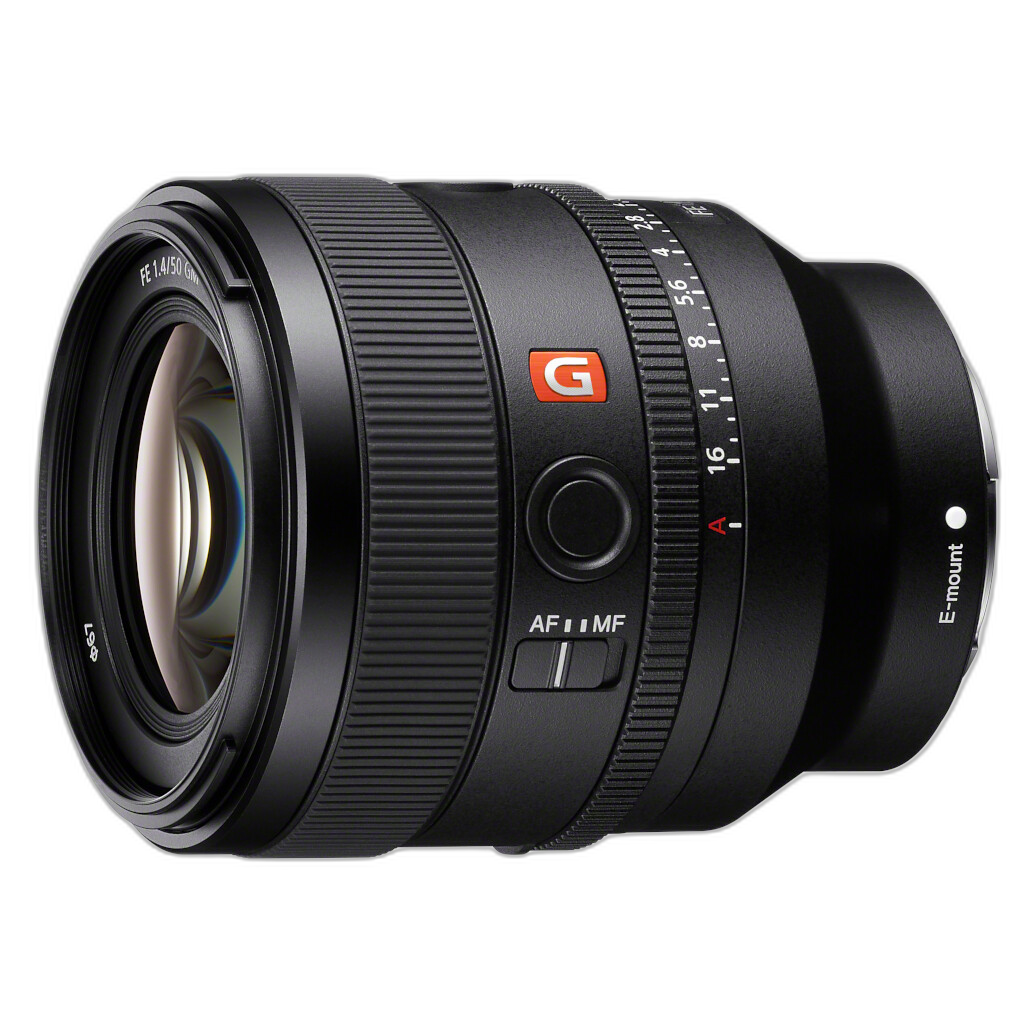
One of the smartest ways to enter the G Master ecosystem is through used gear. If your comparison in Sony Lens Compare Beta leads you to a GM lens but the price gives you pause, checking pre-owned inventory can be the ideal middle path. A lens such as the USED Sony FE 50mm F/1.4 GM Lens - Excellent Condition can offer much of the flagship experience at a more approachable cost.
This is especially useful for portrait and event photographers who know they want premium glass but also want to preserve room in the budget for lighting, support gear, or an additional focal length.
Verdict
Sony Lens Compare Beta is most useful when you treat it as a decision-making tool, not just a spec viewer. Sony GM lenses are generally the right choice when your work demands the best optical performance, faster apertures, refined rendering, and top-tier autofocus. They shine in portraits, weddings, events, commercial work, sports, and wildlife. Sony G lenses, by contrast, often make more sense when portability, affordability, and everyday versatility matter more than maximum performance.
If you are deciding between the two, focus your comparison on five factors: focal length, aperture, size, rendering, and your actual shooting style. Do that, and the right answer becomes much clearer. For many photographers, GM will be worth every dollar. For others, a G lens will be the smarter and more enjoyable lens to own.
For shoppers ready to compare Sony lenses in depth, including flagship GM options and select used opportunities, Unique Photo is an excellent place to buy. Their selection makes it easier to evaluate whether a lens like the Sony FE 85mm F1.4 GM II, Sony FE 50mm f/1.2 GM, Sony FE 50mm F/1.4 GM, Sony FE 28-70mm f/2 GM, Sony FE 50-150mm F2 GM, or Sony FE 400mm f/2.8 GM OSS is the right fit for your kit.
Recommendation
If you are a professional, serious enthusiast, or hybrid creator who can clearly benefit from wider apertures, premium rendering, and class-leading autofocus, Sony GM lenses are usually the best investment. If your priorities are mobility and value, compare Sony G options closely before stretching your budget. The best lens is not the most expensive one; it is the one that helps you shoot more effectively and more often.