Sony’s compare tool can be a great starting point when members are debating bodies, lenses, and feature sets—but most photographers know spec sheets only tell part of the story. When you’re trying to decide what really matters, traditional user reviews and field-tested feedback often reveal the details that manufacturer comparison pages can’t: handling, reliability, workflow friction, and whether a feature actually helps in daily shooting. Here are a few practical tips for using both sources wisely so your next gear decision is based on more than marketing language.
Start with the compare tool for facts, not final answers
1. Use Sony’s compare page to narrow the shortlist
The compare tool is useful for objective details like sensor resolution, burst rate, card slots, video specs, ports, and battery type. That makes it ideal for building an initial shortlist. If you’re deciding between two hybrid bodies, it quickly shows what changed from one generation to the next.
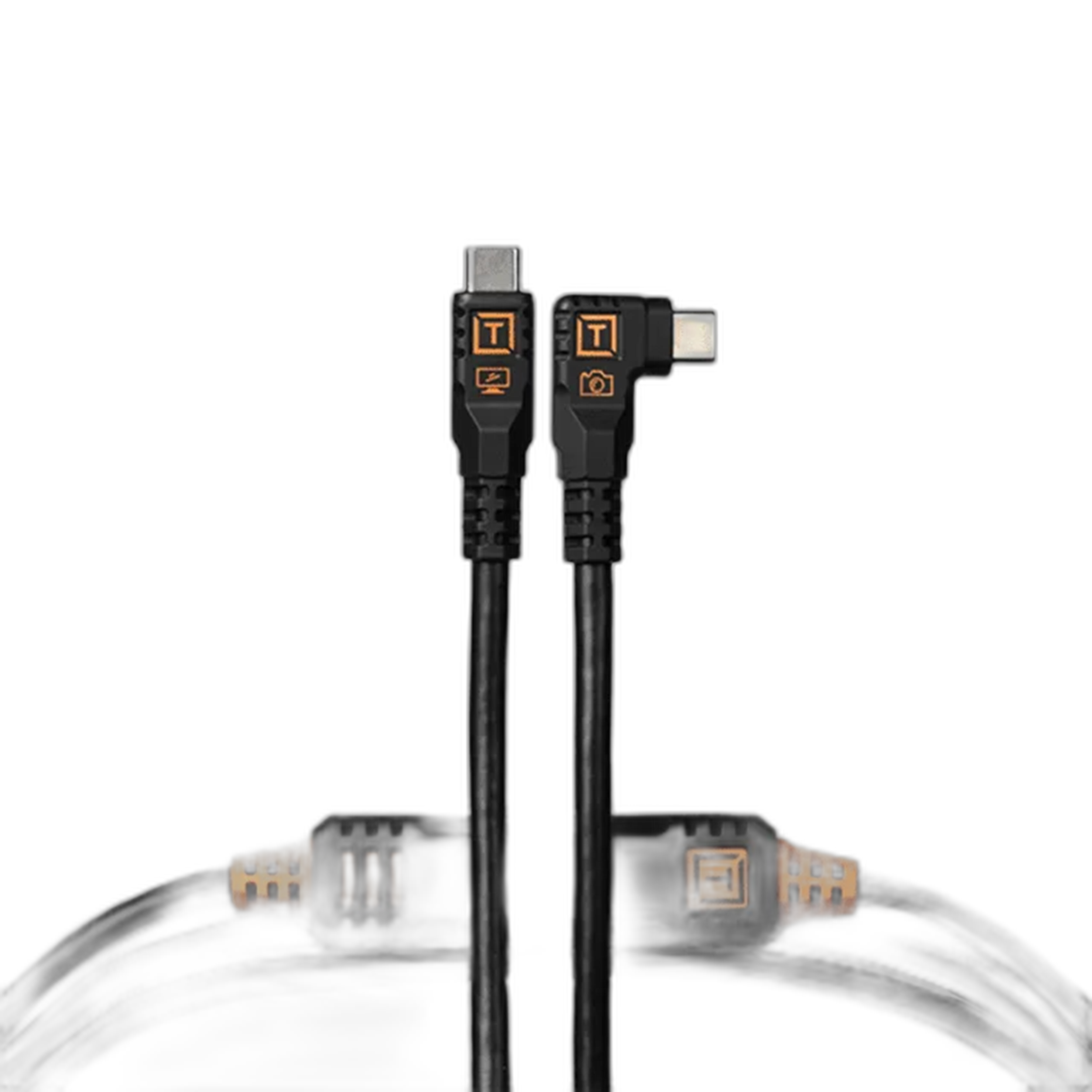
But this is where many buyers should pause. A compare chart won’t tell you whether a menu system slows you down on a job, whether the grip feels right during a long event, or whether a port placement becomes annoying once you add accessories. In practical studio or tethered workflows, even a reliable cable like the Tether Tools Optima 10G USB-C 15ft Straight to Right can highlight usability issues that never appear in a manufacturer comparison table.
Look for reviews that explain real shooting conditions
2. Give more weight to field-tested feedback than broad opinions
Not all user reviews are equally helpful. The most trustworthy ones explain how the gear was used: weddings, wildlife, studio portraits, long-form video, travel, or commercial tethering. That context matters because autofocus that feels excellent for portraits may not satisfy a sports shooter, and overheating concerns may only show up during extended recording sessions.
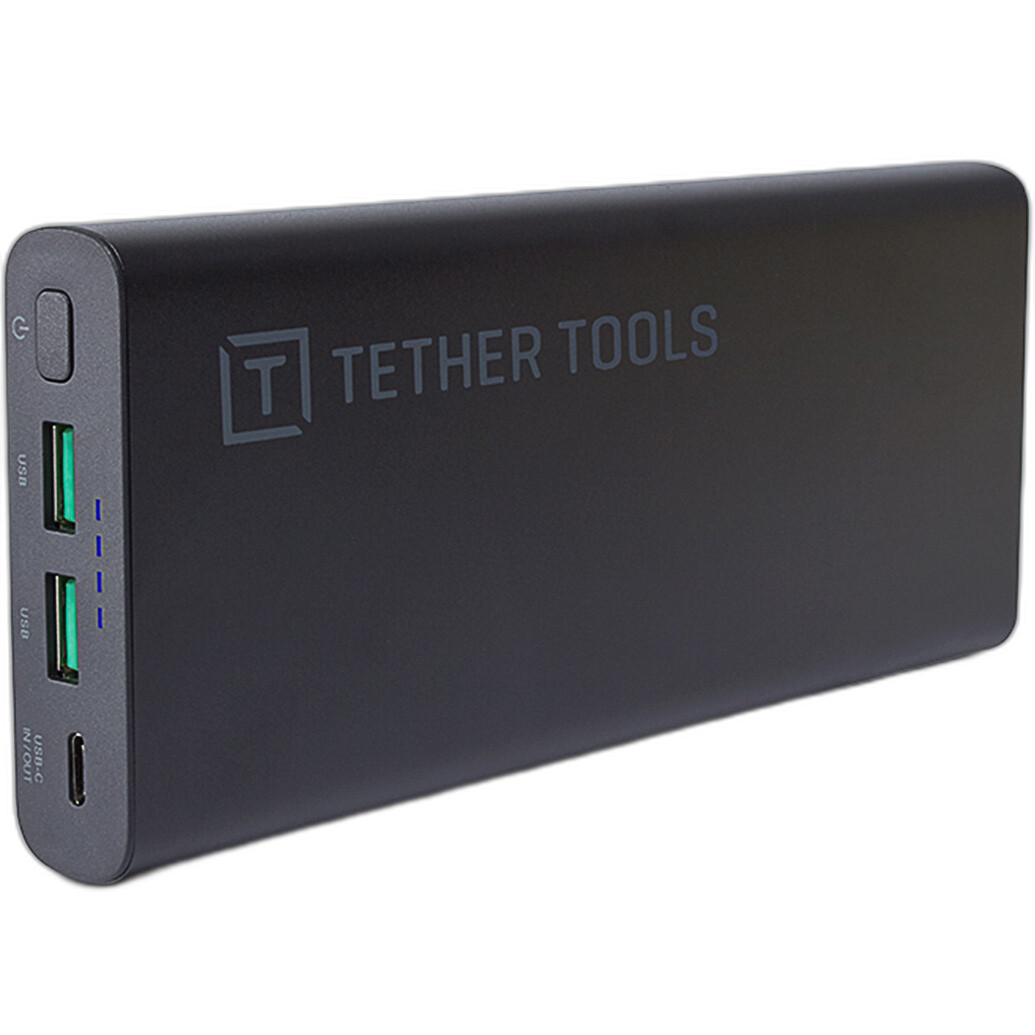
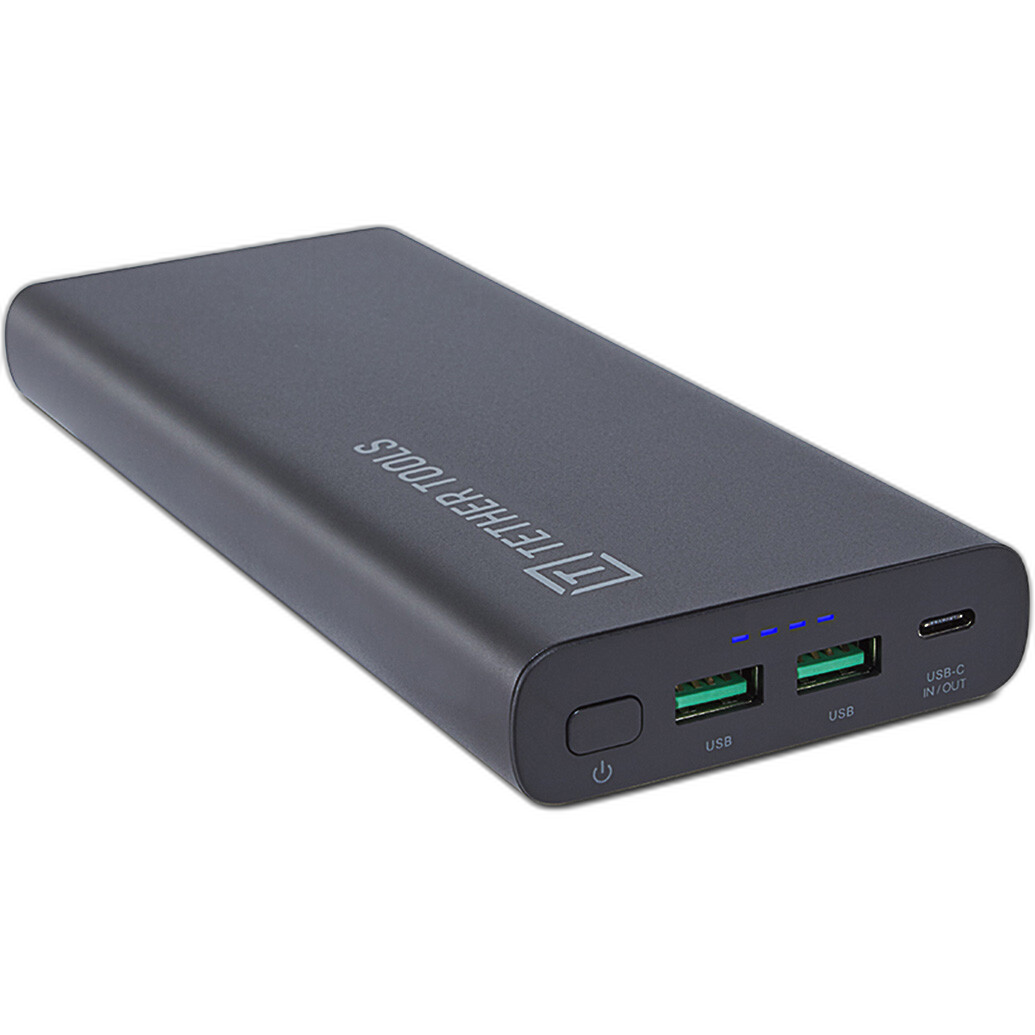
Detailed field reports are especially valuable when photographers describe full setups, including power and workflow accessories. For example, someone testing a camera on location with the Tether Tools ONsite USB-C 100W PD Battery Pack 26800 mAh can provide far more practical insight about endurance and power delivery than a simple “battery life is good” comment.
Watch for patterns instead of one-off praise or complaints
3. Trust repeated observations across multiple reviewers
One glowing review or one angry post rarely tells the whole story. Instead, look for repeated themes. If several experienced users say the EVF is a clear upgrade, the rolling shutter is noticeable in certain conditions, or the ergonomics still feel cramped with larger lenses, those patterns are often more reliable than individual takes.
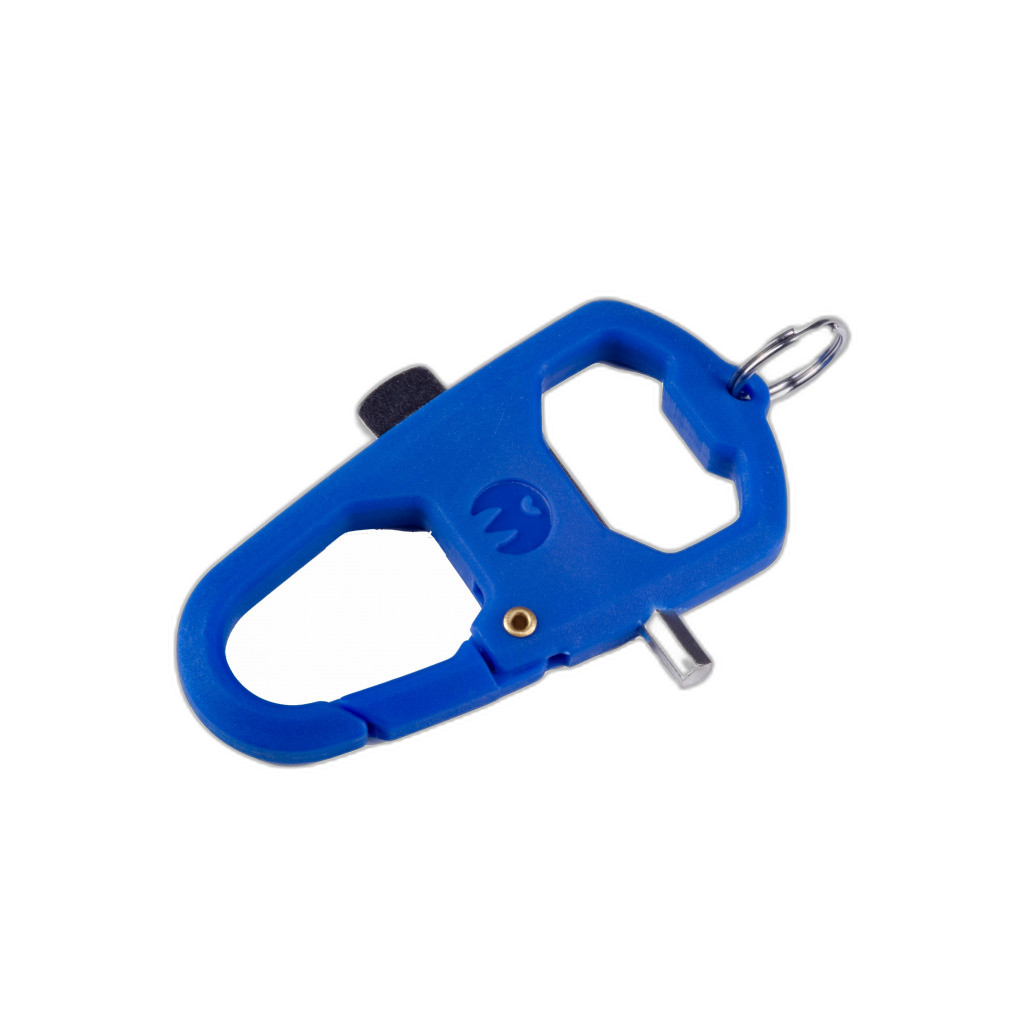
This is also true for workflow comments. If multiple shooters mention that a small kit item can save a day in the field, that matters. Something as simple as the 3 Legged Thing Toolz multi-function tool can become part of the conversation when photographers discuss real ownership experience—because practical gear use often includes quick plate adjustments, rig tweaks, and tripod maintenance that never show up in a compare grid.
Separate manufacturer language from user workflow reality
4. Ask whether a headline feature improves actual results
Compare tools are designed to make differences look clean and measurable. Real life is messier. A camera may offer a newer processor, added AI autofocus modes, or upgraded connectivity, but the better question is whether those changes improve your work enough to justify the cost.
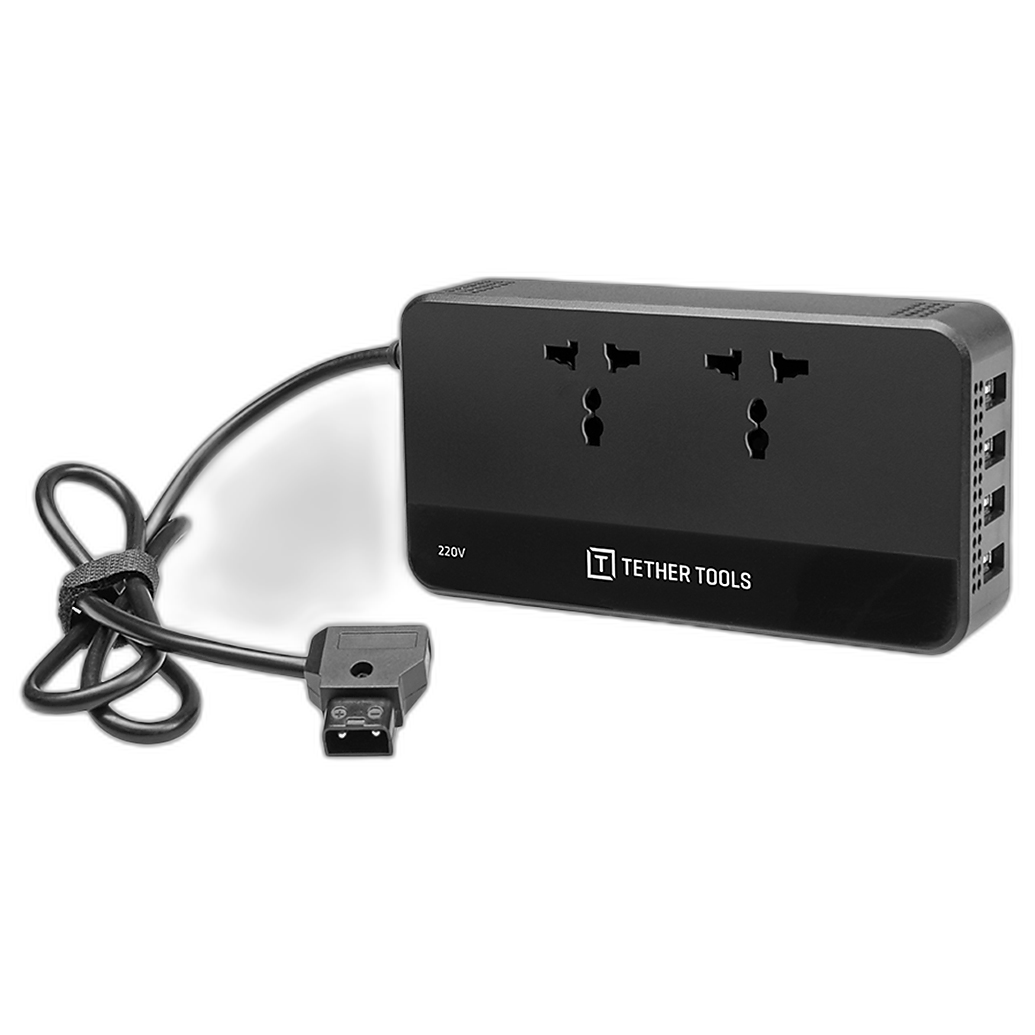
Field-tested feedback is where you learn if a feature saves time, reduces missed shots, or fits into an existing production setup. Video creators, for example, may care less about the spec itself and more about whether the camera behaves predictably when connected to monitors, short-run cables, or external power accessories such as the Tether Tools ONsite DTap to AC Power Supply 220V or compact HDMI connections in a rig.
Prioritize reviewers who show their work
5. Favor sample images, workflow notes, and long-term updates
The most trustworthy feedback usually includes evidence: sample galleries, behind-the-scenes setup notes, autofocus hit-rate observations, or follow-up comments after several weeks of use. Those details help you judge whether the reviewer is reacting to first impressions or documenting actual ownership.
Long-term experience is often where practical truths emerge—especially around transport, organization, and daily wear. A photographer who carries a body, batteries, cables, and maintenance items in a kit organizer like the Tenba Tools Tool Box 8 Black may notice usability issues over time that a quick launch review misses, even if those details seem small at first.
Build your own decision checklist before buying
6. Compare based on your workflow, not the internet’s loudest opinion
In the end, both Sony’s compare tool and traditional reviews are only useful if they answer your questions. Build a short checklist before reading anything: autofocus needs, low-light work, recording limits, tethering, travel weight, battery strategy, and lens compatibility. Then use the compare tool to confirm specs and use real-user feedback to understand how those specs translate into lived experience.
This approach keeps you from overvaluing features that sound exciting but don’t affect your assignments. It also helps you spot accessories and support gear that may improve your workflow as much as a camera upgrade—whether that means reliable tethering, backup power, or keeping your kit better organized.
Conclusion
Sony’s compare tool is helpful for clean side-by-side facts, but user reviews and field-tested feedback usually provide the trustworthiness and practical insight photographers actually need before buying. The smartest approach is to use both: start with the specs, then confirm the real-world experience through thoughtful reviewers and community discussion. If you’re refining your setup or exploring workflow accessories along the way, Unique Photo is a great place to keep building a kit that works in the real world—not just on paper.