Overview
The Sony Alpha a7S series has become synonymous with exceptional low-light performance, making it a favorite among videographers, photographers, and content creators who demand versatility and clarity in challenging conditions. In this detailed comparison, we examine the Sony Alpha a7S, a7S II, and discuss the advancements leading up to the a7S III, helping you determine which champion best fits your creative needs.
Sony Alpha a7S: The Low-Light Pioneer
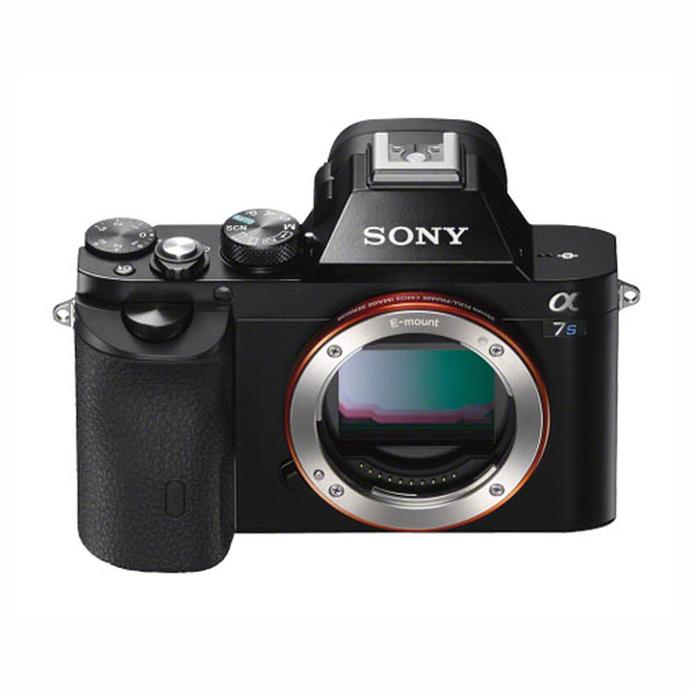
Introduced as the first in Sony’s “S” (Sensitivity) line, the Sony Alpha a7S focuses on low-light prowess, featuring a 12.2MP full-frame sensor that excels in environments where other cameras struggle. Its native ISO range up to 102,400 (expandable to 409,600) and impressive dynamic range set a new standard for mirrorless cameras at its release.
- 12.2MP Exmor CMOS sensor
- Native ISO 100–102,400 (expandable to 409,600)
- Full HD video up to 60p; 4K output via HDMI
- Contrast-detect AF with 25 points
- Lightweight, compact body
- Sony E-mount lens compatibility
Sony Alpha a7S II: Enhanced Features & Refined Performance
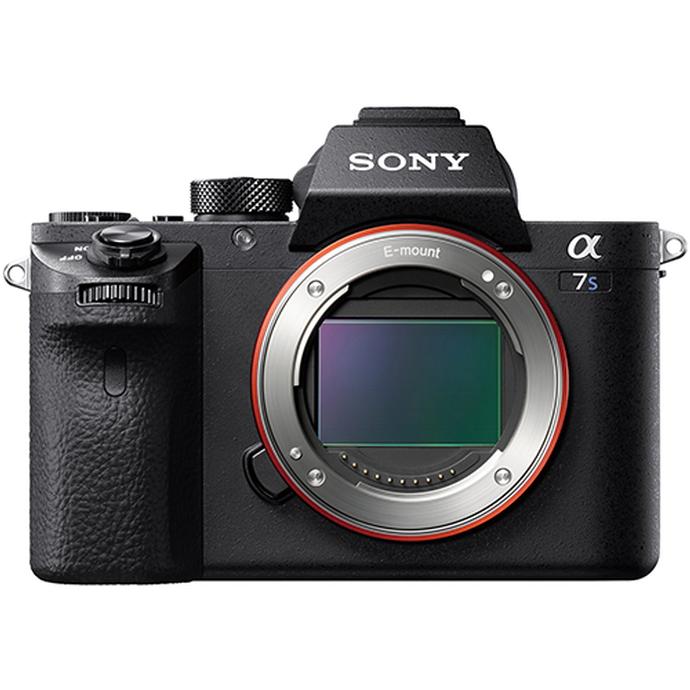
The Sony Alpha a7S II builds on its predecessor’s strengths, adding critical improvements for videographers and low-light shooters. Notable upgrades include internal 4K video recording, 5-axis in-body image stabilization, a refined autofocus system, and an improved EVF for easier composition in all conditions.
- 12.2MP Exmor CMOS sensor (same as a7S)
- Native ISO 100–102,400 (expandable to 409,600)
- Internal 4K UHD video up to 30p (XAVC S codec)
- 5-axis in-body image stabilization
- 169-point contrast-detect AF
- Sony E-mount lens compatibility
- Improved OLED EVF (2.36M dots)
Sony Alpha a7S III: The Modern Low-Light King
While the a7S III isn't directly included in the provided product data, it's essential to understand how it advances the a7S legacy. The a7S III features a new 12.1MP BSI sensor, next-generation color science, best-in-class video specs, and vastly improved autofocus. Its headline features—such as 4K 120p internal recording, 16-bit RAW HDMI output, and a fully articulated touchscreen—make it the gold standard for hybrid creators. (For a direct hands-on, see Sony’s official resources or your favorite retailer for the latest specs and images.)
Side-by-Side Comparison Table
| Feature | Sony a7S | Sony a7S II | Sony a7S III* |
|---|---|---|---|
| Sensor | 12.2MP Full-Frame CMOS | 12.2MP Full-Frame CMOS | 12.1MP Full-Frame BSI CMOS |
| ISO Range | 100–102,400 (409,600 ext.) | 100–102,400 (409,600 ext.) | 80–102,400 (409,600 ext.) |
| Video Recording | Full HD 60p (4K HDMI out) | Internal 4K 30p | Internal 4K 120p, 10-bit 4:2:2 |
| Image Stabilization | No | 5-axis IBIS | 5-axis IBIS |
| Autofocus | 25-point Contrast AF | 169-point Contrast AF | 759-point Phase+Contrast AF |
| EVF Resolution | 2.36M dots | 2.36M dots | 9.44M dots |
| Screen | 3.0" Tilting | 3.0" Tilting | 3.0" Fully articulating |
| Lens Mount | Sony E | Sony E | Sony E |
| Card Slots | 1x SD | 1x SD | 2x CFexpress Type A / SD UHS-II |
*Specs for a7S III included for informational comparison only.
Benefits and Best Use Cases
- Low-Light Mastery: All models excel in high ISO shooting, making them ideal for night photography, astrophotography, and event videography.
- Compact & Lightweight: Perfect for travel and handheld shooting, even with pro lenses.
- Videography: The a7S II and a7S III especially shine for filmmakers, with the a7S II introducing internal 4K and stabilization, and the a7S III pushing the envelope with 4K 120p.
- Color Science: With each generation, Sony refined its color profiles and dynamic range, delivering more accurate and pleasing skin tones.
Usage Tips
- Pair with fast aperture lenses (f/2.8 or faster) to maximize low-light capability.
- Use the 5-axis stabilization (a7S II, a7S III) for sharp handheld shots at slower shutter speeds.
- Take advantage of S-Log2/3 profiles for maximum dynamic range in post-production.
- For longer recording, use high-speed SD or CFexpress cards (a7S III) to avoid dropped frames.
Recommended Accessories
- FE 24mm f/1.4 GM or FE 50mm f/1.2 GM: Top-tier lenses for low-light and shallow depth of field.
- Extra Batteries: Essential for long shoots—look for NP-FW50 (a7S, a7S II) or NP-FZ100 (a7S III).
- External Microphone: For superior audio during video work.
- Cage/Rig: Especially for video, to add monitors, microphones, and lights.
- High-speed SD or CFexpress Cards: To handle high bitrate 4K recording.
Conclusion: Which Sony a7S is Right for You?
If you’re primarily a photographer or entry-level videographer, the original a7S still delivers breathtaking low-light results. For hybrid shooters and filmmakers, the a7S II gives you in-body stabilization and internal 4K, making it a more versatile all-rounder. The a7S III is the pro’s choice, offering cutting-edge video specs and autofocus that compete with the best cinema cameras—ideal for serious content creators and professionals.
What Comes in the Box
- Sony Alpha a7S or a7S II Body
- Rechargeable Battery (NP-FW50)
- Battery Charger
- AC Adapter
- Shoulder Strap
- Body Cap
- USB Cable
- User Manual/Documentation