Smartphone vs. Compact Camera for Travel Photography: FAQ Guide
Travel photographers often ask the same practical question: should you rely on the phone already in your pocket, or pack a dedicated compact camera for the trip? The best answer depends on how you shoot, how much flexibility you want, and how much gear you are willing to carry from airport to city street to scenic overlook.
At Unique Photo, we help travelers choose tools that fit real-world shooting. Below, we break down the most common questions about smartphones versus compact cameras, along with workflow and packing advice that can make travel photography easier.
Do modern smartphones rival compact cameras in image quality?
In bright light, many modern smartphones can deliver excellent results for social sharing, travel journals, and casual printing. Computational photography has improved dynamic range, HDR rendering, night modes, and portrait effects, so a current flagship phone can be surprisingly capable for everyday travel scenes.
That said, compact cameras still hold an advantage when you want more natural background blur, cleaner files in low light, longer zoom reach, and greater manual control. A dedicated compact camera also tends to produce more consistent results when lighting gets difficult, such as interiors, twilight cityscapes, or high-contrast landscapes. If image quality is your top priority and you expect to edit your files seriously later, a compact camera remains a strong travel companion.
Is it worth carrying a compact camera if I already have a good phone?
It can absolutely be worth it, especially if your trip includes wildlife, architecture details, street scenes from a distance, or low-light environments where a phone may struggle. A compact camera gives you a more tactile shooting experience, physical controls, and often a better lens range than a smartphone can provide on its own.
On the other hand, if your priority is packing light, moving fast, and posting while you travel, your smartphone may be all you need. Many travelers end up using a hybrid approach: the phone for convenience, maps, quick clips, and social content; the compact camera for hero images, scenic shots, and anything that benefits from better optics or zoom. That balance often provides the best mix of portability and quality.
What are the biggest advantages of a smartphone for travel photography?
The biggest strengths are convenience and connectivity. Your phone is always with you, boots instantly, and makes it easy to capture spontaneous moments without drawing much attention. It also simplifies editing, organizing, backing up, and sharing images while you are still on the road.
Phones are especially useful for food photography, travel selfies, quick panoramas, and casual video clips. They are also ideal when you do not want to carry a bag or dedicated accessories. For minimalist travelers, that convenience can matter more than any technical edge a separate camera may offer.
What are the biggest advantages of a compact camera for travel?
A compact camera can give you optical zoom, better handling, improved battery efficiency during long shooting days, and image files with more editing latitude. If you enjoy making intentional photographs rather than just snapshots, a compact camera often feels more responsive and rewarding to use.
Compact cameras also help when you want to travel with less bulk than an interchangeable-lens setup but still want dedicated photographic performance. Many travelers choose one specifically because it strikes a useful middle ground between a phone and a larger mirrorless or DSLR kit.
What should I look for in a travel-friendly compact camera?
Focus on a few practical traits: low weight, a versatile zoom range, solid battery life, image stabilization, and easy wireless transfer to your phone or tablet. A bright lens can also be very helpful for museums, interiors, and evening street photography. If you plan to shoot all day, comfort in the hand matters just as much as the spec sheet.
Equally important is how you carry and protect your gear. A well-designed daypack can make a compact camera much easier to bring everywhere instead of leaving it back at the hotel. The Nomatic Luma Camera Pack 18L is a smart option for travelers who want organized storage for a compact camera, accessories, and personal items without stepping up to a bulky camera bag.
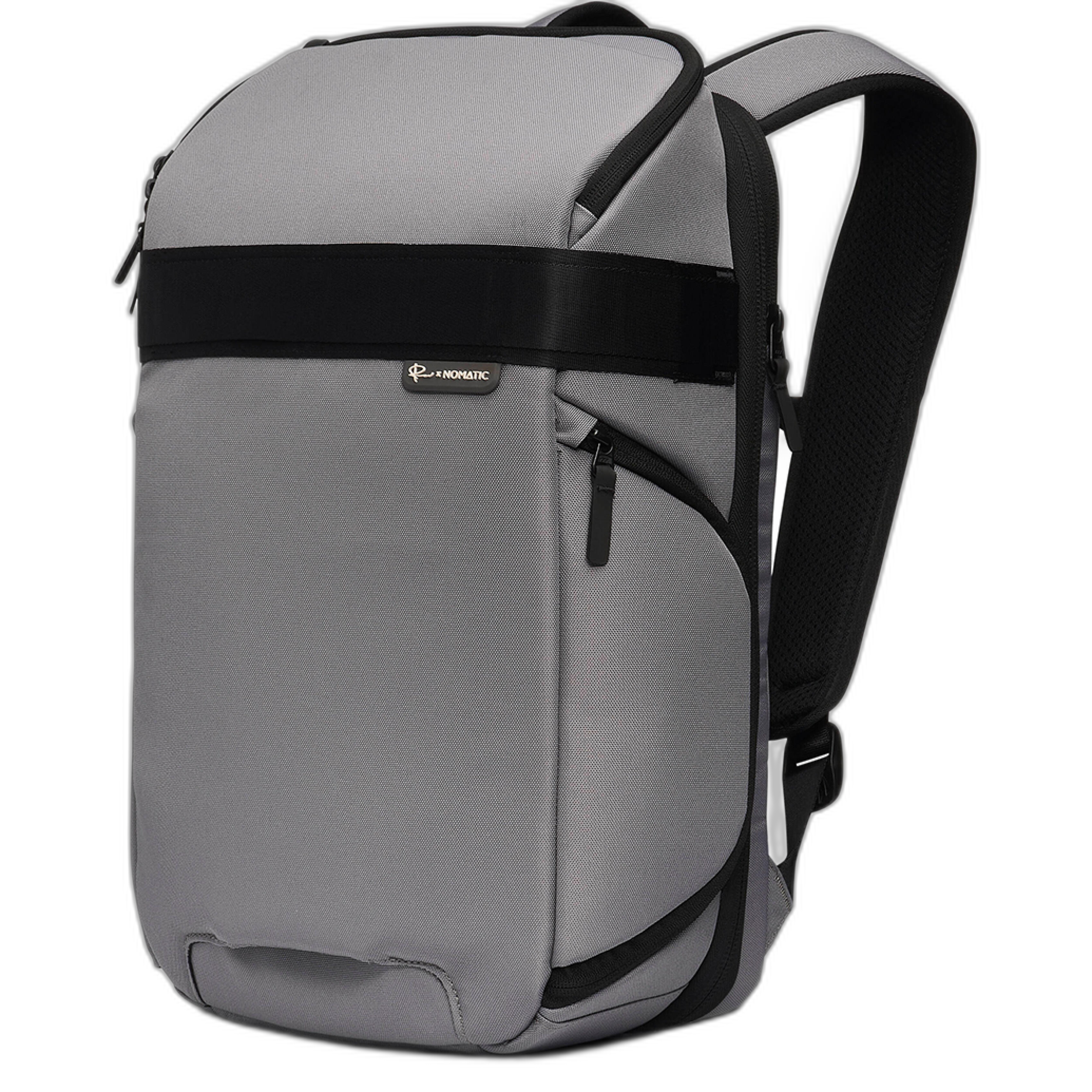
Its streamlined layout works well for day trips, walking tours, and urban travel where fast access and comfortable carry are important. For many photographers, the difference between using a camera all day and leaving it behind comes down to how easy it is to pack.
How do I keep my travel setup lightweight and comfortable?
Whether you shoot with a smartphone, a compact camera, or both, comfort matters on long travel days. The lighter and simpler your setup, the more likely you are to keep it with you from morning through night. If you are carrying a compact camera, adding a slim strap can improve comfort and reduce hand fatigue while keeping the camera ready for quick shots.
The PGYTECH Camera Strap Slim in Vintage-Olive Green is a practical accessory for a minimalist travel kit. It is especially useful for compact camera users who want secure carry without adding bulk or a complicated harness system. Combined with a small camera or a compact mirrorless body, it supports the kind of grab-and-go approach that works so well for travel photography.
How should I handle backups while traveling?
Backup strategy matters no matter which device you use. With a smartphone, the simplest approach is to enable automatic cloud backup whenever you have reliable Wi-Fi or enough mobile data. You should also periodically review storage space before a major shooting day, since full phones can interrupt both photos and videos at the worst possible time.
With a compact camera, a smart routine is to transfer images to a phone, tablet, or laptop each evening and keep the originals on the memory card until you return home. Many travelers prefer a two-copy rule on the road: one copy on the card and one copy on another device or cloud service. The goal is not a perfect studio archive while traveling; it is reducing the risk of losing irreplaceable images.
What is the easiest editing workflow on the road?
For speed and convenience, smartphones usually win. Mobile editing apps make it easy to crop, straighten, adjust color, and share photos in minutes. If your compact camera supports wireless transfer, you can move your favorite images to your phone each day, make quick edits, and publish them while still keeping the higher-quality originals for deeper editing later.
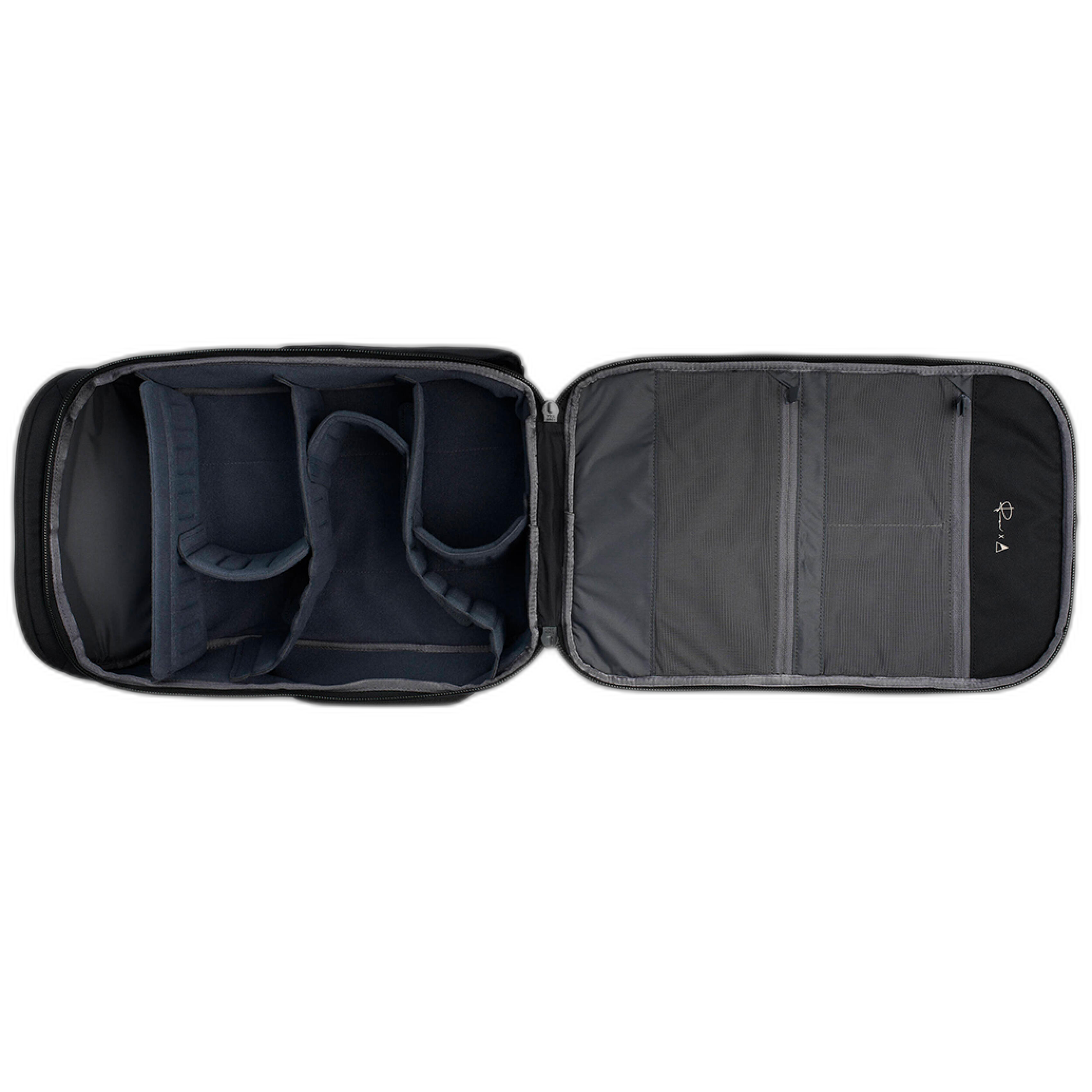
If you are traveling with a small bag setup, it helps to choose storage that keeps your camera, cables, and charger accessible. A travel pack like the Nomatic Luma Camera Pack 18L can streamline that process by keeping accessories organized instead of buried in luggage.
What about battery life and power on long travel days?
Battery management is often where the difference between phones and cameras becomes obvious. Smartphones do many jobs at once—navigation, messaging, booking confirmations, translation, and photography—so heavy use can drain them quickly. A compact camera gives you the advantage of separating photography from the rest of your travel essentials, but it also means one more device to power.
If you travel with a more advanced video-oriented camera alongside your phone, dedicated power accessories become even more important. For example, the Blackmagic Design Power Supply for Pocket Cinema Camera is a useful accessory for creators who build a travel content kit around Blackmagic gear and want dependable charging support.
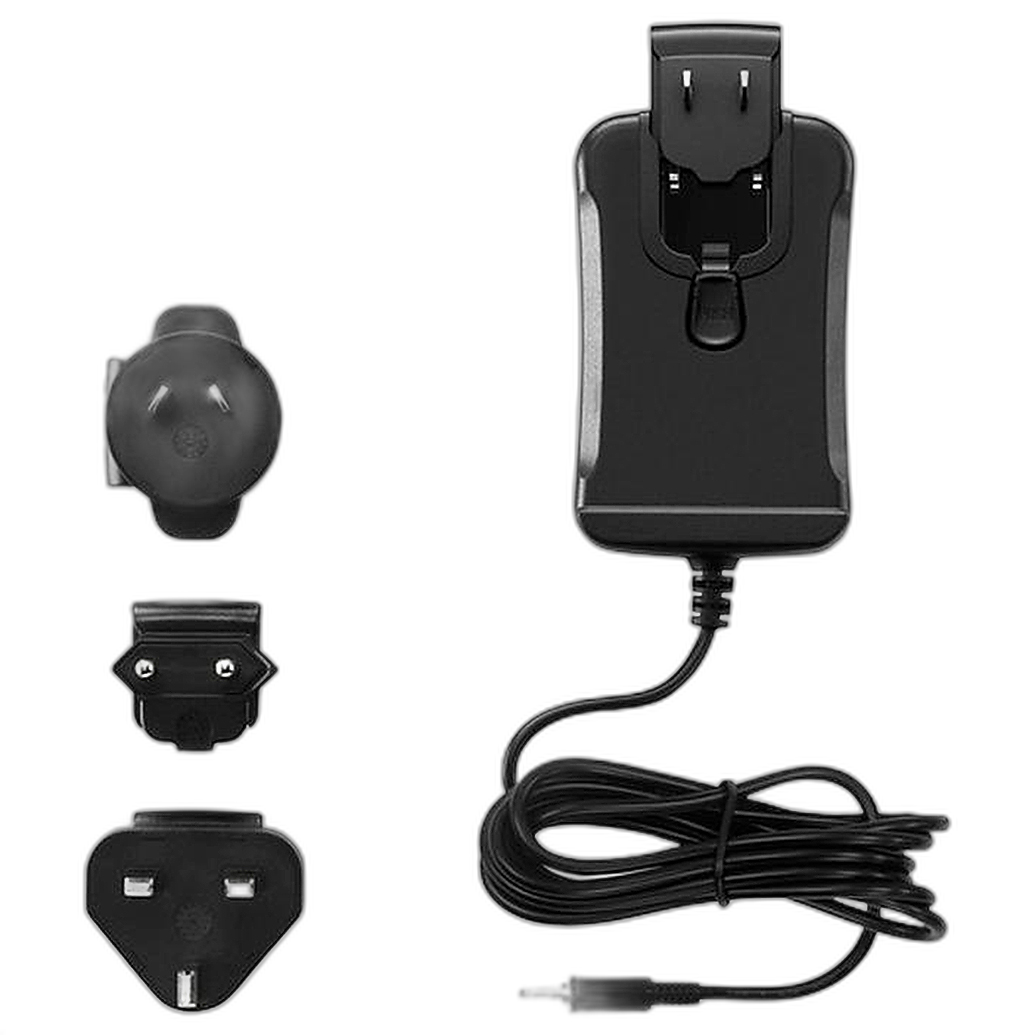
Even if you are traveling light, planning your charging routine each night is one of the best ways to avoid missed shots the next day.
Which option is better for most travelers?
For casual travelers, a modern smartphone is often enough. It is convenient, capable, and always within reach. For travelers who care deeply about composition, low-light performance, zoom flexibility, and files that stand up better to editing, a compact camera is still a worthwhile upgrade.
The best choice is not always either-or. Many experienced travelers bring both: a smartphone for immediacy and a compact camera for the moments that deserve more control and higher image quality. That combination covers quick memories and more polished photographs without requiring a full-size camera system.
If you are deciding what to pack for your next trip, Unique Photo can help you build a travel kit that matches your goals, whether that means keeping it ultra-light or stepping up your image quality with dedicated gear and accessories.